
1. Introduction to Chia Seeds and Digestive Health Context

Chia seeds (Salvia hispanica L.) are small, nutrient-dense seeds that have gained significant popularity as a functional food. From a clinical and nutritional perspective, their primary relevance to digestive health stems from their exceptionally high content of dietary fiber, a macronutrient essential for normal gastrointestinal function. A standard one-ounce (28-gram) serving provides approximately 10 grams of fiber, which is about one-third of the daily recommended intake for adults.
The fiber in chia seeds is predominantly soluble fiber, which forms a gel-like substance when mixed with water. This property is central to their proposed digestive effects. The gel can slow gastric emptying and the absorption of nutrients in the small intestine, which may contribute to increased feelings of fullness and more stable blood glucose levels. Furthermore, soluble fiber acts as a prebiotic, serving as a fuel source for beneficial bacteria in the colon, thereby supporting a healthy gut microbiome.
Expert Insight: Clinicians view chia seeds as a concentrated source of soluble fiber. The evidence for the general benefits of adequate fiber intake—including improved stool bulk, regularity, and support for gut microbiota—is robust and well-established in the medical literature. However, it is important to distinguish this from evidence specific to chia seeds themselves. While their nutrient profile is strong, high-quality, long-term human trials isolating the effects of chia seeds on specific digestive conditions are more limited.
The potential digestive benefits associated with this fiber content include:
- Improved Bowel Regularity: Adequate fiber intake adds bulk to stool and can help prevent constipation, a claim strongly supported by general nutrition science.
- Gut Microbiota Support: The fermentation of soluble fiber by colonic bacteria produces short-chain fatty acids, which are beneficial for colon health. This is a well-documented mechanism, though the specific impact of chia-derived fiber requires more targeted research.
- Potential for Bloating and Gas: A sudden, significant increase in fiber intake can lead to abdominal discomfort, bloating, and flatulence as the gut microbiota adjusts.
Who Should Exercise Caution: Individuals with a history of dysphagia (swallowing difficulties), esophageal strictures, or inflammatory bowel disease (IBD) during a flare-up should consult a physician before consuming dry chia seeds or thick gels, as they may pose a risk of obstruction. Those with irritable bowel syndrome (IBS) may need to introduce them slowly to assess tolerance. Anyone on medication or with chronic kidney disease should discuss significant dietary changes with a healthcare provider, as chia seeds are also high in certain minerals.
This chapter provides the foundational, evidence-based context for understanding how chia seeds might interact with the digestive system, separating established physiological mechanisms from areas where personal experimentation provides the current, anecdotal data.
2. Scientific Evidence and Mechanisms of Chia Seeds on Digestion
The purported digestive benefits of chia seeds are primarily attributed to their exceptionally high content of dietary fiber. A standard one-ounce (28-gram) serving provides about 10 grams of fiber, which is a significant portion of the recommended daily intake. This fiber is predominantly soluble, forming a gel-like substance when mixed with water.
The proposed mechanisms for improved digestion are grounded in established nutritional science:
- Bulking and Transit: The insoluble fiber component adds bulk to stool, which can help stimulate peristalsis and promote more regular bowel movements.
- Prebiotic Effect: Soluble fiber acts as a prebiotic, serving as a fermentable substrate for beneficial gut bacteria. This fermentation produces short-chain fatty acids like butyrate, which support colon health.
- Gel Formation and Satiety: The viscous gel formed by soluble fiber can slow gastric emptying, potentially aiding in blood sugar regulation and promoting a feeling of fullness.
However, the evidence specifically from human clinical trials on chia seeds is more limited and mixed than the well-established general benefits of dietary fiber. Some small, short-term studies have shown modest improvements in satiety or bowel regularity with chia consumption, while others have found no significant digestive effect compared to other fiber sources. There is a notable lack of large-scale, long-term randomized controlled trials focusing solely on chia seeds and gut health outcomes.
Clinical Perspective: From a clinical standpoint, chia seeds are a concentrated source of soluble fiber. Their effect is largely mechanical and prebiotic. They are not a unique "superfood" for digestion but can be a practical component of a high-fiber diet. The rapid increase in fiber intake they enable can also lead to initial bloating or gas if not introduced gradually and with adequate hydration.
It is crucial for certain individuals to exercise caution. Those with a history of dysphagia (swallowing difficulties), esophageal strictures, or major gastrointestinal surgeries should consume chia seeds only after they have fully gelled in liquid to avoid the risk of obstruction. People with inflammatory bowel disease (IBD) during a flare, or those with a history of bowel obstructions, should consult their gastroenterologist before adding concentrated fiber sources like chia seeds to their diet.
In summary, the mechanisms by which chia seeds could support digestion are physiologically sound and related to their high fiber content. While they are a nutritionally dense food, the specific evidence for unique digestive benefits beyond those of other high-fiber foods remains preliminary. Integrating them slowly and with plenty of water is the most evidence-based approach to assessing individual tolerance.
3. Risks, Contraindications, and Populations to Avoid
While chia seeds are generally considered safe for most people, their concentrated fiber and nutrient profile necessitate caution for specific individuals. A responsible approach requires understanding these potential risks and contraindications.
Primary Digestive and Mechanical Risks
The most common adverse effects are gastrointestinal, directly related to the seeds' high soluble fiber content (up to 11 grams per ounce). A rapid, significant increase in fiber intake can overwhelm the digestive system, leading to:
- Bloating, gas, and abdominal discomfort: This is a well-documented, common initial reaction as gut bacteria ferment the new fiber.
- Constipation or diarrhea: Paradoxically, both can occur. Without adequate fluid, chia seeds can form a dense gel that may obstruct the GI tract, causing constipation. Conversely, the sudden fiber influx can accelerate motility in some, leading to loose stools.
- Esophageal obstruction risk: This is a serious, though rare, contraindication. Dry chia seeds can absorb fluid rapidly and expand. If consumed dry and followed by a small amount of liquid, they can swell in the esophagus, posing a choking hazard or causing blockage. They must always be pre-soaked or consumed with ample liquid.
Clinical Insight: From a gastroenterology perspective, the mechanical risk of esophageal impaction is the most acute safety concern. Patients with a history of dysphagia (difficulty swallowing), strictures, or reduced esophageal motility should be explicitly warned to avoid dry seeds entirely. The mantra "soak before you swallow" is non-negotiable for this group.
Populations Requiring Medical Consultation
Certain health conditions and medications warrant a discussion with a physician or dietitian before incorporating chia seeds.
- Individuals with Inflammatory Bowel Disease (IBD) or Diverticulitis: During a flare-up, high-fiber foods like chia seeds are typically contraindicated as they can irritate the inflamed intestinal lining. Their use in remission should be personalized.
- Those on Blood-Thinning Medications (e.g., warfarin): Chia seeds are a source of vitamin K and omega-3 fatty acids (ALA), both of which can influence blood coagulation. Consistent, large intake may interfere with medication efficacy, requiring careful monitoring.
- People with Kidney Disease or Hypertension on Medication: Chia seeds contain notable phosphorus and potassium. In advanced chronic kidney disease, impaired excretion of these minerals can lead to dangerous electrolyte imbalances. Furthermore, their potential blood pressure-lowering effect could potentiate antihypertensive drugs.
- Individuals with Seed Allergies: While uncommon, allergic reactions to chia seeds have been reported. Those with known allergies to mustard seeds or sesame seeds may be at higher risk due to potential cross-reactivity.
The evidence for most benefits is promising but often preliminary. In contrast, the risks outlined here are based on well-understood nutritional mechanics and documented clinical cases. Prioritizing safety by identifying if you belong to a higher-risk group is a critical step before beginning any dietary experiment.
4. Practical, Evidence-Based Takeaways for Chia Seed Use
Based on the available scientific literature and clinical experience, incorporating chia seeds into a diet can be a practical strategy for supporting digestive health, provided it is done with an evidence-based and cautious approach. The primary mechanism is their exceptionally high soluble fiber content, which forms a gel-like substance in the gut, slowing digestion and potentially improving stool consistency.
The strongest evidence supports chia seeds as a source of dietary fiber. A single ounce (about two tablespoons) provides approximately 10 grams of fiber, which is a significant contribution toward the recommended daily intake of 25-38 grams. For general digestive regularity, this is a well-established benefit.
However, evidence for more specific gastrointestinal claims—such as a pronounced prebiotic effect, direct reduction of inflammation in conditions like IBS, or significant weight loss—is more limited or preliminary. While the fiber can support a healthy gut microbiome, robust human trials are needed to confirm unique benefits beyond those of other high-fiber foods.
Key Recommendations for Use
- Start Low, Go Slow: Begin with 1 teaspoon (about 5 grams) daily to assess tolerance. Gradually increase to 1-2 tablespoons over 1-2 weeks to minimize gas and bloating.
- Prioritize Hydration: Consume chia seeds with ample water or other fluids. The soluble fiber absorbs many times its weight in water; inadequate hydration can lead to constipation or even intestinal blockage in rare cases.
- Consider Preparation: Soaking chia seeds for 10-30 minutes before consumption (creating a gel) may improve digestibility and tolerance for some individuals compared to consuming them dry.
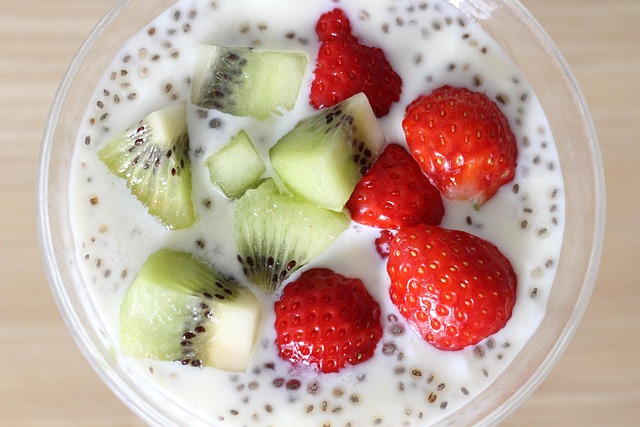
- Integrate, Don't Isolate: Add them to foods like yogurt, oatmeal, smoothies, or salads as part of a balanced diet, rather than relying on them as a singular solution.
Clinical Consideration: From a gastroenterology perspective, chia seeds are a benign functional food for most. The critical advice is the gradual introduction and emphasis on fluid intake. Patients with a history of dysphagia, esophageal strictures, or significant gastroparesis should avoid dry chia seeds due to the risk of obstruction. Those with active inflammatory bowel disease (IBD) or a history of bowel obstructions should consult their physician before adding concentrated fiber sources.
Ultimately, chia seeds are a nutrient-dense, high-fiber food. Their value lies in consistent, mindful incorporation into a broader pattern of healthy eating. For individuals with specific digestive diagnoses or those on medications, discussing dietary changes with a healthcare provider is a prudent first step.
5. Safety Considerations and Indications for Medical Consultation

While chia seeds are generally recognized as safe for most people when consumed in typical dietary amounts, their high fiber and unique gelling properties necessitate specific safety considerations. A responsible approach involves understanding potential adverse effects and knowing when to consult a healthcare professional.
Key Safety Considerations
The primary safety concerns relate to gastrointestinal tolerance and medication interactions. Introducing chia seeds too quickly or in large quantities can lead to:
- Gastrointestinal Distress: Bloating, gas, and abdominal discomfort are common if fiber intake is increased abruptly. This is due to the rapid fermentation of soluble fiber by gut bacteria.
- Dysphagia or Obstruction Risk: Dry chia seeds absorb many times their weight in liquid. Consuming them dry, especially in large spoonfuls, poses a theoretical risk of esophageal blockage, particularly in individuals with swallowing difficulties.
- Blood Pressure and Anticoagulant Interactions: Limited evidence from animal and in-vitro studies suggests chia seeds may have mild blood-thinning and blood-pressure-lowering effects. While human data is sparse, this warrants caution for individuals on anticoagulant (e.g., warfarin) or antihypertensive medications.
Clinical Insight: In practice, the fiber-related effects are the most frequently observed. We advise a "start low and go slow" strategy—beginning with one teaspoon daily and ensuring seeds are always pre-soaked or consumed with ample fluid. The medication interaction data is preliminary, but it underscores the importance of discussing dietary changes with a doctor when managing chronic conditions.
Who Should Seek Medical Advice First?
Certain individuals should consult a physician or registered dietitian before significantly increasing chia seed intake:
- Individuals with Gastrointestinal Disorders: Those with Crohn's disease, ulcerative colitis, diverticulitis, or a history of bowel obstructions.
- People with Kidney Disease: Chia seeds are a source of phosphorus and potassium. Impaired kidney function can lead to dangerous accumulation of these minerals.
- Those on Specific Medications: As noted, individuals taking blood thinners or blood pressure medication.
- People with Food Allergies: While rare, allergic reactions to chia seeds have been documented.
- Individuals Preparing for Surgery: Due to potential effects on bleeding, it may be prudent to discontinue high-dose chia seed consumption 1-2 weeks before elective surgical procedures.
The evidence supporting the benefits of chia seeds is stronger for modest improvements in satiety and providing omega-3 ALA than for transformative digestive "cures." A balanced view acknowledges their nutritional value while respecting their potent physiological effects, which make prior medical consultation essential for at-risk populations.
6. Questions & Expert Insights
Are the digestive changes I might experience from chia seeds a sign they are "detoxing" or "cleansing" my gut?
The concept of "detoxing" or "cleansing" is not a medically recognized process for the gut. The digestive changes you may experience—such as softer stools or increased regularity—are primarily due to chia seeds' high soluble and insoluble fiber content. Soluble fiber absorbs water to form a gel, which can slow digestion and feed beneficial gut bacteria (acting as a prebiotic). Insoluble fiber adds bulk to stool, which can help it pass more easily. These are normal physiological responses to a significant increase in dietary fiber, not an indication of toxins being removed. It's important to frame this as a shift toward better digestive function through nutrition, rather than a purification event, which lacks scientific basis.
What are the potential risks or side effects, and who should be cautious about adding chia seeds to their diet?
While generally safe for most, chia seeds carry specific risks. The most common side effect is gastrointestinal distress—bloating, gas, or abdominal discomfort—especially when intake is increased too quickly. Due to their exceptional water-absorbing capacity, consuming dry chia seeds without sufficient liquid poses a serious risk of esophageal obstruction. Individuals with swallowing difficulties (dysphagia) or a narrowed esophagus must avoid dry chia seeds entirely. Those with inflammatory bowel disease (IBD, like Crohn's or ulcerative colitis) during a flare, a history of bowel obstructions, or severe constipation should consult a doctor first, as high-fiber foods can exacerbate symptoms. People on blood-thinning medications (e.g., warfarin) or with bleeding disorders should also be cautious, as chia seeds are rich in vitamin K and omega-3s, which can affect clotting.
When should I talk to a doctor about digestive changes from a new food like chia seeds, and what information should I bring?
Consult a physician or a registered dietitian if you experience severe abdominal pain, vomiting, an inability to pass stool or gas, or signs of an allergic reaction (hives, swelling, difficulty breathing). You should also seek advice if you have a pre-existing digestive condition (like IBD, IBS, or diverticulitis) before making significant dietary changes. For the appointment, be prepared to discuss: 1) Your typical daily diet and fluid intake, 2) The exact amount and form of chia seeds you consume (e.g., one tablespoon soaked), 3) The timing and specific nature of your symptoms (e.g., "bloating two hours after eating"), and 4) Any relevant medical history and current medications or supplements. This detailed history is far more valuable to a clinician than a general claim of "trying chia seeds."
Is there strong scientific evidence that chia seeds improve long-term gut health, or are the benefits mostly short-term?
The evidence is promising but nuanced. Robust, high-quality human trials specifically on chia seeds and long-term gut health outcomes are limited. Short-term studies consistently show that chia's fiber increases stool bulk and frequency, which is beneficial for relieving constipation. Its soluble fiber also acts as a prebiotic, supporting the growth of beneficial bacteria like Bifidobacteria in some studies. However, declaring definitive, long-term "gut health" benefits—such as sustained microbiome transformation or reduced risk of chronic disease—requires more longitudinal research. The current, evidence-based takeaway is that chia seeds are an excellent source of fiber that can support normal digestive function as part of a varied, high-fiber diet. Their long-term impact is likely positive but should not be overstated beyond what the existing data supports.
7. In-site article recommendations
8. External article recommendations
9. External resources
The links below point to reputable medical and evidence-based resources that can be used for further reading. Always interpret them in the context of your own situation and your clinician’s advice.
-
drugs drugs.comchia seeds – Drugs.com (search)
-
healthline healthline.comchia seeds – Healthline (search)
-
mayoclinic mayoclinic.orgchia seeds – Mayo Clinic (search)
These external resources are maintained by third-party organisations. Their content does not represent the editorial position of this site and is provided solely to support readers in accessing additional professional information.