
1. Introduction to Functional Fitness and the 14-Day Intervention
Functional fitness is a training philosophy focused on improving the body's capacity to perform real-world, multi-planar movements with stability, strength, and efficiency. Unlike isolated muscle training, it emphasizes patterns like squatting, hinging, pushing, pulling, carrying, and rotating—actions fundamental to daily life. The primary goal is to enhance movement quality, reduce injury risk, and support long-term physical independence.
This chapter outlines the rationale and structure of a 14-day intervention designed to explore the initial physiological and subjective adaptations to a consistent functional fitness routine. It is crucial to note that while the principles of functional training are well-supported by exercise science for improving movement mechanics and muscular endurance, evidence for specific, rapid outcomes from short-term interventions like this one is more limited and primarily observational.
The 14-day program was structured with the following core principles:
- Movement Patterns Over Muscles: Each session incorporated compound exercises spanning the fundamental human movement patterns.
- Progressive Overload: Intensity (via load, volume, or complexity) was cautiously increased every 3-4 days to provide a novel stimulus while prioritizing technique.
- Recovery Integration: The program included dedicated mobility work and rest days, acknowledging adaptation occurs during recovery, not just training.
- Subjective Monitoring: Daily logs tracked perceived energy levels, sleep quality, and musculoskeletal feedback, providing personal context to the experience.
Clinical Perspective: From a rehabilitation and preventative medicine standpoint, the functional approach is valuable for its focus on kinetic chain integration and proprioception. However, a 14-day timeframe is generally considered insufficient for significant musculoskeletal or cardiovascular remodeling. Observable changes in this period are more likely related to improved neuromuscular coordination, short-term metabolic adjustments, and psychological factors like increased self-efficacy. Individuals with pre-existing joint, cardiovascular, or metabolic conditions must consult a physician before initiating any new exercise regimen, as functional movements can place significant stress on the body.
The following chapters document the day-by-day application of this protocol, the subjective and objective metrics gathered, and a balanced analysis of the outcomes within the context of existing exercise physiology literature. The intent is to provide a transparent, evidence-informed account of a short-term immersion in functional fitness principles.
2. Evidence-Based Mechanisms Underlying Energy Improvements
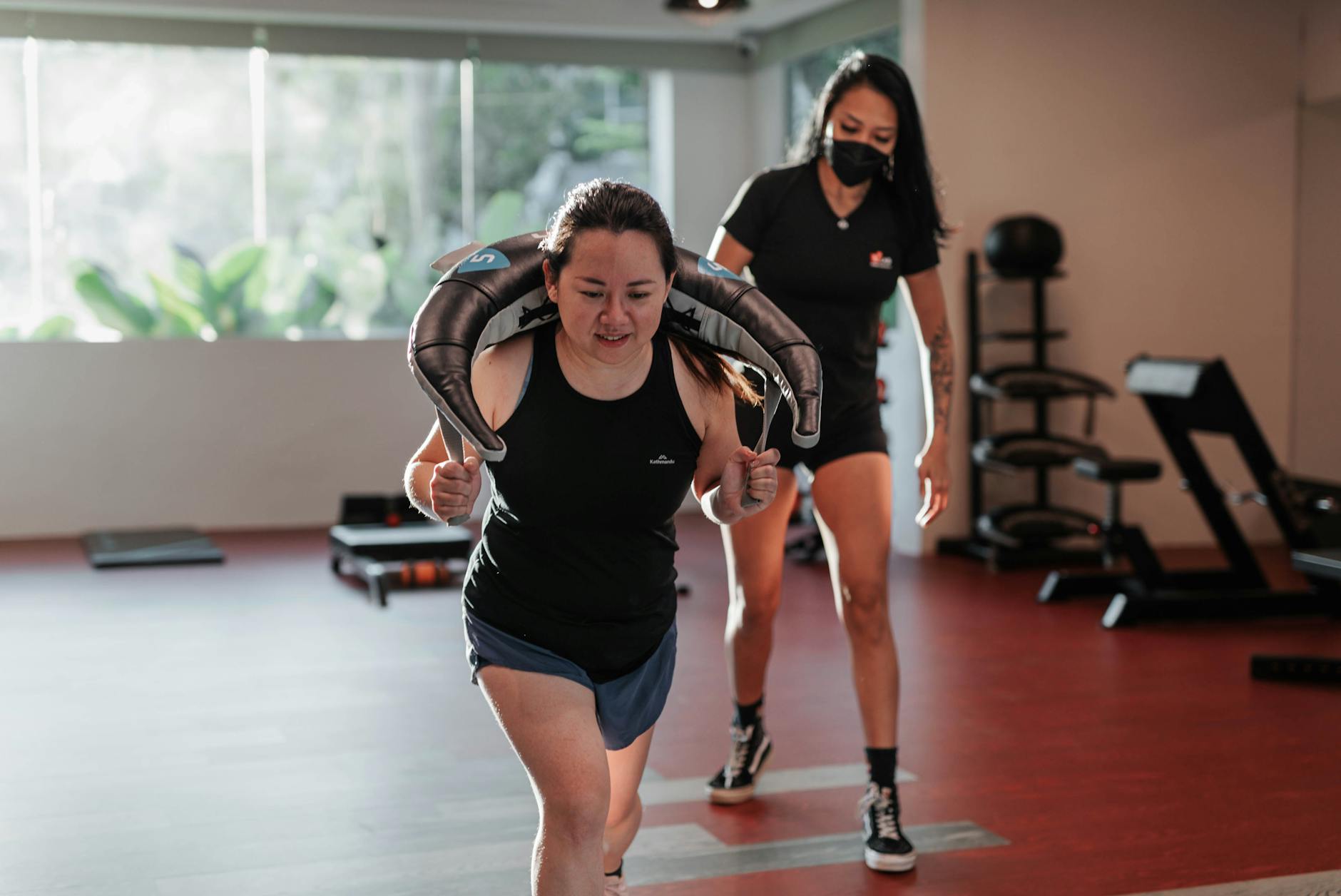
The subjective feeling of increased energy reported during functional fitness programs is supported by several well-established physiological adaptations. These mechanisms operate at the cellular, cardiovascular, and neurological levels, moving beyond simple "endorphin rush" explanations.
One of the most robust mechanisms is the enhancement of mitochondrial biogenesis. Functional training, which often incorporates compound movements and metabolic conditioning, stimulates the creation of new mitochondria and improves the efficiency of existing ones within muscle cells. This directly increases the cell's capacity to produce adenosine triphosphate (ATP), the fundamental currency of cellular energy.
Concurrently, improvements in cardiovascular and respiratory efficiency are strongly evidenced. Regular training increases stroke volume, lowers resting heart rate, and enhances the body's ability to deliver oxygen to working tissues (VO2 max). This reduces the cardiovascular strain of daily activities, conserving energy reserves.
Neurologically, functional fitness promotes enhanced neural drive and motor unit recruitment. The complex, multi-planar movements require greater coordination from the central nervous system, improving the communication between the brain and muscles. This leads to more efficient movement patterns, reducing wasted energy expenditure on stabilisation and unnecessary muscle activation.
Clinical Perspective: While the evidence for these adaptations is strong, the timeline and magnitude of perceived energy gain can vary significantly based on an individual's baseline fitness, nutrition, sleep quality, and underlying health. A person beginning from a sedentary state may notice more pronounced subjective energy changes initially due to rapid improvements in efficiency, while a trained individual may see subtler, longer-term gains.
Other contributing factors, while supported, have more nuanced evidence:
- Hormonal Regulation: Exercise can help modulate cortisol rhythms and improve insulin sensitivity, potentially stabilizing energy levels throughout the day. However, excessive training volume can have the opposite effect.
- Sleep Quality: Regular physical activity is consistently linked to improved sleep architecture, which is a critical component of energy restoration. The effect is often indirect and synergistic.
Important Considerations: Individuals with known cardiovascular, metabolic, or musculoskeletal conditions, or those who are pregnant, should consult a physician before initiating a new functional fitness regimen. The intensity and complexity of movements require a foundation of stability and clearance for exertion. Progressing too rapidly can lead to injury or overtraining, which paradoxically depletes energy.
3. Risks, Contraindications, and Populations to Avoid

While functional fitness can offer significant benefits, its dynamic and often high-intensity nature carries inherent risks, particularly for individuals with pre-existing health conditions or those new to exercise. A responsible approach requires understanding these risks and identifying populations for whom caution or avoidance is warranted.
Common Risks and Injury Mechanisms
The primary risks stem from improper technique, excessive load, or inadequate progression. Common injury sites include the shoulders, lower back, and knees, often due to:
- Poor Form Under Fatigue: Complex multi-joint movements (e.g., cleans, snatches, kipping pull-ups) degrade with fatigue, increasing shear forces on joints.
- Overuse and Inadequate Recovery: The high-frequency, high-volume model of some programs can lead to stress fractures, tendonitis, and rhabdomyolysis.
- Inappropriate Scaling: Attempting prescribed workouts without proper scaling for one's current strength or mobility level is a direct path to injury.
Clinical Insight: From a sports medicine perspective, we frequently see functional fitness injuries that are a product of "task persistence"—the drive to complete a workout as written despite failing form. The mantra of "listening to your body" is critical; sharp pain, dizziness, or extreme shortness of breath are immediate stop signals, not challenges to overcome.
Populations Requiring Medical Consultation
Certain individuals should seek clearance from a qualified healthcare provider—such as a physician, cardiologist, or physiotherapist—before embarking on a functional fitness program. This is strongly recommended for those with:
- Cardiovascular Conditions: Uncontrolled hypertension, known coronary artery disease, arrhythmias, or a history of stroke. The acute blood pressure spikes in heavy lifting and the sustained high heart rate of metabolic conditioning can be dangerous.
- Musculoskeletal Issues: Recent surgery (especially shoulder, knee, spine), acute disc herniation, significant osteoarthritis, or chronic instability in a major joint.
- Metabolic & Systemic Conditions: Poorly controlled diabetes (risk of hypoglycemia during intense exercise), advanced kidney disease (concern with high protein intake and muscle breakdown), or active autoimmune disorders affecting joints.
- Pregnancy & Postpartum: While modified exercise is often beneficial, the impact, intra-abdominal pressure changes (Valsalva maneuver), and risk of falls in dynamic movements require specific, expert guidance.
Absolute and Relative Contraindications
Some situations warrant complete avoidance or extreme modification:
- Absolute: Acute illness (e.g., fever, systemic infection), unstable angina, aortic stenosis, or a known history of exertional rhabdomyolysis.
- Relative (Proceed with Extreme Caution): A history of eating disorders, as the performance-focused culture can trigger unhealthy behaviors. Similarly, individuals with severe, uncontrolled anxiety may find the competitive, high-intensity environment counterproductive.
The evidence supporting the benefits of functional fitness is robust for generally healthy adults. However, the evidence for its safety in complex clinical populations is limited. The cornerstone of safety is individualization, professional guidance, and the humility to scale appropriately.
4. Practical Insights and Actionable Recommendations

Based on the documented experience and the broader evidence base for functional movement training, the following insights and recommendations can help structure a safe and effective approach. The primary goal is to build a sustainable practice that enhances real-world physical capacity.
Structuring Your Practice
Begin with a focus on movement quality, not intensity. A balanced weekly template might include:
- Movement Patterns: Dedicate sessions to foundational patterns: squatting (e.g., goblet squats), hinging (e.g., kettlebell deadlifts), pushing (e.g., push-ups), pulling (e.g., inverted rows), and carrying (e.g., farmer's walks).
- Frequency: Aim for 3-4 sessions per week, allowing at least 48 hours of recovery for the same muscle groups.
- Volume: Start with 2-3 sets of 8-12 repetitions per exercise, prioritizing controlled form over adding weight or speed.
Clinical Perspective: The energy gains often reported are likely multifactorial, involving improved neuromuscular efficiency, cardiovascular adaptation, and potential positive effects on mitochondrial function. However, these outcomes are highly individual and depend on baseline fitness, nutrition, and sleep. The evidence for rapid systemic energy change within two weeks is preliminary; sustained benefits typically require consistent practice over months.
Key Implementation Principles
To maximize benefit and minimize injury risk, adhere to these principles:
- Progressive Overload: Gradually increase difficulty by modestly adding weight, complexity (e.g., single-leg variations), or volume, but only when movement is mastered at the current level.
- Recovery Integration: Functional training is demanding. Prioritize sleep, hydration, and nutrition to support tissue repair and adaptation. Consider integrating light mobility or walking on non-training days.
- Contextual Application: Periodically assess how the training translates to daily life—e.g., noticing easier luggage lifting or improved stair climbing. This reinforces the practice's purpose.
Important Cautions and Contraindications
While generally safe for healthy adults, certain individuals should proceed with caution or seek medical clearance:
- Those with unmanaged hypertension, cardiovascular conditions, or recent musculoskeletal injury must consult a physician and likely a physical therapist.
- Individuals with significant joint instability (e.g., shoulder, knee) may need to modify or avoid certain loaded, multi-planar movements.
- Anyone new to exercise or returning after a long hiatus should start under the guidance of a qualified fitness professional to ensure proper technique.
The most actionable recommendation is to begin with an assessment of your current movement capabilities and set process-oriented goals, such as improving squat depth or carrying technique, rather than focusing solely on outcomes like weight loss or energy levels, which are influenced by numerous factors.
5. Safety Monitoring and Indications for Medical Consultation

Embarking on a functional fitness program requires proactive safety monitoring. While the anecdotal energy gains reported in this series are promising, they are not a substitute for clinical assessment. Systematic self-monitoring helps distinguish normal adaptation from potential warning signs.
During your initial 14-day period, pay close attention to these key physiological and subjective markers:
- Pain Quality: Differentiate between general muscle soreness (delayed onset muscle soreness or DOMS) and sharp, localized, or joint-specific pain. The latter is a clear indicator to stop the aggravating activity.
- Recovery Metrics: Monitor resting heart rate upon waking. A persistent elevation of 7-10 beats per minute may suggest inadequate recovery or impending illness.
- Energy & Fatigue Patterns: Note if increased energy is sustained or followed by profound exhaustion. Persistent fatigue, especially when coupled with sleep disturbances or mood changes, warrants evaluation.
- Form and Technique Deterioration: As you fatigue, movement quality often declines first. Continuing with poor form significantly increases injury risk.
Clinical Insight: From a medical perspective, the line between beneficial stress and harmful strain is individual. A key principle is the absence of "red flag" symptoms. Neurological symptoms like radiating pain, numbness, or weakness, or systemic signs such as dizziness, chest discomfort, or unusual shortness of breath, are non-negotiable reasons to cease activity and seek immediate medical consultation.
Certain individuals should consult a physician or relevant specialist before starting a new fitness regimen. This is strongly advised for those with:
- Known cardiovascular, respiratory, or metabolic conditions (e.g., hypertension, asthma, diabetes).
- Musculoskeletal injuries, chronic joint pain, or recent surgery.
- Pregnancy or postpartum status.
- A history of disordered eating or exercise compulsion.
The evidence supporting specific functional fitness protocols for managing chronic conditions is mixed and highly individualized. Therefore, professional guidance is crucial to adapt movements, intensity, and volume safely. Furthermore, if you experience no improvement in energy levels or well-being after a reasonable trial period, a consultation can help rule out underlying nutritional, endocrine, or sleep-related issues that exercise alone cannot address.
Ultimately, safety monitoring transforms a fitness journey from a simple activity log into a responsible health practice. Listening to your body's signals and knowing when to seek expert advice are foundational skills for sustainable, long-term benefit.
6. Questions & Expert Insights
Is a 14-day functional fitness program enough to see real, lasting health benefits?
While a 14-day program can be an excellent catalyst for change, it is important to view it as the beginning of a process, not a definitive endpoint. The "unexpected energy gains" reported in such a short timeframe are likely attributable to several acute physiological and psychological adaptations: improved circulation, better sleep quality, the release of endorphins, and the motivational boost from starting a new, structured routine. However, for lasting benefits like sustained increases in metabolic rate, significant body composition changes, or durable improvements in cardiovascular and musculoskeletal health, consistent practice over months and years is required. The 14-day mark is where habits are formed; the key is leveraging that initial momentum into a sustainable, long-term lifestyle integration of functional movement.
What are the potential risks or side effects, and who should be especially cautious?
Even a well-designed functional fitness program carries inherent risks, particularly for deconditioned individuals or those with pre-existing conditions. Common side effects include delayed onset muscle soreness (DOMS), joint strain from improper form, and overuse injuries if progression is too rapid. Specific populations should seek medical clearance before starting: individuals with a history of cardiovascular disease, uncontrolled hypertension, or recent musculoskeletal injury (e.g., herniated disc, rotator cuff tear). Those with significant joint osteoarthritis, balance disorders, or osteoporosis require modifications to avoid high-impact or high-torque movements. The principle of "start low and go slow" is paramount to mitigate these risks.
When should I talk to a doctor before or during such a program, and what should I discuss?
Consult a physician or a physical therapist if you have any chronic health condition, are taking medications (especially for heart or blood pressure), are pregnant or postpartum, have persistent pain, or are returning to exercise after a long sedentary period. For the conversation, come prepared with specifics: bring the program's exercise list or a sample workout. Discuss your specific health history and any past injuries. Ask, "Are there movements I should categorically avoid?" and "What are the warning signs I should stop and contact you?" This enables your provider to give personalized, actionable guidance rather than generic advice, turning a general fitness plan into a safe, tailored intervention.
How much of the reported "energy gain" is physiological versus psychological?
The energy gain is almost certainly a synergistic blend of both domains, and disentangling them is difficult. Physiologically, even short-term regular exercise improves mitochondrial efficiency, enhances blood flow and oxygen delivery to tissues, and can regulate stress hormones like cortisol. Psychologically, the structured routine, accomplishment of goals, and break from sedentary patterns can reduce mental fatigue, improve mood via neurotransmitter modulation, and enhance perceived energy levels. It's a positive feedback loop: the psychological boost encourages adherence, which drives further physiological adaptation. Acknowledging this mind-body connection is crucial; it means the benefits are no less "real" for having a psychological component.
7. In-site article recommendations
8. External article recommendations
9. External resources
The links below point to reputable medical and evidence-based resources that can be used for further reading. Always interpret them in the context of your own situation and your clinician’s advice.
-
healthline healthline.comfunctional fitness – Healthline (search)
-
mayoclinic mayoclinic.orgfunctional fitness – Mayo Clinic (search)
-
drugs drugs.comfunctional fitness – Drugs.com (search)
These external resources are maintained by third-party organisations. Their content does not represent the editorial position of this site and is provided solely to support readers in accessing additional professional information.