
1. Introduction to Matcha and Its Context in Energy Modulation

Matcha, a finely ground powder of specially grown and processed green tea leaves (Camellia sinensis), has a long history in traditional Japanese tea ceremonies. In contemporary wellness discussions, it is frequently cited for its potential to modulate energy and alertness. This chapter provides a foundational, evidence-based context for understanding these claims, distinguishing between well-established mechanisms and areas requiring further clinical research.
The primary bioactive compounds in matcha responsible for its physiological effects are methylxanthines (notably caffeine) and L-theanine, an amino acid. The interplay between these two substances forms the core of matcha's proposed energy-modulating profile:
- Caffeine: A well-researched central nervous system stimulant that antagonizes adenosine receptors, temporarily reducing perceived fatigue and increasing alertness. A typical serving of matcha contains approximately 70mg of caffeine, though this can vary significantly based on cultivation and preparation.
- L-theanine: An amino acid that crosses the blood-brain barrier and is associated with promoting alpha-wave activity in the brain, which is linked to a state of relaxed alertness.
The combination is often described as producing a state of "calm energy" or focused alertness without the jitteriness or abrupt crash sometimes associated with coffee consumption. Preliminary human trials and mechanistic studies support this synergistic effect, suggesting L-theanine may mitigate some of the negative autonomic effects of caffeine, such as increased heart rate and blood pressure. However, it is crucial to note that many studies are small, short-term, or use isolated compounds rather than whole matcha in typical dietary amounts.
Clinical Perspective: From a pharmacological standpoint, the matcha profile is interesting. The presence of L-theanine alongside caffeine may offer a more favorable side-effect profile for some individuals seeking cognitive enhancement. However, the overall impact is still dose-dependent and subject to individual variation in caffeine metabolism and sensitivity. It should not be considered a substitute for addressing underlying causes of fatigue, such as sleep disorders or nutritional deficiencies.
Individuals with certain health conditions should exercise caution. Those sensitive to caffeine, with anxiety disorders, cardiovascular conditions (e.g., arrhythmias, hypertension), or who are pregnant or breastfeeding should consult a healthcare provider before regularly consuming matcha. Furthermore, matcha can interact with certain medications, including stimulants, some antidepressants, and anticoagulants.
This chapter sets the stage for a nuanced exploration of matcha's effects. The following account of a 14-day personal journey should be interpreted within this context of established science, acknowledged limitations in the evidence, and necessary health precautions.
2. Mechanisms of Action and Review of Clinical Evidence

The reported effects of matcha on energy and cognition are primarily attributed to its unique phytochemical profile. The primary mechanism is the synergistic interaction between caffeine and L-theanine, an amino acid abundant in shade-grown tea leaves. Unlike coffee, where caffeine acts alone, L-theanine is believed to modulate caffeine's effects. It may promote alpha-wave activity in the brain, associated with a state of relaxed alertness, potentially smoothing the stimulant's "peak and crash" cycle and reducing feelings of jitteriness.
Beyond this duo, matcha is a concentrated source of catechins, a class of polyphenols. The most studied, epigallocatechin gallate (EGCG), possesses potent antioxidant properties. While the direct translation of antioxidant capacity to measurable energy in humans is complex, it is theorized that reducing oxidative stress may support mitochondrial function and cellular energy metabolism over time.
Reviewing the clinical evidence reveals a promising but nuanced picture:
- Cognition & Alertness: Several randomized controlled trials (RCTs) support acute improvements in attention, reaction time, and memory with matcha or similar green tea extracts compared to placebo. These effects are most consistent in the hours following consumption.
- Sustained Energy & Fatigue: Evidence here is more limited and mixed. Some small studies and self-reported surveys suggest reduced subjective fatigue, but larger, longer-term trials are needed to confirm these findings and establish optimal dosing.
- Metabolic Effects: Preliminary research indicates matcha may modestly enhance thermogenesis and fat oxidation during exercise. However, these effects are likely small and should not be overstated for weight management purposes.
It is crucial to note the limitations of the current evidence base, which often involves small sample sizes, short study durations, and variability in matcha preparation and dosage. The strong evidence lies in the acute, mild to moderate cognitive and alertness benefits for many individuals. Claims regarding long-term energy transformation, disease prevention, or significant weight loss are not strongly supported by high-quality clinical data.
Individuals who are sensitive to caffeine, have anxiety disorders, cardiovascular conditions, or are pregnant should exercise caution. Those on medications, especially stimulants or drugs affected by caffeine, should consult a physician before making matcha a regular part of their routine.
3. Potential Risks and Contraindications for Specific Populations

While matcha is generally considered safe for most healthy adults when consumed in moderation, its concentrated nature—particularly its caffeine and bioactive compound content—warrants caution for specific populations. A responsible approach requires understanding these potential risks.
Primary Concerns: Caffeine and Catechins
The two main components of concern are caffeine and a class of antioxidants called catechins, specifically epigallocatechin gallate (EGCG). While beneficial in some contexts, high intakes can pose risks.
- Caffeine Sensitivity: A single serving of matcha can contain approximately 70mg of caffeine, though this varies. Individuals with anxiety disorders, insomnia, cardiac arrhythmias, or hypertension may experience exacerbated symptoms.
- EGCG and Hepatotoxicity: There is evidence from case reports linking high-dose green tea extract supplements (often exceeding 800 mg EGCG daily) to rare instances of liver injury. The risk from culinary-grade matcha powder is considered significantly lower, but caution is advised for those with pre-existing liver conditions.
Populations Requiring Specific Caution
Certain groups should consult a healthcare provider before incorporating matcha into their routine.
- Pregnant and Breastfeeding Individuals: Health authorities typically recommend limiting caffeine intake. High catechin consumption may also interfere with folate metabolism, a critical nutrient during pregnancy. It is prudent to seek medical guidance.
- Individuals with Iron-Deficiency Anemia: Catechins can bind to non-heme iron (from plant sources), potentially inhibiting its absorption. Consuming matcha away from meals and with vitamin C-rich foods can mitigate this, but those with anemia should be mindful.
- Those on Certain Medications: Matcha may interact with drugs metabolized by the CYP450 enzyme system (e.g., some blood thinners, antidepressants, and chemotherapy agents) due to its catechin content. It may also enhance the effects of stimulants.
- Individuals with Kidney Disorders: While evidence is limited, the oxalate content in green tea could theoretically contribute to kidney stone formation in susceptible individuals.
Clinical Perspective: The dose makes the poison. One to two cups of traditionally prepared matcha daily is unlikely to cause adverse effects in healthy individuals. The risk profile changes significantly with high-dose supplementation, "matcha loading," or consumption by individuals with specific metabolic vulnerabilities. Always disclose your matcha intake to your physician, especially if you have a chronic health condition or are taking medication.
In summary, while matcha offers potential benefits, its use is not universally appropriate. A personalized assessment, considering one's health status and potential interactions, is the most clinically responsible approach.
4. Evidence-Based Practical Recommendations for Consumption

Based on the available clinical evidence and nutritional science, the following practical recommendations can help optimize the potential benefits of matcha while minimizing risks. These guidelines are derived from studies on green tea catechins and caffeine, acknowledging that direct, high-quality research on matcha specifically is more limited.
Dosage and Preparation
Evidence suggests that the bioactive compounds in matcha, particularly EGCG (epigallocatechin gallate), are dose-dependent. For general health support, a daily intake of 1–2 grams (approximately ½ to 1 teaspoon) of ceremonial-grade matcha powder is a common and evidence-informed range. This typically provides 70–140 mg of caffeine and a significant dose of antioxidants.
- Preparation: To maximize nutrient bioavailability and minimize bitterness, whisk 1–2 grams of matcha with 60–80 ml of hot water (ideally around 70–80°C / 158–176°F), not boiling water. Higher temperatures can degrade sensitive catechins and increase astringency.
- Timing: Consuming matcha in the morning or early afternoon is prudent due to its caffeine content. Avoid consumption close to bedtime if you are sensitive to caffeine's effects on sleep architecture.
Integrating into a Routine
For sustained energy modulation, consistency appears more effective than sporadic high intake. Incorporating your daily serving as a replacement for other caffeinated beverages with lower antioxidant profiles (e.g., some coffees, sodas) can be a practical dietary strategy.
Clinical Insight: The synergy between matcha's caffeine and L-theanine is well-supported for promoting a state of calm alertness, which differs from the jitteriness sometimes associated with coffee. However, the magnitude of this effect varies individually based on caffeine metabolism and tolerance. It is not a substitute for addressing underlying causes of fatigue, such as sleep disorders or nutrient deficiencies.
Important Cautions and Contraindications
Matcha is not appropriate for everyone. The following groups should exercise caution or consult a healthcare provider before regular consumption:
- Individuals sensitive to caffeine or with anxiety disorders, as it may exacerbate symptoms.
- Those with iron-deficiency anemia: The tannins in matcha can inhibit non-heme iron absorption from plant-based foods. Consume it between meals rather than with iron-rich meals.
- People with certain medical conditions, particularly liver disease, given rare case reports of high-dose green tea extract supplement hepatotoxicity. While the risk from dietary matcha is considered low, caution is warranted.
- Pregnant or breastfeeding individuals should limit caffeine intake; professional guidance on a safe daily matcha amount is advised.
- Anyone on medications, especially blood thinners (like warfarin) or stimulants, due to potential interactions.
In summary, a moderate, consistent, and well-prepared daily intake of matcha can be a valuable component of a health-conscious diet. Its effects are best viewed as complementary to foundational health practices—adequate sleep, balanced nutrition, and regular physical activity—rather than a standalone solution.
5. Safety Monitoring and Indications for Professional Consultation
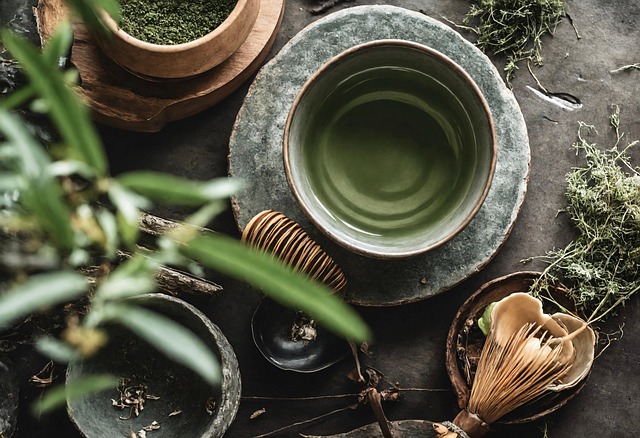
While matcha is generally considered safe for most adults when consumed in typical dietary amounts, a structured 14-day trial requires mindful self-observation. The primary active compounds—caffeine and L-theanine—can produce significant physiological effects that warrant monitoring.
During your trial, track the following parameters daily in a journal:
- Energy & Sleep Patterns: Note the timing of consumption and any subsequent jitteriness, anxiety, or insomnia. Conversely, document any improvements in sustained, calm focus.
- Gastrointestinal Response: Matcha can be astringent. Monitor for stomach upset, acid reflux, or changes in bowel habits.
- Heart Rate & Blood Pressure: If you have the means, periodic checks can identify any significant changes, as caffeine is a known stimulant.
- Medication Interactions: Be vigilant for any changes in the effects of prescription drugs, particularly those for blood pressure, heart conditions, or anxiety.
Clinical Insight: The "unexpected energy shifts" noted in the article title are often due to the variable caffeine content in matcha and individual differences in metabolism (via the CYP1A2 enzyme). What feels like a clean energy boost for one person may manifest as nervousness or tachycardia in another. This is not an inherent flaw in matcha but a reminder of biochemical individuality.
Certain individuals should consult a healthcare professional before beginning such a trial or if concerning symptoms arise. This is strongly advised for those with:
- Cardiovascular Conditions: Hypertension, arrhythmias, or a history of heart disease.
- Anxiety or Panic Disorders: Caffeine can exacerbate symptoms.
- Kidney Conditions: Matcha contains oxalates, which can contribute to kidney stone formation in susceptible individuals.
- Iron-Deficiency Anemia: The catechins in matcha can inhibit non-heme iron absorption from plant-based foods.
- Pregnancy or Breastfeeding: While moderate caffeine may be acceptable, limits should be discussed with an obstetrician.
- Those on Medications: Especially stimulants, blood thinners (like warfarin), certain antidepressants, or chemotherapy drugs, due to potential interactions.
The evidence supporting matcha's long-term health benefits is promising but mixed, often based on observational studies or lab models. While short-term metabolic and cognitive effects are more consistently documented, any dramatic claims should be viewed with caution. Discontinue use and seek medical consultation if you experience severe headaches, chest pain, pronounced palpitations, or significant digestive distress. A professional can help differentiate a normal adaptive response from an adverse reaction.
6. Questions & Expert Insights
Is the "sustained energy" from matcha real, or is it just another caffeine buzz?
The experience of sustained energy with matcha is likely a combination of its unique caffeine profile and other bioactive compounds. Unlike the rapid spike and crash often associated with coffee, matcha contains L-theanine, an amino acid that promotes relaxation without drowsiness. Clinical studies suggest that the combination of caffeine and L-theanine can improve alertness, focus, and cognitive performance while mitigating the jitteriness and anxiety that caffeine alone can cause. This synergistic effect may explain the "calm energy" many report. However, it is still a caffeine source, and individual responses vary based on tolerance, genetics, and metabolism. The evidence, while promising, is primarily from short-term studies, and the long-term effects on energy regulation are less clear.
What are the potential risks or side effects, and who should be cautious with matcha?
While generally safe for most adults in moderation, matcha does carry risks. Its caffeine content (approximately 70mg per serving) can cause insomnia, anxiety, gastrointestinal upset, palpitations, and headaches in sensitive individuals. Matcha is concentrated in bioactive compounds, and high, chronic intake may pose risks due to its vitamin K content (which can interfere with blood thinners like warfarin) and its potential to bind minerals like iron. Crucially, matcha leaves can accumulate heavy metals like lead from soil; reputable third-party testing is advised. Individuals who should exercise particular caution or avoid matcha include: those with caffeine sensitivity, anxiety disorders, cardiac arrhythmias, gastroesophageal reflux disease (GERD), iron deficiency anemia, kidney disorders, and pregnant or breastfeeding women (due to caffeine limits and contaminant concerns).
When should I talk to my doctor about incorporating matcha, and what should I discuss?
Consult your physician or a registered dietitian before making matcha a daily habit if you have a chronic health condition or take regular medications. This is especially important for individuals with cardiovascular issues, kidney disease, a history of eating disorders, or those on anticoagulants, stimulants, or medications for anxiety or blood pressure. Prepare for the conversation by bringing a list of all medications and supplements you take, noting their dosages. Be ready to discuss your typical caffeine intake from all sources (coffee, tea, soda, energy drinks) and your specific goals (e.g., "managing afternoon fatigue"). Ask about potential interactions with your conditions or medications and seek guidance on a safe daily quantity. This ensures an integrated, safe approach to your health.
Can drinking matcha for two weeks lead to meaningful, long-term health changes?
A 14-day period is sufficient to notice acute effects like changes in subjective energy, focus, or digestion, but it is far too short to assess meaningful long-term health outcomes such as reduced disease risk or sustained metabolic improvement. Most high-quality research on green tea compounds like EGCG (abundant in matcha) examines effects over months or years. While you may establish a habit and observe initial benefits, attributing significant physiological transformations to a two-week intervention is not supported by evidence. Sustainable health changes are built on consistent, long-term dietary patterns, not short-term "journeys." Viewing matcha as one component of a balanced diet, rather than a standalone solution, is a more evidence-based and responsible perspective.
7. In-site article recommendations
8. External article recommendations
9. External resources
The links below point to reputable medical and evidence-based resources that can be used for further reading. Always interpret them in the context of your own situation and your clinician’s advice.
-
examine examine.commatcha – Examine.com (search)
-
wikipedia wikipedia.orgmatcha – Wikipedia (search)
-
healthline healthline.commatcha – Healthline (search)
These external resources are maintained by third-party organisations. Their content does not represent the editorial position of this site and is provided solely to support readers in accessing additional professional information.