
1. Introduction to Berberine: Context and Clinical Relevance

Berberine is a naturally occurring alkaloid compound found in the roots, rhizomes, and stem bark of several plants, including Berberis vulgaris (barberry), Coptis chinensis (goldthread), and Hydrastis canadensis (goldenseal). For centuries, it has been a cornerstone of traditional Chinese and Ayurvedic medicine, primarily used for its antimicrobial and gastrointestinal properties. In modern clinical research, berberine has gained significant attention for its potential metabolic effects, positioning it as a subject of interest in the management of conditions like type 2 diabetes, dyslipidemia, and, more recently, appetite regulation.
The proposed mechanisms of action for berberine are complex and multi-targeted, which contributes to its broad investigational profile. Key pathways identified in preclinical and clinical studies include:
- AMPK Activation: Berberine is known to activate adenosine monophosphate-activated protein kinase (AMPK), a central cellular energy sensor. This activation can influence glucose uptake, fatty acid oxidation, and mitochondrial function.
- Glucose Metabolism: It may improve insulin sensitivity and reduce hepatic glucose production.
- Gut Microbiome Modulation: Emerging evidence suggests berberine can alter the composition of gut bacteria, which is increasingly linked to metabolic health and satiety signaling.
Regarding appetite control specifically, the evidence is more preliminary. Some human and animal studies suggest berberine may influence hormones like leptin and ghrelin and promote the release of glucagon-like peptide-1 (GLP-1), a hormone that promotes satiety. However, it is crucial to distinguish this from the stronger, more replicated evidence for its glucose- and lipid-lowering effects in individuals with type 2 diabetes and metabolic syndrome.
Clinical Perspective: From a clinical standpoint, berberine is often discussed as a potential adjunctive therapy, not a first-line or standalone treatment. Its effects on appetite are an area of active research but should not be overstated. The quality of evidence varies, with many studies being of short duration, having small sample sizes, or relying on animal models. Furthermore, individual responses can be highly variable.
Before considering berberine for any purpose, including appetite modulation, certain individuals should exercise particular caution and consult a healthcare provider. This includes:
- Pregnant or breastfeeding women.
- Individuals with known liver or kidney conditions.
- Those taking medications, especially cytochrome P450 3A4 substrates (like some statins, immunosuppressants), blood sugar-lowering drugs, or blood pressure medications, due to potential interactions.
- People with a history of hypoglycemia or eating disorders.
This chapter provides the essential scientific and clinical context for berberine, framing the subsequent personal 30-day experience within a realistic, evidence-based landscape. The following chapters will detail the observed impacts, always measured against this foundational understanding of its proven and potential effects.
2. Evidence and Mechanisms: How Berberine May Affect Appetite

Berberine's potential influence on appetite is not attributed to a single, direct mechanism like a pharmaceutical appetite suppressant. Instead, its effects are likely secondary to its well-documented actions on metabolic pathways. The evidence for appetite reduction in humans is promising but primarily derived from studies where weight loss was a secondary outcome, not the primary focus.
The most robust evidence for berberine involves its ability to improve insulin sensitivity and lower blood glucose. By activating an enzyme called AMP-activated protein kinase (AMPK), often described as a cellular "energy sensor," berberine can enhance glucose uptake in cells and improve how the body uses insulin. This stabilization of blood sugar levels may help reduce the sharp spikes and crashes that can trigger hunger and cravings, particularly for carbohydrates.
Other proposed mechanisms with more preliminary or mixed evidence include:
- Modulation of Gut Hormones: Some animal and limited human studies suggest berberine may increase levels of glucagon-like peptide-1 (GLP-1), a hormone that promotes feelings of fullness and slows stomach emptying.
- Impact on Gut Microbiota: Research indicates berberine can alter the composition of gut bacteria. Since the gut microbiome communicates with the brain via the gut-brain axis, these changes could indirectly influence appetite regulation, though this pathway is complex and not fully understood.
- Potential Effects on Fat Tissue: In laboratory studies, berberine has been shown to inhibit the differentiation of preadipocytes into mature fat cells and may influence the release of adipokines (signaling molecules from fat tissue) involved in hunger and metabolism.
Clinical Perspective: It's crucial to interpret these mechanisms with caution. While the AMPK and blood sugar effects are well-supported, the direct impact on appetite-regulating hormones in humans is less clear. The observed appetite suppression in some trials may be a beneficial side effect of improved metabolic function rather than a primary action. Furthermore, individual responses can vary significantly based on one's baseline metabolic health.
Most human trials on berberine and weight management have been of relatively short duration (3-6 months) and often conducted in specific populations, such as individuals with polycystic ovary syndrome (PCOS) or type 2 diabetes. More long-term, rigorous studies focused specifically on appetite as a primary endpoint are needed.
Who should be cautious? Individuals with pre-existing liver conditions, pregnant or breastfeeding women, and those taking medications—especially for diabetes, blood pressure, or cholesterol, due to potential interactions—should not use berberine without consulting their physician. The compound's effects on blood sugar and insulin mean dosing must be carefully managed to avoid hypoglycemia.
3. Risks and Contraindications: Who Should Avoid Berberine

While berberine is a compound of significant scientific interest, its potent biological activity necessitates a clear understanding of its safety profile. A responsible approach requires identifying individuals for whom its use is contraindicated or who should exercise extreme caution under medical supervision.
Absolute Contraindications: Who Must Avoid Berberine
Certain groups should not take berberine due to established risks:
- Pregnancy and Lactation: Berberine can cross the placenta and is present in breast milk. It has been associated with a risk of kernicterus (a type of brain damage) in newborns due to its potential to displace bilirubin. Its use is strongly contraindicated during pregnancy and breastfeeding.
- Neonates and Infants: For the same bilirubin-displacement risk, berberine should never be given to newborns or young infants.
- Individuals with Severe Liver Disease: Berberine is metabolized by the liver. While generally well-tolerated in healthy individuals, its use in those with significant hepatic impairment (e.g., cirrhosis) is not advised due to a lack of safety data and theoretical risk of exacerbating liver stress.
Significant Cautions and Drug Interactions
Berberine's most clinically significant risk stems from its interaction with prescription medications. It can inhibit enzymes in the cytochrome P450 system, particularly CYP2D6 and CYP3A4, and may affect drug transporters. This can lead to dangerously elevated blood levels of co-administered drugs.
- Cyclosporine and Tacrolimus: Berberine can markedly increase levels of these immunosuppressants, risking toxicity and organ rejection.
- Metformin and Other Diabetes Medications: Concurrent use can potentiate blood sugar-lowering effects, increasing the risk of hypoglycemia. Blood glucose must be monitored closely.
- Blood Thinners (e.g., Warfarin): Berberine may enhance anticoagulant effects, raising the risk of bleeding.
- Blood Pressure Medications: It may have an additive hypotensive effect.
- Sedatives and Metabolized Drugs: It can increase levels of many drugs processed by the liver, including certain statins, antidepressants, and antifungals.
Clinical Perspective: The drug interaction profile is the primary safety concern for clinicians. Anyone on chronic prescription medication must consult their physician or a pharmacist before considering berberine. A comprehensive medication review is essential to assess potential interactions, which may not be immediately apparent from supplement labels.
Other Considerations and Potential Side Effects
Common, typically mild, gastrointestinal side effects include constipation, diarrhea, flatulence, and stomach discomfort, which often subside with continued use. There is limited evidence suggesting berberine may affect thyroid hormone metabolism, so individuals with thyroid disorders should be monitored. Due to its mechanism of action, those with a history of hypoglycemia or eating disorders should also approach its use with caution.
The decision to use berberine should not be made in isolation. It is imperative for individuals with pre-existing medical conditions, those taking any medications, pregnant or breastfeeding women, and the elderly to seek guidance from a qualified healthcare professional to conduct a personalized risk-benefit analysis.
4. Practical Takeaways: Balanced Guidance for Berberine Use
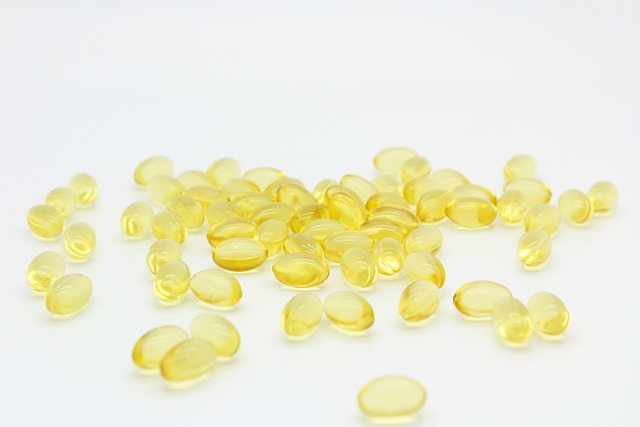
Based on the available evidence and clinical experience, berberine can be a useful adjunct for metabolic health, but its use requires a measured and informed approach. The strongest evidence supports its role in improving insulin sensitivity and modestly lowering blood glucose and lipid levels in individuals with type 2 diabetes or metabolic syndrome. Its impact on appetite, while noted in some studies and anecdotal reports, is supported by more preliminary and mixed data, often linked to its effects on metabolic hormones like GLP-1.
Key Considerations for Use
If you are considering berberine, these practical points can help guide a responsible approach:
- Dosage and Timing: A common clinical dose is 500 mg, taken two to three times daily with meals. This helps mitigate potential gastrointestinal side effects, such as cramping or diarrhea, which are the most frequently reported issues.
- Patience is Required: Berberine is not an instant solution. Its effects on metabolic parameters typically become noticeable over several weeks. A 30-day trial, as described in the broader article, is a reasonable initial period to assess personal tolerance and subtle effects on appetite or energy.
- It's an Adjunct, Not a Replacement: Berberine should not replace prescribed medications, a balanced diet, or regular physical activity. Its most appropriate role is as a complementary strategy within a broader lifestyle intervention.
Clinical Insight: From a prescribing perspective, berberine is often viewed as a natural compound with "pharmaceutical-like" activity. This means it has significant drug interactions. It can affect the metabolism of numerous medications via the CYP450 enzyme system, potentially altering their blood levels and efficacy or toxicity.
Who Should Exercise Caution?
Consulting a physician before starting berberine is highly recommended, especially for the following groups:
- Individuals taking any prescription medications, particularly blood thinners (e.g., warfarin), antiplatelet drugs, blood pressure medications, cyclosporine, or most antidepressants.
- Those with existing liver conditions, as there are rare case reports of berberine-associated liver injury.
- Pregnant or breastfeeding women, due to a lack of safety data and theoretical risks.
- Individuals with kidney disease or a history of severe gastrointestinal disorders.
The takeaway is one of cautious optimism. Berberine has a defined place in supportive metabolic management, but its use must be personalized and overseen with an awareness of its pharmacological nature and potential risks.
5. Safety Considerations: When to Consult a Healthcare Professional

While berberine is generally well-tolerated in short-term studies, it is a bioactive compound with significant physiological effects. Its use should not be considered casual or without potential risks. A foundational safety principle is that berberine is not a regulated pharmaceutical; supplement quality, purity, and dosage can vary considerably between brands.
The most common adverse effects are gastrointestinal, including cramping, diarrhea, constipation, and flatulence. These often subside with time or dose adjustment. More serious considerations involve its interactions and effects on specific organ systems.
Key Populations Requiring Medical Consultation
You must consult a healthcare professional before starting berberine if you fall into any of the following categories:
- Individuals on Prescription Medications: Berberine can inhibit enzymes in the liver (notably CYP3A4 and CYP2D6) responsible for metabolizing many drugs. This can dangerously increase blood levels of medications, including:
- Cyclosporine and tacrolimus (immunosuppressants)
- Metformin and other diabetes drugs (risk of hypoglycemia)
- Warfarin and other blood thinners (risk of bleeding)
- Certain antidepressants, statins, and antihypertensives
- Pregnant or Breastfeeding Individuals: Berberine may cross the placental barrier and has been associated with kernicterus (a type of brain damage) in newborns due to its potential to displace bilirubin. Its use is contraindicated during pregnancy and lactation.
- Individuals with Pre-existing Medical Conditions: Caution is advised for those with:
- Liver disease (due to its metabolism pathway)
- Kidney disease (potential for accumulation)
- History of hypotension or bradycardia (it may lower blood pressure and heart rate)
Clinical Perspective: From a medical standpoint, the most significant risk of berberine is its drug-interaction potential, which is often underestimated by consumers. A clinician reviewing your full medication list is essential to prevent adverse events. Furthermore, while early research on its metabolic benefits is promising, it is not a substitute for FDA-approved therapies for diabetes or cardiovascular disease unless specifically advised and monitored by your physician.
If you experience symptoms like severe gastrointestinal distress, unexplained muscle pain or weakness, yellowing of the skin or eyes (jaundice), or unusual bruising or bleeding while taking berberine, discontinue use and seek medical advice promptly. Responsible use hinges on informed, individualized decision-making in partnership with a qualified healthcare provider.
6. Questions & Expert Insights
Is berberine a proven, long-term solution for weight management?
Current evidence does not support classifying berberine as a proven, long-term solution for weight management. Several meta-analyses of randomized controlled trials show that berberine supplementation can lead to modest, statistically significant reductions in body weight and BMI compared to placebo, often in the range of 2-5 kg over 3-6 months. However, the long-term data (beyond one year) is virtually nonexistent. The mechanisms—such as AMPK activation, which may improve insulin sensitivity and influence metabolism—are promising but not fully understood in the context of sustained weight loss. Importantly, most studies are adjunctive, meaning berberine is added to lifestyle interventions. It should not be viewed as a standalone "solution." Weight management is multifactorial, and the modest effects of berberine are likely to be overshadowed without concurrent, sustainable changes in diet and physical activity.
What are the most common side effects, and who should absolutely avoid berberine?
The most frequently reported side effects are gastrointestinal, including constipation, diarrhea, flatulence, and abdominal discomfort, which often subside with continued use or dose adjustment. More serious considerations involve drug interactions and specific health conditions. Berberine is a moderate inhibitor of several cytochrome P450 enzymes (notably CYP2D6 and CYP3A4) and can increase the concentration of many medications, such as certain statins, blood thinners (e.g., warfarin), and immunosuppressants (e.g., cyclosporine). It is contraindicated in pregnancy and lactation due to the risk of kernicterus in newborns. Individuals with pre-existing liver conditions, severe kidney impairment, or those taking medications for diabetes (due to the risk of additive hypoglycemia) should avoid berberine unless under strict medical supervision. A history of hypotension or bradycardia also warrants caution.
I'm considering trying berberine. When should I talk to my doctor, and how should I prepare for that conversation?
You should consult your doctor or a registered dietitian/specialist before starting berberine, especially if you have any chronic health conditions or take regular medications. To prepare, create a concise list: 1) All current medications and supplements, including dosages. 2) Your specific health goals (e.g., "improve metabolic markers," "support appetite control"). 3) Any relevant personal or family medical history (e.g., diabetes, liver disease). 4) The specific berberine product and dosage you are considering. This allows your doctor to assess potential interactions, contraindications, and whether berberine is an appropriate adjunct to your care plan. Frame the conversation around berberine as a potential supplement to lifestyle changes, not a replacement. Ask for guidance on monitoring parameters, such as blood glucose or liver enzymes, during use.
Can berberine genuinely help control appetite, or is it a placebo effect?
The appetite control reported by some individuals is likely multifactorial and not merely a placebo effect, though psychological factors can play a role. Preclinical and some human studies suggest plausible mechanisms. Berberine may influence appetite-regulating hormones like leptin and ghrelin, though human data is inconsistent. Its potential to improve insulin sensitivity is a key factor; more stable blood glucose levels can reduce cravings and the sensation of "hunger." Furthermore, by modulating gut microbiota, berberine may increase the production of short-chain fatty acids like butyrate, which are linked to enhanced satiety. However, the evidence for direct, potent appetite suppression in humans is not as robust as for its metabolic effects. Individual responses vary significantly, and the perceived appetite control may be partially indirect—a result of improved overall metabolic feeling rather than a strong direct signal to the brain's hunger centers.
7. In-site article recommendations
8. External article recommendations
9. External resources
The links below point to reputable medical and evidence-based resources that can be used for further reading. Always interpret them in the context of your own situation and your clinician’s advice.
-
drugs drugs.comberberine – Drugs.com (search)
-
healthline healthline.comberberine – Healthline (search)
-
mayoclinic mayoclinic.orgberberine – Mayo Clinic (search)
These external resources are maintained by third-party organisations. Their content does not represent the editorial position of this site and is provided solely to support readers in accessing additional professional information.