
1. Juice Cleanses: An Evidence-Based Introduction
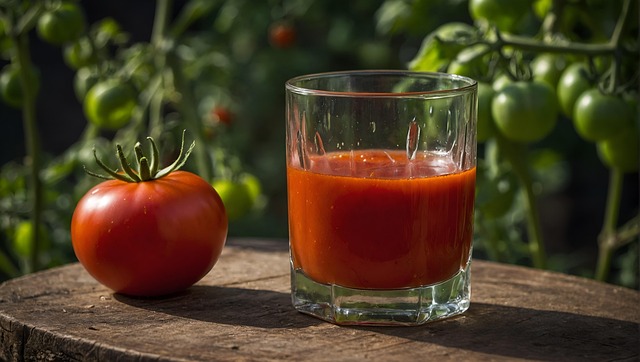
A juice cleanse, or juice fast, is a dietary regimen where an individual consumes only fruit and vegetable juices, typically for a period ranging from one to several days. The practice is often promoted for purported benefits such as "detoxification," weight loss, and a "reset" for the digestive system. From a clinical perspective, it is essential to examine these claims through the lens of human physiology and scientific evidence.
The concept of "detoxing" via juice is not supported by high-quality clinical research. The human body possesses highly efficient, endogenous detoxification systems—primarily the liver and kidneys—that function continuously. There is no robust evidence that consuming juice enhances the elimination of toxins beyond what these organs already accomplish. Any perceived effects, such as increased bowel movements, are more likely due to the high fructose and sorbitol content in some fruits, which can have an osmotic laxative effect.
Regarding weight loss, the evidence is mixed and points to significant limitations:
- Short-term loss is primarily water and glycogen: The drastic calorie restriction leads to rapid depletion of glycogen stores, which bind water. This results in quick, but largely temporary, weight reduction.
- Potential for muscle loss: Very low-protein intake during a cleanse can lead the body to break down muscle tissue for energy, which is metabolically counterproductive.
- Lack of long-term efficacy: Studies consistently show that extreme, short-term diets do not lead to sustainable weight management and often result in rebound weight gain.
Furthermore, juices lack several critical components of whole fruits and vegetables, most notably dietary fiber. Fiber is essential for gut health, blood sugar regulation, and satiety. Its absence means the natural sugars in juice are absorbed rapidly, potentially causing blood sugar spikes and crashes.
Clinical Perspective: While increasing fruit and vegetable intake is universally beneficial, isolating their juice as a sole source of nutrition for days is a different proposition. The regimen is inherently imbalanced, deficient in protein, healthy fats, and fiber. It is not a substitute for a sustained, whole-food-based dietary pattern. Individuals with diabetes, kidney disease, a history of eating disorders, or those on certain medications should avoid juice cleanses without explicit medical supervision. Even for generally healthy individuals, consulting a healthcare provider before undertaking such a restrictive protocol is a prudent step.
In summary, the evidence does not support the core "detox" rationale of juice cleanses, and their benefits for sustainable health are questionable. The following chapters will explore the practical experience and physiological side effects in greater detail.
2. Physiological Mechanisms and Scientific Evidence
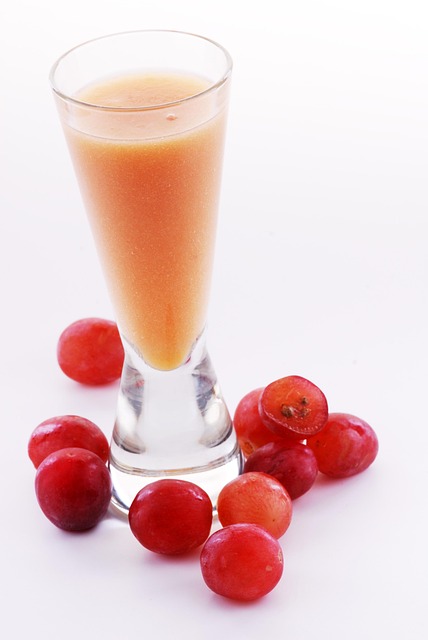
The physiological effects of a juice cleanse are primarily driven by a drastic reduction in caloric and macronutrient intake, particularly protein and fat. This state of severe calorie restriction triggers a metabolic shift. The body initially depletes its glycogen stores, leading to a rapid loss of water weight. As the fast continues, it enters a state of ketosis, where it begins to break down fat stores for energy, producing ketone bodies.
Proponents argue this process "rests" the digestive system and enhances detoxification. However, the scientific evidence for these claims is limited. The human liver and kidneys are highly efficient at detoxification without dietary intervention. There is no robust clinical evidence that juice cleanses enhance the function of these organs in healthy individuals.
The documented short-term effects are a mix of perceived benefits and adverse reactions:
- Potential Short-term Perceptions: Some individuals report increased mental clarity, which may be related to ketosis. The high intake of micronutrients and phytonutrients from fruits and vegetables can temporarily improve markers of antioxidant status.
- Common Adverse Effects: These are frequently reported and include fatigue, headaches, dizziness, irritability, and blood sugar dysregulation due to the high sugar load and lack of fiber and protein to slow absorption.
Long-term, high-quality studies on the efficacy and safety of juice cleanses are scarce. Most available data come from small, short-duration trials or anecdotal reports. There is no conclusive evidence that juice cleanses lead to sustainable weight loss, improved metabolic health, or lasting "detoxification" benefits beyond what a balanced, whole-food diet provides.
Clinical Perspective: From a physiological standpoint, a juice cleanse is a short-term, very-low-calorie diet. The initial weight loss is largely water and glycogen, not fat. The extreme restriction can also lead to muscle catabolism. Crucially, the high fructose content in fruit-heavy juices can place a metabolic burden on the liver, similar to other sources of added sugar, which is an often-overlooked risk.
Who Should Exercise Extreme Caution: Individuals with diabetes, hypoglycemia, kidney disease, eating disorders, or those who are pregnant or breastfeeding should avoid juice cleanses. Anyone on medication, especially for blood pressure or diabetes, must consult a physician, as nutrient and calorie restriction can dangerously alter medication requirements.
3. Risks, Adverse Effects, and Contraindicated Populations

While juice cleanses are often marketed for detoxification, a clinical review of the evidence reveals significant potential for adverse effects. The primary risks stem from the regimen's severe caloric restriction, lack of essential macronutrients, and high sugar load.
Common Adverse Effects
Many individuals experience predictable physiological responses to the sudden dietary shift. These are not signs of "detoxification" but rather consequences of nutrient deprivation.
- Energy Depletion and Brain Fog: The absence of protein, healthy fats, and complex carbohydrates can lead to hypoglycemia, fatigue, irritability, and impaired concentration.
- Gastrointestinal Distress: The high fructose load from fruit juices can overwhelm intestinal absorption, causing bloating, gas, and diarrhea. Conversely, the lack of fiber can disrupt normal bowel motility.
- Muscle Catabolism: With inadequate protein intake, the body may break down muscle tissue to meet its amino acid needs, leading to unintended loss of lean mass.
- Nutrient Deficiencies: Juicing removes fiber and can degrade heat-sensitive vitamins. Prolonged cleanses risk deficiencies in protein, essential fatty acids, calcium, iron, and vitamin B12.
Serious Health Risks and Contraindications
For certain populations, juice cleanses pose a direct threat to health and are strongly contraindicated. The evidence for harm in these groups is well-established.
- Individuals with Diabetes or Insulin Resistance: The rapid influx of simple sugars can cause dangerous spikes in blood glucose and insulin levels.
- Those with Kidney Disease: Some juices, particularly those high in oxalates (like spinach and beet greens), can increase the risk of kidney stone formation and exacerbate existing renal impairment.
- People with a History of Eating Disorders: The extreme restriction and "cleanse" mentality can trigger disordered eating patterns and relapse.
- Pregnant or Breastfeeding Women: These life stages require consistent, high-quality nutrition for fetal and infant development; caloric and nutrient restriction is not advised.
- Individuals on Certain Medications: Those on diuretics, diabetes medications, or blood thinners (like warfarin) can experience dangerous interactions, such as electrolyte imbalances or altered drug metabolism.
Clinical Perspective: From a physiological standpoint, the human liver and kidneys are highly efficient detoxification organs. There is no robust scientific evidence that juice cleanses enhance this process. The reported "side effects" like headaches and fatigue are more accurately interpreted as symptoms of calorie deficit and carbohydrate withdrawal, not the release of toxins. Any significant dietary change, especially one this restrictive, should be discussed with a physician or a registered dietitian to assess individual risk.
In summary, the risks of juice cleanses often outweigh any purported benefits. The regimen is inappropriate and potentially dangerous for several key populations, and even healthy individuals may experience significant negative side effects.
4. Clinical Takeaways from a 30-Day Experience

While personal anecdotes can be compelling, it is essential to contextualize a 30-day juice cleanse experience within the broader framework of clinical evidence and physiological principles. The primary takeaways should be viewed through a lens of caution and scientific scrutiny.
Evidence-Based Observations vs. Anecdotal Claims
Certain reported effects align with predictable physiological responses to a severe caloric and macronutrient deficit. Rapid initial weight loss is primarily from water and glycogen depletion, not sustainable fat loss. Feelings of heightened mental clarity or energy, often reported in the short term, may be related to ketosis or the psychological effect of a structured regimen, not a direct detoxification process. The human liver and kidneys are highly efficient at detoxification without the need for dietary interventions.
- Strong Evidence: Juice cleanses lead to micronutrient deficiencies (especially protein, fat, essential fatty acids, fiber), muscle catabolism, and metabolic adaptation (slowing).
- Limited/Mixed Evidence: Claims of "resetting" the gut microbiome or enhancing immune function lack robust, long-term human studies. Any perceived benefits are typically short-lived.
- Established Risk: Such regimens can disrupt electrolyte balance, causing dizziness, fatigue, and cardiac arrhythmias in susceptible individuals.
Clinical Perspective: From a medical standpoint, a 30-day juice cleanse is classified as a very-low-calorie diet (VLCD) and poses significant health risks. It is not a recommended strategy for weight management or health improvement. The reported "side effects"—both positive and negative—are predictable consequences of severe nutritional inadequacy, not indicators of a beneficial detox process.
Practical and Safer Alternatives
The most valuable clinical takeaway is not the protocol itself, but what it highlights about an individual's dietary habits. The experience often underscores a desire for structure and increased fruit/vegetable intake. Safer, evidence-based approaches include:
- Incorporating one daily vegetable-based juice or smoothie alongside a balanced, whole-food diet.
- Focusing on long-term dietary patterns rich in fiber, lean proteins, and healthy fats.
- Practicing mindful eating and identifying emotional or behavioral triggers related to food.
Important Contraindications and Cautions
Juice cleanses are contraindicated for many individuals and should never be undertaken without medical supervision. Those who should strictly avoid or exercise extreme caution include:
- Individuals with diabetes, kidney disease, or liver conditions.
- Those with a history of eating disorders.
- Pregnant or breastfeeding women.
- Individuals on medications, especially for diabetes, blood pressure, or blood thinners.
- Anyone with active infections or compromised immune function.
Consulting a physician or a registered dietitian is imperative before considering any extreme dietary modification. Sustainable health is built on consistent, balanced nutrition, not short-term, restrictive protocols.
5. Safety Monitoring and Indications for Medical Consultation

Engaging in a juice cleanse, even for a short period, requires vigilant self-monitoring. The body's response to a severe caloric and macronutrient restriction can be significant, and recognizing early warning signs is crucial for safety.
Key Parameters to Monitor
Daily tracking of the following can help identify adverse effects early:
- Energy and Cognitive State: Persistent, debilitating fatigue, dizziness, lightheadedness, or brain fog that interferes with daily tasks.
- Gastrointestinal Symptoms: Severe bloating, cramping, or diarrhea, which may indicate fructose malabsorption or an imbalance in gut flora.
- Cardiovascular Signs: Heart palpitations, an unusually rapid or irregular pulse, or feeling faint upon standing (orthostatic hypotension).
- Hydration and Renal Output: Dark, concentrated urine despite high fluid intake, or a significant decrease in urination frequency.
Clinical Insight: From a metabolic perspective, the body enters a state of accelerated ketosis and glycogen depletion during a strict juice fast. While some may experience this as "clarity," for others it manifests as hypoglycemic symptoms, electrolyte imbalances, and stress hormone (cortisol) elevation. Monitoring is not about pushing through discomfort but recognizing when it signals physiological distress.
Clear Indications for Medical Consultation
Discontinue the cleanse immediately and seek medical advice if you experience any of the following:
- Signs of severe hypoglycemia: confusion, sweating, tremors, or extreme weakness.
- Fainting or near-fainting episodes.
- Persistent vomiting or an inability to keep fluids down.
- Severe abdominal pain.
- Symptoms suggestive of electrolyte imbalance: muscle cramps, spasms, or heart rhythm irregularities.
Who Should Avoid Juice Cleanses or Consult a Doctor First
Evidence strongly cautions against juice cleanses for specific populations due to clear risks. A pre-emptive consultation with a physician or registered dietitian is non-negotiable for individuals with:
- Diabetes, insulin resistance, or other metabolic disorders.
- Kidney disease or a history of kidney stones.
- Liver disease.
- Electrolyte imbalances (e.g., hypo/hyperkalemia).
- A history of eating disorders.
- Those who are pregnant, breastfeeding, or under the age of 18.
- Individuals on prescription medications, especially for diabetes, blood pressure, or blood thinners.
The decision to undertake a cleanse should be informed, not impulsive. Responsible practice hinges on listening to your body's signals and understanding that ceasing the protocol is the safest choice when adverse effects arise.
6. Questions & Expert Insights
Can a juice cleanse effectively detoxify my body?
The concept of "detoxification" in the context of juice cleanses is not supported by clinical evidence. Your body has highly efficient, built-in detoxification systems—primarily the liver and kidneys—that work continuously to process and eliminate metabolic waste and toxins. There is no scientific proof that consuming only juices enhances this natural function. In fact, the extremely low protein and fat intake during a cleanse can impair the liver's ability to perform its detoxifying enzymatic processes. The perceived benefits, such as increased energy or mental clarity, are more likely attributable to a significant reduction in processed foods, caffeine, and alcohol, and increased hydration, rather than a "detox" effect. A balanced, whole-food diet consistently supports your organs far more effectively than a short-term, restrictive cleanse.
What are the most common and serious side effects or risks of juice fasting?
Common side effects include fatigue, headaches (often from caffeine withdrawal or low blood sugar), dizziness, irritability, and digestive issues like bloating or diarrhea due to the high fructose and sorbitol content in some juices. More serious risks stem from the severe nutritional inadequacy. The diet is critically low in protein, essential fatty acids, and key micronutrients like vitamin B12, iron, and calcium, which can lead to muscle catabolism, electrolyte imbalances, and impaired immune function over time. The high sugar load, even from natural sources, can cause significant blood glucose spikes and crashes, posing risks for individuals with insulin resistance or diabetes. Furthermore, the restrictive nature can trigger disordered eating patterns in susceptible individuals.
Who should absolutely avoid attempting a juice cleanse?
Several populations should avoid juice cleanses due to significant health risks. This includes individuals with diabetes or prediabetes (due to uncontrolled blood sugar swings), those with kidney disease (risk of hyperkalemia from high potassium juices), and individuals with liver disease. Pregnant or breastfeeding women require steady, ample nutrition and should not restrict calories or nutrients in this manner. People with a history of eating disorders should avoid any protocol that promotes extreme restriction. Those on certain medications (e.g., for diabetes, blood pressure, or blood thinners) may experience dangerous interactions due to dietary changes and specific juice compounds. Finally, anyone with active infections, undergoing cancer treatment, or with compromised immune function needs adequate protein and calories for recovery and defense.
When should I talk to a doctor about trying a cleanse, and how should I prepare for that conversation?
You should consult a physician or a registered dietitian before starting any restrictive dietary protocol, especially if you have any chronic health conditions, take medications, or have unexplained symptoms. To prepare for the conversation, be specific. Bring a list of your current medications and supplements. Outline the exact protocol you're considering, including the duration, types of juices, and estimated daily calorie intake. Clearly state your goals (e.g., "I want to reset my eating habits" or "I'm seeking more energy") so your provider can address them with safer, evidence-based alternatives. Be prepared to discuss your full medical history. This allows your doctor to assess risks for nutrient deficiencies, medication interactions, and metabolic impacts, and to guide you toward a sustainable, health-supportive plan that addresses your root goals without unnecessary risk.
7. In-site article recommendations
8. External article recommendations
9. External resources
The links below point to reputable medical and evidence-based resources that can be used for further reading. Always interpret them in the context of your own situation and your clinician’s advice.
-
mayoclinic mayoclinic.orgjuice cleanses – Mayo Clinic (search)
-
healthline healthline.comjuice cleanses – Healthline (search)
-
wikipedia wikipedia.orgjuice cleanses – Wikipedia (search)
These external resources are maintained by third-party organisations. Their content does not represent the editorial position of this site and is provided solely to support readers in accessing additional professional information.