
1. Introduction to Plant-Based Meal Planning and Hunger Observation

Transitioning to a plant-based dietary pattern involves a significant shift in macronutrient composition and food volume. This chapter introduces the foundational principles of structured plant-based meal planning and establishes a framework for the objective observation of hunger and satiety signals—a critical yet often overlooked component of dietary adaptation.
Evidence from systematic reviews and meta-analyses strongly supports the association of well-planned plant-based diets with positive health outcomes, including improved cardiometabolic markers. However, the practical experience of hunger management during the initial adaptation phase is less frequently documented in the literature. This creates a gap between population-level evidence and individual lived experience.
A clinically responsible approach to plant-based meal planning emphasizes:
- Adequacy: Ensuring sufficient intake of key nutrients often concentrated in animal products, such as protein, iron, vitamin B12, calcium, and omega-3 fatty acids.
- Balance: Combining complementary plant proteins (e.g., legumes with grains) and incorporating a diversity of whole foods.
- Energy Density: Understanding that plant-based meals are often higher in volume and fiber but lower in caloric density, which can initially affect perceived fullness and energy levels.
The physiological response to this shift is multifaceted. Dietary fiber increases bulk and slows gastric emptying, promoting satiety. Yet, the lower energy density may require larger meal volumes or more frequent eating to meet caloric needs, especially for active individuals. Observing personal hunger cues—distinguishing between physiological need and habitual eating—becomes an essential skill.
This 30-day observation is not a clinical trial but a structured n=1 exploration. The following chapters will detail the practical application of these principles, the documented shifts in hunger patterns, and the lessons learned, providing a realistic complement to the existing evidence base.
2. Mechanisms and Evidence for Appetite Changes on Plant-Based Diets
The subjective experience of reduced hunger or increased satiety on a well-structured plant-based diet is supported by several physiological mechanisms. Understanding these can help contextualize personal observations and separate evidence-based principles from anecdotal claims.
Key Mechanisms Influencing Satiety
Three primary, interconnected factors are strongly supported by nutritional science:
- Increased Fiber and Volume: Whole plant foods are typically high in dietary fiber and water content. This increases the physical bulk of a meal, promoting gastric distension—a direct signal of fullness to the brain. Fiber also slows gastric emptying and nutrient absorption, contributing to more stable post-meal energy levels.
- Lower Energy Density: Vegetables, fruits, legumes, and whole grains generally provide fewer calories per gram compared to many animal products and processed foods. This allows for larger, more visually satisfying portions for a similar caloric intake, which can positively influence psychological and physiological satiety cues.
- Impact on Gut Microbiota: Dietary fiber acts as a prebiotic, fermenting in the colon to produce short-chain fatty acids (SCFAs) like butyrate. Emerging evidence suggests SCFAs may influence the release of gut peptides (e.g., GLP-1, PYY) that signal satiety to the brain. This area is promising but requires more human research to fully elucidate.
Evaluating the Evidence
The evidence for these mechanisms is robust in controlled settings. Randomized trials consistently show that diets high in fiber and low in energy density promote greater satiety per calorie consumed. However, long-term data on sustained appetite changes specifically from plant-based diets is more mixed, as individual adherence, dietary quality (e.g., reliance on processed vegan foods), and baseline health status vary widely.
Clinical Perspective: The satiety benefit is most pronounced when shifting from a low-fiber, high-processed diet to one centered on whole plant foods. It is less certain if someone already consuming a high-fiber, whole-food diet will notice a significant change. Furthermore, initial increases in fiber must be gradual to avoid gastrointestinal discomfort.
It is important to note that while many experience improved appetite regulation, others may struggle with feelings of hunger if their plant-based meals lack adequate protein, healthy fats, or caloric density. Individual variance in metabolism, activity level, and gut health plays a significant role.
Who should exercise caution? Individuals with conditions affecting digestion or nutrient absorption (e.g., IBD, gastroparesis), those with a history of restrictive eating disorders, or people on specific medications should consult a physician or registered dietitian before making significant dietary changes to ensure nutritional adequacy and safety.
3. Risks, Contraindications, and Populations to Exercise Caution
While a well-planned plant-based diet is associated with significant health benefits, a rapid, unstructured transition carries specific risks. These are not reasons to avoid the approach, but rather critical considerations for a safe and sustainable implementation. The primary concerns center on nutrient deficiencies, disordered eating patterns, and pre-existing medical conditions.
Key Nutritional Vulnerabilities
Evidence strongly supports that poorly planned vegan or vegetarian diets can lead to deficiencies in several key nutrients. The most common and clinically significant are:
- Vitamin B12: Exclusively found in animal products. Deficiency can cause irreversible neurological damage and macrocytic anemia. Supplementation or consumption of fortified foods is non-negotiable.
- Iron (Heme vs. Non-Heme): Plant-based (non-heme) iron has lower bioavailability. Individuals with high iron needs (e.g., menstruating individuals) or a history of anemia must plan intake carefully and consider monitoring ferritin levels.
- Omega-3 Fatty Acids (DHA/EPA): While ALA from flax or walnuts can convert to DHA/EPA, the conversion rate in humans is inefficient. Direct sources like algae-based supplements are often recommended.
- Calcium, Vitamin D, Zinc, and Iodine: Intake can be suboptimal without conscious inclusion of fortified plant milks, certain vegetables, nuts, seeds, and iodized salt.
Populations Requiring Medical Consultation
Certain individuals should consult a physician or registered dietitian before making significant dietary changes. This is not speculative but a standard clinical precaution.
- Individuals with Chronic Kidney Disease (CKD): Plant-based diets can alter potassium and phosphorus load. Management must be individualized under nephrology guidance.
- Those with Active Gastrointestinal Disorders (e.g., IBD, IBS): A sudden high-fiber intake can exacerbate symptoms. A gradual, tailored introduction is essential.
- Pregnant or Lactating Individuals: Nutrient demands are heightened. Professional guidance is crucial to ensure adequacy for both parent and child.
- Individuals with a History of Disordered Eating: The restrictive framing of some "challenges" can trigger relapse. Focus should be on addition, not elimination, under the care of a therapist or dietitian specializing in eating disorders.
- People on Specific Medications: Those on blood thinners (e.g., warfarin) must manage vitamin K intake consistency, while those with thyroid conditions need to monitor iodine and goitrogen intake.
Clinical Perspective: The goal is not to dissuade but to empower through preparation. A "food-first" approach with strategic supplementation, guided by baseline bloodwork for at-risk individuals, mitigates most risks. The strongest evidence for benefit comes from balanced, long-term patterns, not restrictive 30-day experiments. Always prioritize a sustainable relationship with food over rigid adherence to any dietary label.
4. Practical Takeaways from a 30-Day Plant-Based Experience
A structured 30-day plant-based dietary shift provides tangible insights into hunger, satiety, and practical nutrition. The primary observation is a fundamental change in hunger cues, shifting from sharp, urgent signals to a more gradual, manageable sensation of fullness. This is largely attributed to the high volume and fiber content of whole plant foods, which increase gastric distension and slow digestion.
Key practical strategies that supported this transition include:
- Prioritizing Protein and Fiber at Every Meal: Combining legumes (beans, lentils), whole grains (quinoa, oats), and vegetables creates a satiating macronutrient and fiber matrix. Evidence strongly supports the role of dietary fiber in promoting satiety and regulating energy intake.
- Strategic Snacking: Keeping prepared options like hummus with vegetables, a handful of nuts, or edamame readily available prevents energy dips and impulsive choices.
- Hydration and Mindful Eating: Drinking water before meals and eating without distraction allowed for better recognition of true hunger versus habitual or emotional cues.
It is crucial to distinguish between anecdotal experience and established evidence. While the satiating effect of high-fiber, plant-based diets is well-documented, individual metabolic responses and long-term adherence can vary. Preliminary data suggests benefits for weight management and cardiometabolic health, but outcomes depend heavily on diet quality—a plan centered on whole foods differs significantly from one reliant on processed vegan alternatives.
Clinical Perspective: From a nutritional standpoint, this approach can effectively reset eating patterns. However, clinicians emphasize planning for key nutrients. Plant-based proteins are often incomplete, requiring conscious combination throughout the day. Special attention must be paid to vitamin B12, iron (non-heme iron, best absorbed with vitamin C), zinc, and omega-3 fatty acids (from flax, chia, or algae). A poorly planned elimination diet can lead to deficiencies.
Individuals with pre-existing conditions such as irritable bowel syndrome (IBS) may experience initial gastrointestinal discomfort from a rapid increase in fiber and should increase intake gradually. Those with a history of eating disorders, kidney disease requiring protein restriction, or who are pregnant or breastfeeding should consult a physician or registered dietitian before making significant dietary changes to ensure nutritional adequacy and safety.
The most valuable takeaway is the demonstration that hunger is malleable. A month of consistent, whole-food plant-based eating can recalibrate appetite regulation, providing a practical framework for more intentional and sustained dietary habits.
5. Safety Considerations and Indications for Medical Consultation
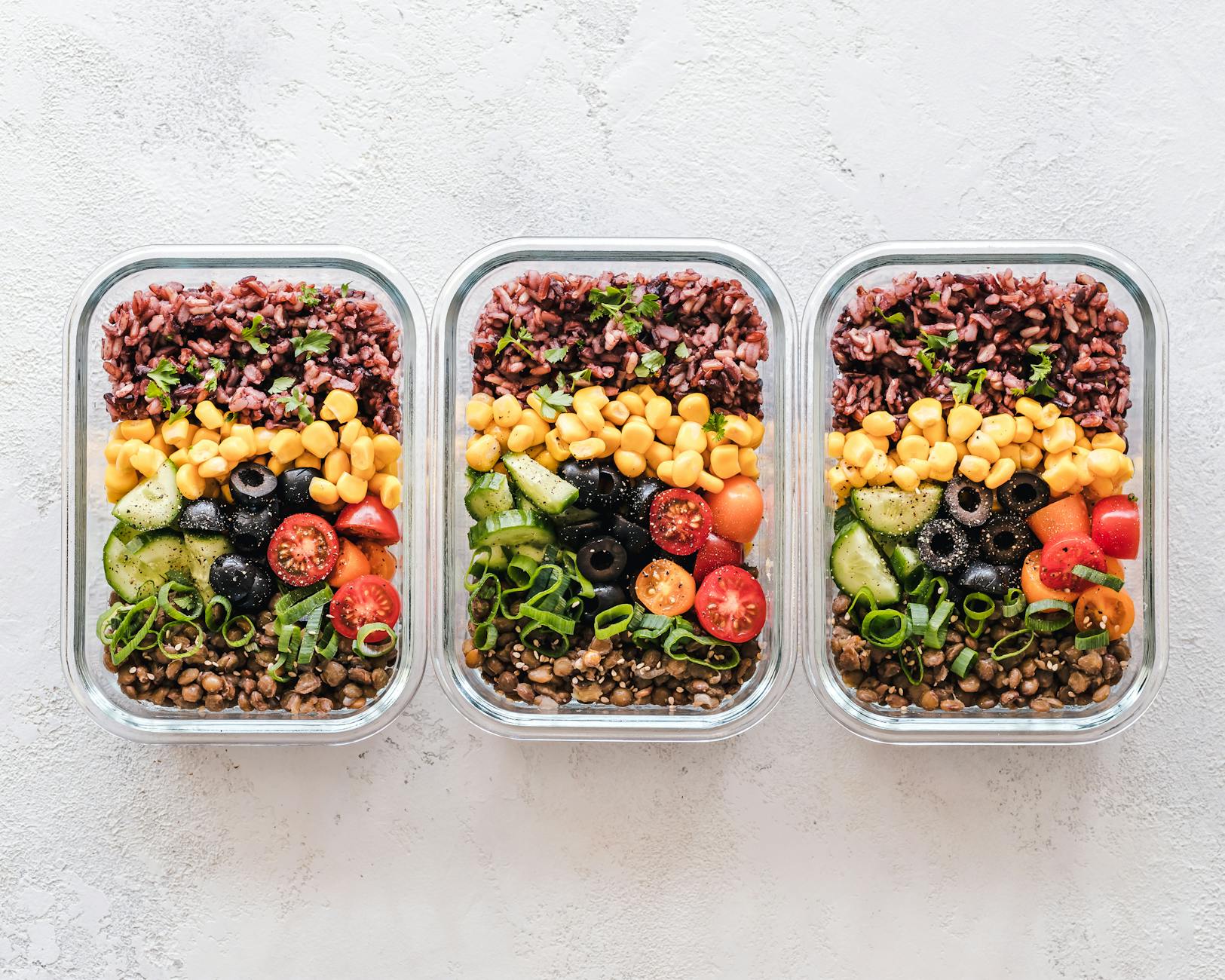
While a well-planned plant-based diet is associated with significant health benefits, including reduced risk of cardiovascular disease and type 2 diabetes, it is not a one-size-fits-all intervention. A structured 30-day shift requires careful consideration of individual health status and potential nutritional pitfalls. The evidence for long-term benefits is strong, but the evidence for the safety of rapid, self-directed transitions in specific at-risk populations is more limited.
Certain individuals should consult a physician or a registered dietitian before undertaking a significant dietary change. This is particularly crucial for those with:
- Pre-existing medical conditions: Such as chronic kidney disease, osteoporosis, or a history of eating disorders.
- Nutrient absorption issues: Including celiac disease, Crohn's disease, or prior bariatric surgery.
- Specific medication regimens: Notably blood thinners (like warfarin), where vitamin K intake must be stable, or thyroid medication, where iodine and soy intake can be relevant.
- Pregnant or breastfeeding women: Due to increased needs for iron, choline, vitamin B12, and omega-3 fatty acids.
Clinical Insight: In practice, clinicians are less concerned with the plant-based framework itself and more with the potential for unplanned restriction. A common oversight is focusing solely on removing animal products without adequately planning for key nutrients like vitamin B12, iron, calcium, zinc, and complete protein. This can lead to deficiencies that may not be apparent within 30 days but can set a problematic precedent. A proactive consultation can help map these needs.
Be attentive to your body's signals during the transition. While initial hunger shifts and changes in digestion are common, certain symptoms warrant pausing the plan and seeking medical advice. These include:
- Persistent fatigue, dizziness, or unexplained weakness.
- Significant hair loss or changes in skin integrity.
- Mental fogginess, palpitations, or shortness of breath.
- Extreme bloating, pain, or bowel habit changes that do not resolve.
Ultimately, the goal is a sustainable, nourishing pattern. A healthcare professional can provide personalized guidance, order baseline blood tests (e.g., for iron, B12, and vitamin D status), and help you adapt the plan to support your long-term health safely.
6. Questions & Expert Insights
Is it normal to feel hungrier when starting a plant-based meal plan, and does it go away?
Experiencing a shift in hunger patterns, including initial increases, is common and often relates to changes in dietary composition and volume. Plant-based meals can be higher in fiber and water content, which promotes satiety but may also lead to faster gastric emptying compared to meals with more animal protein and fat. This can sometimes result in feeling hungry again sooner. The body also requires time to adapt to a different macronutrient profile. This sensation typically subsides within 1-3 weeks as the gut microbiome adjusts and individuals learn to incorporate more satiating plant-based protein sources (like lentils, tofu, tempeh, and beans) and healthy fats (like nuts, seeds, and avocado) into each meal. Ensuring meals are balanced and calorically adequate is crucial; unintentional caloric deficit is a primary driver of persistent hunger.
What are the potential nutritional risks or side effects of a rapid shift to plant-based eating?
A rapid, unplanned shift carries risks of nutrient deficiencies, digestive discomfort, and unsustainable habits. Key nutrients requiring attention include Vitamin B12 (not found in plants), Iron (non-heme iron from plants is less readily absorbed), Omega-3 fatty acids (specifically DHA/EPA), Zinc, Calcium, and Vitamin D. Side effects often include transient bloating and gas from a sudden fiber increase. More seriously, individuals with a history of or predisposition to eating disorders should approach any restrictive dietary pattern with extreme caution, as it can trigger or exacerbate disordered eating behaviors. Those with advanced kidney disease need medical guidance on managing potassium and protein intake, and individuals on medications like warfarin must carefully manage vitamin K intake from leafy greens.
When should I talk to a doctor or dietitian before or during this change, and what should I discuss?
Consult a healthcare professional before starting if you have a chronic medical condition (e.g., diabetes, kidney disease, gastrointestinal disorders, osteoporosis), are pregnant or breastfeeding, take medications (especially for blood thinning, thyroid, or diabetes), or have a history of nutritional deficiencies or eating disorders. Schedule a follow-up if you experience persistent fatigue, dizziness, hair loss, or digestive issues after the adaptation period. For the conversation, bring a typical 3-day food log, a list of your medications and supplements, and your specific health goals. Ask about monitoring specific nutrient levels (e.g., B12, iron studies, vitamin D) via blood tests and for a referral to a registered dietitian who can provide personalized meal planning to ensure nutritional adequacy.
How strong is the evidence linking short-term plant-based plans to sustainable weight management or health benefits?
The evidence for short-term benefits like modest weight loss, improved insulin sensitivity, and lower LDL cholesterol is reasonably strong from controlled intervention studies, often attributed to reduced saturated fat intake and increased fiber. However, these studies are frequently of limited duration (weeks to months). The critical evidence gap lies in long-term sustainability and adherence for the general population. Many 30-day experiences are "reset" protocols that are not designed as permanent lifestyles. The health benefits are most robustly linked to sustained dietary patterns, not short-term experiments. Lasting success depends on integrating principles—like prioritizing whole plant foods—into a flexible, enjoyable, and nutritionally complete long-term eating style, rather than adhering to a strict, time-limited plan.
7. In-site article recommendations
8. External article recommendations
9. External resources
The links below point to reputable medical and evidence-based resources that can be used for further reading. Always interpret them in the context of your own situation and your clinician’s advice.
-
mayoclinic mayoclinic.orgplant-based meal planning – Mayo Clinic (search)
-
healthline healthline.complant-based meal planning – Healthline (search)
-
drugs drugs.complant-based meal planning – Drugs.com (search)
These external resources are maintained by third-party organisations. Their content does not represent the editorial position of this site and is provided solely to support readers in accessing additional professional information.