
1. Introduction: Framing a 30-Day Health Exploration
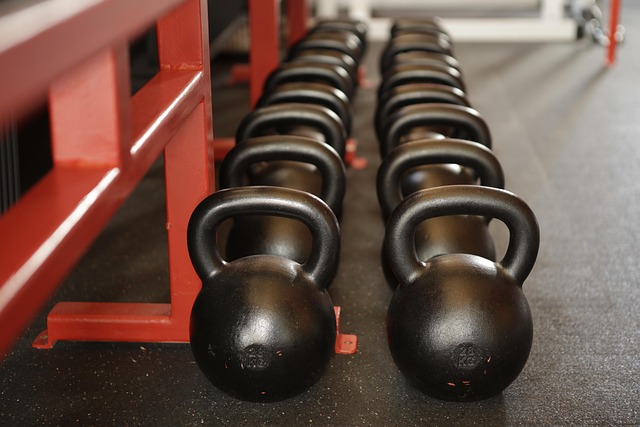
This article documents a structured, 30-day personal exploration of combining two popular health strategies: intermittent fasting (IF) and progressive weight training. The goal is not to present a universal solution or guarantee results, but to provide a detailed, objective account of the process, grounded in the available scientific literature and a realistic assessment of potential outcomes and challenges.
Intermittent fasting involves cycling between periods of eating and fasting. Common patterns include the 16:8 method (fasting for 16 hours, eating within an 8-hour window) or the 5:2 approach (eating normally for five days, significantly reducing calories on two non-consecutive days). Weight training, or resistance exercise, involves performing exercises against a force to build muscular strength, endurance, and size.
The evidence supporting these practices varies in strength and scope:
- Weight Training: The benefits of regular resistance exercise for improving body composition, increasing metabolic rate, and enhancing musculoskeletal health are strongly supported by extensive, high-quality evidence.
- Intermittent Fasting: Evidence for IF is more nuanced. Research suggests it can be an effective tool for weight loss and may improve certain metabolic markers (e.g., insulin sensitivity) in some individuals. However, much of the data comes from short-term studies, and its long-term efficacy and safety compared to traditional daily calorie restriction remain areas of active investigation.
Combining these modalities is theorized to synergistically improve body composition—potentially preserving or building lean muscle mass while reducing body fat. However, this combination requires careful management of nutrition, timing, and recovery to avoid negative outcomes like excessive fatigue, muscle loss, or impaired performance.
Clinical Perspective: A 30-day trial can offer valuable insights into adherence and initial physiological responses, but it is a very short timeframe for assessing sustained health outcomes. Clinicians emphasize that individual variability is immense; factors like genetics, starting fitness, sleep quality, and stress levels profoundly influence results. This narrative should be viewed as a single data point, not a definitive guide.
Important Precautions: This approach is not suitable for everyone. Individuals who should exercise extreme caution or avoid attempting such a protocol without direct medical supervision include:
- Those with a history of eating disorders.
- Individuals with diabetes, hypoglycemia, or other metabolic conditions.
- Pregnant or breastfeeding women.
- People with underlying kidney or liver disease.
- Anyone taking medications that require food intake or affect blood sugar.
- Adolescents and older adults with specific nutritional needs.
Consulting with a physician or a registered dietitian before making significant changes to diet and exercise patterns is a fundamental step for safe and effective personal health experimentation.
2. Evidence and Mechanisms: The Science Behind the Approach

The combination of intermittent fasting (IF) and resistance training is grounded in distinct but complementary physiological mechanisms. The primary driver for weight loss in IF is a reduction in overall caloric intake due to a shortened eating window, which can create a consistent energy deficit. This deficit, when sustained, leads to the body utilizing stored energy, primarily from adipose tissue.
Beyond simple calorie restriction, IF may influence key metabolic hormones. During the fasting period, insulin levels drop, facilitating fat mobilization. Concurrently, levels of human growth hormone (HGH) and norepinephrine can increase, which may further support fat breakdown and metabolic rate. However, it is important to note that while these hormonal shifts are well-documented in short-term studies, their long-term impact on weight loss in free-living humans is less clear and can be highly individual.
Resistance training introduces a crucial anabolic counterpoint to the catabolic state of fasting. Its primary roles in this context are:
- Preserving Lean Mass: Training under a calorie deficit signals the body to retain muscle protein, mitigating the muscle loss that often accompanies weight loss.
- Increasing Metabolic Rate: Building or maintaining muscle mass elevates basal metabolic rate, meaning the body burns more calories at rest.
- Improving Insulin Sensitivity: Muscle is a major site for glucose disposal, and resistance training enhances this function, complementing the insulin-lowering effects of fasting.
Clinical Perspective: The evidence for IF for weight loss is robust in the short to medium term (up to 12 months), showing efficacy comparable to traditional daily calorie restriction. The evidence for superior fat loss or metabolic health from combining IF with exercise is more preliminary. The synergy is logical—training protects muscle while fasting promotes fat oxidation—but large, long-term controlled trials are limited. The most successful approach is likely the one an individual can adhere to consistently.
It is critical to acknowledge limitations and safety. Individuals with a history of eating disorders, diabetes (especially on insulin or sulfonylureas), pregnant or breastfeeding women, and those with significant metabolic or kidney disease should avoid IF without explicit medical supervision. Even healthy individuals should ensure their eating window contains sufficient protein and nutrients to support recovery from training.
3. Risks and Contraindications: Identifying Vulnerable Populations
While intermittent fasting (IF) combined with weight training can be a structured approach for some, it is not a universally safe or appropriate strategy. A clinically responsible assessment requires identifying populations for whom this regimen poses significant risks. The evidence supporting IF is largely derived from studies on generally healthy, often overweight, adults; its applicability and safety in other groups are not well-established.
Absolute and Strong Contraindications
Certain individuals should avoid this combined protocol unless under direct, specialist medical supervision. Key groups include:
- Individuals with a history of eating disorders: Structured fasting can trigger disordered eating patterns and relapse.
- Pregnant or breastfeeding individuals: Caloric and nutrient demands are significantly higher during these periods; fasting is not advised.
- People with type 1 diabetes or insulin-dependent type 2 diabetes: Fasting drastically increases the risk of dangerous hypoglycemia (low blood sugar) and complicates medication management.
- Those with advanced kidney or liver disease: The metabolic stress of fasting and increased protein metabolism from training can exacerbate these conditions.
Populations Requiring Medical Consultation
Others should seek guidance from a physician or registered dietitian before attempting a 30-day IF and training plan. This includes individuals with:
- Type 2 diabetes on glucose-lowering medication: Dosage adjustments are often necessary to prevent hypoglycemia.
- Hypertension or cardiovascular disease: Electrolyte shifts and dehydration risk during fasting may affect blood pressure and medication efficacy.
- GERD (acid reflux) or peptic ulcers: An empty stomach can worsen symptoms.
- Compromised immune function or active infection: The body requires adequate energy to mount an effective immune response.
- Children and adolescents: Their nutritional needs for growth and development are non-negotiable.
Clinical Perspective: The combination of a fasting window and intense resistance training creates a significant metabolic and hormonal stressor. For vulnerable individuals, this stress can outweigh potential benefits and lead to adverse outcomes like severe nutrient deficiencies, loss of lean mass, hormonal dysregulation, or injury. A pre-existing condition does not automatically disqualify someone, but it necessitates a personalized, medically supervised plan rather than a self-directed 30-day protocol.
In summary, the decision to undertake such a regimen must be preceded by an honest health assessment. The strongest evidence for safety and efficacy exists for non-pregnant, non-elderly adults without the conditions listed above. For anyone in a risk category, consulting a healthcare provider is an essential first step.
4. Practical Takeaways: Implementing a Clinically Sound Plan
Based on the available evidence and clinical experience, implementing a combined intermittent fasting (IF) and resistance training regimen requires a structured, patient-centered approach. The goal is to leverage potential benefits for body composition and metabolic health while minimizing risks of muscle loss, nutrient deficiency, and unsustainable habits.
Structuring Your Approach
Begin by selecting an IF protocol supported by stronger evidence for adherence and safety, such as a 12- to 16-hour daily eating window. Align your eating window with your training schedule; consuming protein and carbohydrates in the post-exercise period is well-supported for muscle protein synthesis and recovery. A practical weekly structure might involve:
- Training Days: Schedule resistance training during your eating window or shortly before it opens.
- Non-Training Days: Maintain the fasting window but prioritize protein and vegetable intake during your meals.
- Hydration: Consume water, black coffee, or plain tea during fasting periods. This is a standard, evidence-based practice to manage hunger and maintain hydration.
Clinical Insight: The evidence for superior fat loss with IF compared to traditional daily calorie restriction is mixed. The primary clinical advantage often lies in its structure, which can simplify dietary decision-making for some individuals. However, it is not a metabolic "hack"; creating a consistent calorie deficit remains the fundamental driver of weight loss.
Nutritional and Training Priorities
Within your eating window, nutritional quality is paramount. The limited time makes every meal count.
- Protein: Distribute a target of 1.6–2.2 grams per kilogram of body weight across your meals. This is strongly supported by research to preserve lean mass during calorie restriction.
- Training Focus: Maintain or slightly increase training volume and intensity. Progressive overload is the non-negotiable stimulus for muscle maintenance. Consider a focus on compound movements (e.g., squats, presses, rows).
- Monitoring: Track body weight, strength metrics, and energy levels weekly. A sustained drop in performance or excessive fatigue may indicate an unsustainable calorie deficit or poor recovery.
Essential Cautions and Contraindications
This combined approach is not appropriate for everyone. Strongly consider consulting a physician or registered dietitian before starting if you have:
- A history of disordered eating.
- Diabetes, especially if using insulin or sulfonylureas (due to hypoglycemia risk).
- Pregnancy, are trying to conceive, or are breastfeeding.
- Adrenal insufficiency or a history of significant stress-related health issues.
Discontinue and seek medical advice if you experience dizziness, severe lethargy, irregular heartbeat, or a significant decline in mood.
5. Safety Considerations: When to Seek Medical Guidance
While many individuals experience positive outcomes from combining intermittent fasting (IF) with weight training, this approach is a significant metabolic and physiological stressor. It is not universally safe, and a proactive, medically-informed approach is essential to mitigate risks. The evidence for IF's benefits in healthy, non-pregnant adults is promising but not definitive, and data on its interaction with intense resistance training over the long term is limited.
Certain populations should exercise extreme caution and consult a physician or registered dietitian before initiating this protocol. This is not an exhaustive list, but key groups include:
- Individuals with pre-existing metabolic conditions: Those with diabetes (especially Type 1 or insulin-dependent Type 2), hypoglycemia, or adrenal insufficiency require careful blood glucose and medication management, as fasting can precipitate dangerous lows.
- Individuals with a history of eating disorders: The structured eating windows and focus on restriction can trigger disordered eating patterns or relapse.
- Pregnant or breastfeeding individuals: Nutritional demands are significantly higher during these periods, and caloric or nutrient restriction is contraindicated.
- Those with kidney or liver disease: Increased protein intake from weight training, coupled with potential dehydration during fasting windows, can exacerbate strain on these organs.
- Individuals on specific medications: This includes diuretics, blood pressure medications, and drugs metabolized by the liver. Timing and dosage may need adjustment.
- Underweight individuals or those with nutrient deficiencies: Further caloric restriction can compromise immune function and bone health.
Clinical Perspective: From a medical standpoint, the combination of a catabolic state (fasting) with an anabolic demand (muscle repair from training) creates a complex hormonal environment. Clinicians look for warning signs like excessive fatigue, dizziness, disrupted sleep, irritability, or a significant decline in training performance. These are not signs of "adaptation" but potential indicators of undue stress, inadequate energy intake, or micronutrient shortfalls. A pre-participation health screening is a prudent first step.
Even for those without obvious contraindications, it is prudent to monitor your body's signals. Seek immediate medical guidance if you experience symptoms such as fainting, chest pain, palpitations, severe headaches, or signs of severe dehydration. More broadly, schedule a consultation with a healthcare provider to discuss your plan if you have any chronic health condition, are taking regular medication, or are over the age of 45 with a sedentary history.
Ultimately, the safety of this 30-day journey hinges on personalization and professional oversight. The strongest evidence supports gradual implementation and close self-monitoring, while acknowledging the limitations of short-term, self-reported n=1 experiments. Starting with medical clearance provides a foundation for a safer and more sustainable exploration.
6. Questions & Expert Insights
Is intermittent fasting more effective for fat loss than simply eating fewer calories?
The evidence suggests that the primary driver of fat loss is a sustained calorie deficit, regardless of meal timing. Some studies indicate that intermittent fasting (IF) can be an effective tool for achieving this deficit, as the restricted eating window may naturally lead to reduced calorie intake for some individuals. However, other well-controlled trials show no significant difference in fat loss between IF and traditional daily calorie restriction when protein and total calories are matched. The potential benefit of IF may lie in adherence; some people find the structured schedule easier to follow than constant portion control. It is not a metabolically "superior" approach, but rather a different behavioral strategy that may suit certain lifestyles.
What are the potential risks or side effects, and who should avoid intermittent fasting?
Common initial side effects include hunger, irritability, headaches, and fatigue, which often subside as the body adapts. More concerning risks involve the exacerbation of underlying conditions. Intermittent fasting is generally not advised for individuals with a history of eating disorders, as the restrictive pattern can trigger disordered behaviors. It is also contraindicated for those with type 1 diabetes, advanced type 2 diabetes, or who are on certain medications (like insulin or sulfonylureas) due to severe hypoglycemia risk. Pregnant or breastfeeding individuals, children, adolescents, and those with significant nutrient deficiencies or unstable medical conditions should avoid this approach without direct medical supervision.
When should I talk to my doctor before starting an IF and training regimen, and what should I discuss?
Consult a physician or a registered dietitian before starting if you have any chronic health condition (e.g., diabetes, hypertension, kidney disease, gastroesophageal reflux disease), are on regular medication, or are pregnant. Come prepared to discuss your specific plan (e.g., 16:8 method, training schedule) and your goals. Bring a list of all medications and supplements. Key discussion points should include: how your regimen might affect your condition or medication efficacy (e.g., timing of drugs that require food), monitoring needs (like more frequent blood glucose checks), and identifying warning signs (e.g., dizziness, excessive fatigue) that warrant stopping. This ensures any dietary changes are safely integrated into your overall health management.
Can intermittent fasting and weight training lead to muscle loss?
This is a valid concern, as the body can use muscle protein for energy during a fast. However, research indicates that when combined with consistent resistance training and adequate protein intake concentrated in the eating window, muscle mass can be preserved and even increased. The critical factors are total daily protein intake (aiming for 1.6-2.2 grams per kilogram of body weight) and the stimulus from training. The anabolic response to a meal is heightened after a fasted training session for some individuals, but the overall 24-hour protein synthesis balance matters most. For those in a significant calorie deficit, some muscle loss is possible, but strategic nutrition and training can minimize it.
7. In-site article recommendations
8. External article recommendations
Related Resources
9. External resources
The links below point to reputable medical and evidence-based resources that can be used for further reading. Always interpret them in the context of your own situation and your clinician’s advice.
-
examine examine.comintermittent fasting – Examine.com (search)
-
mayoclinic mayoclinic.orgintermittent fasting – Mayo Clinic (search)
-
healthline healthline.comintermittent fasting – Healthline (search)
These external resources are maintained by third-party organisations. Their content does not represent the editorial position of this site and is provided solely to support readers in accessing additional professional information.