
1. Introduction to Moringa Oleifera and the 30-Day Supplement Context

Moringa oleifera, often termed the "drumstick tree" or "miracle tree," is a plant native to parts of Africa and Asia. Its leaves, seeds, and pods have been integral to traditional medicine systems for centuries, used for a wide range of purported health benefits. In modern contexts, moringa is commonly consumed as a dried leaf powder or in standardized capsule form as a dietary supplement.
The nutritional profile of moringa leaf powder is a primary basis for its popularity. It is a source of:
- Vitamins: Notably vitamin A (as beta-carotene), vitamin C, and some B vitamins.
- Minerals: Including calcium, potassium, and iron.
- Bioactive Compounds: Such as flavonoids (e.g., quercetin) and phenolic acids, which have demonstrated antioxidant properties in laboratory studies.
However, it is crucial to distinguish between the established nutrient content and the clinical evidence for specific health outcomes. While in vitro and animal studies suggest potential anti-inflammatory, antioxidant, and blood-glucose-modulating effects, high-quality human clinical trials are limited, often small in scale, or of short duration. The evidence for moringa's benefits in humans remains preliminary and should be interpreted with caution.
Expert Insight: Clinicians view moringa primarily as a nutrient-dense food source. Its promotion as a therapeutic agent for conditions like hypertension or diabetes is not yet strongly supported by robust human data. The supplement industry often extrapolates from promising but preliminary research. A 30-day self-experiment can document subjective experiences but cannot establish causation or long-term efficacy.
This 30-day documentation aims to provide a structured, objective account of supplementing with standardized moringa leaf capsules. The context is one of personal observation, not a controlled clinical study. Parameters to be monitored include subjective energy levels, digestive changes, and general well-being, while acknowledging the significant role of placebo effects and concurrent lifestyle factors.
Important Precautions: Certain individuals should exercise caution and consult a physician before using moringa supplements. This includes:
- Pregnant or breastfeeding women (due to potential uterine stimulant effects).
- Individuals on medications for diabetes, hypertension, or thyroid conditions, as moringa may interact with them.
- Those with known allergies to the plant.
- People with kidney issues, as high mineral content may be a concern.
The following chapters will detail the daily protocol, documented observations, and a balanced analysis of the results within the context of the available scientific literature.
2. Scientific Evidence and Mechanisms of Action for Moringa Supplements

Moringa oleifera, often called the drumstick tree, has been used in traditional medicine for centuries. Modern scientific inquiry focuses on its dense nutritional profile and bioactive compounds, which include vitamins (A, C, E), minerals (calcium, potassium), and potent phytochemicals like flavonoids (quercetin, kaempferol) and glucosinolates (isothiocyanates). The proposed mechanisms of action for its health effects are primarily attributed to these compounds' antioxidant and anti-inflammatory properties.
Evidence for Key Health Claims
The strength of evidence varies significantly across different health outcomes:
- Antioxidant & Anti-inflammatory Effects: This is the most robustly supported area. Numerous in vitro and animal studies, along with some small human trials, demonstrate that moringa extracts can reduce markers of oxidative stress (like malondialdehyde) and inflammation (like C-reactive protein). These mechanisms are foundational for many of its other purported benefits.
- Blood Glucose Regulation: Evidence is promising but preliminary. Several randomized controlled trials in people with type 2 diabetes show moringa leaf powder can modestly lower fasting and postprandial blood glucose levels. The mechanism may involve slowed carbohydrate absorption and improved insulin sensitivity. However, larger, longer-term studies are needed.
- Cholesterol Management: Data is mixed. Some human studies report reductions in total and LDL ("bad") cholesterol, while others show no significant effect. The evidence is not yet conclusive enough to recommend it as a standard therapy for hyperlipidemia.
- Other Areas (Energy, Immunity, Weight Management): Claims in these areas are largely based on its nutritional content and antioxidant capacity rather than direct, high-quality human trials. While improved nutrient status can support overall vitality, specific, dramatic results are not guaranteed by the current evidence.
Clinical Perspective: From an evidence-based viewpoint, moringa is best considered a nutrient-dense botanical supplement with meaningful antioxidant potential. Its most credible near-term application is supporting general nutritional status and mitigating oxidative stress. It should not be viewed as a replacement for proven medical therapies for chronic conditions like diabetes or heart disease.
Important Cautions and Contraindications
Given its biological activity, certain individuals should exercise caution:
- Medication Interactions: Moringa may lower blood pressure and blood sugar. Those on antihypertensive or antidiabetic drugs must consult a physician, as it could potentiate these effects and lead to hypotension or hypoglycemia.
- Pregnancy: The root and bark contain compounds that may stimulate uterine contractions and are not considered safe during pregnancy. While leaf extracts are often considered safer, medical advice is essential.
- Surgery: Due to its potential effects on blood pressure and glucose, it is typically advised to discontinue use at least two weeks before any scheduled surgical procedure.
As with any supplement, the quality and concentration of bioactive compounds can vary widely between products, affecting both potential benefits and risks.
3. Potential Risks and Populations Who Should Avoid Moringa Capsules

While moringa is often promoted for its nutritional density, a responsible evaluation requires a clear understanding of its potential adverse effects and contraindications. The evidence for many of these risks is primarily based on animal studies, traditional use reports, and known pharmacological actions of its compounds, rather than large-scale human trials. This underscores the importance of caution, particularly for specific populations.
Documented and Potential Adverse Effects
Reported side effects are typically mild and gastrointestinal, such as nausea, diarrhea, or heartburn, especially when taken on an empty stomach or at high doses. More significant concerns arise from moringa's physiological effects:
- Hypoglycemic and Hypotensive Action: Moringa may lower blood sugar and blood pressure. For individuals with diabetes or hypertension on medication, this can potentiate drug effects, leading to dangerous hypoglycemia or hypotension.
- Uterine Stimulation: Laboratory and animal studies suggest moringa root and bark extracts can cause uterine contractions. This poses a theoretical risk of miscarriage.
- Antinutrient Content: The leaves contain compounds like tannins and oxalates, which in very high, chronic consumption could interfere with mineral absorption.
Clinical Insight: In practice, the greatest risk I observe is not from moringa itself, but from its interaction with prescribed regimens. Patients on antihypertensives, antidiabetics (especially insulin or sulfonylureas), or thyroid medication must consult their doctor, as moringa can alter the required dosage and monitoring parameters. Self-supplementation without disclosure can complicate clinical management.
Populations Who Should Avoid or Use Extreme Caution
Based on the mechanisms above, the following groups should avoid moringa capsules or only use them under direct medical supervision:
- Pregnant Women: Due to the uterine activity associated with certain plant parts, moringa is contraindicated during pregnancy as a precautionary measure.
- Individuals on Medications for Diabetes, Blood Pressure, or Thyroid: The risk of interaction is significant and requires careful monitoring.
- Those with Kidney Issues: The oxalate content, while generally low in leaf preparations, may be a concern for individuals prone to oxalate-based kidney stones.
- People Preparing for Surgery: Due to its potential effects on blood sugar and blood pressure, it is advisable to discontinue use at least two weeks prior to any scheduled surgical procedure.
- Individuals with Known Allergies to Plants in the Moringaceae Family.
The foundational principle is that "natural" does not equate to "risk-free." Anyone considering moringa supplementation, particularly those with pre-existing conditions or who are taking medications, must discuss it with a qualified healthcare provider to assess individual risk and avoid unintended consequences.
4. Practical Takeaways from a Documented 30-Day Moringa Trial
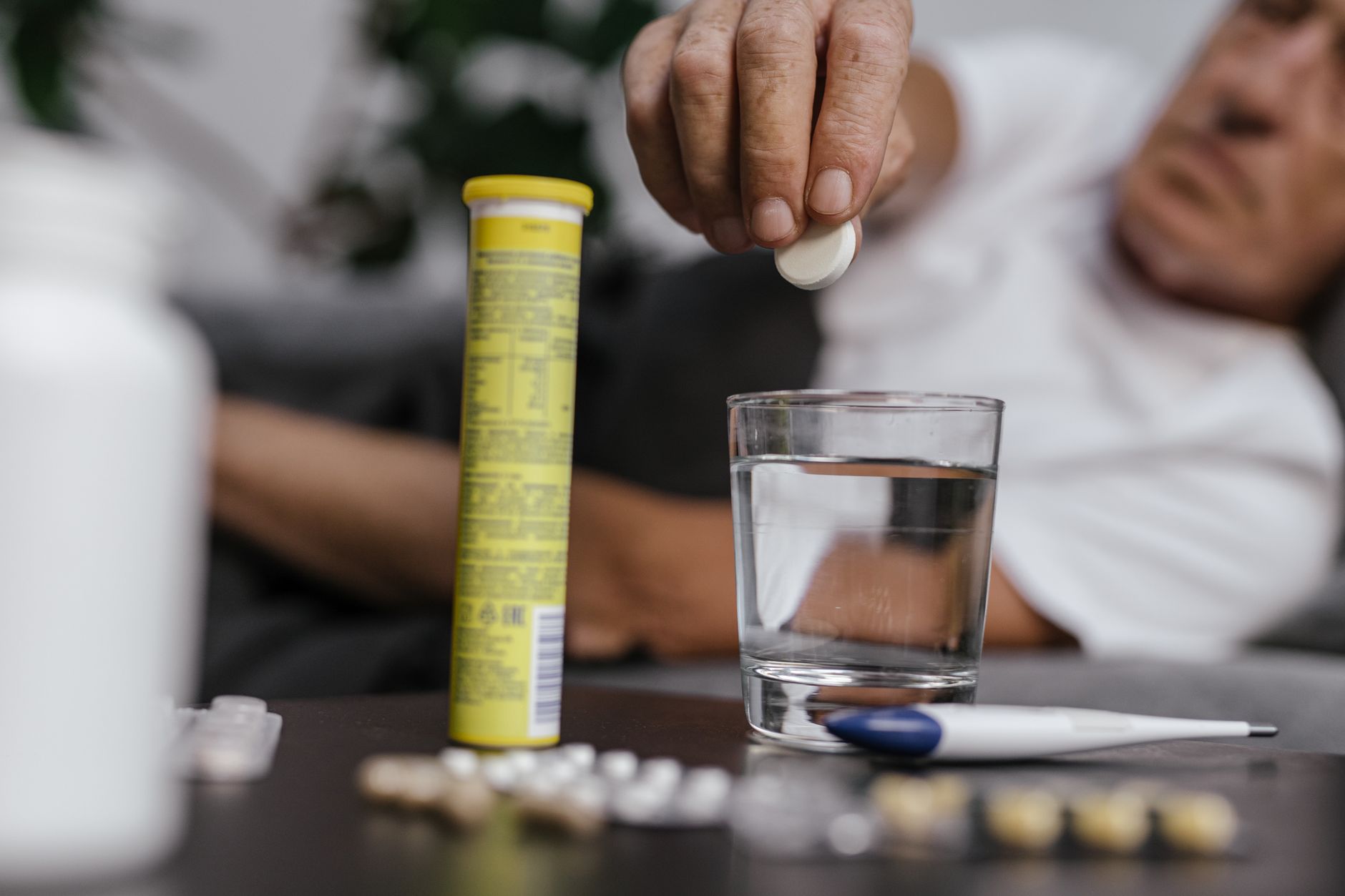
A structured, 30-day trial of moringa oleifera capsules can provide personal insights into how this supplement fits into a health regimen. The following takeaways are derived from a documented, n=1 experiment and should be contextualized within the broader scientific evidence, which ranges from promising to preliminary.
Key Observations and Clinical Context
The most commonly reported subjective effects from such a trial often include a subtle increase in perceived energy levels and digestive regularity. It is critical to interpret these findings cautiously:
- Energy & Vitality: Anecdotal reports of reduced afternoon fatigue are common. This may be linked to moringa's micronutrient density (iron, B vitamins) and antioxidant content. However, robust clinical trials confirming a significant energy boost in well-nourished populations are limited.
- Digestive Function: The high fiber content in moringa leaf powder may support bowel regularity. This effect is biologically plausible and aligns with the known benefits of dietary fiber.
- Biomarker Changes: While some small studies suggest moringa may support healthy blood glucose and lipid profiles, changes in these biomarkers within a 30-day window in an otherwise healthy individual are often minimal and should not be expected without concurrent lifestyle modifications.
Expert Insight: Clinicians view n=1 trials as hypothesis-generating, not conclusive. A perceived benefit could be due to the placebo effect, concurrent lifestyle changes, or natural variation. The value lies in disciplined observation—noting any effects, side effects, and consistency. This self-monitoring can inform a more productive conversation with a healthcare provider.
Actionable Recommendations
If considering a similar personal trial, a methodical approach is advised:
- Standardize Dosage & Timing: Choose a reputable brand with verified purity. A common starting dose is 1-2 grams daily. Take consistently with a meal to enhance absorption and minimize potential gastric upset.
- Maintain a Simple Log: Briefly note energy, digestion, sleep, and overall well-being daily. Avoid over-interpreting day-to-day fluctuations; look for trends over weeks.
- Establish a Baseline: Note your pre-trial state. Without a baseline, attributing any change solely to the supplement is unreliable.
Important Cautions and Contraindications
Moringa is not appropriate for everyone. Consultation with a physician is strongly recommended prior to starting, particularly for:
- Individuals on medications for diabetes, hypertension, or thyroid conditions, as moringa may potentiate effects.
- Pregnant women, due to compounds in the root and bark that may stimulate uterine contractions (leaf safety data is less clear).
- Those with known allergies to plants in the Moringaceae family.
- Individuals with kidney issues, as high mineral content may be a concern.
In summary, a 30-day trial can offer personalized data points but must be framed by realistic expectations and a priority on safety. It serves as a complement to, not a replacement for, evidence-based lifestyle medicine.
5. Safety Guidelines and When to Consult a Healthcare Professional

While moringa is generally considered safe for most people when consumed in typical food amounts, using concentrated supplements like capsules requires a more cautious approach. The evidence for the safety of long-term, high-dose supplementation is limited, and individual health status significantly influences risk.
Before starting any new supplement regimen, including moringa, it is a fundamental safety practice to consult with a physician or a registered dietitian. This is especially critical for individuals with pre-existing conditions or those taking other medications.
Key Populations for Caution
The following groups should exercise particular caution and seek professional medical advice before using moringa capsules:
- Pregnant and Breastfeeding Individuals: Moringa root and bark extracts may contain compounds that could stimulate uterine contractions. While moringa leaves are used traditionally for nutrition, the safety of concentrated supplements during pregnancy and lactation is not well-established.
- Individuals with Thyroid Conditions: Moringa contains compounds that may influence thyroid hormone metabolism. Those with hypothyroidism, hyperthyroidism, or on thyroid medication (e.g., levothyroxine) should consult an endocrinologist to avoid potential interactions.
- People Taking Medications for Diabetes or Blood Pressure: Preliminary studies suggest moringa may have hypoglycemic and hypotensive effects. Concurrent use with diabetes or blood pressure medications could potentiate these effects, leading to dangerously low blood sugar or blood pressure levels.
- Individuals with Kidney Concerns: Moringa is high in certain antioxidants and potassium. For those with compromised kidney function, excessive intake could contribute to hyperkalemia (high potassium levels), a serious condition.
- Those on Blood Thinners (Anticoagulants): Moringa contains vitamin K and other compounds that may affect blood clotting. This could interfere with the efficacy of drugs like warfarin.
Clinical Perspective: From a healthcare provider's viewpoint, moringa is not a regulated pharmaceutical. Its potency, purity, and exact compound profile can vary significantly between brands. We lack large-scale, long-term human trials to definitively establish a safety profile for supplemental doses. Therefore, the principle of "start low and go slow" applies, and it should be viewed as a potential adjunct, not a replacement, for evidence-based medical treatments.
Recognizing Adverse Reactions
Discontinue use and consult a healthcare professional if you experience symptoms such as:
- Significant gastrointestinal upset (nausea, diarrhea, heartburn).
- Unexplained dizziness, lightheadedness, or signs of low blood sugar (shakiness, sweating).
- Skin rash or allergic reaction.
In summary, while moringa capsules may offer potential benefits, a responsible approach prioritizes safety. A professional consultation is the most reliable step to ensure this supplement aligns with your personal health profile and does not conflict with your current medical management.
6. Questions & Expert Insights
Can I expect the same results from taking moringa capsules as described in personal testimonials?
Personal testimonials, while compelling, are not a substitute for clinical evidence. Individual results can vary dramatically based on factors like baseline nutritional status, diet, lifestyle, genetics, and the specific product's quality and bioavailability. The documented benefits of moringa in human studies are often modest and measured in specific biomarkers (e.g., blood sugar, inflammation markers) rather than dramatic, life-changing transformations. Many studies are small, short-term, or conducted in populations with specific deficiencies. It is important to approach personal journeys as anecdotal data points. A realistic expectation is that moringa may serve as a nutritional adjunct within a balanced diet, not a standalone solution for health goals.
What are the potential risks or side effects of taking moringa capsules, and who should avoid them?
Moringa is generally well-tolerated, but potential side effects include digestive upset (gas, bloating, diarrhea), especially at high doses. More importantly, specific groups should exercise extreme caution or avoid it entirely. Due to its potential hypoglycemic and hypotensive effects, individuals with diabetes or low blood pressure must monitor their levels closely, as moringa may amplify medication effects. The root and bark contain alkaloids that may be toxic in high amounts and should be avoided; reputable capsules use leaf powder. Pregnant women should avoid moringa, as certain compounds may stimulate uterine contractions. Those with thyroid disorders should consult a doctor, as moringa may influence thyroid hormone metabolism. Anyone on blood-thinning medications (e.g., warfarin) should avoid it due to its vitamin K content.
When should I talk to my doctor before starting moringa, and what should I discuss?
You should consult a physician or a registered dietitian before starting moringa if you have any chronic health condition (especially diabetes, hypertension, thyroid disorders, or kidney/liver disease), are pregnant or breastfeeding, or are taking any regular medications. This is crucial to assess potential interactions and avoid adverse effects. Come to the appointment prepared. Bring the specific moringa product's supplement facts label, noting the dosage and any other ingredients. Provide a complete list of all your medications and supplements. Be ready to discuss your specific health goals for taking it (e.g., "I want to lower inflammation" or "address low energy"). This allows your provider to give personalized, safe advice and potentially monitor relevant biomarkers.
How does the evidence for moringa's benefits compare to simply improving my diet?
The evidence supporting a diet rich in diverse vegetables, fruits, whole grains, and lean proteins is overwhelmingly strong and consistent for long-term health promotion and disease prevention. In comparison, the evidence for moringa capsules is preliminary and narrower in scope. While moringa leaf is nutritious, consuming it in isolated, dried capsule form may not provide the same synergistic benefits as whole foods. Focusing on foundational dietary improvements should always be the first and primary strategy. Moringa capsules could be considered a supplemental "boost" for specific nutrients or phytochemicals, but they cannot compensate for a poor diet. Investing effort into dietary quality typically yields broader, more sustainable, and better-evidenced results than relying on any single supplement.
7. In-site article recommendations
8. External article recommendations
9. External resources
The links below point to reputable medical and evidence-based resources that can be used for further reading. Always interpret them in the context of your own situation and your clinician’s advice.
-
wikipedia wikipedia.orgMoringa oleifera – Wikipedia (search)
-
mayoclinic mayoclinic.orgMoringa oleifera – Mayo Clinic (search)
-
examine examine.comMoringa oleifera – Examine.com (search)
These external resources are maintained by third-party organisations. Their content does not represent the editorial position of this site and is provided solely to support readers in accessing additional professional information.