
1. Introduction: A 30-Day Clinical Perspective on Moringa and Gut Health
This chapter provides a structured, evidence-based introduction to the potential relationship between Moringa oleifera supplementation and gastrointestinal health. The "30-day journey" format is a narrative device to explore the existing scientific literature, translating preclinical findings and limited human trials into a practical, month-long observational framework. It is crucial to distinguish between promising biochemical mechanisms and established clinical outcomes.
Moringa, often termed the "drumstick tree" or "miracle tree," is a nutrient-dense plant. Its leaves, pods, and seeds are rich in:
- Vitamins (A, C, some B vitamins)
- Minerals (calcium, potassium, iron)
- Bioactive compounds (polyphenols like quercetin, chlorogenic acid, and isothiocyanates)
From a clinical perspective, the interest in moringa for gut health stems primarily from its anti-inflammatory and antioxidant properties. Chronic, low-grade inflammation is a known contributor to various functional gut disorders. Laboratory and animal studies suggest moringa extracts may modulate gut microbiota and strengthen the intestinal barrier, but human data remains preliminary.
Expert Insight: When evaluating any supplement for gut health, clinicians look for two lines of evidence: 1) a plausible mechanism of action, and 2) reproducible results from well-designed human trials. For moringa, we have a reasonable amount of the former but a significant shortage of the latter. A 30-day self-observation can be informative on an individual level but does not substitute for controlled research.
This exploration will critically examine the state of the evidence, separating strong findings from hypotheses. Key areas of focus will include potential effects on digestion, bloating, and bowel regularity, while consistently highlighting the limitations of current knowledge.
Important Considerations Before Proceeding:
- Individuals with kidney issues should exercise caution due to moringa's mineral content.
- Those on medications for diabetes, hypertension, or thyroid conditions should consult a physician, as moringa may interact with these drugs.
- Pregnant or breastfeeding women are generally advised to avoid moringa supplementation due to limited safety data.
- Any persistent change in gut symptoms warrants professional medical evaluation to rule out underlying conditions.
The following chapters will dissect these themes in detail, providing a balanced, clinically responsible perspective on what a month of moringa supplementation might—and might not—entail for digestive wellness.
2. Evidence and Mechanisms: Understanding Moringa's Impact on the Gut
While anecdotal reports of gut health benefits from moringa are common, the scientific evidence is still emerging. The proposed mechanisms are grounded in its unique phytochemical profile, though human clinical trials are limited and often of short duration.
The primary components of moringa (Moringa oleifera) leaves thought to influence gut health include:
- Dietary Fiber: Moringa powder contains both soluble and insoluble fiber, which can add bulk to stool and serve as a substrate for beneficial gut bacteria.
- Polyphenols & Flavonoids: Compounds like quercetin and chlorogenic acid possess antioxidant and anti-inflammatory properties that may modulate the gut environment.
- Isothiocyanates: These sulfur-containing compounds, derived from glucosinolates, are being studied for their potential antimicrobial and cytoprotective effects within the digestive tract.
Current research suggests several potential pathways for impact:
- Prebiotic Potential: Some in vitro and animal studies indicate moringa extracts may promote the growth of beneficial bacteria like Lactobacillus and Bifidobacterium while inhibiting certain pathogenic strains.
- Anti-inflammatory Action: Chronic, low-grade inflammation is implicated in various gut disorders. Moringa's bioactive compounds may help downregulate inflammatory pathways in the gut lining, as observed in rodent models of colitis.
- Mucosal Protection: Preliminary animal research points to a potential role in strengthening the gut barrier function, possibly reducing intestinal permeability ("leaky gut").
Clinical Perspective: It is crucial to distinguish mechanistic studies from proven human outcomes. Most compelling evidence for moringa's direct gut benefits comes from cell cultures and animal models. The few existing human trials are often small, lack rigorous controls, or use high doses of extracts rather than dietary powder. Therefore, while the biochemical rationale is plausible, moringa cannot yet be considered an evidence-based treatment for any specific digestive condition.
Who Should Exercise Caution: Individuals with kidney issues should be wary due to moringa's mineral content. Those on blood-thinning medications (e.g., warfarin) or medications for diabetes and hypertension should consult a doctor, as moringa may potentiate drug effects. Pregnant women are generally advised to avoid moringa root and bark extracts, and caution with leaf products is prudent. Anyone with a history of food allergies or on multiple medications should seek professional guidance before introducing a concentrated supplement like moringa powder.
3. Risks and Contraindications: Identifying Populations for Caution
While moringa is generally considered safe for most people when consumed in typical culinary amounts, its concentrated use as a supplement or in large medicinal doses necessitates a careful evaluation of potential risks. The evidence for its safety profile is largely based on short-term studies and traditional use, with long-term safety data in humans being limited. This underscores the importance of identifying specific populations who should exercise caution or avoid its use.
Key Populations for Caution
The following groups should consult a healthcare provider before incorporating moringa supplements or high doses into their regimen:
- Individuals on Antidiabetic or Antihypertensive Medications: Moringa has demonstrated hypoglycemic and hypotensive properties in preliminary studies. Concurrent use with medications like insulin, metformin, or blood pressure drugs could potentiate their effects, leading to an increased risk of hypoglycemia or hypotension.
- Pregnant Individuals: Certain compounds in moringa root, bark, and flowers may have uterine-stimulating properties. While moringa leaves are commonly used as a nutritional supplement in some cultures during pregnancy, it is prudent to avoid concentrated extracts, powders, or supplements derived from other plant parts unless under direct medical supervision.
- Those with Thyroid Disorders: Moringa contains goitrogens, substances that can interfere with thyroid hormone production. Individuals with hypothyroidism, especially those on thyroid hormone replacement therapy (e.g., levothyroxine), should use moringa cautiously and monitor thyroid function with their physician.
- People with Kidney Concerns: The high mineral content, particularly potassium, in moringa leaf powder could pose a risk for individuals with compromised kidney function who are on a potassium-restricted diet.
Clinical Insight: From a pharmacological perspective, the primary concern with moringa is its potential for herb-drug interactions. Its effects on cytochrome P450 liver enzymes, which metabolize many pharmaceuticals, are not fully characterized. Patients on anticoagulants (e.g., warfarin), immunosuppressants, or medications with a narrow therapeutic index should be particularly vigilant. Always disclose all supplement use to your healthcare team.
Common Side Effects and Quality Considerations
At typical doses, side effects are rare but can include mild digestive upset, such as diarrhea or nausea, especially when first introducing it. More significant risks are often linked to product quality and sourcing. Contamination with heavy metals, pesticides, or improper plant part identification (e.g., using bark in a leaf powder product) can introduce unforeseen hazards.
The key takeaway is that while moringa offers potential benefits, it is not a benign substance for everyone. A personalized risk assessment, considering one's health status, medications, and the specific product's quality, is an essential step before beginning any new supplement regimen.
4. Practical Takeaways: Balanced Recommendations for Moringa Integration

Based on the available evidence and clinical experience, integrating moringa into a health regimen requires a measured, evidence-informed approach. The primary data supporting its benefits, including antioxidant and anti-inflammatory effects, come from in vitro and animal studies. Human clinical trials are promising but often limited by small sample sizes, short durations, and variability in product quality.
For those considering moringa, the following framework can help ensure a safe and potentially beneficial integration:
- Start Low and Go Slow: Begin with a conservative dose, such as ½ to 1 teaspoon (1–2 grams) of high-quality, pure leaf powder daily. This allows you to assess individual tolerance.
- Prioritize Product Quality: Source moringa from reputable suppliers that provide third-party testing for heavy metals, microbial contamination, and pesticide residues. Organic certification can be a useful marker.
- Timing and Form: Powder can be mixed into smoothies, soups, or teas. Taking it with a meal may improve the absorption of its fat-soluble vitamins and mitigate potential mild gastric upset.
- Monitor Your Response: Keep a simple log of any subjective changes in digestion, energy, or bowel habits, as well as any adverse effects.
Clinical Insight: In practice, moringa is often viewed as a nutrient-dense functional food, not a pharmaceutical agent. Its potential gut benefits, such as mild prebiotic effects and anti-inflammatory activity, are considered supportive to a foundational diet rich in fiber, vegetables, and fermented foods. It should not replace treatments for diagnosed gastrointestinal conditions.
Important Cautions and Contraindications:
Certain individuals should exercise particular caution or avoid moringa supplementation unless under direct medical supervision:
- Pregnancy: Moringa root and bark extracts are contraindicated due to uterine-stimulating properties. While leaf powder in culinary amounts is generally considered safe, pregnant individuals should consult their obstetrician.
- Individuals on Medications: Moringa may interact with drugs metabolized by the liver (via CYP450 enzymes), such as certain statins, diabetes medications, and antihypertensives, potentially altering their efficacy.
- Those with Thyroid Disorders: Due to its goitrogen content (similar to broccoli and kale), excessive intake could theoretically interfere with thyroid hormone synthesis, particularly in individuals with pre-existing iodine deficiency or hypothyroidism.
- People with Kidney Issues: The high potassium content in moringa could be problematic for those with chronic kidney disease who require potassium restriction.
The most balanced recommendation is to view moringa as one component of a diverse, whole-foods diet. Its integration should be preceded by a conversation with a healthcare provider, especially for individuals with chronic health conditions or those taking prescription medications.
5. Safety Considerations and When to Consult a Healthcare Professional
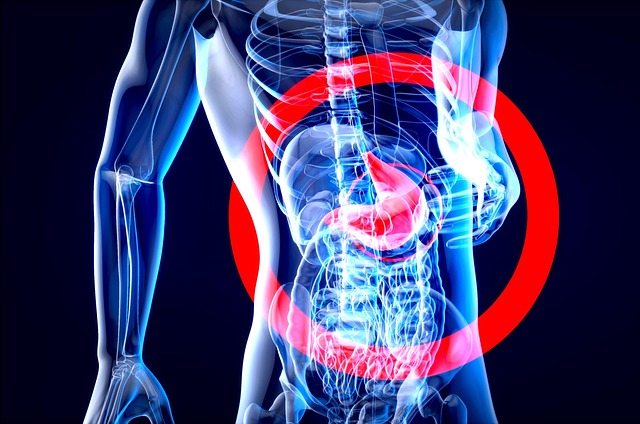
While moringa is generally considered safe for most people when consumed in typical culinary amounts, a structured 30-day supplementation regimen warrants a careful, evidence-based review of safety. The primary safety data for moringa leaf powder comes from short-term studies, often lasting 4-12 weeks, and long-term safety in humans is not well-established.
Certain individuals should exercise particular caution or avoid supplementation without direct medical supervision:
- Individuals on Medications: Moringa may interact with drugs metabolized by the liver's cytochrome P450 enzymes, potentially altering their effectiveness. This is a significant concern for those on medications for diabetes, hypertension (e.g., metformin, certain statins, blood thinners), or thyroid conditions.
- Pregnant Women: Extracts from the moringa root, bark, and flowers are contraindicated in pregnancy due to compounds that may stimulate uterine contractions. While leaf powder is considered safer, the evidence is insufficient to recommend it during pregnancy without physician guidance.
- People with Underlying Health Conditions: Those with kidney issues should be wary due to moringa's high mineral content (e.g., potassium). Individuals with a history of eating disorders or who are underweight should also consult a professional, as moringa's potential appetite-modulating effects may be undesirable.
Clinical Perspective: In practice, the greatest risk often lies not in the supplement itself, but in its interaction with a patient's existing health profile. A clinician views any new supplement as a potential variable that can affect lab results, medication dosages, and chronic disease management. Disclosing all supplement use, including moringa, during medical consultations is essential for safe, coordinated care.
The decision to consult a healthcare professional—such as a primary care physician, gastroenterologist, or a registered dietitian—should be based on your personal health context. It is strongly advised to seek consultation before starting a moringa regimen if you:
- Are currently taking any prescription or over-the-counter medications.
- Have a diagnosed chronic condition (e.g., diabetes, autoimmune disease, kidney or liver disease).
- Are pregnant, breastfeeding, or planning to become pregnant.
- Experience any adverse effects during use, such as gastrointestinal upset, headaches, or allergic reactions.
Ultimately, while personal experimentation can yield insights, it should be framed within a paradigm of safety first. A healthcare provider can help assess potential benefits against individual risks, ensuring any dietary change supports overall health objectives without unintended consequences.
6. Questions & Expert Insights
Can Moringa really improve gut health, or is this just anecdotal?
Current evidence suggests Moringa oleifera has properties that may support gut health, but the data is preliminary and largely from laboratory and animal studies. The leaves are rich in fiber, which can promote regularity and serve as a prebiotic—food for beneficial gut bacteria. They also contain bioactive compounds like isothiocyanates, which have demonstrated anti-inflammatory effects in cell studies. However, robust human clinical trials specifically on Moringa for conditions like IBS, leaky gut, or microbiome diversity are scarce. The "unexpected benefits" reported in personal journeys are valuable anecdotal experiences but do not constitute clinical proof. Effects can vary widely based on an individual's baseline health, diet, and the quality of the Moringa product used.
What are the potential risks or side effects of taking Moringa daily?
While generally considered safe as a food, concentrated Moringa supplements (powder, capsules, extracts) carry specific risks. The leaves may have laxative effects in high doses. More importantly, Moringa root and bark contain alkaloids like moringinine, which can be neurotoxic and lead to uterine contractions; these parts should be avoided. The leaves may also interact with medications: compounds in Moringa can potentially lower blood pressure and blood sugar, posing risks for those on antihypertensives or diabetes drugs. Due to its possible uterine-stimulating effects, it is strongly contraindicated during pregnancy. Individuals with thyroid disorders should use caution, as Moringa may influence thyroid hormone metabolism.
Who should definitely avoid or be extremely cautious with Moringa supplementation?
Several groups should avoid Moringa supplements or use them only under direct medical supervision. Pregnant women must avoid it due to the risk of uterine stimulation. Individuals with kidney issues should be wary, as the high mineral content (like potassium) could be problematic if kidneys are not filtering properly. Those on blood-thinning medications (e.g., warfarin), blood pressure drugs, or diabetes medications risk dangerous interactions. People with a history of eating disorders or those who tend toward restrictive "clean eating" should be cautious, as fixating on a single superfood can exacerbate unhealthy patterns. Always disclose all supplements to your healthcare provider.
When should I talk to my doctor about trying Moringa, and what should I bring to that conversation?
Consult a physician or a registered dietitian before starting Moringa if you have any chronic health condition, are taking prescription medications, or are pregnant/breastfeeding. This is non-negotiable for safety. Come to the appointment prepared with specific information: 1) The exact product name and form (e.g., organic leaf powder, 500mg capsule), 2) The proposed dosage you're considering, 3) Your complete medication and supplement list, including dosages, and 4) Your specific health goal (e.g., "manage occasional constipation" or "reduce inflammation"). This allows your provider to assess for interactions, contraindications, and whether this approach aligns with evidence-based care for your situation.
7. In-site article recommendations
8. External article recommendations
9. External resources
The links below point to reputable medical and evidence-based resources that can be used for further reading. Always interpret them in the context of your own situation and your clinician’s advice.
-
healthline healthline.comMoringa oleifera – Healthline (search)
-
examine examine.comMoringa oleifera – Examine.com (search)
-
mayoclinic mayoclinic.orgMoringa oleifera – Mayo Clinic (search)
These external resources are maintained by third-party organisations. Their content does not represent the editorial position of this site and is provided solely to support readers in accessing additional professional information.