
1. Introduction to Tai Chi Walking and Its Mind-Body Framework

Tai Chi Walking, often referred to as "walking meditation" or "moving Qigong," is a mindful movement practice that integrates the core principles of Tai Chi Chuan into the fundamental act of walking. It is not merely a form of exercise but a structured mind-body discipline focused on cultivating awareness, balance, and internal energy flow (Qi). The practice involves slow, deliberate steps coordinated with deep, diaphragmatic breathing and sustained mental focus.
The foundational mind-body framework of Tai Chi Walking rests on several interconnected principles:
- Mindful Awareness (Yi): The practitioner maintains a continuous, non-judgmental focus on bodily sensations, weight shifts, and breath. This anchors the mind in the present moment.
- Body Alignment (Zhong Ding): Emphasis is placed on maintaining an upright, relaxed posture with the head suspended, shoulders dropped, and spine elongated to facilitate optimal energy circulation.
- Weight Transfer & Rooting: Movement originates from the core (Dantian), with conscious, controlled shifting of weight from one leg to the other, promoting stability and lower-body strength.
- Breath-Body Coordination: The pace of walking is synchronized with the rhythm of inhalation and exhalation, creating a harmonizing effect on the autonomic nervous system.
From a clinical perspective, the proposed benefits of such integrative practices are supported by varying levels of evidence. Systematic reviews and meta-analyses provide strong evidence for Tai Chi's efficacy in improving balance, reducing fall risk in older adults, and managing symptoms of osteoarthritis and Parkinson's disease. Evidence for its positive impact on stress, anxiety, and depressive symptoms is promising but more mixed, often relying on smaller or shorter-duration studies. The specific research on "Tai Chi Walking" as a distinct modality is more limited, though it logically extends from the well-established Tai Chi framework.
Clinical Perspective: The value of this practice lies in its low-impact, adaptable nature, making it accessible for many populations. However, the focus on slow, controlled movement and balance requires caution. Individuals with significant balance disorders, acute musculoskeletal injuries, severe osteoporosis, or uncontrolled cardiovascular conditions should consult a physician or a qualified physical therapist before beginning. Proper instruction is crucial to learn alignment and avoid strain.
This 30-day exploration will objectively examine the practical application of these principles and the subjective and observable outcomes that may arise from consistent, deliberate practice.
2. Evidence-Based Mechanisms and Scientific Support

The reported benefits of Tai Chi walking are supported by a growing body of research on Tai Chi and mindful movement. The scientific support is strongest for improvements in balance, fall prevention, and psychological well-being, with emerging evidence for other systemic effects.
Key Mechanisms of Action
Tai Chi walking integrates several evidence-based components:
- Dynamic Balance Training: The slow, controlled weight shifting and narrow stance challenge proprioception and postural control, which are critical for fall prevention, especially in older adults.
- Mind-Body Integration: The focus on breath-coordinated movement engages the parasympathetic nervous system, reducing physiological markers of stress like cortisol and heart rate variability.
- Low-Impact Aerobic Activity: It provides gentle cardiovascular conditioning, which can improve endothelial function and circulation without high joint stress.
- Cognitive Engagement: Learning and recalling movement sequences involves working memory and spatial awareness, offering a form of moving meditation that may enhance neuroplasticity.
Strength of the Evidence
It is important to distinguish between well-established and preliminary findings:
- Strong Evidence: Multiple systematic reviews and meta-analyses confirm Tai Chi's efficacy for improving balance, reducing fear of falling, and managing symptoms of depression and anxiety. These outcomes are directly applicable to the walking form.
- Promising but Preliminary Evidence: Studies suggesting benefits for chronic pain (e.g., fibromyalgia, osteoarthritis), blood pressure regulation, and immune function are encouraging but often involve smaller sample sizes or shorter durations. More rigorous, long-term trials are needed.
- Limited/Mixed Evidence: Claims regarding specific disease reversal or superior benefits compared to other forms of exercise (like standard walking or physical therapy) are not consistently supported. Tai Chi is best viewed as a complementary practice.
Clinical Perspective: From a mechanistic standpoint, Tai Chi walking is a multimodal intervention. Its value lies in its simultaneous engagement of physical, cognitive, and attentional systems—a combination often missing in conventional exercise. However, clinicians note that the dose (frequency, duration, intensity) and proper instruction are critical for achieving reported benefits. It is not a substitute for targeted rehabilitation or medical treatment for specific conditions.
Important Considerations: Individuals with significant balance disorders, severe osteoporosis, acute joint inflammation, or uncontrolled cardiovascular conditions should consult a physician or physical therapist before beginning. Proper instruction is crucial to ensure safe alignment and prevent strain, particularly for those new to mindful movement practices.
3. Risks, Contraindications, and Population-Specific Precautions

While Tai Chi walking is widely regarded as a low-impact and safe form of exercise, a responsible approach requires acknowledging its potential risks and contraindications. The practice is not universally appropriate, and certain individuals must exercise significant caution or seek medical clearance before beginning.
The primary physical risks are generally related to improper technique or overexertion. These can include:
- Musculoskeletal Strain: Incorrect posture or attempting movements beyond one's current range of motion can lead to muscle soreness, joint stress, or tendonitis, particularly in the knees, ankles, and lower back.
- Balance and Fall Risk: Although Tai Chi improves balance over time, the initial learning phase involves shifting weight and performing slow, controlled movements that may challenge stability. This presents a tangible fall risk for individuals with pre-existing balance disorders or severe deconditioning.
- Dizziness: The coordinated breathing and fluid motion can, in rare cases, trigger lightheadedness, especially if breathing is not synchronized naturally or if one is dehydrated.
Clinical Perspective: From a rehabilitation standpoint, the "low-impact" label can be misleading for acute injuries. We often modify or postpone weight-bearing Tai Chi movements for patients with active inflammatory arthritis, recent fractures, or post-surgical recovery. The key is to differentiate between chronic condition management (where it can be excellent) and acute injury rehabilitation (where it may be contraindicated).
Specific populations should consult a healthcare provider—such as a physician, physical therapist, or cardiologist—before starting a Tai Chi walking program:
- Individuals with Cardiovascular Conditions: Those with uncontrolled hypertension, heart failure, or a history of arrhythmias need guidance on intensity monitoring.
- People with Severe Osteoporosis or Joint Instability: The risk of fracture from a fall is higher; movements may require significant adaptation.
- Pregnant Individuals: While gentle movement is often encouraged, balance changes and ligament laxity during pregnancy necessitate professional guidance and likely modification of stances.
- Those with Active Vertigo or Neurological Disorders: Conditions like Ménière's disease, Parkinson's disease, or peripheral neuropathy require a tailored approach under specialist supervision.
- People in Acute Pain: Practicing through sharp or acute pain can exacerbate an injury. Pain should be a guide, not something to overcome.
The evidence strongly supports Tai Chi's safety for most people when practiced correctly. However, the evidence for its universal applicability is limited. A prudent first step for anyone with a known health condition is a discussion with a qualified medical professional to ensure the practice is appropriately scaled to their individual health status.
4. Practical Guidelines for a 30-Day Tai Chi Walking Routine
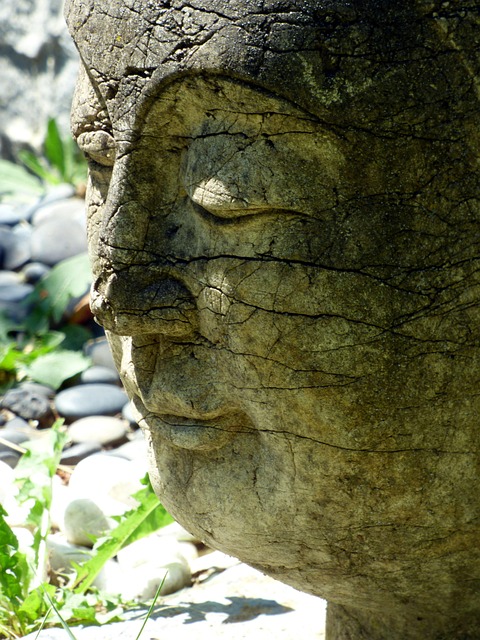
Embarking on a 30-day Tai Chi walking practice requires a structured yet flexible approach to integrate its principles of mindful movement, breath, and posture. The goal is to build a sustainable habit, not to achieve perfection. The following guidelines are based on traditional Tai Chi principles and modern exercise science for mind-body integration.
Structuring Your Practice
Begin with a modest commitment to ensure consistency and prevent discouragement.
- Frequency & Duration: Aim for 10-15 minutes, 4-5 days per week for the first two weeks. Gradually increase to 20-25 minutes by the final week if comfortable.
- Environment: Start on a flat, even surface like a quiet park path or a clear hallway. Avoid uneven terrain until your balance and awareness improve.
- Time of Day: Morning practice can help set a calm tone for the day, while evening sessions may aid in processing stress. Choose a time that fits your schedule consistently.
Core Technical Principles
Focus on these foundational elements rather than complex choreography.
- Posture & Alignment: Stand tall, crown of the head lifted, shoulders relaxed, and pelvis neutral. Imagine a gentle upward lift through the spine.
- Breath Coordination: Breathe naturally and deeply into your diaphragm. Attempt to synchronize your breath with your steps—for example, inhaling for two steps, exhaling for two steps—without force.
- Mindful Movement: Move slowly and deliberately. Pay attention to the sensation of weight transfer from heel to ball to toe with each step. Keep your gaze soft and forward.
Clinical Perspective: While the benefits of Tai Chi for balance, fall prevention, and stress reduction are well-supported by evidence, the specific adaptation of "Tai Chi walking" as a standalone practice has less direct research. Its value lies in applying Tai Chi's core biomechanical and attentional principles to a fundamental activity. The slow pace and focus on alignment can improve proprioception and movement efficiency.
Safety and Precautions
This practice is generally low-impact, but certain individuals should proceed with caution or consult a healthcare provider first.
- Those with significant balance disorders, vertigo, or recent orthopedic surgery (especially hip, knee, or ankle) should seek medical clearance.
- Individuals with acute joint pain or inflammation should modify the range of motion and avoid movements that cause discomfort.
- If you have uncontrolled hypertension or cardiovascular conditions, discuss the practice with your doctor, as the mindful breathing component can influence blood pressure.
Listen to your body. Discomfort is a signal to adjust your posture or reduce your session length. The 30-day journey is about cultivating awareness, not pushing through pain.
5. Safety Protocols and Indications for Medical Consultation

While Tai Chi walking is a low-impact, gentle practice, approaching it with an awareness of safety protocols and personal health status is essential for a beneficial experience. The practice is generally considered safe for most individuals, with a robust body of evidence supporting its use for improving balance, reducing fall risk, and managing stress. However, the evidence for its benefits in specific, complex medical conditions is often preliminary or derived from studies on standard Tai Chi forms, not the walking variation specifically.
Before beginning any new movement regimen, including this one, consulting a physician or physical therapist is strongly advised for individuals with:
- Active or unstable musculoskeletal injuries (e.g., acute knee, ankle, or back pain).
- Diagnosed balance disorders, severe osteoporosis, or a recent history of falls.
- Cardiovascular or respiratory conditions that may be exacerbated by exertion.
- Pregnancy, particularly in the second or third trimester, where balance and joint stability change.
- Unmanaged vertigo or dizziness.
When starting your practice, adhere to these foundational safety protocols:
- Environment First: Choose a flat, even, and unobstructed surface. Avoid slippery floors, loose rugs, or outdoor areas with uneven terrain until you are very stable.
- Footwear Matters: Wear supportive, flat-soled shoes with good grip to prevent slipping and provide stability for the slow, controlled weight shifts.
- Listen to Your Body: The adage "no pain, no gain" does not apply. Discomfort or strain, particularly in the knees or lower back, is a signal to stop, rest, and reassess your posture and alignment. Mild muscle fatigue is normal; sharp or joint pain is not.
- Start Gradually: Begin with sessions of 5-10 minutes, focusing on posture and basic weight transfer before attempting longer durations or integrating arm movements.
Clinical Perspective: From a rehabilitation standpoint, the slow pace of Tai Chi walking is its greatest safety asset, allowing for constant proprioceptive feedback and correction. However, the semi-squatting posture (Wu Ji stance) common in many forms can place stress on the patellofemoral joint and lumbar spine if done incorrectly. A key indicator for needing professional guidance is if you cannot maintain a neutral spine—avoiding rounding or overarching the lower back—while performing the movements. A physical therapist can provide crucial form corrections to prevent compensatory strain.
Ultimately, Tai Chi walking should feel steady and calming, not precarious or painful. If you have any doubt about how your specific health condition interacts with this practice, a consultation with a relevant healthcare provider is the most responsible first step. They can help tailor the practice to your needs or recommend appropriate modifications.
6. Questions & Expert Insights
Is Tai Chi walking truly effective for improving balance and preventing falls, or is it just a gentle activity?
The evidence for Tai Chi's benefits on balance and fall prevention is among the strongest in mind-body research. Systematic reviews and meta-analyses, such as those published in the *Journal of the American Geriatrics Society*, consistently show that regular Tai Chi practice can significantly improve postural stability, increase lower-body strength, and reduce the fear of falling, particularly in older adults. The slow, controlled weight-shifting and unilateral stances inherent in Tai Chi walking directly challenge the proprioceptive and musculoskeletal systems responsible for balance. However, it is not a "magic bullet." Effectiveness depends on consistent practice (typically 2-3 times per week for several months) and proper instruction. While highly promising, it should be viewed as a complementary component of a broader fall-prevention strategy that may include other strength training and home safety modifications.
What are the potential risks or side effects of Tai Chi walking, and who should approach it with caution?
Tai Chi is generally very safe, but it is not risk-free. The most common issues are musculoskeletal, such as knee pain or strain, often resulting from improper alignment (e.g., the knee extending past the toes during a stance) or attempting postures that are too deep without adequate strength. Individuals with specific conditions should exercise particular caution or seek medical clearance first. This includes those with:
- Severe osteoporosis: Certain twisting motions may pose a fracture risk.
- Active joint injuries or acute inflammation: (e.g., in the knee, hip, or ankle).
- Significant balance disorders or vertigo: While Tai Chi can help, initial practice should be done with close supervision and support (like holding a chair).
- Pregnancy (second and third trimesters): The shifting center of gravity and certain stances may increase fall risk; modifications are essential.
Starting slowly, using a qualified instructor, and listening to your body are key to mitigating these risks.
When should I talk to my doctor before starting a Tai Chi walking practice, and how should I prepare for that conversation?
Consult your physician or a relevant specialist (e.g., cardiologist, orthopedist, neurologist) if you have any unstable, chronic, or recently treated medical conditions. Key scenarios include: uncontrolled hypertension or heart disease, recent surgery or joint replacement, neurological conditions like Parkinson's disease or peripheral neuropathy, and chronic dizziness. To make the conversation productive, come prepared. Specifically, you should:
- State your goal clearly (e.g., "I want to improve my balance and reduce stress with Tai Chi walking").
- Briefly describe what Tai Chi walking involves (slow, mindful walking with coordinated arm movements and deep breathing).
- Ask specific questions: "Are there any movement restrictions for my [specific condition]?" or "Should I monitor any symptoms like dizziness or joint pain during practice?"
- Share the credentials of your intended instructor if known.
This allows your doctor to give personalized, safety-focused guidance rather than a generic yes or no.
The article mentions "unexpected" mental benefits. What does the clinical evidence actually say about Tai Chi for stress and anxiety?
The mental health benefits, while often subjectively profound, are supported by a growing but more nuanced evidence base compared to the physical outcomes. Research, including randomized controlled trials, indicates that mindful movement practices like Tai Chi can reduce symptoms of anxiety and depression and improve perceived stress levels. The proposed mechanisms involve the combination of focused attention (a form of moving meditation), controlled diaphragmatic breathing—which activates the parasympathetic nervous system—and gentle exercise that modulates stress hormones like cortisol. It's important to contextualize these findings: the effect sizes are typically moderate, and Tai Chi is generally viewed in clinical guidelines as a complementary therapy, not a first-line standalone treatment for diagnosed anxiety disorders. The evidence is strongest for reducing general psychological distress and improving quality of life, particularly in chronic illness populations. Long-term, consistent practice appears to be more impactful than short-term engagement.
7. In-site article recommendations
8. External article recommendations
9. External resources
The links below point to reputable medical and evidence-based resources that can be used for further reading. Always interpret them in the context of your own situation and your clinician’s advice.
-
mayoclinic mayoclinic.orgTai Chi Walking – Mayo Clinic (search)
-
wikipedia wikipedia.orgTai Chi Walking – Wikipedia (search)
-
healthline healthline.comTai Chi Walking – Healthline (search)
These external resources are maintained by third-party organisations. Their content does not represent the editorial position of this site and is provided solely to support readers in accessing additional professional information.