
1. Introduction to Pilates and Core Strength Enhancement
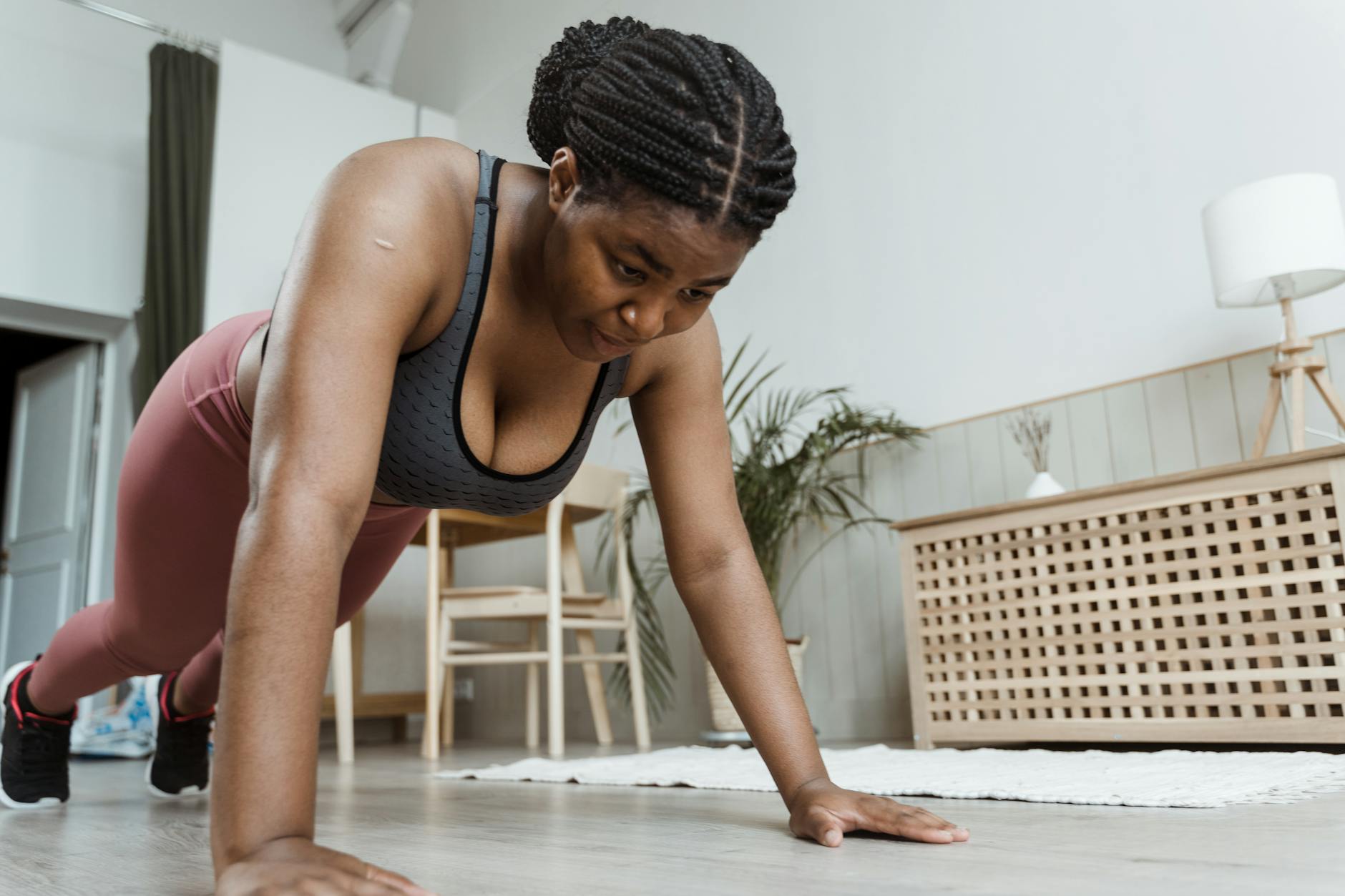
Pilates is a mind-body exercise system developed by Joseph Pilates in the early 20th century. Its core principles—centering, concentration, control, precision, breath, and flow—focus on building functional strength, particularly in the body's central musculature, often termed the "powerhouse." This includes the deep abdominal muscles (transversus abdominis), pelvic floor, diaphragm, and multifidus muscles along the spine. The primary objective is to enhance core stability, which serves as a foundation for all movement.
From a clinical perspective, a strong, stable core is not merely about aesthetic abdominal definition. Its functional role is well-supported by evidence in rehabilitation and sports medicine. A robust core:
- Supports proper spinal alignment and posture.
- Reduces load and stress on the lower back.
- Improves balance and coordination.
- Facilitates efficient force transfer during dynamic activities.
Systematic reviews and meta-analyses indicate that Pilates can be an effective intervention for reducing non-specific chronic low back pain and improving functional ability, with effects comparable to other exercise modalities. Evidence for its benefits in healthy populations, such as enhancing general fitness and flexibility, is also positive, though some studies note limitations like small sample sizes or short follow-up periods.
Clinical Insight: The therapeutic value of Pilates often lies in its emphasis on neuromuscular control—teaching the body to recruit the correct stabilizing muscles before generating movement. This is distinct from simply performing high-repetition abdominal crunches. For individuals with a history of back issues, this focus on quality of movement over quantity can be particularly beneficial, but it requires proper instruction to be effective and safe.
It is important to approach any new exercise protocol with appropriate caution. Individuals with the following conditions should consult a healthcare provider, such as a physician or physical therapist, before beginning:
- Acute or severe back, neck, or joint pain.
- Osteoporosis or recent fractures.
- Certain cardiovascular conditions.
- Postpartum women, especially those with diastasis recti.
This 30-day protocol is designed as an educational introduction, applying Pilates principles progressively to build foundational core awareness and strength. The anticipated outcomes—improved core strength and energy—are based on consistent, correct practice and an understanding of the body's mechanics.
2. Mechanisms and Evidence for Core and Energy Benefits
The proposed benefits of a consistent Pilates practice on core strength and energy levels are supported by distinct physiological mechanisms. Understanding these mechanisms helps contextualize the evidence and set realistic expectations for a 30-day protocol.
Core Strength: Neuromuscular Re-education and Structural Support
Pilates is fundamentally a method of neuromuscular re-education. It emphasizes controlled, precise movements that require conscious engagement of the deep stabilizing muscles of the trunk—collectively known as the "core" or "powerhouse." This includes the transversus abdominis, multifidus, pelvic floor, and diaphragm.
- Evidence for Efficacy: Systematic reviews and meta-analyses consistently show Pilates is effective for reducing non-specific low back pain and improving functional ability, outcomes directly linked to enhanced core stability. The evidence for these musculoskeletal benefits is considered robust.
- Mechanism: The practice trains these often-underused muscles to fire in a coordinated manner, improving intra-abdominal pressure and spinal stability. This creates a "corset" of support, which can improve posture, reduce strain on passive structures like ligaments, and enhance movement efficiency.
Energy and Vitality: The Mind-Body Connection and Efficiency
Reports of increased energy are common among regular practitioners. The mechanisms here are multifaceted and involve both physical and psychological factors.
- Physical Efficiency: A stronger, more stable core reduces compensatory movements and muscular "leaks" of energy during daily activities. Moving with greater biomechanical efficiency requires less effort, which can subjectively feel like having more energy in reserve.
- Psychophysiological Effects: Pilates incorporates focused breathing patterns (e.g., lateral thoracic breathing) and mindful movement. This can downregulate the sympathetic nervous system ("fight-or-flight") and promote parasympathetic activity ("rest-and-digest"), leading to reduced perceived stress and mental fatigue.
- Evidence Status: While numerous studies document improvements in quality of life, mood, and fatigue in various populations (e.g., sedentary adults, those with chronic conditions), the direct evidence for Pilates uniquely boosting energy, separate from general exercise benefits, is more preliminary. The effects are likely real for many individuals but are influenced by baseline fitness and psychological state.
Clinical Perspective: The core-strengthening benefits of Pilates are well-substantiated and can be a highly effective component of rehabilitative and preventive care. The energy benefits, while frequently reported anecdotally and plausible from a physiological standpoint, should be viewed as a potential positive outcome rather than a guaranteed result. Individuals with chronic fatigue syndromes or metabolic conditions should consult a physician, as the exertion of a new exercise protocol requires careful management.
Who Should Proceed with Caution: Individuals with acute disc herniation, severe osteoporosis, uncontrolled hypertension, or who are in the later stages of pregnancy should seek clearance from a qualified healthcare provider or a Pilates instructor with relevant clinical training before beginning a new protocol, due to the specific loads and positions involved.
3. Identifying Contraindications and High-Risk Groups

Before beginning any new exercise protocol, a critical first step is a thorough assessment of personal risk. While Pilates is widely regarded as a low-impact and adaptable form of exercise, it is not universally safe for all individuals without proper modifications and medical oversight. Identifying contraindications and high-risk groups is essential for preventing injury and ensuring a beneficial experience.
Absolute contraindications, where participation should be avoided until cleared by a qualified healthcare professional, include:
- Acute Injury or Post-Surgical Recovery: Recent fractures, severe sprains, ligament tears (e.g., ACL), or recent abdominal, back, or joint surgery. Initiating Pilates too soon can disrupt healing.
- Uncontrolled Hypertension or Cardiovascular Disease: Certain positions and isometric holds can significantly raise blood pressure. Medical clearance is mandatory.
- Acute Disc Herniation with Radiculopathy: Flexion, rotation, or loading of the spine during an acute phase can exacerbate nerve compression and pain.
Several conditions place individuals in a high-risk category, necessitating extreme caution, highly modified programming, and direct supervision from a certified Pilates instructor with relevant clinical experience. These groups include:
- Osteoporosis: Spinal flexion exercises (like "rolling like a ball" or full sit-ups) can increase the risk of vertebral compression fractures. A bone-safe protocol emphasizing axial extension is required.
- Diastasis Recti: Traditional core exercises that create excessive intra-abdominal pressure can worsen the separation of the abdominal muscles. Specific engagement techniques are necessary.
- Chronic Joint Instability: Individuals with hypermobility syndromes (e.g., Ehlers-Danlos) or significant joint laxity require focused stabilization work to avoid overextending joints during movements.
- Pregnancy (Second and Third Trimesters) and Postpartum: Hormonal changes affect ligament laxity and joint stability. Positions requiring supine lying (after the first trimester) or intense core work need to be adapted or avoided.
Clinical Insight: The principle of "first, do no harm" applies directly to fitness programming. A key distinction in clinical practice is between relative and absolute contraindications. For many in high-risk groups, Pilates can be profoundly therapeutic, but only when prescribed with precision. The onus is on the instructor to obtain a detailed health history and, when in doubt, insist on medical clearance. A generic 30-day protocol is not suitable for these populations without individualization.
If you identify with any of these conditions, it is imperative to consult your physician or a relevant specialist (e.g., physiatrist, physical therapist) before starting. Provide them with details of the intended protocol. Furthermore, seek instruction only from a comprehensively certified Pilates professional who has documented experience working with your specific health consideration.
4. Step-by-Step Implementation of the 30-Day Protocol
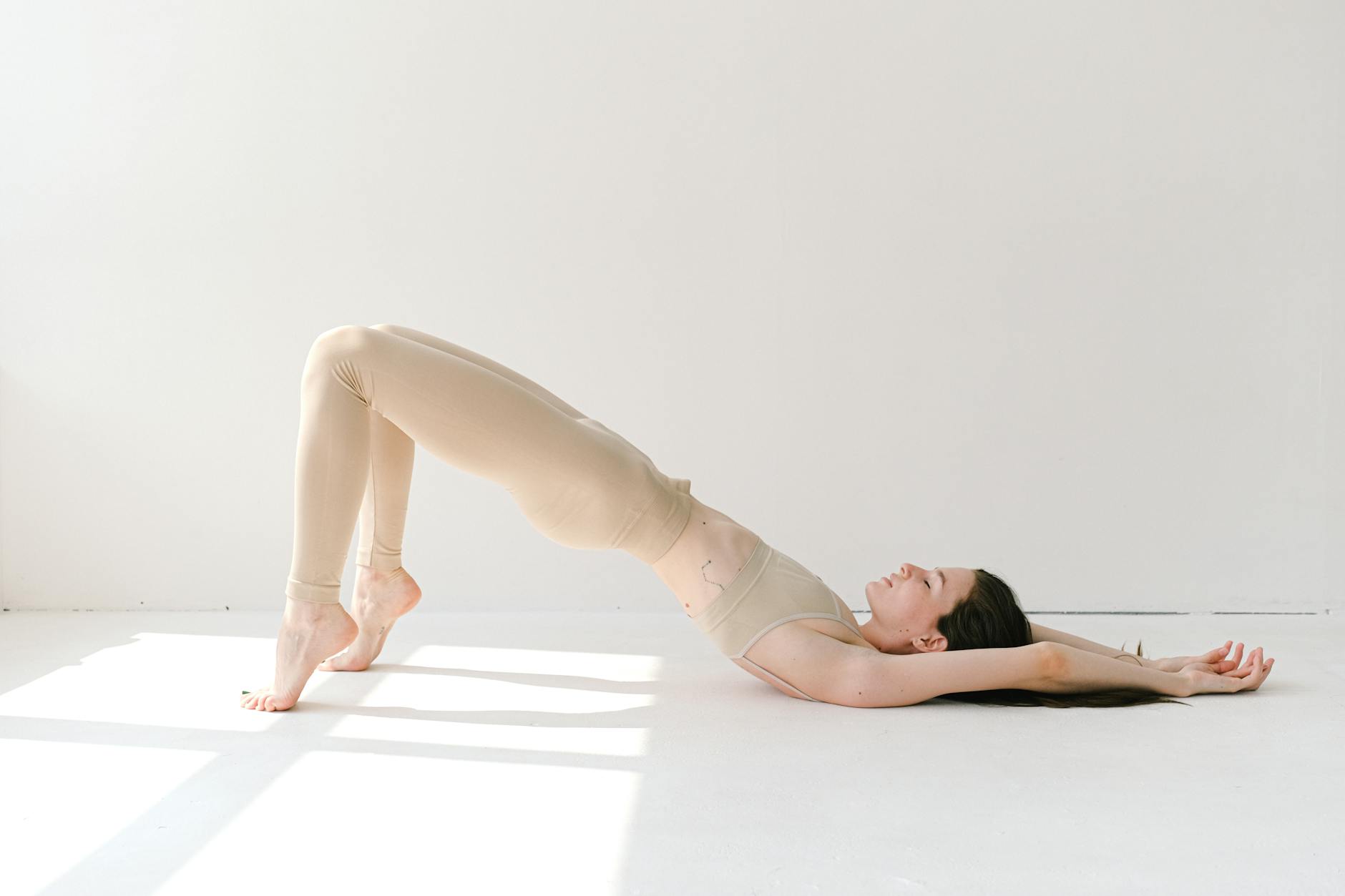
Implementing a 30-day Pilates protocol requires a structured, progressive approach to build core strength and neuromuscular control safely. The following framework is designed to be adaptable, emphasizing consistency and proper form over intensity.
Weekly Structure and Progression
The protocol is divided into four phases, each lasting one week. This allows for progressive overload, a principle supported by exercise science for improving muscular endurance and strength.
- Week 1 (Foundation): Focus on mastering fundamental movements like pelvic tilts, chest lifts, and leg slides. Perform 3 sessions of 20-25 minutes.
- Week 2 (Integration): Introduce exercises that challenge stability, such as single-leg stretches and the hundred. Aim for 4 sessions of 25-30 minutes.
- Week 3 (Challenge): Incorporate more dynamic movements like rolling like a ball and oblique work. Maintain 4 sessions of 30-35 minutes.
- Week 4 (Consolidation): Combine sequences into flowing workouts, including exercises like the saw and swimming. Target 4-5 sessions of 35-40 minutes.
Essential Daily Practices
Beyond the mat sessions, daily habits support the protocol's goals. Evidence for the benefits of mindful movement and breathwork is strong for stress reduction and body awareness, which are core Pilates principles.
- Begin each session with 5 minutes of diaphragmatic breathing and spinal articulation.
- Maintain a focus on the "powerhouse" (core, glutes, inner thighs) throughout all movements.
- Conclude with 5 minutes of static stretching for the hip flexors, hamstrings, and spine.
Clinical Insight: The progression outlined is based on sound principles of exercise physiology. However, the evidence for specific 30-day Pilates protocols producing dramatic, lasting changes is more limited and often based on small-scale studies. Real improvements in core strength and perceived energy are well-documented with consistent practice, but individual results vary significantly based on baseline fitness, adherence, and technique. Listen to your body; sharp pain is a signal to stop, while muscular fatigue is expected.
Important Precautions and Contraindications
Pilates is generally low-impact, but certain conditions require modification or medical clearance. It is crucial to consult a physician or a qualified physical therapist before starting if you have:
- Acute back pain, disc pathology, or osteoporosis.
- Recent abdominal or spinal surgery.
- Uncontrolled hypertension or a history of retinal detachment.
- Pregnancy, particularly in the second and third trimesters (seek a prenatal-certified instructor).
Consistency with proper form is far more important than the duration or difficulty of any single session. Adjust the plan to fit your schedule and recovery needs, ensuring it remains a sustainable practice.
5. Monitoring for Adverse Effects and Professional Consultation
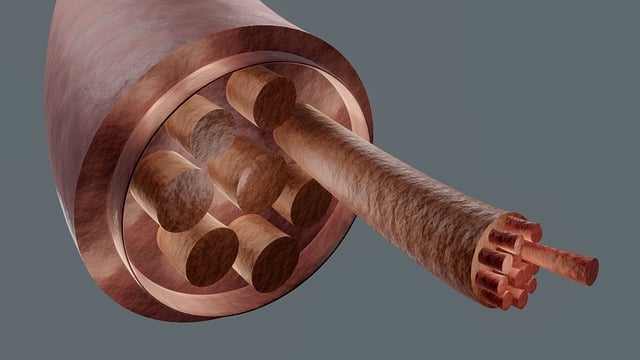
While Pilates is a low-impact discipline with a strong safety profile, any new physical regimen carries potential risks. A systematic, evidence-based approach to monitoring your body's response is essential for a safe and effective 30-day protocol. This vigilance allows for early intervention and program modification, preventing minor discomfort from escalating into injury.
Common, typically benign, adverse effects can include delayed onset muscle soreness (DOMS), especially in the initial week, and transient fatigue. These are normal signs of neuromuscular adaptation. However, you must differentiate these from signals of potential harm.
- Pain vs. Discomfort: Sharp, shooting, or localized joint pain (e.g., in the spine, hips, or wrists) is a red flag. Discomfort from muscular fatigue is typically dull, diffuse, and improves with light movement.
- Neurological Symptoms: Numbness, tingling, or radiating pain down a limb requires immediate cessation and professional evaluation.
- Persistent Issues: Pain that does not improve with rest, worsens with specific movements, or is accompanied by swelling or bruising indicates a need for assessment.
Clinical Perspective: In practice, we see most Pilates-related injuries stem from poor form, over-ambition in progressing difficulty, or pre-existing musculoskeletal conditions being aggravated. The principle of "progressive overload" must be applied judiciously. Listening to pain as a protective signal, not an obstacle to overcome, is a cornerstone of sustainable practice.
Who Should Seek Professional Consultation First? Evidence strongly supports pre-participation screening for certain populations. You should consult a physician or a qualified physical therapist before beginning this protocol if you have:
- A history of recent spinal injury, surgery, or chronic back pain.
- Diagnosed osteoporosis or osteopenia, due to the need for spine-sparing modifications.
- Uncontrolled hypertension or cardiovascular conditions.
- Active joint issues (e.g., severe osteoarthritis, labral tears).
- Are pregnant or postpartum, as core engagement strategies require specific guidance.
Furthermore, ongoing consultation with a certified Pilates instructor—particularly one with clinical experience—is invaluable. They can provide real-time form correction, suggest appropriate regressions or progressions, and help tailor the protocol to your unique biomechanics. This professional guidance is the most effective strategy for mitigating risk and ensuring the protocol's benefits are fully realized.
6. Questions & Expert Insights
Can a 30-day Pilates program really change my core strength and energy levels?
Yes, a consistent 30-day Pilates protocol can produce measurable improvements in core strength and subjective energy for many individuals, but the extent of change depends on several factors. Research, including a 2021 systematic review in the Journal of Sports Science & Medicine, consistently shows that Pilates is effective for enhancing core endurance, postural control, and muscular strength, particularly in previously sedentary or recreationally active people. Improvements in perceived energy are often linked to better posture (reducing muscular fatigue), enhanced circulation, and the psychological benefits of regular exercise, such as reduced stress. However, "real changes" are relative. A beginner may see significant gains, while an experienced athlete might notice more subtle refinements. The protocol's design—emphasizing progressive overload and proper technique—is critical. It's important to view 30 days as a strong foundation for neuromuscular re-education and habit formation, not an endpoint.
Who should be cautious or avoid starting an intensive 30-day Pilates protocol?
While Pilates is generally low-impact, an intensive daily protocol is not suitable for everyone. Specific populations should seek medical clearance or work with a qualified instructor on a modified program. Key contraindications and cautions include:
- Acute or unstable spinal conditions: Such as herniated discs with radiculopathy, spinal stenosis, or spondylolisthesis. Certain flexion- or rotation-based movements can exacerbate symptoms.
- Recent surgery: Particularly abdominal, pelvic, or spinal surgery, where tissue healing must be respected.
- Uncontrolled hypertension or cardiovascular disease: Isometric holds and inverted positions can affect blood pressure.
- Pregnancy (second and third trimesters) and postpartum: Requires specific modifications to avoid diastasis recti pressure and accommodate bodily changes.
- Osteoporosis: Spinal flexion exercises may be contraindicated; emphasis should be on extension.
- Joint hypermobility or Ehlers-Danlos syndromes: Requires careful focus on stability over range of motion to prevent joint subluxation.
Individuals with chronic pain or a history of injury should also proceed with caution and personalized guidance.
When should I talk to a doctor or physical therapist before or during this protocol, and what should I discuss?
Consult a physician or physical therapist before starting if you have any pre-existing medical conditions, are pregnant or postpartum, have persistent pain, or are returning to exercise after a long hiatus. Schedule a consultation during the protocol if you experience pain that is sharp, shooting, or radiates down a limb; joint instability; dizziness; or any symptom that worsens with exercise and doesn't resolve with rest.
For the conversation, come prepared with specific information. Bring a summary of the protocol's exercises (or a video example), and be ready to describe:
- The exact nature, location, and intensity of any pain (using a 0-10 scale).
- What specific movements provoke or relieve your symptoms.
- Your personal health history relevant to the issue.
- Your specific goals for the protocol.
This allows the professional to give you tailored, safe modifications rather than a simple "yes" or "no." A physical therapist can perform a movement analysis to identify compensatory patterns that might lead to injury.
How much of the reported "energy boost" is physiological versus psychological?
The perceived energy boost from a consistent Pilates practice is likely a synergistic effect of physiological and psychological mechanisms. Physiologically, Pilates improves circulatory efficiency and respiratory capacity through coordinated breathing, potentially enhancing oxygen delivery to tissues. Strengthening postural muscles reduces the constant low-grade energy expenditure of compensating for poor alignment, freeing up resources. Psychologically, the structured routine, mindfulness component, and achievement of movement goals can reduce perceived stress and improve mood, which are strongly linked to subjective energy levels. A 2017 study in the Journal of Bodywork and Movement Therapies found significant reductions in fatigue and anxiety among participants after a Pilates intervention. It is challenging to disentangle these factors, and the distinction may not be clinically important—the net result for the participant is a genuine feeling of increased vitality. However, it's important to note that these studies typically measure subjective reports, and more objective biomarkers of energy metabolism are needed.
7. In-site article recommendations
8. External article recommendations
9. External resources
The links below point to reputable medical and evidence-based resources that can be used for further reading. Always interpret them in the context of your own situation and your clinician’s advice.
-
healthline healthline.comPilates – Healthline (search)
-
examine examine.comPilates – Examine.com (search)
-
wikipedia wikipedia.orgPilates – Wikipedia (search)
These external resources are maintained by third-party organisations. Their content does not represent the editorial position of this site and is provided solely to support readers in accessing additional professional information.