
1. Introduction to a 90-Day Yoga Intervention for Flexibility and Stress Management

This chapter outlines the rationale and framework for a structured, 90-day yoga practice designed to target two common health concerns: reduced physical flexibility and elevated stress. The approach is grounded in the principle of consistent, progressive adaptation, where the cumulative effects of regular practice are expected to yield measurable changes in both physiological and psychological domains.
Yoga is a multi-modal mind-body practice integrating physical postures (asanas), breath control (pranayama), and meditative awareness. The evidence supporting its benefits is robust in some areas and emerging in others:
- Flexibility & Mobility: Systematic reviews and meta-analyses consistently demonstrate that regular yoga practice can significantly improve flexibility, particularly in the hamstrings, spine, and shoulders. This is one of the most well-substantiated physical benefits.
- Stress & Psychological Well-being: High-quality evidence, including randomized controlled trials, supports yoga's efficacy in reducing perceived stress, anxiety, and improving mood. Proposed mechanisms include down-regulation of the hypothalamic-pituitary-adrenal (HPA) axis and increased heart rate variability.
However, it is crucial to contextualize these findings. Many studies have limitations, such as short duration (often 8-12 weeks), heterogeneous yoga styles, and reliance on self-reported outcomes. The 90-day timeframe proposed here aligns with common research durations and allows for a more substantial period of neuromuscular adaptation and habit formation.
Clinical Perspective: From a rehabilitation and preventive medicine standpoint, a 90-day intervention represents a meaningful trial period. It provides sufficient time for connective tissue remodeling and for individuals to experience the self-regulatory benefits of breathwork and mindfulness, which are core to sustainable stress management. The key is adherence to a balanced, progressive program that prioritizes safety over intensity.
This journey is not a one-size-fits-all solution. Certain individuals should exercise particular caution and consult a healthcare provider before commencing:
- Those with specific musculoskeletal conditions (e.g., severe osteoporosis, recent surgery, acute disc herniation).
- Individuals with uncontrolled hypertension, glaucoma, or vertigo, as some postures may be contraindicated.
- Anyone with a history of disordered eating or body dysmorphia, to ensure the practice supports a healthy mind-body relationship.
- Pregnant individuals, who should seek guidance from a prenatal yoga specialist.
The following chapters will detail the practical application of this intervention, emphasizing evidence-based postures, breathwork techniques, and principles of progressive overload, while continually integrating safety and self-awareness as foundational pillars.
2. Evidence-Based Mechanisms of Yoga for Enhancing Flexibility and Reducing Stress
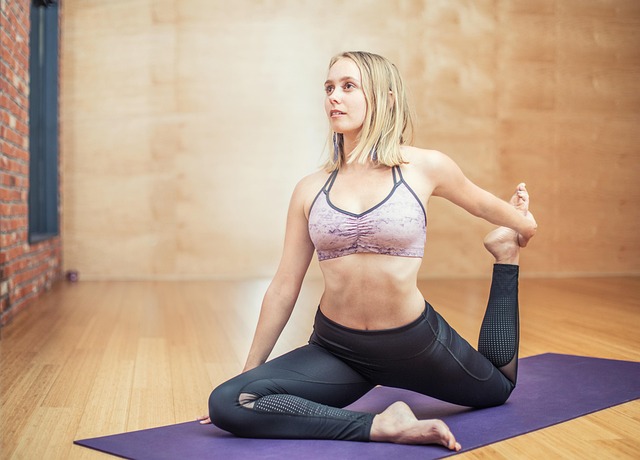
The documented benefits of yoga for flexibility and stress are supported by distinct, interconnected physiological and psychological mechanisms. Understanding these pathways provides a rational basis for the practice and helps set realistic expectations.
Enhancing Flexibility: More Than Just Stretching
Yoga improves flexibility through a combination of mechanical, neurological, and tissue-level adaptations. The evidence for these physical changes is robust.
- Mechanical Stretch: Holding poses (asanas) applies sustained, low-force tension to muscles, tendons, and fascia. This can stimulate the synthesis of collagen and elastin, gradually increasing tissue elasticity and joint range of motion.
- Neurological Modulation: A key mechanism is the down-regulation of the stretch reflex. Through mindful, breath-coordinated movement, yoga can reduce the sensitivity of muscle spindles, allowing for a greater safe stretch before the nervous system signals a protective contraction.
- Proprioceptive Awareness: Regular practice enhances body awareness (proprioception), helping individuals better perceive their true range of motion and move with greater control and efficiency.
Reducing Stress: A Multi-System Approach
The stress-relief effects of yoga are mediated through its simultaneous impact on the nervous, endocrine, and cognitive systems. The evidence here is strong for subjective stress reduction, with growing support for specific biological markers.
- Autonomic Nervous System Regulation: Yoga’s emphasis on slow, diaphragmatic breathing and relaxation poses stimulates the parasympathetic nervous system, promoting a "rest-and-digest" state. This counters the dominant "fight-or-flight" (sympathetic) activity associated with chronic stress.
- Neuroendocrine Effects: Studies suggest consistent practice can lower baseline levels of cortisol, the primary stress hormone. It may also modulate the activity of the hypothalamic-pituitary-adrenal (HPA) axis, improving the body's stress response resilience.
- Mindfulness and Cognitive Shift: The meditative component fosters present-moment awareness, which can help disrupt patterns of rumination and worry. This metacognitive skill is a core mechanism for reducing perceived stress.
Clinical Perspective: While the mechanistic evidence is compelling, outcomes vary based on style, frequency, and individual factors. The flexibility gains from yoga are generally safe for most, but those with hypermobility syndromes, acute injuries, or severe osteoporosis should practice under expert guidance to avoid joint strain. For stress, yoga is a powerful adjunctive tool, but individuals with significant trauma histories or active psychiatric conditions should consult a mental health professional to ensure the practice is appropriately tailored.
In summary, yoga acts as a holistic intervention. It physically remodels connective tissues and recalibrates nervous system reflexes for flexibility, while biochemically and psychologically fostering a more resilient stress response.
3. Risks, Contraindications, and Populations to Avoid in Yoga Practice
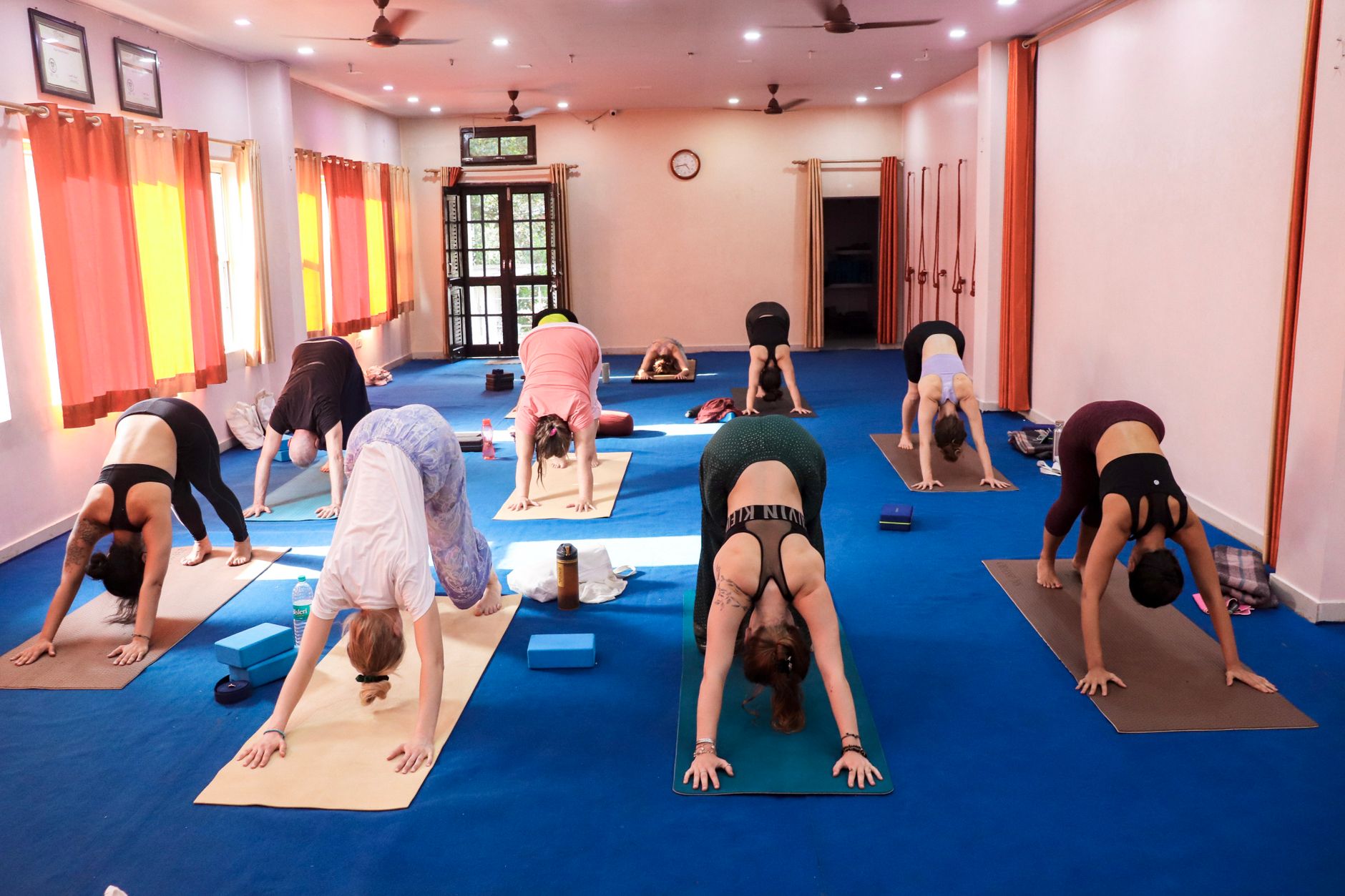
While yoga is widely promoted for its benefits, a responsible practice requires acknowledging its potential risks and contraindications. The most common adverse events are musculoskeletal injuries, such as strains, sprains, or exacerbations of existing conditions, often resulting from pushing beyond one's current range of motion or improper alignment.
Certain populations should approach yoga with particular caution or under direct medical supervision. These include:
- Individuals with specific medical conditions: Those with uncontrolled hypertension, glaucoma, severe osteoporosis, or certain spinal conditions (e.g., spinal stenosis, herniated discs) may need to avoid or heavily modify poses involving inversions, deep forward folds, or spinal twists.
- People in acute phases of illness or injury: Practicing with acute inflammation, recent surgery, or significant pain is generally contraindicated until cleared by a healthcare provider.
- Pregnant individuals: While prenatal yoga is beneficial, it requires specific modifications. Poses that compress the abdomen or involve lying flat on the back after the first trimester should be avoided. Guidance from a certified prenatal instructor is essential.
Clinical Insight: From a physiotherapy perspective, the risk in yoga often lies not in the poses themselves, but in the repetitive loading of joints in vulnerable positions for which an individual is not prepared. A common example is hyperextending the knees in standing poses, which can stress the ligaments. The principle of "first, do no harm" applies; a gentle, progressive approach focused on stability and control is safer than striving for extreme flexibility.
Psychological contraindications are also important to consider. For individuals with a history of trauma, certain forms of intense breathwork (pranayama) or meditation may trigger distress. Those with a history of eating disorders or body dysmorphia should be mindful of styles overly focused on physical aesthetics or performance.
The evidence clearly supports that yoga is safe for most people when practiced mindfully under qualified instruction. However, data on risks for populations with complex comorbidities is more limited. The strongest recommendation is for individuals with any of the above concerns, or those taking medications for conditions like low blood pressure, to consult their physician or a relevant specialist (e.g., cardiologist, orthopedist) before beginning a practice. A well-informed, personalized approach is the cornerstone of safe and sustainable yoga.
4. Practical Implementation of a 90-Day Yoga Routine for Sustainable Benefits

A structured 90-day plan can help translate the intention of a yoga practice into sustainable, measurable benefits. The key is progressive overload—gradually increasing the duration, frequency, and intensity of your practice—coupled with consistency. Evidence from systematic reviews suggests that regular yoga practice over 8-12 weeks can lead to significant improvements in flexibility, muscular strength, and perceived stress levels.
Phased Approach for Sustainable Adaptation
A phased approach respects the body's need for adaptation and reduces injury risk. Consider this framework:
- Days 1–30 (Foundation): Focus on alignment and breath awareness. Practice 3-4 times per week for 20-30 minutes. Emphasize foundational poses (asanas) like Mountain Pose (Tadasana), Cat-Cow (Marjaryasana-Bitilasana), and gentle forward folds.
- Days 31–60 (Building): Increase frequency to 4-5 sessions weekly, extending duration to 30-45 minutes. Introduce more dynamic sequences like Sun Salutations (Surya Namaskar) and begin holding poses for longer to build strength and stability.
- Days 61–90 (Integration): Aim for 5-6 sessions per week, with practices lasting 45-60 minutes. Integrate more challenging asanas, longer meditation (dhyana), or pranayama (breath control) techniques. The goal is to make the practice a non-negotiable part of your routine.
Clinical Perspective: While the 90-day timeline is a useful structure, individual variability is significant. Listen to your body's signals—persistent pain is a sign to regress, not push through. The evidence for stress reduction is robust, but the mechanisms (e.g., parasympathetic activation, mindfulness) require consistent practice to become ingrained neural pathways. Missing a day is not a failure; long-term adherence matters more than perfect short-term compliance.
Key Considerations for Safety and Efficacy
To maximize benefits and minimize risks, integrate these principles:
- Professional Guidance: Especially in the foundational phase, guidance from a certified instructor—in-person or via high-quality video—is crucial for learning proper alignment and avoiding compensatory patterns.
- Contraindications & Precautions: Individuals with specific conditions must proceed with caution and seek medical clearance. This includes those with uncontrolled hypertension, glaucoma, severe osteoporosis, recent surgery, or a history of joint instability or disc herniation. Pregnant individuals should only practice prenatal yoga under qualified guidance.
- Holistic Integration: For sustainable stress relief, view yoga as one component of a holistic approach. Pair it with adequate sleep, balanced nutrition, and other stress-management strategies for synergistic effects.
Ultimately, the success of a 90-day journey lies not in achieving extreme poses, but in cultivating a mindful, respectful, and consistent relationship between mind and body.
5. Safety Monitoring and Indications for Medical Consultation During Yoga Practice
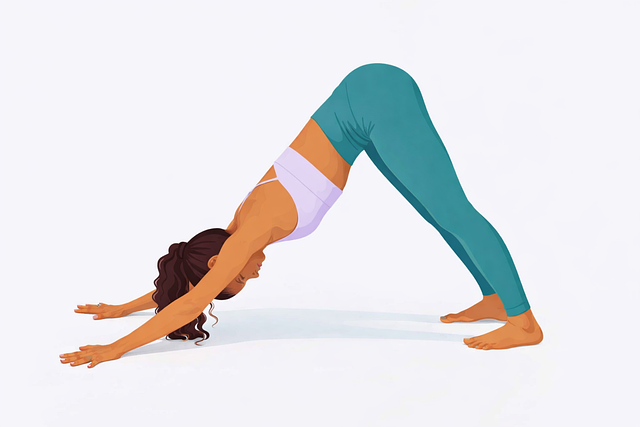
Yoga is widely regarded as a safe practice with a low rate of serious injury, particularly when performed mindfully and under qualified instruction. However, like any physical discipline, it carries inherent risks, especially for individuals with pre-existing health conditions or when postures are performed incorrectly. A proactive approach to safety monitoring is essential for a sustainable and beneficial practice.
The cornerstone of safe yoga is cultivating interoceptive awareness—the ability to perceive and interpret signals from your own body. This involves distinguishing between the productive sensation of stretching or muscular engagement and the sharp, shooting, or grinding pain that indicates potential harm. Key signals that warrant immediate cessation of a pose include:
- Acute, stabbing, or radiating pain (especially in joints like knees, shoulders, or the spine).
- Dizziness, lightheadedness, or significant shortness of breath.
- Numbness, tingling, or a "pins and needles" sensation.
- A feeling of instability or "giving way" in a joint.
Expert Insight: Clinically, we see yoga-related injuries most often from repetitive strain or pushing into extreme ranges of motion. The mantra "no pain, no gain" is contraindicated here. Pain is a protective neurologic signal. Discomfort from stretching is typically diffuse and muscular; joint pain or nerve pain is localized and sharp. Learning this distinction is a critical skill for long-term practice.
While evidence strongly supports yoga's benefits for general wellness, the evidence for its safety in specific medical contexts is more nuanced. It is strongly advised to consult with a physician or relevant specialist before beginning or intensifying a practice if you have:
- Uncontrolled hypertension or cardiovascular disease: Inversions and strenuous poses can significantly affect blood pressure.
- Glaucoma or retinal issues: Inversions increase intraocular pressure.
- Significant osteoporosis or bone fragility: Forward folds and spinal twists risk vertebral compression fractures.
- Active inflammatory arthritis or acute joint injury: Load-bearing poses may exacerbate inflammation.
- Pregnancy (especially second and third trimester): Modifications are crucial; avoid deep twists and supine positions for prolonged periods.
- A history of disc herniation or spinal instability.
Furthermore, inform your yoga instructor of any relevant conditions. A qualified teacher can offer appropriate modifications, such as using props (blocks, straps, bolsters) or suggesting alternative poses (e.g., "half-lift" instead of a full forward fold). The goal is adaptation, not adherence to an idealized form. Integrating this mindful, evidence-informed approach to safety ensures your yoga journey supports both flexibility and long-term physical integrity.
6. Questions & Expert Insights
Can yoga really reduce stress, or is it just a placebo effect?
The stress-relieving effects of yoga are supported by a growing body of evidence, extending beyond a simple placebo. Research indicates that the practice works through multiple physiological pathways. It reliably activates the parasympathetic nervous system (the "rest and digest" response) through controlled breathing (pranayama) and gentle movement, lowering cortisol levels and heart rate. Furthermore, the mindfulness component helps modulate the brain's response to stress by strengthening prefrontal cortex regulation over the amygdala. However, the evidence has limitations: many studies are of short duration, have small sample sizes, or compare yoga to no treatment rather than an active control like other forms of exercise. While not a "miracle cure," yoga is considered a legitimate mind-body intervention for stress management by bodies like the National Institutes of Health (NIH).
How quickly can I expect to see real improvements in flexibility?
Improvements in flexibility are highly individual, depending on baseline fitness, age, genetics, and consistency of practice. Generally, with a consistent practice of 2-3 sessions per week, most individuals report perceivable changes in range of motion, such as reaching further in a forward fold, within 4 to 8 weeks. Scientifically, these gains are attributed to neurogenic and myogenic factors: your nervous system becomes more tolerant of stretch (reducing the stretch reflex), and muscle tissues and connective fascia adaptively lengthen. It's crucial to manage expectations; dramatic gains seen in social media are often the result of years of practice. Progress is non-linear, and patience is key to avoid injury from forcing flexibility.
Are there any risks or side effects? Who should be particularly cautious?
Yes, yoga carries risks, primarily musculoskeletal injury, especially when poses are performed with improper alignment or excessive force. Common injury sites include the shoulders, knees, lower back, and neck. Certain populations must exercise extreme caution or avoid specific practices altogether. Individuals with uncontrolled hypertension, glaucoma, severe osteoporosis, or certain spinal conditions (e.g., spinal stenosis, herniated discs) should avoid deep forward folds, inversions, or intense backbends. Those with joint hypermobility or Ehlers-Danlos syndrome need to focus on stability and proprioception over flexibility. Anyone with a history of eating disorders should be wary of yoga cultures that over-emphasize body aesthetics. Always inform your instructor of any health conditions before class.
When should I talk to my doctor before starting yoga, and what should I discuss?
Consult your physician or a relevant specialist if you have any chronic, unstable, or recent acute health conditions. This is imperative for individuals with cardiovascular issues (e.g., heart disease, high blood pressure), neurological disorders, severe respiratory conditions, pregnancy (especially high-risk), or recent surgery or major injury. Before your appointment, research the style of yoga you're considering (e.g., gentle Hatha vs. vigorous Ashtanga). Bring a list of specific poses or practices you're unsure about (e.g., headstands, deep twists, intense breath-holding). Discuss your goals (e.g., stress relief vs. flexibility) and ask for clear, written guidance on any movements or intensities you must avoid. This enables your doctor to give precise, actionable advice rather than a generic "be careful."
7. In-site article recommendations
8. External article recommendations
9. External resources
The links below point to reputable medical and evidence-based resources that can be used for further reading. Always interpret them in the context of your own situation and your clinician’s advice.
-
wikipedia wikipedia.org90-day yoga practice – Wikipedia (search)
-
healthline healthline.com90-day yoga practice – Healthline (search)
-
mayoclinic mayoclinic.org90-day yoga practice – Mayo Clinic (search)
These external resources are maintained by third-party organisations. Their content does not represent the editorial position of this site and is provided solely to support readers in accessing additional professional information.