
1. Introduction to Tai Chi Walking and Mobility Context

Mobility, defined as the ability to move freely and easily, is a cornerstone of functional independence and quality of life. Its decline is a common concern with aging and can be influenced by factors such as joint stiffness, muscle weakness, poor balance, and neurological changes. While structured exercise is a well-established intervention, there is growing clinical interest in integrative mind-body practices that address both the physical and attentional components of movement.
Tai Chi Walking, or Tai Chi Bu, is a foundational practice derived from traditional Tai Chi Chuan. It is not simply walking while performing Tai Chi hand movements. Instead, it is a deliberate, meditative practice of walking that emphasizes specific biomechanical and mental principles:
- Mindful Weight Shifting: A slow, conscious transfer of weight from one leg to the other, fostering stability and lower-body coordination.
- Upright Posture & Spinal Alignment: Maintaining a tall, relaxed spine to optimize balance and reduce compensatory strain.
- Controlled, Fluid Movement: Moving with continuous, unhurried motion to enhance proprioception (body awareness) and joint lubrication.
- Integration of Breath: Coordinating movement with diaphragmatic breathing to reduce tension and promote a calm, focused state.
The proposed mobility benefits of Tai Chi Walking are theorized to stem from this unique combination. The slow, controlled loading may improve lower-limb strength and joint proprioception, while the mindful focus could enhance neuromuscular control and reduce fear of falling.
Evidence Context: The broader evidence for Tai Chi's benefits for balance, fall prevention, and mobility in older adults is robust and supported by numerous systematic reviews. However, research specifically isolating "Tai Chi Walking" as a distinct modality is limited. Most studies evaluate multi-component Tai Chi forms. Therefore, while the principles are sound and derived from an evidence-based practice, direct high-quality evidence for Tai Chi Walking alone is preliminary.
Individuals with significant balance impairments, severe osteoporosis, acute joint inflammation, or uncontrolled cardiovascular conditions should consult a physician or a qualified physical therapist before beginning any new movement practice, including Tai Chi Walking. Proper instruction is crucial to ensure safe technique and avoid strain.
2. Scientific Evidence and Physiological Mechanisms

The mobility gains reported from practices like Tai Chi walking are supported by a growing body of scientific literature. The primary physiological mechanisms can be understood through the lens of neuromuscular control, postural stability, and biomechanical efficiency.
Key Mechanisms of Action
Tai Chi walking integrates several core principles that drive physiological adaptation:
- Dynamic Balance Training: The slow, controlled weight shifting and narrow stance challenge the proprioceptive and vestibular systems, enhancing neuromuscular coordination and postural control.
- Eccentric Muscle Loading: The deliberate, slow lowering of the body during steps places controlled stress on muscles and connective tissues, which can improve strength and tendon resilience.
- Gait Re-education: The focus on a smooth, rolling gait from heel to toe can help retrain walking patterns, potentially reducing joint impact and improving stride efficiency.
- Mind-Body Integration: The required mental focus on movement may increase cortical involvement in motor control, potentially leading to more refined and adaptable movement patterns.
Strength of the Evidence
The evidence supporting these mechanisms varies in strength. There is robust, high-quality evidence from systematic reviews and randomized controlled trials (RCTs) that traditional Tai Chi improves balance, reduces fall risk in older adults, and alleviates symptoms of osteoarthritis and Parkinson's disease.
However, the specific practice of "Tai Chi walking" as a standalone modality has not been studied as extensively. Its benefits are inferred from the well-established principles of Tai Chi and gait analysis research. Preliminary studies and clinical observations suggest it can improve functional mobility, but larger, long-term RCTs focused specifically on this walking variant are needed to confirm its efficacy compared to other forms of exercise.
Clinical Perspective: From a rehabilitation standpoint, the value lies in its scalability and focus on quality of movement. It is often viewed as a form of "moving meditation" that builds foundational stability, which can then translate to safer, more confident ambulation in daily life. The slow pace makes it particularly accessible for deconditioned individuals or those in early-stage rehabilitation.
Important Considerations and Cautions
While generally safe, certain individuals should exercise caution or consult a healthcare provider before beginning:
- Those with acute joint injuries, severe osteoporosis, or significant vestibular disorders.
- Individuals with uncontrolled hypertension or dizziness.
- Anyone recovering from recent surgery or experiencing acute pain.
It is crucial to start slowly, possibly under the guidance of a qualified instructor, and to prioritize proper form over duration or range of motion to avoid strain.
3. Risks, Contraindications, and Populations to Avoid

While Tai Chi walking is generally considered a low-impact, safe form of movement, it is not without potential risks. Acknowledging these is a critical component of a responsible practice. The primary risks are musculoskeletal and relate to improper technique or overexertion.
- Acute Injury: The slow, controlled weight shifts and stances can place stress on the ankles, knees, and hips. Performing movements with misaligned posture or forcing a deeper stance than one's current mobility allows can lead to sprains, strains, or joint pain.
- Overuse Injury: Repetitively practicing the same stepping patterns without adequate rest or complementary strength training could contribute to tendinitis, particularly in the lower limbs.
- Dizziness or Falls: The focus on coordinated breathing with movement, combined with head turns and shifting balance, may initially cause lightheadedness in some individuals, increasing fall risk.
Evidence regarding the absolute risk rates for Tai Chi is limited, as most studies focus on its benefits. However, clinical guidelines consistently stress that proper instruction and graded progression are essential for safety.
Clinical Perspective: From a rehabilitation standpoint, the greatest risk is often an individual's enthusiasm outpacing their body's readiness. The slow pace can be deceptive, leading people to hold challenging postures for too long. We advise treating it like any new exercise: start with short sessions, focus on alignment over depth, and listen to pain as a stop signal—not a challenge to overcome.
Populations Who Should Exercise Caution or Seek Medical Advice
Certain individuals should consult a physician or a qualified physical therapist before beginning a Tai Chi walking practice to ensure it is appropriately modified for their condition.
- Unstable Joint Conditions: Those with significant, uncontrolled osteoarthritis, acute ligament tears, or recent joint replacement surgery require specific clearance and likely a tailored program.
- Severe Osteoporosis: While Tai Chi can benefit bone health, individuals with a history of fragility fractures or severe osteoporosis must avoid any movements involving spinal flexion or twisting that could increase vertebral compression fracture risk.
- Active Vertigo or Vestibular Disorders: The weight-shifting and turning motions may exacerbate symptoms. A vestibular therapist can provide specific adaptations.
- Uncontrolled Cardiovascular or Respiratory Conditions: Although gentle, the practice affects heart rate and breath control. Those with unstable hypertension, heart failure, or COPD should have their activity plan approved by their specialist.
- Late-Term Pregnancy: Balance changes significantly. Pregnant individuals should seek guidance from a prenatal exercise specialist to modify stances and avoid falls.
The overarching principle is that individual context dictates safety. A conversation with a healthcare provider who understands your medical history is the most reliable step to mitigate risk and ensure this practice supports your health goals.
4. Practical Takeaways for Integrating Tai Chi Walking

Based on the experience of a structured 30-day practice, integrating Tai Chi walking into a daily routine can be approached systematically. The goal is to cultivate mindful movement without creating undue strain or frustration.
Foundational Principles for Practice
Begin by focusing on the core principles that distinguish this practice from ordinary walking. These should be practiced in short, focused sessions before attempting longer walks.
- Mindful Weight Shifting: Consciously transfer your weight from one leg to the other with control, ensuring the emptying leg is completely relaxed before lifting the foot.
- Maintain Upright Posture: Keep the spine elongated, shoulders relaxed, and the head held as if suspended from above. This alignment is central to the practice.
- Move from the Center: Initiate each step from your lower abdomen (the dantian in Tai Chi philosophy), fostering a sense of stability and integrated movement.
A Structured Approach to Integration
A gradual, consistent approach is more sustainable and effective than sporadic, intense sessions. The following progression is suggested:
- Daily Micro-Practice (5-10 minutes): Dedicate a short period to walking in a small circle or straight line indoors, focusing solely on form and weight transition. Consistency here is more valuable than duration.
- Incorporate into Routine Walks: Once the movement pattern feels familiar, apply the principles for a 5-10 minute segment of a regular daily walk, such as the first part of a walk to the mailbox or around the block.
- Expand Duration Mindfully: Gradually extend the Tai Chi walking portion of your walk as comfort and stamina allow, paying close attention to bodily signals to avoid fatigue.
Clinical Perspective: From a rehabilitation standpoint, the slow, controlled weight-bearing and balance components of Tai Chi walking align with principles used in fall prevention and proprioceptive training. However, robust clinical trials specifically on "Tai Chi walking" as a distinct modality are limited. The benefits reported—such as improved balance and movement awareness—are supported by the larger, established evidence base for standard Tai Chi practice. Individuals should view this as a complementary movement practice, not a substitute for prescribed physical therapy.
Important Precautions and Contraindications
While generally low-impact, this practice requires stability and body awareness. Certain individuals should exercise particular caution:
- Those with acute vertigo, significant balance disorders, or uncontrolled hypotension should consult a physician or physical therapist before beginning.
- Individuals with severe osteoarthritis in the knees or hips, or recent lower-limb surgery, must prioritize pain-free range of motion and may need modified movements.
- If you experience any new or worsening joint pain, dizziness, or falls during practice, discontinue and seek professional medical advice.
For most, beginning with very short sessions on level, unobstructed ground is the safest approach. Listening to your body is the most important principle of all.
5. Safety Considerations and When to Consult a Physician
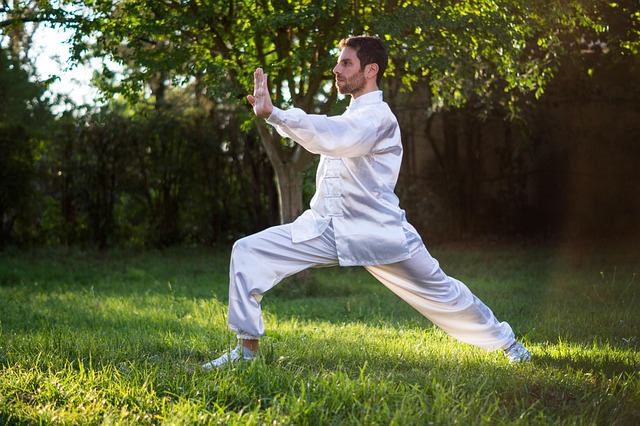
While Tai Chi walking is generally considered a low-impact, safe form of movement, it is not without potential risks. A responsible approach requires acknowledging these risks and understanding when professional medical guidance is essential. The evidence strongly supports the safety of Tai Chi for most populations, but individual health contexts can significantly alter the risk-benefit profile.
Key safety considerations include:
- Balance and Fall Risk: The practice involves controlled weight shifting and single-leg stances. For individuals with significant balance impairment, vertigo, or neuropathy, this could increase fall risk, especially when practiced without supervision or appropriate support.
- Joint Stress: While gentle, the repetitive stepping and knee flexion can aggravate pre-existing conditions like severe osteoarthritis, acute ligament injuries, or unresolved joint pain.
- Cardiovascular Strain: The slow, mindful pace typically keeps heart rate moderate. However, those with uncontrolled hypertension, heart failure, or a recent cardiac event should have their activity plan cleared by a cardiologist.
Clinical Perspective: From a rehabilitation standpoint, we view Tai Chi walking as a graded exposure to movement. The primary principle is "first, do no harm." We always assess a patient's baseline stability, pain levels, and cardiovascular readiness before recommending any new movement pattern, no matter how gentle it appears. The slow pace is an advantage for monitoring bodily feedback.
It is strongly advised to consult a physician or relevant specialist before beginning if you have:
- Diagnosed osteoporosis (risk of fracture from a fall).
- Active or unstable cardiovascular or respiratory conditions.
- Recent surgery (especially involving hips, knees, ankles, or spine).
- Severe dizziness or vestibular disorders.
- Pregnancy, particularly in the second or third trimester, where balance and center of gravity are altered.
Furthermore, if you experience any of the following during or after practice, you should stop and seek medical evaluation: sharp or shooting pain (as opposed to mild muscular soreness), increased joint swelling, chest pain, palpitations, or severe dizziness. The evidence for Tai Chi's benefits is robust, but it is not a substitute for targeted medical treatment for acute injuries or specific diseases. A conversation with your doctor ensures the practice is integrated safely into your overall health management plan.
6. Questions & Expert Insights
Can Tai Chi walking really improve mobility in just 30 days?
The reported mobility gains from a 30-day practice are plausible, but the evidence is nuanced. Tai Chi is a well-researched mind-body exercise with strong evidence for improving balance, gait, and functional mobility in older adults and those with conditions like osteoarthritis, often over 8-12 week programs. A 30-day period is a shorter timeframe, but consistent daily practice could yield noticeable subjective improvements in joint awareness, coordination, and reduced stiffness. It is important to distinguish between perceived improvement and objective, clinically significant change. The "unexpected" nature of gains in a personal account may reflect starting from a low baseline of activity or heightened bodily awareness. While promising, these anecdotal results should be viewed as preliminary; sustained, long-term practice is typically required for more profound and measurable functional benefits.
What are the potential risks or side effects of Tai Chi walking, and who should be cautious?
Tai Chi is generally low-impact and safe, but it is not without risk. The most common issues are musculoskeletal, such as knee strain from incorrect stance or holding postures too low. Dizziness may occur during weight-shifting or turning motions. Individuals with specific conditions should exercise particular caution or seek medical clearance first. This includes those with: unstable joints (e.g., severe knee or hip osteoarthritis, recent ligament tears), significant osteoporosis (risk of fracture from twisting), acute vertigo or inner ear disorders, and uncontrolled hypertension. Anyone with a history of falls or severe balance impairment should practice only under direct supervision of a qualified instructor who can provide adaptations.
When should I talk to my doctor before starting a Tai Chi walking practice, and how should I prepare for that conversation?
Consult your physician or a relevant specialist (e.g., physiatrist, physical therapist, cardiologist) if you have any chronic medical condition, are recovering from surgery or injury, are pregnant, or are significantly deconditioned. To make the conversation productive, come prepared with specific information. Tell your doctor: 1) You are considering a Tai Chi-based walking practice that involves slow, controlled movement, weight shifting, and mindful breathing. 2) You plan to practice for approximately [X] minutes per day. 3) Ask specifically about any movement restrictions for your condition (e.g., range of motion limits for a replaced joint, heart rate limits). This allows them to give tailored, safety-focused advice rather than a generic "be careful."
How does Tai Chi walking compare to standard walking or other exercises for mobility?
Tai Chi walking offers distinct neuromotor benefits beyond standard walking. While brisk walking excels at improving cardiovascular health and leg strength, Tai Chi walking emphasizes proprioception (joint position sense), dynamic balance during weight transfer, and core engagement with rotational movements. It is a form of "loaded mindfulness" that trains coordination and stability under controlled conditions. For pure calorie burn or aerobic fitness, it is less efficient than brisk walking. However, for individuals whose primary limitation is not endurance but rather fear of falling, joint stiffness, or poor movement control, the deliberate, slow practice of Tai Chi walking may address deficits that standard walking does not. An ideal regimen might include both for comprehensive fitness.
7. In-site article recommendations
8. External article recommendations
9. External resources
The links below point to reputable medical and evidence-based resources that can be used for further reading. Always interpret them in the context of your own situation and your clinician’s advice.
-
drugs drugs.comTai Chi walking – Drugs.com (search)
-
wikipedia wikipedia.orgTai Chi walking – Wikipedia (search)
-
mayoclinic mayoclinic.orgTai Chi walking – Mayo Clinic (search)
These external resources are maintained by third-party organisations. Their content does not represent the editorial position of this site and is provided solely to support readers in accessing additional professional information.