
1. Introduction to Berberine in Appetite Management Context
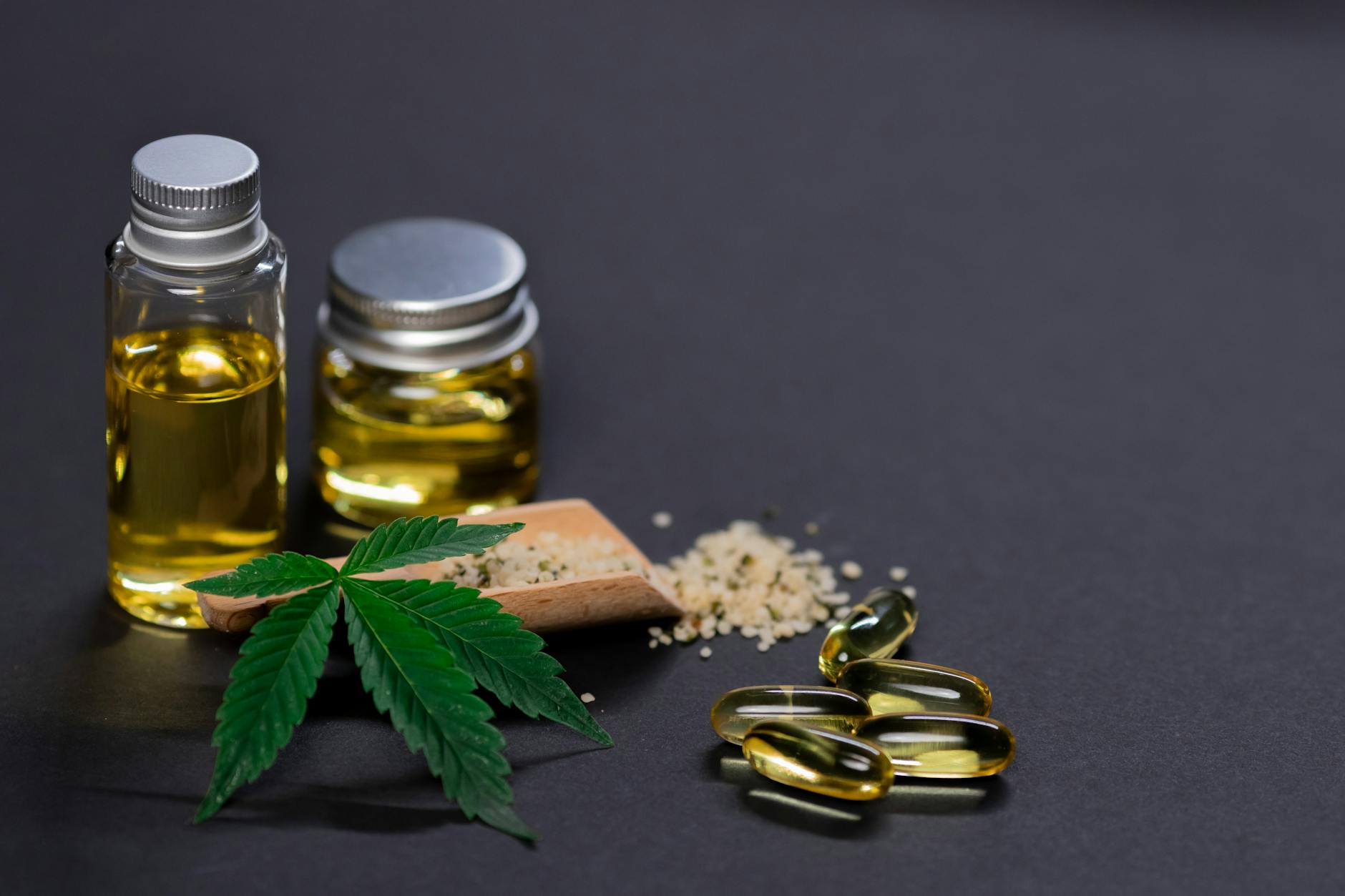
Berberine is a bioactive alkaloid compound extracted from the roots, rhizomes, and stem bark of several plants, including Berberis vulgaris (barberry), Coptis chinensis (goldthread), and Hydrastis canadensis (goldenseal). It has a long history of use in traditional Chinese and Ayurvedic medicine, primarily for gastrointestinal and infectious conditions. In contemporary clinical contexts, it has garnered significant research interest for its metabolic effects, particularly its potential role in appetite and weight management.
The scientific rationale for berberine's influence on appetite stems from its complex, multi-target actions in the body. Its most well-established mechanism is the activation of an enzyme called adenosine monophosphate-activated protein kinase (AMPK), often described as a cellular "master switch" for metabolism. By activating AMPK, berberine can:
- Improve insulin sensitivity and glucose uptake in cells.
- Modulate lipid metabolism and reduce liver fat synthesis.
- Influence the secretion of gut hormones like glucagon-like peptide-1 (GLP-1), which promotes satiety.
These metabolic shifts may indirectly contribute to a more regulated appetite by stabilizing blood sugar levels and enhancing hormonal signals of fullness. Some preliminary research also suggests berberine may interact with neuropeptides in the brain involved in hunger signaling, though this evidence is less robust and primarily derived from animal studies.
Clinical Perspective: It is crucial to distinguish between evidence tiers. Berberine's ability to modestly improve glycemic and lipid markers in individuals with metabolic syndrome or type 2 diabetes is supported by a body of human randomized controlled trials (RCTs). However, its direct effect on appetite suppression as a primary outcome is less definitively proven in high-quality human studies. Most data are extrapolated from its metabolic benefits or are observational. Therefore, it should not be viewed as a direct pharmacological appetite suppressant but rather as a potential metabolic modulator that may support appetite regulation as part of a broader strategy.
Individuals considering berberine for any purpose, including appetite management, should proceed with caution. Its use is not suitable for everyone. Key contraindications and precautions include:
- Pregnancy and lactation: Berberine is contraindicated due to potential risks.
- Pre-existing liver conditions or elevated liver enzymes: Requires medical supervision.
- Polypharmacy: Berberine can inhibit the cytochrome P450 enzyme system (particularly CYP2D6 and CYP3A4), potentially altering the blood levels of many common prescription medications, including certain statins, blood thinners, and antidepressants. A healthcare provider must review all concurrent medications.
- Gastrointestinal side effects, such as cramping, diarrhea, or constipation, are common, especially at higher doses.
Consulting a physician or a registered dietitian is strongly advised before starting berberine, particularly for individuals with chronic health conditions or those taking other medications. This ensures a safe and personalized approach that considers the full clinical picture.
2. Mechanisms and Evidence for Berberine's Appetite Effects

Berberine's potential influence on appetite is not a direct, singular action but appears to be a secondary effect of its broader metabolic modulation. The primary mechanisms are thought to involve the activation of adenosine monophosphate-activated protein kinase (AMPK), a critical cellular energy sensor, and the modulation of gut microbiota.
Activating AMPK in key metabolic tissues like the liver and muscle improves insulin sensitivity and glucose uptake. This can help stabilize blood sugar levels, potentially reducing the sharp spikes and crashes that often trigger hunger and cravings. Furthermore, AMPK activation may influence hormones involved in satiety and energy balance, such as leptin and ghrelin, though this pathway requires more direct human research.
Another significant mechanism is berberine's interaction with the gut microbiome. Research indicates it can promote the growth of beneficial bacteria that produce short-chain fatty acids (SCFAs) like butyrate. These SCFAs can stimulate the release of gut peptides such as glucagon-like peptide-1 (GLP-1) and peptide YY (PYY), which are known to promote feelings of fullness and slow gastric emptying.
The current evidence can be summarized as follows:
- Stronger Evidence: Berberine's efficacy in improving insulin sensitivity and lowering blood glucose in individuals with metabolic dysfunction is well-documented in multiple randomized controlled trials (RCTs). The subsequent appetite modulation is a logical, clinically observed secondary benefit.
- More Limited/Mixed Evidence: Direct, large-scale human RCTs measuring berberine's isolated impact on appetite scores, hunger hormones, or weight loss as a primary endpoint are less common. Individual responses can vary significantly.
Given its biological activity, certain individuals should exercise caution. Berberine can interact with numerous medications metabolized by the liver's CYP450 enzyme system, including certain statins, blood thinners, and antidepressants. It is not recommended during pregnancy or breastfeeding. Individuals with pre-existing liver conditions, kidney disease, or those on multiple medications must consult a physician before use to assess potential risks and interactions.
3. Risks and Populations to Avoid Berberine Use

While berberine is a compound of significant scientific interest, it is not a benign supplement. Its potent biological activity necessitates a clear understanding of its potential risks and contraindications. A responsible approach requires identifying populations for whom use is contraindicated or requires extreme caution under medical supervision.
Primary Contraindications and High-Risk Groups
The following individuals should generally avoid berberine supplementation:
- Pregnant and Breastfeeding Individuals: Berberine can cross the placenta and has been associated with kernicterus (a type of brain damage) in newborns due to its potential to displace bilirubin. Its safety during lactation is also not established.
- Individuals with Severe Liver Disease or Elevated Liver Enzymes: Although rare, there are case reports of berberine potentially contributing to liver injury. Those with pre-existing liver conditions should avoid it unless under direct hepatologist guidance.
- Newborns and Young Children: Due to the risk of kernicterus and a lack of safety data, berberine is contraindicated in this population.
Populations Requiring Medical Consultation & Cautious Use
For others, the primary risks involve drug interactions and exacerbation of existing conditions. You must consult a physician before use if you:
- Take Prescription Medications: Berberine is a notable cytochrome P450 enzyme inhibitor (particularly CYP2D6 and CYP3A4) and may affect drug metabolism. It has strong evidence for potentiating the effects of blood sugar-lowering drugs (e.g., metformin, insulin) and blood pressure medications, risking hypoglycemia or hypotension. It may also interact with anticoagulants, immunosuppressants (like cyclosporine), and many others.
- Have Diabetes or Hypoglycemia: While its glucose-lowering effect is a primary reason for its use, this effect can be unpredictable, especially when combined with other therapies, leading to dangerous lows.
- Have a History of Gastrointestinal Issues: Constipation, diarrhea, cramping, and flatulence are common, dose-dependent side effects that may exacerbate conditions like IBS.
- Have Kidney Disease: While evidence is mixed, some animal studies suggest potential for kidney irritation at high doses. Those with impaired kidney function should exercise caution.
Clinical Perspective: From a pharmacovigilance standpoint, berberine's most significant and well-documented risk is its pharmacokinetic drug interaction potential. It should be treated with the same caution as a pharmaceutical agent. A clinician reviewing a patient's medication list is an essential first step before considering supplementation. The common adage "natural does not mean safe" is particularly applicable here.
In summary, the populations to avoid are clearly defined, and the need for medical consultation is non-negotiable for many. The evidence for these risks, particularly regarding drug interactions and use in pregnancy, is strong and should override any anecdotal reports of benefit.
4. Practical Guidelines for Berberine Integration

Integrating berberine into a health regimen requires a methodical approach to maximize potential benefits while minimizing risks. The evidence for its effects on appetite and metabolic health is promising but primarily from short- to medium-term studies. Long-term safety data in healthy populations is more limited, underscoring the need for a cautious, personalized strategy.
Dosage and Timing
Clinical trials for metabolic support typically use doses ranging from 500 mg to 1500 mg per day, divided into two or three doses. A common and prudent starting point is 500 mg taken once or twice daily with meals. Taking berberine with food can improve its absorption and significantly reduce the likelihood of gastrointestinal side effects, such as cramping, gas, or constipation, which are the most frequently reported adverse reactions.
- Start Low: Begin with 500 mg once daily for the first week to assess tolerance.
- Split Doses: If increasing, split the total daily dose (e.g., 500 mg with breakfast and 500 mg with dinner).
- Consistency is Key: Take it at roughly the same times each day to maintain stable blood levels.
Synergy with Lifestyle
Berberine is not a standalone solution. Its effects on appetite and glucose metabolism are most pronounced and sustainable when combined with foundational health practices. Think of it as a potential adjunct to, not a replacement for, a balanced diet and regular physical activity.
Clinical Insight: In practice, berberine's appetite-modulating effects are often subtle and variable. It may help reduce cravings, particularly for carbohydrates, but it should not be expected to completely override powerful dietary or emotional drivers of overeating. Its primary mechanistic support is for improving insulin sensitivity, which can indirectly influence hunger signals.
Important Cautions and Contraindications
Certain individuals should exercise extreme caution or avoid berberine unless under direct medical supervision:
- Medication Interactions: Berberine can inhibit enzymes that metabolize many prescription drugs, potentially raising their blood levels to dangerous amounts. This is a critical concern for medications like cyclosporine, metformin, warfarin, and many others.
- Pregnancy and Lactation: Berberine is contraindicated due to potential risks to the fetus and newborn.
- Pre-existing Conditions: Individuals with liver disease, kidney disease, or a history of hypoglycemia should avoid use without specialist consultation.
A responsible integration plan involves starting with a low dose, monitoring your body's response for at least 30 days, and never using it as a substitute for a healthcare professional's advice. Consulting a physician or a registered dietitian is strongly recommended before beginning supplementation, especially for anyone with diagnosed health conditions or who is taking other medications.
5. Safety Monitoring and When to Seek Medical Advice

While berberine is a naturally derived compound, it is a pharmacologically active substance with known side effects and drug interactions. A responsible approach requires proactive safety monitoring and a clear understanding of when to consult a healthcare professional.
Essential Self-Monitoring Parameters
If you choose to take berberine, tracking specific health markers can help identify potential issues early. Key parameters to monitor include:
- Gastrointestinal Symptoms: Note any persistent nausea, abdominal cramping, diarrhea, or constipation, as these are the most commonly reported side effects.
- Blood Glucose: If you are monitoring blood sugar, be vigilant for signs of hypoglycemia (e.g., shakiness, sweating, confusion), especially if you are on diabetes medication.
- Energy Levels and Well-being: Pay attention to unusual fatigue, dizziness, or headaches.
Keeping a simple daily log of your dose, symptoms, and any other notable changes provides valuable data for both personal awareness and discussions with your doctor.
Clinical Insight: From a medical perspective, berberine is not an inert supplement. Its mechanism of activating AMPK affects fundamental cellular processes related to metabolism and inflammation. This is why it can interact with prescription drugs so significantly. Treating it with the same caution you would a new prescription medication is a prudent standard.
Critical Contraindications and When to Seek Immediate Advice
Certain individuals should avoid berberine or use it only under strict medical supervision. You must consult your physician before starting berberine if you:
- Are pregnant, breastfeeding, or trying to conceive (berberine may cross the placenta and is not considered safe).
- Have a known liver condition or take medications metabolized by the liver (e.g., certain statins, antidepressants, immunosuppressants).
- Take medications for diabetes (e.g., metformin, insulin) or for high blood pressure, due to the risk of additive effects.
- Have kidney disease, as berberine is primarily cleared by the kidneys.
- Are taking cyclosporine or other drugs where berberine is known to dangerously alter blood levels.
Seek medical advice promptly if you experience severe gastrointestinal distress, signs of low blood sugar, yellowing of the skin or eyes (jaundice), or any other severe or unexpected reaction. Discontinue use and contact your doctor.
The evidence for berberine's metabolic benefits, while promising, comes primarily from short to medium-term studies. Long-term safety data in diverse populations is limited. Therefore, ongoing dialogue with a healthcare provider is the cornerstone of safely integrating any supplement, including berberine, into your health regimen.
6. Questions & Expert Insights
Is berberine truly effective for appetite control and weight management?
The evidence for berberine's role in metabolic health is promising but requires careful interpretation. Several randomized controlled trials and meta-analyses indicate that berberine supplementation can modestly improve markers like fasting blood glucose, insulin sensitivity, and lipid profiles. These metabolic improvements may indirectly influence appetite regulation, potentially by modulating hormones like leptin and ghrelin. However, direct, high-quality evidence showing berberine as a potent, standalone appetite suppressant is more limited. The weight loss observed in studies is typically modest (e.g., a few kilograms over several months) and should be viewed as a supportive component of a broader lifestyle strategy, not a magic bullet. Individual responses vary significantly based on genetics, diet, and baseline metabolic health.
What are the main risks and side effects, and who should avoid berberine?
Berberine is generally well-tolerated but has a notable side effect profile and specific contraindications. Common gastrointestinal side effects include constipation, diarrhea, cramping, and flatulence, often dose-dependent. More seriously, berberine can interact with numerous medications by inhibiting liver enzymes (CYP450) and affecting drug transporters. It is contraindicated for pregnant and breastfeeding women due to the risk of kernicterus in newborns. Individuals with pre-existing liver conditions, severe kidney impairment, or those taking medications for diabetes, blood pressure, cholesterol (statins), blood thinners (e.g., warfarin), or immunosuppressants should avoid berberine unless under strict medical supervision. Its ability to lower blood sugar also poses a risk of hypoglycemia, especially when combined with diabetes medications.
When should I talk to my doctor before trying berberine, and how should I prepare for that conversation?
You should consult a physician or a registered dietitian/specialist before starting berberine if you have any diagnosed medical condition, are taking any prescription or over-the-counter medications, or are planning for pregnancy. To prepare for an effective conversation, bring a complete list of all your medications and supplements, including dosages. Be ready to discuss your specific health goals (e.g., "managing post-meal sugar spikes" vs. "general weight loss"). Ask direct questions: "Given my current medications for [condition], is there a risk of interaction?" and "What specific biomarkers (like fasting glucose or liver enzymes) should we monitor if I proceed?" This allows for a risk-benefit analysis tailored to your personal health profile, ensuring safety and appropriate oversight.
How does a 30-day personal experience with berberine compare to long-term scientific evidence?
A 30-day anecdotal report can provide valuable subjective insights into tolerability and initial effects but lacks the rigor of long-term clinical evidence. Short-term experiences may capture the initial gastrointestinal adaptation or placebo effects, while long-term metabolic benefits (or emerging side effects) require studies lasting 3 to 6 months or more. Scientific evidence is derived from controlled populations and measures objective endpoints; a single person's story cannot account for variability, confounding lifestyle changes, or the regression-to-the-mean phenomenon. Therefore, while personal accounts can be motivating, they should not be extrapolated as universal outcomes. Sustainable, clinically meaningful health changes are validated through consistent results across multiple peer-reviewed studies with larger cohorts and longer durations.
7. In-site article recommendations
8. External article recommendations
9. External resources
The links below point to reputable medical and evidence-based resources that can be used for further reading. Always interpret them in the context of your own situation and your clinician’s advice.
-
examine examine.comberberine – Examine.com (search)
-
wikipedia wikipedia.orgberberine – Wikipedia (search)
-
drugs drugs.comberberine – Drugs.com (search)
These external resources are maintained by third-party organisations. Their content does not represent the editorial position of this site and is provided solely to support readers in accessing additional professional information.