
1. Introduction to Berberine and Prediabetes Context

Prediabetes is a critical metabolic state defined by blood glucose levels that are higher than normal but not yet in the diabetic range. It represents a significant risk factor for developing type 2 diabetes, cardiovascular disease, and other complications. The primary goal of management is to improve insulin sensitivity and restore normal glucose metabolism through lifestyle interventions, which remain the cornerstone of treatment.
In this context, there is growing scientific and public interest in adjunctive natural compounds that may support metabolic health. Berberine, a bioactive alkaloid extracted from plants like Berberis vulgaris (barberry) and Coptis chinensis (goldthread), has emerged as one of the most studied. Its proposed mechanisms of action are multi-faceted and include:
- Activation of AMP-activated protein kinase (AMPK): Often described as a cellular "energy sensor," AMPK activation can improve glucose uptake and insulin sensitivity.
- Modulation of gut microbiota: Emerging evidence suggests berberine may favorably alter gut bacteria, which plays a role in systemic inflammation and metabolism.
- Inhibition of hepatic gluconeogenesis: This may help reduce excessive glucose production by the liver.
The evidence for berberine's effects on glycemic parameters is relatively robust within the realm of nutraceutical research. Several meta-analyses of randomized controlled trials conclude that berberine supplementation can significantly lower fasting blood glucose, postprandial glucose, and hemoglobin A1c (HbA1c) levels, with an effect size often comparable to first-line pharmaceutical agents like metformin. However, it is crucial to contextualize this:
- Most trials have been conducted in diagnosed type 2 diabetes, not exclusively in prediabetes.
- Study durations are typically short-term (3-6 months), and long-term safety and efficacy data are limited.
- Responses can vary significantly between individuals.
Clinical Perspective: While the biochemical data is promising, berberine is not a substitute for proven lifestyle modification. Clinicians view it as a potential adjunct, not a first-line monotherapy for prediabetes. Its use requires careful consideration due to potential drug interactions and side effects.
Who should exercise caution? Individuals with the following conditions should consult a physician before considering berberine:
- Liver disease or elevated liver enzymes
- Kidney impairment
- Pregnancy or breastfeeding
- Those taking medications metabolized by the CYP450 enzyme system (e.g., certain statins, blood thinners, antidepressants) or medications for diabetes (due to risk of hypoglycemia).
This chapter sets the stage for a detailed, objective exploration of one individual's 90-day experience, placing anecdotal observations within the broader context of established science and clinical caution.
2. Evidence and Mechanisms of Berberine in Hormone Regulation

Berberine, a bioactive compound extracted from plants like Berberis, has been studied for its potential to influence metabolic and hormonal pathways. Its mechanisms are complex and multi-targeted, with the most robust evidence centered on glucose and lipid metabolism.
The primary and most well-supported mechanism is the activation of adenosine monophosphate-activated protein kinase (AMPK), often described as a cellular "energy sensor." By activating AMPK, berberine can:
- Enhance cellular glucose uptake, similar to the action of metformin.
- Improve insulin sensitivity in peripheral tissues like muscle and fat.
- Modulate hepatic gluconeogenesis, reducing excessive glucose production by the liver.
Beyond AMPK, evidence suggests berberine may influence other hormonal pathways, though the data is more preliminary or derived from cellular and animal models. These potential mechanisms include:
- Gut Microbiome Modulation: Altering gut bacteria composition may improve gut barrier function and reduce systemic inflammation, indirectly benefiting metabolic hormones.
- Incretin Hormones: Some studies indicate berberine may increase levels of glucagon-like peptide-1 (GLP-1), a hormone that enhances insulin secretion and promotes satiety.
- Adipokine Regulation: It may help normalize the secretion of hormones from fat tissue, such as adiponectin (which improves insulin sensitivity) and leptin (involved in appetite regulation).
Clinical Perspective: While the AMPK-related glucose-lowering effects are consistently demonstrated in human trials, other hormonal influences are less definitively proven in clinical settings. The effects on incretins and adipokines, while biologically plausible, often come from smaller, shorter-term studies. Berberine should not be viewed as a direct replacement for established hormone therapies.
It is crucial to distinguish between strong evidence and areas of ongoing research. The glycemic and lipid-lowering benefits in prediabetes and type 2 diabetes are supported by numerous randomized controlled trials and meta-analyses. In contrast, claims regarding direct, potent regulation of sex hormones (e.g., testosterone, estrogen) or thyroid hormones in humans lack substantial clinical evidence and should be interpreted with caution.
Individuals with liver conditions, those taking medications metabolized by the liver (especially via the CYP450 system, including many statins and blood thinners), pregnant or breastfeeding women, and people with significant kidney impairment should exercise extreme caution and must consult a physician before considering berberine due to risks of interaction and adverse effects.
3. Risks and Contraindications for Berberine Use

While berberine shows promise for metabolic health, its use is not without potential risks and important contraindications. A responsible approach requires understanding these factors to avoid harm.
Primary Safety Concerns and Drug Interactions
The most significant and well-documented risk of berberine is its potential to interact with prescription medications. Berberine can inhibit enzymes in the liver (notably CYP3A4 and CYP2D6) responsible for metabolizing many drugs. This can lead to dangerously elevated levels of the medication in the bloodstream. Extreme caution is required for individuals taking:
- Cyclosporine and other immunosuppressants: Risk of toxicity and organ rejection. Metformin, sulfonylureas, and insulin: Potentiated hypoglycemia (low blood sugar). Warfarin and other blood thinners: Increased risk of bleeding. Certain antidepressants, statins, and blood pressure medications: Altered drug levels and effects.
Anyone on chronic medication must consult their physician and pharmacist before considering berberine.
Gastrointestinal and Other Side Effects
Gastrointestinal distress is the most commonly reported side effect in clinical trials, though it often diminishes with time. These can include:
- Constipation, diarrhea, or abdominal cramping
- Flatulence and bloating
- Nausea
Starting with a lower dose (e.g., 500 mg daily) and taking it with meals may mitigate these effects. Less common but notable concerns include potential impacts on bilirubin metabolism in newborns and a theoretical risk of inducing kernicterus, making it absolutely contraindicated during pregnancy and lactation.
Clinical Insight: From a safety perspective, berberine is often approached with the same caution as a pharmaceutical agent due to its potent biochemical activity. The drug interaction profile is its most critical risk factor. Clinicians also note that while human trials for metabolic endpoints are promising, long-term safety data (beyond several months) is limited. It should not be viewed as a benign "natural supplement" but as an active compound requiring informed use.
Specific Populations to Exercise Caution
Beyond those on medications, several groups should avoid berberine or use it only under direct medical supervision:
- Individuals with liver disease: Due to its metabolism and rare associations with elevated liver enzymes. Those with kidney impairment: As berberine is primarily excreted by the kidneys, accumulation could occur. Children and adolescents: Lack of safety data. People undergoing surgery: Discontinue at least two weeks prior due to potential effects on blood sugar and bleeding.
The evidence for berberine's benefits in prediabetes is compelling but preliminary in the context of lifelong management. Its risks are concrete and require proactive management. A discussion with a healthcare provider is an essential first step to weigh individual benefits against these potential harms.
4. Practical Takeaways from a 90-Day Berberine Trial

Based on the available clinical evidence and the reported experience of a 90-day trial, several practical considerations emerge for individuals exploring berberine for prediabetes management. It is crucial to frame these takeaways within the context of evidence-based medicine and individual health status.
The most consistent finding from randomized controlled trials is berberine's ability to modestly improve glycemic markers. A typical outcome might involve a reduction in fasting blood glucose by approximately 10-20 mg/dL and a decrease in HbA1c by 0.5-1.0% over several months. These effects are supported by moderate-quality evidence and are comparable in magnitude to some first-line pharmaceutical interventions for metabolic health.
For practical implementation, consider the following structured approach:
- Dosage and Timing: Clinical studies commonly use 500 mg taken two to three times daily, totalling 1000-1500 mg per day. Dosing with meals may help mitigate potential gastrointestinal side effects and align with its mechanism of action on postprandial glucose.
- Consistency is Key: Berberine is not an acute intervention. Meaningful changes in insulin sensitivity and hormone profiles, such as reductions in fasting insulin, typically require consistent use over 8-12 weeks.
- Foundation First: The supplement should be an adjunct to, not a replacement for, foundational lifestyle therapy. Its greatest utility may be in supporting the effects of a balanced diet and regular physical activity.
Clinical Perspective: From a safety standpoint, berberine is generally well-tolerated, but it is a pharmacologically active compound. Its most notable risk is the potential for drug interactions. It can inhibit enzymes in the cytochrome P450 system (particularly CYP2D6 and CYP3A4) and may affect the metabolism of common medications, including certain statins, blood thinners, and antidepressants. A thorough medication review with a physician is non-negotiable before starting.
Who Should Exercise Caution? Individuals with pre-existing liver conditions, pregnant or breastfeeding women, and those with a history of hypoglycemia should avoid berberine unless under direct medical supervision. Its effects on gut motility mean those with digestive disorders like IBS should proceed cautiously.
In summary, a 90-day trial can provide meaningful insight into an individual's response, but it is a medium-term experiment, not a cure. The strongest evidence supports its role as a complementary tool for improving metabolic parameters when used systematically alongside lifestyle measures. Any decision to use berberine should be made in consultation with a healthcare provider who can assess its appropriateness within your complete clinical picture.
5. Safety Protocols and When to Consult a Healthcare Professional
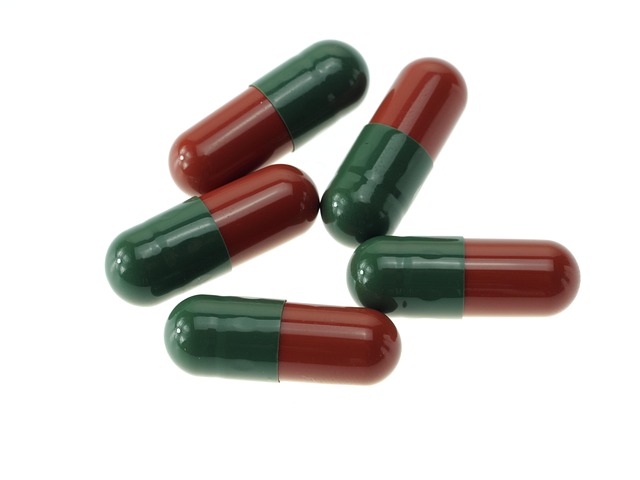
While berberine is a promising compound for metabolic health, its use requires a structured safety-first approach. It is not a benign supplement and has significant biological activity, necessitating careful protocols and professional oversight.
Essential Pre-Use Safety Protocols
Before considering berberine, establish these foundational steps:
- Confirm Your Status: Obtain a formal diagnosis of prediabetes or insulin resistance from a healthcare provider. Self-diagnosis based on symptoms or home tests is insufficient.
- Baseline Testing: Secure baseline bloodwork, including fasting glucose, HbA1c, liver enzymes (ALT/AST), kidney function (creatinine/eGFR), and a complete blood count. This provides a critical reference point.
- Medication & Supplement Audit: Compile a complete list of all prescription medications, over-the-counter drugs, and other supplements for your doctor or pharmacist to review for potential interactions.
Critical Contraindications and Who Must Avoid It
Berberine is contraindicated in specific populations due to lack of safety data or known risks:
- Pregnancy and Lactation: Berberine may cross the placenta and is not considered safe during pregnancy or breastfeeding. Individuals with Liver or Kidney Impairment: As berberine is metabolized by the liver and excreted via the kidneys, those with pre-existing conditions in these organs should avoid it unless under strict specialist supervision.
- Children and Adolescents: Safety and efficacy have not been established for those under 18.
Clinical Insight: The most significant risk with berberine is its potential to interact with medications metabolized by the CYP450 enzyme system, particularly CYP3A4 and CYP2D6. It can dangerously increase levels of drugs like certain statins, blood thinners (e.g., warfarin), and some antidepressants. A pharmacist-led interaction check is a non-negotiable step.
When to Consult a Healthcare Professional
You should schedule a consultation with a physician, endocrinologist, or a knowledgeable integrative/functional medicine doctor in the following scenarios:
- Prior to Starting: Always before your first dose to discuss appropriateness, dosage, and monitoring.
- If You Experience Adverse Effects: Such as gastrointestinal distress (nausea, cramping, constipation), dizziness, or signs of hypoglycemia (shakiness, sweating, confusion).
- For Medication Management: If you are on any prescription drugs for diabetes (e.g., metformin, insulin), blood pressure, or cholesterol. Dosages may need adjustment to avoid additive effects.
- For Ongoing Monitoring: To repeat blood tests (e.g., at 45 and 90 days) to objectively assess efficacy and safety, ensuring the intervention is working as intended without harming organ function.
In summary, berberine should be approached as a potent intervention, not a casual supplement. Its use must be anchored in objective diagnostic data, transparent communication with your care team, and a commitment to regular biochemical monitoring to ensure safety and efficacy.
6. Questions & Expert Insights
Is berberine a proven substitute for prescription medications like metformin for prediabetes?
No, berberine is not a proven substitute for FDA-approved medications. While some clinical trials show berberine can modestly improve fasting blood glucose and HbA1c levels—effects comparable in magnitude to metformin in some short-term studies—the evidence base is not as robust or long-term. Most trials are smaller, of shorter duration (often 12-24 weeks), and conducted in specific populations. Metformin has decades of safety data, is backed by major diabetes guidelines, and its long-term cardiovascular benefits are established. Berberine should be viewed as a potential complementary agent, not a replacement, for individuals under a doctor's care. Any decision to adjust medication must be made in consultation with a healthcare provider, as abruptly stopping a prescribed drug can be dangerous.
What are the most important side effects and risks? Who should absolutely avoid berberine?
Berberine is generally well-tolerated but commonly causes gastrointestinal side effects like cramping, diarrhea, and constipation, especially at higher doses. More serious risks involve drug interactions. Berberine can inhibit enzymes (CYP3A4, CYP2D6) responsible for metabolizing many common drugs, potentially raising their blood levels to dangerous amounts. This includes statins, blood thinners (e.g., warfarin), some antidepressants, and immunosuppressants. It may also lower blood sugar and blood pressure, posing risks for those already on medication for diabetes or hypertension. Individuals who should avoid berberine include: pregnant or breastfeeding women (risk of kernicterus in newborns), individuals with significant liver disease, those with severe kidney impairment, and people taking medications with a narrow therapeutic index. A thorough medication review with a doctor or pharmacist is essential before considering use.
If I want to try berberine, what should I discuss with my doctor, and what information should I bring?
Initiate this conversation by stating your interest in a complementary approach for prediabetes management. Come prepared with specific information to ensure a productive and safe discussion. Bring a complete list of all medications and supplements you take, including dosages. Share your most recent lab results (fasting glucose, HbA1c, lipid panel, liver/kidney function tests). Discuss your full health history, especially regarding liver, kidney, or gastrointestinal conditions. Ask your doctor these key questions: "Given my current health and medications, is berberine appropriate for me?" "What is a safe starting dose, and how should I monitor for side effects?" "How will we track its efficacy—what changes in my labs or symptoms should we look for, and over what timeframe?" This collaborative approach ensures any supplement use is integrated safely into your overall care plan.
The 90-day hormone changes mentioned in personal stories sound impressive. How strong is the evidence for berberine's effects on hormones like insulin and cortisol?
The evidence for berberine's impact on hormones is promising but preliminary and requires cautious interpretation. For insulin, several studies demonstrate berberine can improve insulin sensitivity, reducing fasting insulin levels. This is believed to be a primary mechanism for its glucose-lowering effect. Regarding cortisol (a stress hormone), the data is much weaker. A few small animal and human studies suggest berberine may modulate the hypothalamic-pituitary-adrenal (HPA) axis, but results are inconsistent, and human trials are scarce. The dramatic hormonal shifts sometimes described in anecdotal reports are not consistently observed in controlled research. Many factors—sleep, stress, diet, exercise—profoundly influence these hormones over 90 days. It is difficult to isolate berberine's specific effect. While the mechanistic potential is interesting, claims of significant, reliable hormone "balancing" extend beyond the current clinical evidence.
7. In-site article recommendations
8. External article recommendations
9. External resources
The links below point to reputable medical and evidence-based resources that can be used for further reading. Always interpret them in the context of your own situation and your clinician’s advice.
-
mayoclinic mayoclinic.orgberberine – Mayo Clinic (search)
-
healthline healthline.comberberine – Healthline (search)
-
wikipedia wikipedia.orgberberine – Wikipedia (search)
These external resources are maintained by third-party organisations. Their content does not represent the editorial position of this site and is provided solely to support readers in accessing additional professional information.