
1. Introduction to Chia Seeds and Contextual Background

Chia seeds (Salvia hispanica L.) are small, nutrient-dense seeds derived from a flowering plant in the mint family, native to Central and South America. Historically a staple food for Mesoamerican cultures, they have gained significant popularity in modern wellness and nutritional circles. This chapter provides a foundational, evidence-based overview of their composition and the context for understanding their purported effects on digestive health and "cleansing."
From a nutritional biochemistry perspective, chia seeds are notable for their unique macronutrient profile. The primary components of interest include:
- Dietary Fiber: Approximately 34-40% of their weight is fiber, with a high proportion being soluble fiber. This forms a gel-like substance when mixed with water, which is central to discussions about their digestive effects.
- Omega-3 Fatty Acids: They are a rich plant source of alpha-linolenic acid (ALA), a type of omega-3 fatty acid.
- Protein and Micronutrients: They contain a complete protein profile and provide minerals such as calcium, magnesium, and phosphorus.
The term "cleansing" in popular health discourse is often ambiguous and not a standard medical term. In the context of chia seeds, it typically refers to their potential to support regular bowel movements and promote a feeling of digestive lightness, primarily attributed to their high soluble fiber content. The evidence for this is relatively strong: soluble fiber is well-established in clinical nutrition for its ability to absorb water, soften stool, and add bulk, which can aid in regularity.
Clinical Perspective: It is crucial to differentiate between the mechanical effect of fiber on digestion and the concept of "detoxification" or "internal cleansing." The human body possesses highly efficient systems (the liver, kidneys, gastrointestinal tract) for eliminating waste and toxins. While fiber supports gut motility and health, it does not "detox" the body in the way some marketing claims suggest. The evidence for chia seeds specifically improving gut microbiota or providing benefits beyond those of other high-fiber foods is more preliminary and requires further long-term human studies.
Before incorporating chia seeds into a routine, certain individuals should exercise caution and consult a healthcare provider. This includes people with a history of dysphagia (difficulty swallowing), gastrointestinal strictures, or major digestive disorders like Crohn's disease or diverticulitis, as the gel-forming property may pose a risk of obstruction if not consumed with adequate fluid. Those on medication for diabetes or blood pressure should also seek advice, as high fiber intake can influence the absorption and efficacy of some drugs.
2. Evidence and Mechanisms of Digestive Effects

The digestive effects commonly reported with chia seeds, such as improved regularity and a sensation of "cleansing," are primarily attributed to their high fiber content. The evidence supporting these effects is robust for general digestive health, though more nuanced for specific conditions.
Primary Mechanism: Soluble Fiber and Water Absorption
Chia seeds are exceptionally rich in soluble fiber, particularly mucilage. When mixed with water, this fiber forms a gel-like substance. This mechanism underpins most of the observed digestive effects:
- Bulking and Motility: The gel adds soft bulk to stool, which can stimulate peristalsis and promote more regular bowel movements, potentially alleviating constipation.
- Prebiotic Effect: Soluble fiber acts as a prebiotic, serving as fuel for beneficial gut bacteria. A healthier gut microbiome is associated with improved digestion and immune function.
- Gastric Emptying: The gel may slow gastric emptying, which can contribute to prolonged feelings of fullness and more stable blood sugar levels post-meal.
Strength of the Evidence
The link between high-fiber foods like chia seeds and improved bowel regularity is strongly supported by decades of nutritional epidemiology and clinical studies. However, high-quality, large-scale randomized controlled trials (RCTs) focusing specifically on chia seeds for digestive outcomes are more limited. Most evidence is extrapolated from their well-documented nutritional composition and smaller human studies.
Clinical Perspective: From a gastroenterology standpoint, the effects are physiologically sound. The "cleansing" sensation often described is likely the combination of improved hydration from the gel-forming fiber and more efficient colonic transit. It's important to distinguish this from a true medical "detox" or colon cleanse, which is not supported by evidence.
Cautions and Considerations
While generally safe, the high fiber content necessitates a cautious approach for some individuals:
- Gradual Introduction: A sudden, large increase in fiber intake can cause bloating, gas, and abdominal discomfort.
- Hydration is Critical: Consuming chia seeds without adequate fluid intake can pose a risk of esophageal or intestinal blockage, especially in individuals with swallowing difficulties or narrowed digestive tracts.
- Medical Conditions: Individuals with inflammatory bowel disease (IBD, like Crohn's or ulcerative colitis), a history of bowel obstructions, or those preparing for colonoscopy should consult a gastroenterologist before significantly increasing fiber intake, including from chia seeds.
In summary, the digestive benefits of chia seeds are mechanistically clear and supported by general fiber science. Integrating them slowly with plenty of water is a prudent strategy for most people seeking to support digestive regularity.
3. Risks and Populations to Avoid Chia Seeds

While chia seeds are a nutrient-dense food for many, their unique physical and chemical properties necessitate caution for specific populations. A balanced, evidence-based approach requires acknowledging these potential risks to ensure safe consumption.
Primary Gastrointestinal and Mechanical Risks
The most common adverse effects are gastrointestinal, directly related to their high soluble fiber content. When consumed dry or without adequate hydration, chia seeds can absorb fluid in the esophagus or intestines, potentially leading to:
- Impaction or obstruction: There are documented case reports of esophageal impaction requiring medical intervention in individuals who consumed dry seeds followed by insufficient water.
- Significant bloating, gas, and abdominal discomfort: A rapid increase in fiber intake can overwhelm the digestive system, especially in individuals not accustomed to a high-fiber diet.
To mitigate this, it is clinically advised to always consume chia seeds that have been pre-soaked in ample liquid (forming a gel) or to drink plenty of water immediately if consuming them dry.
Populations Requiring Specific Caution or Avoidance
Certain individuals should consult a healthcare provider before incorporating chia seeds into their routine.
- Individuals with swallowing disorders or esophageal strictures: The gelling property and small size of the seeds pose a significant aspiration or obstruction risk. They are generally contraindicated.
- Those with inflammatory bowel disease (IBD), diverticulitis, or a history of bowel obstructions: During active flares or with strictures, the high fiber load can exacerbate symptoms. Guidance from a gastroenterologist is essential.
- People on blood-thinning medications (e.g., warfarin) or with bleeding disorders: Chia seeds are a source of omega-3 fatty acids (ALA), which may have mild antiplatelet effects. While evidence for a clinically significant interaction is limited, it warrants discussion with a doctor to monitor coagulation parameters.
- Individuals with low blood pressure: Anecdotal reports and limited preliminary data suggest chia may have a hypotensive effect. Those on blood pressure medications or with naturally low BP should monitor their levels closely.
- People with specific food allergies: Allergies to chia seeds are rare but possible. Those allergic to mustard or sesame seeds may have a higher risk of cross-reactivity.
Clinical Perspective: From a safety standpoint, the mechanical risk of impaction is the most immediate concern. I advise patients to treat chia seeds like a concentrated supplement, not a casual snack. Start with a small dose (e.g., half a teaspoon soaked) and increase gradually with ample fluids. For anyone with a complex medical history or polypharmacy, a brief conversation with a physician can preempt potential complications, ensuring the benefits are harnessed safely.
In summary, while chia seeds offer nutritional benefits, they are not universally appropriate. Respecting their physical properties and understanding individual health contexts is paramount for safe use.
4. Practical Takeaways for Safe Incorporation

To safely incorporate chia seeds into your routine and potentially experience their noted digestive and satiety benefits, a methodical and evidence-informed approach is essential. The key is to start low and go slow, allowing your gastrointestinal system to adapt to the significant increase in soluble fiber.
Recommended Starting Protocol
Begin with a modest serving of one teaspoon (approximately 5 grams) of dry seeds per day. Consume them only after they have been soaked in a generous amount of liquid (water, milk, or plant-based milk) for at least 15-30 minutes, forming a gel. This pre-hydration is critical to prevent the seeds from absorbing fluid in your digestive tract, which can lead to discomfort or, in rare cases, obstruction.
- Hydration is Non-Negotiable: Drink plenty of water throughout the day when consuming chia seeds. Their fiber absorbs many times its weight in water.
- Monitor Your Response: Pay attention to bloating, gas, or changes in bowel habits. These are common initial reactions that typically subside as your microbiome adjusts over 1-2 weeks.
- Gradual Increase: If tolerated, you may gradually increase to a maximum of one to two tablespoons (10-20 grams) per day, spread across meals. Exceeding this is not recommended without clinical guidance.
Clinical Insight: The sensation of "cleansing" often reported is likely the combined effect of soluble fiber forming a gel that slows gastric emptying (increasing satiety) and insoluble fiber adding bulk to stool, promoting regular peristalsis. It is a physiological process, not a detoxification. There is strong evidence for chia's role in supporting digestive regularity and moderate evidence for its satiating effect, but claims of systemic "detox" or rapid weight loss are not supported by robust clinical data.
Important Precautions and Contraindications
Chia seeds are not suitable for everyone. The following individuals should exercise particular caution or avoid them unless cleared by a healthcare provider:
- Those with swallowing difficulties or a history of esophageal strictures: The gel-like consistency can pose a choking risk.
- Individuals with inflammatory bowel disease (IBD), diverticulitis, or a recent bowel surgery: The high fiber load may exacerbate symptoms during flare-ups.
- People on blood-thinning medications (e.g., warfarin) or with bleeding disorders: Chia seeds contain omega-3 fatty acids (ALA), which may have mild antiplatelet effects. Consistency in intake is key, and medical consultation is advised.
- Anyone with a known seed allergy.
Ultimately, chia seeds can be a nutritious addition to a balanced diet. Their effects are best viewed as a supportive component of overall dietary fiber intake, not a standalone solution. For personalized advice, especially if you have underlying health conditions or take medications, consulting a registered dietitian or your physician is the most responsible first step.
5. Safety Considerations and When to Consult a Doctor
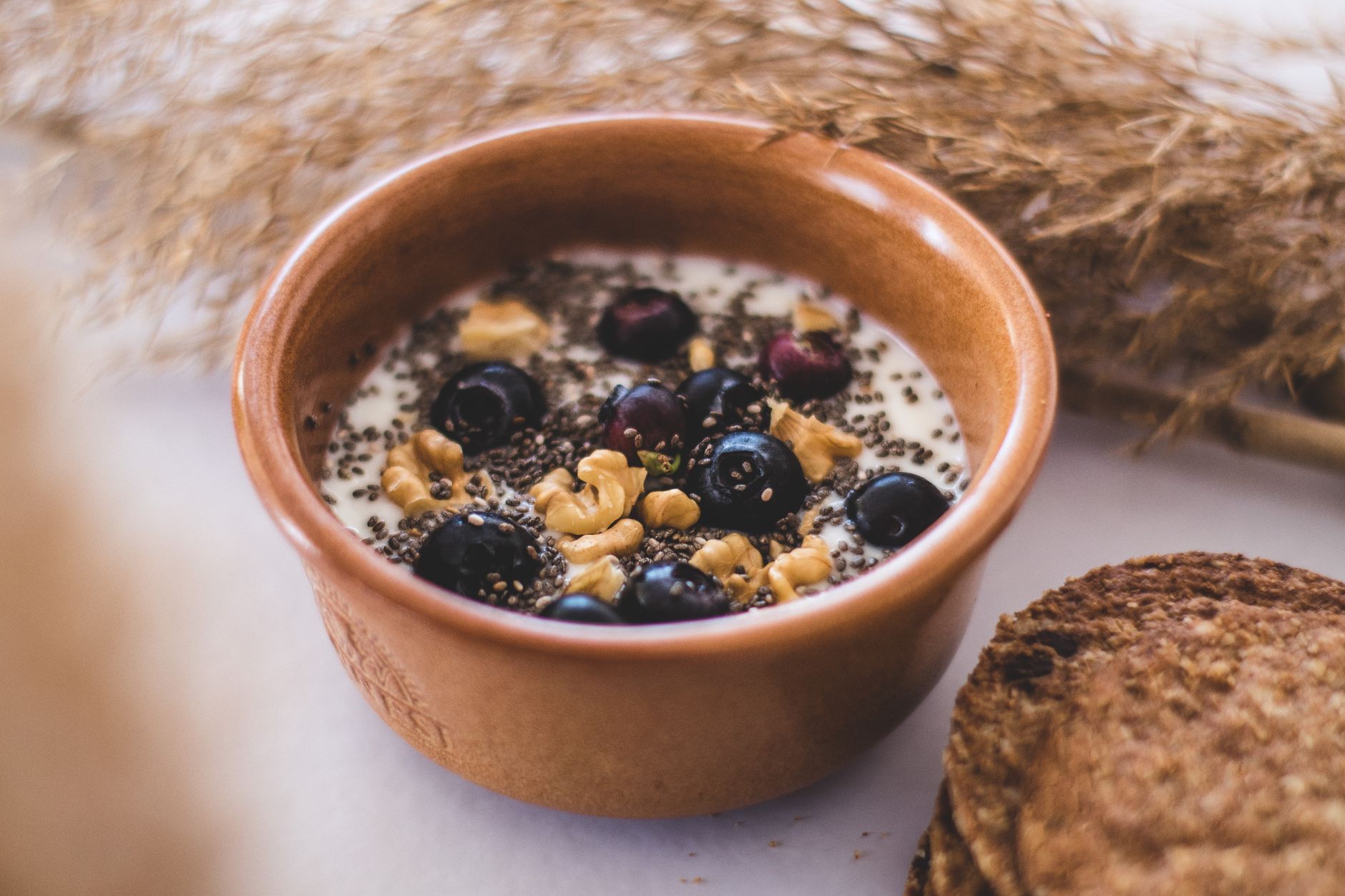
While chia seeds are generally recognized as safe for most people when consumed in typical food amounts, incorporating them into a structured routine—especially for perceived "cleansing" effects—requires careful consideration. The primary safety concerns are not inherent toxicity but relate to their potent physical and biochemical effects on the body.
Key Safety Considerations
The high soluble fiber content, which is responsible for many of the seeds' benefits, also poses the most immediate risk. A sudden, significant increase in fiber intake can lead to:
- Gastrointestinal Distress: Bloating, gas, abdominal cramping, and constipation or diarrhea.
- Esophageal Impaction Risk: Consuming dry chia seeds without sufficient liquid is hazardous. They can rapidly absorb saliva and swell in the throat, posing a choking risk or causing a blockage, particularly in individuals with swallowing difficulties.
From a biochemical perspective, chia seeds can affect medication absorption and certain chronic conditions:
- Blood Thinning: Chia seeds are a source of omega-3 fatty acids (ALA), which may have mild antiplatelet effects. This is a theoretical concern for individuals on anticoagulant or antiplatelet medications (e.g., warfarin, aspirin, clopidogrel).
- Blood Pressure: The potential blood pressure-lowering effect, while beneficial for some, could cause hypotension in individuals already on antihypertensive medication.
- Blood Sugar: The fiber can slow carbohydrate absorption and lower postprandial blood glucose. Diabetics on insulin or glucose-lowering drugs must monitor their levels closely to avoid hypoglycemia.
Clinical Insight: In practice, the fiber-related GI effects are the most commonly reported issues. The key is gradual introduction—start with one teaspoon daily and increase slowly over weeks with ample water intake. The medication interactions, while based on plausible mechanisms, are not widely reported in clinical literature from typical dietary intake. However, the precautionary principle applies, especially for patients on critical drug regimens.
When to Consult a Healthcare Professional
You should seek personalized medical advice before starting a chia seed regimen if you have:
- A history of esophageal strictures, dysphagia, or other swallowing disorders.
- Inflammatory bowel disease (e.g., Crohn's, ulcerative colitis) or a recent history of bowel obstruction, as high fiber can exacerbate symptoms during flares.
- Chronic kidney disease, due to the non-trivial phosphorus and potassium content in chia seeds.
- Diagnosed hypertension, diabetes, or a bleeding disorder, and are on corresponding prescription medications.
- A planned surgical procedure; discuss whether to discontinue use beforehand due to potential effects on blood sugar and bleeding risk.
Furthermore, consult a doctor if you experience severe abdominal pain, persistent constipation, or signs of an allergic reaction (rare but possible) after consumption. The concept of "cleansing" is not a medically defined process, and any routine causing significant discomfort should be re-evaluated with professional guidance.
6. Questions & Expert Insights
Is the "cleansing effect" from chia seeds a real detox, or is it something else?
The term "detox" or "cleansing" is often used in wellness circles, but from a clinical perspective, the body's liver and kidneys are its primary and highly efficient detoxification systems. The effects people often describe with chia seeds—feeling lighter or experiencing more regular bowel movements—are not a detox in the medical sense. Instead, they are likely attributable to the high soluble fiber content of chia seeds. This fiber absorbs water in the gut, forming a gel-like substance that can soften stool and promote regularity. It can also slow digestion, contributing to a feeling of fullness. The "cleansing" sensation is more accurately described as a normalization of digestive rhythm due to a significant, gentle increase in dietary fiber intake.
What are the potential risks or side effects of starting a daily chia seed routine?
While generally safe for most, introducing a large amount of fiber abruptly can cause significant gastrointestinal discomfort. Common side effects include bloating, gas, abdominal cramping, and constipation—especially if adequate water is not consumed. The gel-forming property requires sufficient fluid; without it, chia seeds can potentially cause or worsen blockages. There is also a rare but serious risk of esophageal obstruction if dry chia seeds are swallowed and then expand in the throat. Individuals with a history of swallowing difficulties, inflammatory bowel disease (like Crohn's or ulcerative colitis during a flare), or certain gastrointestinal strictures should be particularly cautious. Starting with a small amount (e.g., half a teaspoon) and gradually increasing intake over weeks while drinking plenty of water is crucial to mitigate these risks.
When should someone talk to a doctor before increasing chia seed intake?
Consulting a physician is strongly advised before making significant dietary changes if you have a chronic medical condition or take regular medications. This is especially important for individuals with diagnosed kidney disease, as chia seeds are high in phosphorus; for those with diabetes, as fiber can affect blood sugar levels and may require medication adjustment; and for anyone on blood-thinning medications like warfarin, as chia seeds contain vitamin K. Before your appointment, note your current diet, the intended chia seed dosage, and any specific symptoms or health goals. Bring a list of all medications and supplements. This allows your doctor to assess potential interactions, provide personalized guidance on safe intake levels, and integrate the change into your overall management plan.
How strong is the evidence for chia seeds improving specific health markers?
The evidence is promising but mixed and often context-dependent. Systematic reviews suggest chia seeds can modestly improve cardiovascular risk factors in some populations, such as reducing systolic blood pressure in hypertensive individuals and potentially lowering LDL ("bad") cholesterol. Effects on blood sugar control and weight management are less consistent across studies. Many trials are short-term, have small sample sizes, or use varying doses, making broad conclusions difficult. It is critical to understand that chia seeds are not a magic bullet. Their benefit likely comes from displacing less healthy foods in the diet and contributing to overall fiber and nutrient intake. They should be viewed as one component of a balanced diet, not an isolated intervention for disease treatment.
7. In-site article recommendations
8. External article recommendations
9. External resources
The links below point to reputable medical and evidence-based resources that can be used for further reading. Always interpret them in the context of your own situation and your clinician’s advice.
-
drugs drugs.comchia seeds – Drugs.com (search)
-
healthline healthline.comchia seeds – Healthline (search)
-
mayoclinic mayoclinic.orgchia seeds – Mayo Clinic (search)
These external resources are maintained by third-party organisations. Their content does not represent the editorial position of this site and is provided solely to support readers in accessing additional professional information.