
1. Introduction to Chia Seeds: Nutritional Context and Common Misconceptions

Chia seeds (Salvia hispanica L.) have transitioned from an ancient Aztec staple to a modern "superfood." This classification is primarily based on their dense nutritional profile, which is supported by a substantial body of analytical research. Understanding this profile is essential for contextualizing their potential health effects and the common misconceptions that surround their use.
From a nutritional standpoint, chia seeds are notable for three primary components:
- Dietary Fiber: Approximately 34-40% of their weight is fiber, predominantly soluble fiber like mucilage. This is the component responsible for their gel-forming property when soaked in liquid.
- Omega-3 Fatty Acids (ALA): They are one of the richest plant sources of alpha-linolenic acid (ALA), a type of omega-3. However, the human body's conversion of ALA to the more bioactive forms (EPA and DHA) is inefficient, a critical nuance often overlooked.
- Protein and Minerals: They provide a complete protein profile containing all nine essential amino acids, along with minerals like calcium, magnesium, and phosphorus.
This composition underpins the evidence for their benefits. Strong, consistent data from human trials supports chia seeds' role in increasing dietary fiber intake, promoting satiety, and modestly improving bowel regularity. Their effect on cardiovascular markers, such as reducing blood pressure in individuals with hypertension, is supported by several randomized controlled trials, though results can be variable.
Clinical Insight: While the nutrient data is clear, a common misconception is that consuming chia seeds automatically translates to dramatic, specific health outcomes like weight loss or drastically improved heart health. In practice, their benefits are largely contingent on how they are integrated into the overall diet and, importantly, on the timing and method of preparation, which significantly influences nutrient bioavailability and physiological effect.
Areas with more preliminary or mixed evidence include direct impacts on blood glucose control and sustained weight management. Many popular claims extrapolate from small-scale studies or mechanistic data, not large, long-term human trials.
Important Cautions: Individuals with swallowing difficulties, esophageal strictures, or a history of bowel obstruction should consume chia seeds only in a pre-soaked (gel) form to avoid the risk of blockage. Those on blood-thinning medications or with upcoming surgical procedures should discuss significant dietary changes with their physician due to the potential, albeit mild, antiplatelet effect of high ALA intake. As with any concentrated fiber source, introducing chia seeds gradually is advised to minimize gastrointestinal discomfort.
2. Scientific Evidence and Mechanisms: The Role of Timing in Chia Seed Efficacy
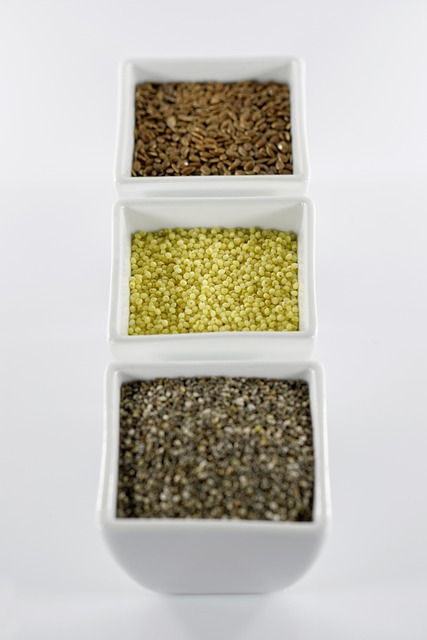
The purported health benefits of chia seeds—such as improved satiety, blood sugar regulation, and digestive health—are primarily attributed to their high soluble fiber content, which forms a viscous gel when hydrated. The timing of consumption relative to hydration is a key mechanistic factor that influences these physiological effects.
Evidence for Pre-Hydration
Consuming chia seeds that have been soaked (forming a gel) before a meal is supported by the established science of dietary viscosity. The pre-formed gel can more rapidly contribute to:
- Gastric emptying delay: The gel may create a physical barrier in the stomach, slowing the release of food into the small intestine. This is linked to increased feelings of fullness.
- Attenuated glucose absorption: By increasing the viscosity of the intestinal contents, the gel can slow the enzymatic breakdown and absorption of carbohydrates, potentially blunting post-meal blood sugar spikes.
Clinical evidence for this timing is promising but not definitive. Some small human trials on viscous fiber supplements demonstrate these effects, but direct, high-quality studies specifically on pre-soaked chia seeds are limited.
Consumption with or After Meals
Adding dry or un-soaked seeds to food may still offer benefits from their fiber and nutrient content, but the mechanistic advantage of immediate viscosity is reduced. The seeds will begin to absorb water in the stomach, but the gel formation is delayed and may be less complete during the critical window of digestion. The evidence for significant metabolic impact from this timing is weaker.
Clinical Perspective: From a mechanistic standpoint, pre-hydration aligns with how clinicians understand functional fibers work. For a patient specifically using chia seeds for appetite control or glycemic management, advising pre-soaking is a logical, evidence-informed recommendation. However, it is one component of a broader dietary pattern.
It is crucial to note that most research on chia seeds examines their incorporation into the diet over weeks or months, not the acute effects of single-meal timing. The long-term benefits for heart health markers like LDL cholesterol are more consistently documented and are likely independent of daily consumption timing.
Important Cautions
Individuals with swallowing difficulties, esophageal strictures, or significant gastrointestinal disorders like inflammatory bowel disease should exercise caution with chia seeds, especially in dry form, due to the risk of obstruction. Those on medication for diabetes or blood pressure should consult a physician, as chia seeds may potentiate the effects of these drugs. Always increase fiber intake gradually with adequate water to minimize digestive discomfort.
3. Risks, Contraindications, and Populations to Exercise Caution

While chia seeds are generally considered safe for most people, their concentrated fiber and nutrient profile necessitate caution for specific populations. A balanced, evidence-based approach requires acknowledging these potential risks and contraindications.
Primary Gastrointestinal and Mechanical Risks
The most common adverse effects are gastrointestinal, directly related to their high soluble fiber content. Consuming a large quantity, especially without adequate hydration, can lead to:
- Bloating, gas, and abdominal discomfort: This is a typical response when increasing fiber intake too quickly.
- Constipation or, paradoxically, diarrhea: Insufficient fluid intake with dry or pre-soaked seeds can cause constipation. For some individuals, the rapid increase in fiber may have a laxative effect.
- Esophageal obstruction risk: This is a critical, though rare, safety concern. Dry chia seeds can absorb saliva and swell rapidly in the esophagus, posing a choking hazard or causing blockage, particularly in individuals with a history of swallowing difficulties (dysphagia) or narrowed esophagus.
Clinical Insight: The risk of esophageal impaction is the most serious mechanical risk. We advise patients with dysphagia, older adults with decreased esophageal motility, or children to always consume chia seeds in a pre-hydrated form (soaked in liquid for at least 10-15 minutes) and to consume them with additional fluids.
Populations Requiring Medical Consultation
Certain individuals should consult a physician or dietitian before making chia seeds a regular part of their diet:
- Individuals with diagnosed digestive disorders: Those with Crohn's disease, ulcerative colitis, or a history of bowel obstructions may experience exacerbated symptoms.
- People with kidney disease: Chia seeds are a source of phosphorus and potassium. In advanced chronic kidney disease (CKD), where mineral balance is crucial, intake may need to be strictly monitored or limited.
- Those on specific medications: The high fiber content can theoretically slow the absorption of some medications. It is prudent to take medications at least 1-2 hours apart from a chia seed dose. Individuals on blood-thinning medications (e.g., warfarin) should be aware of chia's vitamin K content and aim for consistent daily intake to avoid affecting INR levels, after discussing with their doctor.
- People with seed allergies: While uncommon, allergic reactions to chia seeds have been documented. Those with known allergies to mustard seeds or sesame seeds may be at higher risk due to potential cross-reactivity.
Blood Pressure and Surgical Considerations
Preliminary studies suggest chia seeds may have a mild blood pressure-lowering effect. While this is often viewed as a benefit, individuals with hypotension (chronically low blood pressure) or those taking antihypertensive medications should monitor their blood pressure and inform their clinician of their intake. Furthermore, due to their potential effect on blood pressure and bleeding risk (a theoretical concern based on omega-3 content), it is often recommended to discontinue high-dose chia seed consumption at least 2 weeks prior to elective surgery.
The evidence for most of these cautions is based on mechanistic understanding and clinical case reports rather than large-scale trials. Therefore, a principle of prudent moderation and personalized medical advice is paramount.
4. Practical Recommendations: Evidence-Based Strategies for Optimal Chia Seed Use
To translate the potential benefits of chia seeds into a safe and effective dietary practice, an evidence-based and individualized approach is essential. The following strategies are grounded in current nutritional science and clinical understanding.
1. Prioritize Proper Hydration and Timing
The most critical, yet often overlooked, factor is ensuring adequate fluid intake when consuming dry chia seeds. Their high soluble fiber content (mucilage) allows them to absorb 10–12 times their weight in water. Consuming dry seeds without sufficient liquid poses a significant risk of esophageal obstruction. The evidence-based recommendation is clear: always soak chia seeds before consumption.
- Soaking Protocol: Mix 1 tablespoon (approx. 12g) of seeds with at least 1 cup (240ml) of water or other liquid. Allow to sit for 15–30 minutes until a gel forms.
- Optimal Timing: Preliminary, though not conclusive, data suggests consuming soaked chia seeds 20–30 minutes before a main meal may enhance satiety and moderate postprandial blood glucose response due to the gel's physical barrier effect in the stomach.
2. Adhere to a Moderate, Sustainable Dosage
More is not necessarily better. Clinical trials investigating benefits for cardiovascular markers typically use doses of 25–50 grams (2–4 tablespoons) of whole seeds per day, split into two servings. Starting with a lower dose (e.g., 1 tablespoon daily) and gradually increasing over 1–2 weeks allows the gastrointestinal microbiome to adapt, minimizing bloating and gas.
3. Integrate Thoughtfully into Your Diet
Soaked chia gel is versatile. It can be added to:
- Smoothies, yogurt, or oatmeal
- Used as an egg substitute in baking (1 tbsp seeds + 2.5 tbsp water = 1 egg)
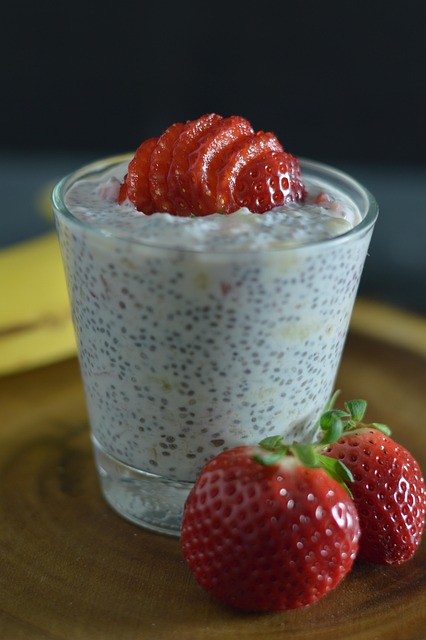
- As a base for healthy puddings
Grinding the seeds may improve the bioavailability of certain nutrients like alpha-linolenic acid (ALA), but whole soaked seeds are more effective for delivering fiber-related benefits.
Clinical Consideration: The pre-meal timing strategy is supported by mechanistic reasoning and some short-term studies, but long-term outcome data is limited. It should be viewed as a potentially useful tactic within a broader healthy diet, not a standalone solution. Individuals with dysphagia, esophageal strictures, or significant gastrointestinal dysmotility should avoid chia seeds altogether. Those on blood-thinning medications (e.g., warfarin) or with hypertension managed by medication should consult their physician, as chia seeds may theoretically affect bleeding time and blood pressure.
Ultimately, chia seeds are a nutrient-dense food, not a pharmacologic agent. Their greatest value is realized when consumed consistently as part of a balanced dietary pattern, with attention to preparation and individual tolerance.
5. Safety Protocols and Indications for Medical Consultation

While chia seeds are generally recognized as safe for most adults when consumed in typical food amounts, their unique physical and nutritional properties necessitate specific safety protocols. Adherence to these guidelines is essential to mitigate potential adverse effects and ensure a positive health outcome.
Critical Safety Protocols
The most significant risk associated with chia seeds is their capacity to absorb up to 10–12 times their weight in water, forming a gel. Ingesting dry seeds without sufficient hydration can pose a serious choking hazard or lead to esophageal or intestinal blockage. To prevent this:
- Always pre-soak chia seeds in a liquid (water, milk, yogurt) for at least 10–15 minutes before consumption to allow full gel formation.
- If consuming dry seeds (e.g., sprinkled on food), ensure you drink a full glass of water or other fluid immediately afterward.
- Introduce chia seeds gradually into your diet, starting with one tablespoon or less per day, to allow your digestive system to adapt to the high fiber load.
Clinical Insight: The risk of obstruction is not merely theoretical. Clinicians see cases, particularly in individuals with pre-existing swallowing difficulties or narrowed esophageal passages. The gel-forming property is beneficial for satiety and glycemic control, but its mechanical effect demands respect. Treat dry chia seeds with the same caution as you would any concentrated, hydrophilic substance.
Indications for Medical Consultation
Certain individuals should consult a physician or a registered dietitian before making chia seeds a regular part of their diet. This is not due to inherent toxicity but to manage interactions with existing conditions and medications.
- Gastrointestinal Disorders: Those with a history of dysphagia, strictures, Crohn's disease, ulcerative colitis, or diverticulitis require personalized advice on fiber intake.
- Blood Pressure & Anticoagulant Medications: Chia seeds contain omega-3 fatty acids (ALA), which may have mild anticoagulant effects. Individuals on blood thinners (e.g., warfarin, aspirin therapy) or with low blood pressure should discuss consistent intake with their doctor to avoid potential synergistic effects.
- Upcoming Surgical Procedures: Due to the potential blood-thinning effect, it is often recommended to discontinue high-dose chia seed consumption 1–2 weeks before elective surgery.
- Allergies: Although rare, allergic reactions to chia seeds or related plants (mint, sesame, mustard) are possible.
The evidence supporting the general safety of chia seeds as a food is robust. However, evidence regarding their therapeutic use for specific conditions (e.g., precise lipid or glucose management) is more preliminary and should not replace standard medical therapy. A cautious, informed approach—prioritizing proper preparation and recognizing when professional guidance is needed—forms the cornerstone of safe consumption.
6. Questions & Expert Insights
Is there truly a "best" time to consume chia seeds for maximum benefit?
The concept of an optimal timing window is not strongly supported by high-quality clinical evidence. While some small studies or anecdotal reports suggest consuming chia seeds in the morning or before meals may aid in appetite control due to their soluble fiber content, the overall nutritional impact—such as fiber, omega-3 (ALA), and mineral intake—is likely similar regardless of timing for most healthy individuals. The critical factor is consistent, long-term incorporation into a balanced diet. The claim that 90% of users overlook "critical timing" should be interpreted with caution, as it may overstate the importance of a single variable. Focus on ensuring adequate fluid intake with chia seeds to prevent gastrointestinal discomfort, which is more evidence-based than specific timing.
What are the potential risks or side effects, and who should be cautious or avoid them?
Chia seeds are generally safe but carry specific risks. The primary side effect is gastrointestinal—bloating, gas, or constipation—especially if consumed dry without sufficient fluid, as they absorb many times their weight in water. Individuals with a history of dysphagia (swallowing difficulties) or esophageal strictures should avoid dry chia seeds, as they can expand and cause obstruction. Those with diagnosed irritable bowel syndrome (IBS) may need to introduce them slowly due to high fiber content. Crucially, individuals on blood-thinning medications (e.g., warfarin) or with upcoming surgery should consult their doctor, as high doses of omega-3 ALA may theoretically affect clotting. People with seed allergies should obviously avoid them.
When should I talk to my doctor or a dietitian about incorporating chia seeds, and what should I discuss?
Consult a healthcare professional before significantly increasing chia seed intake if you have: chronic kidney disease (due to high phosphorus content), a history of bowel obstructions, active diverticulitis, or are on medication for diabetes (as fiber can affect blood sugar levels) or blood thinners. Before your appointment, note your current diet, any gastrointestinal symptoms, and all medications and supplements. Bring the specific product label or know the intended daily dose (typically 1-2 tablespoons). The conversation should focus on how chia seeds fit into your overall medical management plan, not as an isolated "superfood." A registered dietitian can provide personalized guidance on integration and portioning.
Can chia seeds realistically help with weight loss, as some claims suggest?
Chia seeds may support weight management as part of a calorie-controlled diet, but they are not a standalone solution. Their soluble fiber forms a gel that can increase feelings of fullness (satiety), potentially leading to reduced calorie intake at subsequent meals. However, the evidence from human trials is mixed; some studies show a modest satiety effect, while others show no significant impact on weight loss. It's important to recognize that any food adding calories (chia seeds have about 70 calories per tablespoon) can contribute to weight gain if it leads to a calorie surplus. The most robust evidence for weight management involves comprehensive lifestyle changes, not reliance on any single food item.
7. In-site article recommendations
8. External article recommendations
9. External resources
The links below point to reputable medical and evidence-based resources that can be used for further reading. Always interpret them in the context of your own situation and your clinician’s advice.
-
wikipedia wikipedia.orgchia seeds – Wikipedia (search)
-
mayoclinic mayoclinic.orgchia seeds – Mayo Clinic (search)
-
drugs drugs.comchia seeds – Drugs.com (search)
These external resources are maintained by third-party organisations. Their content does not represent the editorial position of this site and is provided solely to support readers in accessing additional professional information.