
1. Introduction to Chia Seeds and Their Role in Appetite Regulation
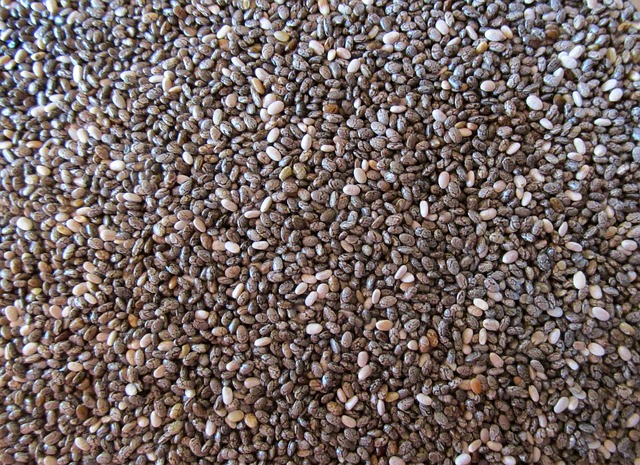
Chia seeds (Salvia hispanica L.) are small, nutrient-dense seeds that have been consumed for centuries, originating from Central America. In contemporary nutrition, they are often categorized as a functional food due to their high concentration of fiber, plant-based omega-3 fatty acids (alpha-linolenic acid), protein, and various micronutrients. This nutritional profile forms the basis for their proposed role in appetite regulation and weight management.
The primary mechanism by which chia seeds may influence satiety is their exceptional soluble fiber content. When mixed with liquid, they form a viscous gel. This gel-forming property is thought to contribute to appetite control through several physiological pathways:
- Gastric Distension & Delayed Emptying: The gel can increase stomach volume, promoting a feeling of fullness (satiety) and potentially slowing gastric emptying, which may lead to a more prolonged sensation of fullness after a meal.
- Nutrient Absorption: The viscous gel may modestly slow the digestion and absorption of carbohydrates, helping to stabilize post-meal blood glucose levels. Stable blood sugar is often associated with reduced cravings and hunger pangs.
- Caloric Dilution: Incorporating chia seeds into foods or beverages can add bulk and texture with relatively few calories, which may help reduce overall energy intake.
Clinical Perspective on the Evidence: While the proposed mechanisms are physiologically sound, the direct clinical evidence from human trials is mixed and often limited by study size and duration. Some short-term studies show a modest increase in satiety and reduced short-term food intake after consuming chia seeds, while others show no significant effect on appetite or weight loss compared to control foods. The effect may also depend heavily on the dose, form (whole vs. ground), and how they are incorporated into the diet.
It is crucial to distinguish between the strong evidence for chia seeds as a nutritious food and the more preliminary evidence for their specific efficacy as an appetite-suppressing agent. Their high fiber and nutrient content supports general health, but they should not be viewed as a singular or guaranteed solution for weight management.
Important Cautions: Individuals with swallowing difficulties, esophageal strictures, or significant gastrointestinal disorders such as inflammatory bowel disease should use caution due to the potential for the gel to cause obstruction or discomfort. Those on blood-thinning medications or with upcoming surgeries should consult a physician due to chia seeds' omega-3 content, which may have mild anticoagulant effects. As with any significant dietary change, it is advisable to discuss its use with a healthcare provider, especially for individuals with chronic health conditions.
2. Mechanisms and Evidence Behind Chia Seeds for Curbing Cravings

The anecdotal experience of reduced cravings after consuming chia seeds is supported by several plausible physiological mechanisms. The primary proposed mechanisms involve their high soluble fiber content and unique gel-forming properties.
When mixed with liquid, chia seeds absorb up to 10–12 times their weight, forming a viscous gel. This gel can slow gastric emptying and the rate at which carbohydrates are digested and absorbed into the bloodstream. This process has two potential effects on appetite regulation:
- Increased Satiety: The gel physically expands in the stomach, promoting a feeling of fullness (satiety) that may delay the return of hunger.
- Blood Sugar Modulation: By slowing carbohydrate absorption, chia seeds may help prevent rapid spikes and subsequent crashes in blood glucose, which are often linked to increased cravings, particularly for sugary or high-carbohydrate foods.
Furthermore, chia seeds are a source of protein and healthy fats, primarily alpha-linolenic acid (an omega-3 fatty acid). Both nutrients contribute to satiety signaling, potentially reducing overall calorie intake.
Clinical Perspective: While the mechanisms are sound, it's important to contextualize the evidence. The gel-forming property is well-documented in vitro, but human studies on chia seeds for appetite control show mixed results. Some small, short-term trials report increased satiety, while others find no significant effect on appetite or weight loss compared to placebo. The evidence is considered preliminary, and more robust, long-term research is needed.
Current evidence suggests chia seeds are most effective for appetite management when consumed as part of a balanced meal, not in isolation. Their benefit likely stems from displacing less nutrient-dense foods and contributing to overall meal volume and nutrient quality.
Who Should Exercise Caution: Individuals with swallowing difficulties, esophageal strictures, or significant gastrointestinal disorders like inflammatory bowel disease should consult a doctor before regularly consuming chia seeds, especially in dry form, due to the risk of obstruction. Those on blood-thinning medications or with upcoming surgery should discuss their intake with a physician due to a potential, though mild, antiplatelet effect from omega-3s.
3. Risks, Contraindications, and Populations to Avoid Chia Seeds
While chia seeds are generally considered safe for most people when consumed in typical dietary amounts, they are not without potential risks. A balanced, evidence-based approach requires acknowledging these risks and identifying specific populations who should exercise caution or avoid them entirely.
Primary Gastrointestinal and Mechanical Risks
The most common adverse effects are gastrointestinal, primarily due to their high soluble fiber content. Consuming a large quantity, especially without adequate hydration, can lead to:
- Bloating, gas, and abdominal discomfort as gut bacteria ferment the fiber.
- Constipation or, paradoxically, diarrhea, depending on individual tolerance and fluid intake.
- A theoretical risk of esophageal obstruction. There are case reports of individuals, particularly those with a history of swallowing difficulties, experiencing blockage after ingesting dry chia seeds that expand in the esophagus. It is strongly recommended to always consume chia seeds pre-soaked or mixed into a liquid or moist food.
Specific Populations to Exercise Caution
Certain individuals should consult a healthcare provider before adding significant amounts of chia seeds to their diet.
- Individuals with Gastrointestinal Disorders: Those with inflammatory bowel disease (IBD), Crohn's disease, ulcerative colitis, or a history of bowel obstructions may find the high fiber content exacerbates symptoms.
- People on Blood-Thinning Medications: Chia seeds are a source of omega-3 fatty acids (ALA), which may have mild antiplatelet effects. While the evidence for a clinically significant interaction is limited, individuals taking anticoagulants like warfarin or antiplatelet drugs like aspirin should discuss consistent chia seed intake with their physician to monitor potential effects on bleeding time.
- Individuals with Low Blood Pressure: Anecdotal reports and limited animal studies suggest chia might have a hypotensive effect. Those with already low blood pressure or on antihypertensive medications should monitor their levels closely.
- People with Known Seed Allergies: Though rare, allergic reactions to chia seeds have been documented. Those with allergies to other seeds (mustard, sesame) or related plants in the mint family (e.g., basil, mint) may be at higher risk.
Clinical Perspective: From a clinical standpoint, the principle of "start low and go slow" is paramount with high-fiber foods like chia seeds. The mechanical risk from dry seeds is a serious, albeit preventable, concern. For patients on critical medications or with complex chronic conditions, even natural foods can have pharmacological interactions. A discussion with a doctor or dietitian can help integrate such foods safely into an individual's health context.
In summary, while chia seeds can be a nutritious addition for many, they are not universally appropriate. Prioritizing pre-soaking, moderating intake, and seeking personalized medical advice for the populations mentioned above are essential steps for safe consumption.
4. Practical Takeaways for Incorporating Chia Seeds Safely

Based on the available evidence and clinical experience, chia seeds can be a beneficial addition to a balanced diet. Their high soluble fiber content is strongly supported by research as a factor that can promote satiety and moderate post-meal blood sugar spikes. The evidence for their direct role in "curbing cravings" is more observational and anecdotal, but the mechanism of increased fullness is plausible.
To incorporate them safely and effectively, consider the following structured approach:
- Start with a Low Dose: Begin with 1 teaspoon (approximately 5 grams) daily to assess tolerance, gradually increasing to a common serving of 1-2 tablespoons (10-20 grams). This helps the gastrointestinal system adapt to the increased fiber load.
- Prioritize Proper Hydration: Chia seeds absorb 10-12 times their weight in water. Always consume them pre-soaked for at least 15-30 minutes, or with ample fluid. Ingesting dry seeds without sufficient liquid poses a risk of esophageal obstruction.
- Integrate, Don't Isolate: Add soaked chia seeds (chia gel) to oatmeal, yogurt, smoothies, or use as an egg substitute in baking. This integrates their benefits into a meal's matrix rather than relying on them as a standalone "solution."
Clinical Consideration: The fiber in chia seeds can slow gastric emptying. For individuals with diabetes, especially those on insulin or medications like acarbose or GLP-1 agonists, this can enhance glucose control but also necessitates careful monitoring to avoid hypoglycemia. A discussion with a physician or dietitian is advisable to adjust medication timing if needed.
It is important to recognize populations who should exercise caution. Individuals with a history of dysphagia, esophageal strictures, or significant inflammatory bowel disease (IBD) during a flare-up should avoid chia seeds or use them only under medical supervision. Those on blood-thinning medications like warfarin should be aware that chia seeds are a source of vitamin K and maintain consistent intake to avoid interfering with anticoagulation stability.
The most sustainable takeaway is to view chia seeds as one component of a fiber-rich diet, not a singular tool for appetite control. Their efficacy is contingent on overall dietary patterns and individual physiology. Consulting a registered dietitian can help personalize their use within your specific nutritional framework.
5. Safety Considerations and When to Consult a Healthcare Professional
While chia seeds are generally considered safe for most people when consumed in typical dietary amounts, their high fiber and nutrient density necessitate a cautious, individualized approach. A responsible evaluation of safety is paramount before making them a dietary staple.
Key Safety Considerations
The primary risks associated with chia seeds are related to their physical form and potent nutrient profile. Being aware of these can help prevent adverse effects.
- Digestive Distress: A sudden, large increase in fiber intake can cause bloating, gas, and abdominal discomfort. It is crucial to start with a small dose (e.g., one teaspoon daily) and increase gradually over weeks while ensuring adequate water intake.
- Choking Hazard: Dry chia seeds absorb many times their weight in liquid. Consuming them dry, followed by a drink, poses a risk of esophageal blockage. Always pre-soak chia seeds in water, milk, or yogurt for at least 10-15 minutes before consumption.
- Blood Thinning and Blood Pressure: Chia seeds contain omega-3 fatty acids (ALA), which in very high doses may have a mild blood-thinning effect. The evidence for a clinically significant effect at dietary levels is limited, but individuals on anticoagulant (blood-thinning) medications like warfarin or with scheduled surgery should discuss chia seed intake with their doctor.
- Nutrient Interactions: The high fiber content can potentially interfere with the absorption of certain medications and minerals like iron and zinc. To mitigate this, take medications 1-2 hours apart from consuming chia seeds.
Who Should Consult a Healthcare Professional First?
Certain individuals should seek personalized medical advice before significantly increasing chia seed consumption.
- Individuals with Gastrointestinal Disorders: Those with a history of inflammatory bowel disease (IBD), diverticulitis, or significant IBS should consult a gastroenterologist, as high-fiber foods can exacerbate symptoms during flare-ups.
- People with Kidney Disease: Chia seeds are a rich source of phosphorus. In advanced chronic kidney disease, impaired phosphorus excretion can lead to complications. A renal dietitian can provide specific guidance.
- Those on Specific Medications: As noted, individuals on blood thinners, blood pressure medications, or diabetes medications should inform their physician, as chia seeds may theoretically potentiate effects, though strong clinical evidence is often lacking.
- People with Food Allergies: While rare, allergic reactions to chia seeds have been reported. Those with known allergies to mustard seeds or sesame seeds may be at higher risk due to potential cross-reactivity.
- Pregnant or Breastfeeding Women: While generally safe, it is prudent to discuss any major dietary change with an obstetrician or midwife.
Clinical Perspective: From a medical standpoint, chia seeds are a food, not a medication. The safety considerations are largely about moderation, preparation, and individual context. The strongest evidence supports the risk of gastrointestinal upset from rapid fiber increase and the physical choking hazard. Other concerns, like drug interactions, are more theoretical but warrant caution in high-risk populations. The most important action is integrating them slowly and communicating with your healthcare team if you have a chronic health condition.
Incorporating chia seeds can be a positive dietary step, but it should be done thoughtfully. Listening to your body's response and seeking professional guidance when in doubt ensures that this practice supports, rather than complicates, your overall health.
6. Questions & Expert Insights
Are chia seeds really effective for appetite control, or is it just anecdotal?
There is a plausible physiological basis for chia seeds helping with satiety, supported by some clinical evidence. When mixed with liquid, chia seeds form a gel due to their high soluble fiber content. This gel can slow gastric emptying and promote a feeling of fullness. A 2017 randomized controlled trial published in the journal Nutrition Research and Practice found that participants who consumed chia seeds as part of a calorie-restricted diet reported significantly reduced hunger compared to a control group. However, it's important to contextualize this. The effect is likely modest and synergistic; chia seeds are not a "magic bullet." Their benefit for cravings is most effective when consumed as part of a balanced meal or snack that includes protein and healthy fats, not in isolation. The 30-day experience shared is valuable anecdotal data, but individual responses can vary based on diet, hydration, and metabolism.
What are the potential side effects or risks of adding chia seeds to my diet?
While generally safe for most, chia seeds carry specific risks that require caution. The most common issue is gastrointestinal distress—bloating, gas, or constipation—especially when intake is increased abruptly due to the high fiber content. A more serious, though rare, risk is esophageal obstruction. If dry chia seeds are swallowed with insufficient liquid, they can rapidly absorb saliva and moisture in the throat, potentially causing a blockage. Always consume them pre-soaked or mixed thoroughly into a wet food like yogurt or oatmeal. Furthermore, individuals with a history of swallowing difficulties, inflammatory bowel disease, or certain gastrointestinal surgeries should be particularly careful. Due to their high omega-3 (ALA) content, they may have a mild blood-thinning effect, which is a consideration for those on anticoagulant medication like warfarin.
Who should avoid or be very cautious with this approach?
Several groups should consult a healthcare provider before significantly increasing chia seed intake. Individuals with kidney disease need to be mindful, as chia seeds are high in phosphorus, which can be problematic for compromised kidneys. Those with diverticulitis may need to avoid seeds during an active flare, though recommendations have evolved and individual tolerance varies. People with low blood pressure or those taking blood pressure or blood-thinning medications should monitor their levels, as the seeds may potentiate these effects. Crucially, individuals with a history of eating disorders should approach any food touted for "curbing cravings" or weight control with extreme caution, as it can reinforce restrictive patterns. For these populations, dietary changes should be guided by a registered dietitian or physician.
When should I talk to my doctor about using foods like chia seeds for health goals, and what should I bring to that conversation?
Consult your primary care physician or a registered dietitian before making significant dietary changes if you have any chronic health condition (e.g., diabetes, CKD, cardiovascular disease), are on regular medication, or are pregnant/breastfeeding. To make the conversation productive, come prepared. Bring a list of all medications and supplements you take, including dosages. Be ready to discuss your specific health goals (e.g., "manage post-meal cravings," "improve lipid profile"). Mention the amount and form of chia seeds you plan to consume (e.g., "one tablespoon of soaked seeds daily"). This allows your provider to assess for nutrient interactions (e.g., fiber affecting medication absorption), align the approach with your overall treatment plan, and set realistic expectations. This step ensures a safe, evidence-based strategy tailored to your unique health profile.
7. In-site article recommendations
8. External article recommendations
9. External resources
The links below point to reputable medical and evidence-based resources that can be used for further reading. Always interpret them in the context of your own situation and your clinician’s advice.
-
mayoclinic mayoclinic.orgchia seeds – Mayo Clinic (search)
-
examine examine.comchia seeds – Examine.com (search)
-
healthline healthline.comchia seeds – Healthline (search)
These external resources are maintained by third-party organisations. Their content does not represent the editorial position of this site and is provided solely to support readers in accessing additional professional information.