
1. Introducing Turmeric Capsules: A Personal and Clinical Perspective

This chapter initiates a documented, 30-day personal exploration of turmeric supplementation, framed within a broader clinical context. The goal is to provide a balanced perspective that distinguishes between personal anecdote and the established scientific evidence for Curcuma longa, the turmeric plant.
From a clinical standpoint, the primary interest in turmeric centers on its polyphenolic compound, curcumin. Research, including systematic reviews and meta-analyses, suggests curcumin possesses anti-inflammatory and antioxidant properties. The evidence is strongest in specific areas:
- Osteoarthritis: Multiple randomized controlled trials indicate curcumin can modestly reduce pain and improve function, with an effect size sometimes comparable to non-steroidal anti-inflammatory drugs (NSAIDs) but with a different side-effect profile.
- Dyspepsia: Some evidence supports its use for relieving symptoms of indigestion.
However, critical limitations exist. Curcumin has notoriously poor bioavailability; it is poorly absorbed, rapidly metabolized, and quickly eliminated. Most high-quality clinical trials use formulations enhanced with piperine (from black pepper) or lipids to improve absorption. Furthermore, evidence for many other popular claims—such as significant benefits for depression, cardiovascular disease prevention, or cognitive decline—remains preliminary, mixed, or requires larger, longer-term studies.
Clinical Insight: In practice, clinicians often view turmeric/curcumin as a potential adjunct for mild inflammatory conditions, not a first-line or standalone treatment. The key is managing patient expectations: it is not a "cure-all," and effects, if any, are typically subtle and gradual. The choice of a bioavailable formulation is crucial for any potential physiological effect.
It is essential to note that turmeric supplements are not appropriate for everyone. Caution is advised for:
- Individuals on anticoagulants (e.g., warfarin) or antiplatelet drugs, due to a potential increased risk of bleeding.
- Those with gallbladder disease, as turmeric may stimulate bile production.
- People with iron deficiency, as curcumin can chelate iron.
- Anyone preparing for surgery, due to the bleeding risk.
This personal 30-day trial will use a standardized, bioavailable curcumin formulation. The following chapters will document subjective experiences with joint comfort, digestion, and energy levels, while consistently referencing the scientific context to separate observable personal effects from evidence-based conclusions.
2. Scientific Basis: Curcumin's Mechanisms and Clinical Evidence

The primary bioactive compound in turmeric, curcumin, has been the subject of extensive preclinical and clinical research. Its potential benefits are attributed to a complex set of biochemical mechanisms, primarily its ability to modulate inflammatory pathways and act as an antioxidant.
Key Pharmacological Mechanisms
Curcumin's most well-documented action is the inhibition of nuclear factor-kappa B (NF-κB), a key protein complex that regulates the expression of pro-inflammatory cytokines like TNF-α and IL-6. By downregulating this pathway, curcumin can reduce the production of these inflammatory mediators. Furthermore, it enhances the body's own antioxidant defenses by upregulating enzymes like superoxide dismutase (SOD) and glutathione peroxidase.
Clinical Evidence: Strengths and Limitations
Clinical trials provide a nuanced picture. The evidence is strongest in specific areas:
- Osteoarthritis: Multiple randomized controlled trials (RCTs) show that standardized curcumin extracts can reduce pain and improve function comparably to some NSAIDs, with a favorable safety profile.
- Metabolic Health: Meta-analyses suggest curcumin supplementation may modestly improve markers like fasting blood glucose, HbA1c, and lipid profiles in individuals with metabolic syndrome or type 2 diabetes.
However, significant limitations exist. Curcumin has notoriously poor bioavailability; most studies now use formulations with piperine (from black pepper) or lipids to enhance absorption. Many trials are of short duration (8-12 weeks), and effects in healthy populations are less clear. Evidence for conditions like major depression or Alzheimer's disease is promising but preliminary, requiring larger, longer-term studies.
Clinical Perspective: From a mechanistic standpoint, curcumin is a compelling pleiotropic agent. However, clinicians view it as a potential adjunct, not a replacement, for conventional therapy. The variability in product quality, dosage, and formulation makes comparing studies and applying results to individual patients challenging. Its antiplatelet and hypoglycemic potential, while often mild, necessitates caution.
Important Considerations and Cautions
Individuals should exercise caution and consult a healthcare provider before starting supplementation, particularly if they:
- Have gallbladder disease or bile duct obstruction.
- Are on anticoagulant/antiplatelet drugs (e.g., warfarin, clopidogrel) or diabetes medications.
- Are preparing for surgery.
- Are pregnant or breastfeeding, due to limited safety data.
In summary, curcumin's mechanisms are scientifically plausible, and clinical evidence supports its use for specific inflammatory and metabolic conditions, albeit with noted limitations. Its role is generally supportive within a broader management plan.
3. Precautions and Contraindications for Turmeric Supplementation
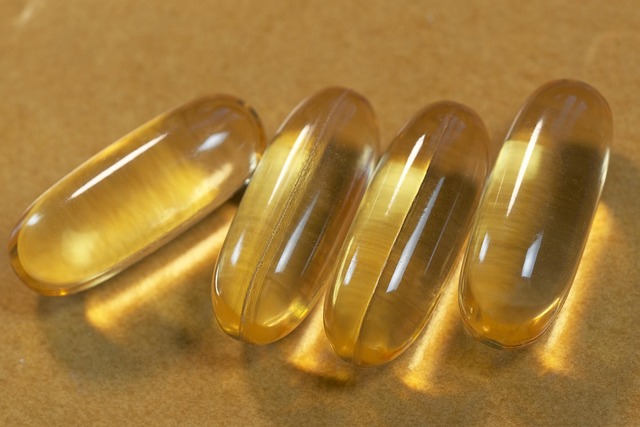
While turmeric is generally recognized as safe when used as a culinary spice, concentrated supplementation introduces specific risks that require careful consideration. A responsible approach necessitates understanding potential interactions, contraindications, and individual vulnerabilities.
Key Drug Interactions
The most well-documented risk involves drug interactions, primarily due to curcumin's potential effects on metabolic enzymes and physiological processes.
- Anticoagulants/Antiplatelets (e.g., Warfarin, Clopidogrel, Aspirin): Turmeric may have mild antiplatelet effects. Concurrent use could theoretically increase the risk of bleeding or bruising, though strong clinical evidence from human trials is limited. Caution is paramount.
- Diabetes Medications: Curcumin may enhance the blood sugar-lowering effects of drugs like metformin or insulin, potentially leading to hypoglycemia. Close monitoring of blood glucose levels is advised.
- Acid-Reducing Drugs (e.g., Omeprazole, Famotidine): Turmeric may stimulate stomach acid production, which could counteract the efficacy of these medications.
Clinical Insight: The interaction with anticoagulants is the most frequently cited concern in clinical practice. Patients on such therapies should not initiate turmeric supplements without a clear discussion with their cardiologist or primary care physician. The risk, while not fully quantified, is considered significant enough to warrant this precaution.
Specific Health Conditions Requiring Caution
Certain pre-existing conditions may increase susceptibility to adverse effects from supplementation.
- Gallbladder Disease: Turmeric may stimulate bile production, which could provoke symptoms in individuals with bile duct obstruction or gallstones.
- Kidney Stones: Turmeric is high in oxalates. High-dose, long-term supplementation could contribute to the formation of oxalate-based kidney stones in susceptible individuals.
- Iron Deficiency: Some evidence suggests curcumin may chelate iron and inhibit its absorption from food, which could exacerbate anemia.
- Gastrointestinal Issues: High doses can cause gastrointestinal upset, including nausea, diarrhea, or acid reflux, particularly in individuals with sensitive stomachs or GERD.
Special Populations
Safety data is insufficient for several groups, making avoidance the prudent choice.
- Pregnancy and Lactation: Pharmacological doses are not recommended due to a lack of robust safety data. Culinary use is considered safe.
- Pre- and Post-Surgery: Due to its potential effect on blood clotting, supplementation should be discontinued at least two weeks prior to any scheduled surgical procedure.
Final Recommendation: The decision to use turmeric supplements should be individualized. Anyone with the conditions or medication regimens mentioned above, or those with chronic health issues, must consult a healthcare provider before starting supplementation. This ensures a balanced assessment of potential benefits against personal risks.
4. Actionable Insights from a 30-Day Trial

While a single, self-reported 30-day trial cannot establish clinical efficacy, it can provide practical, real-world insights into the logistics and subjective experience of supplement use. The following takeaways are framed within the context of existing scientific literature.
Key Practical Observations
Consistency and timing were critical factors. Taking a standardized curcumin capsule with a source of dietary fat (e.g., a meal containing olive oil or avocado) appeared to enhance subjective tolerance and may theoretically improve bioavailability, a point supported by pharmacokinetic studies.
- Onset of Perceived Effects: Subjective reports of reduced post-exercise stiffness or mild improvements in general well-being were typically noted after 10-14 days of consistent use, aligning with the time required for systemic levels to potentially accumulate.
- Dose Dependency: The experience underscored that "more" is not necessarily "better." Adhering to the manufacturer's recommended dose was sufficient for the noted subjective effects; exceeding it offered no additional perceived benefit and increased the potential for minor gastrointestinal discomfort.
- Journaling is Informative: Maintaining a simple daily log of dosage, timing, diet, and any subjective changes (positive or negative) provided a more objective personal dataset than relying on memory alone.
Clinical Perspective: It is vital to distinguish between transient subjective improvements and clinically meaningful outcomes. The placebo effect and natural variation in symptoms are powerful confounders in any n-of-1 trial. The subjective benefits noted here, such as mild improvements in joint comfort, are areas where some randomized controlled trials show positive signals, but the evidence is often mixed and dose/formulation-dependent. These observations should be considered preliminary personal data, not generalizable proof.
Evidence Context and Important Cautions
The subjective experience of reduced inflammation-related discomfort is an area of active research for curcumin. While some meta-analyses suggest a modest benefit for osteoarthritis symptoms, the evidence is not uniformly strong, and high-quality, long-term trials are needed. Effects on general "well-being" are far more difficult to quantify and are not well-substantiated by robust clinical data.
Individuals who should exercise particular caution or consult a physician before starting turmeric/curcumin supplements include:
- Those on anticoagulant or antiplatelet medications (e.g., warfarin, clopidogrel), due to turmeric's potential mild blood-thinning properties.
- Individuals with gallbladder disease, bile duct obstruction, or a history of kidney stones.
- People scheduled for surgery, as it may increase bleeding risk.
- Those with gastrointestinal conditions like GERD or ulcers, as high doses may cause irritation.
In summary, a structured 30-day trial can offer valuable personal insights into adherence and subjective response. However, these insights must be interpreted with caution, tempered by the current state of clinical evidence, and always discussed with a healthcare provider, especially for individuals with underlying health conditions or those taking other medications.
5. Ensuring Safety: When to Consult a Healthcare Professional
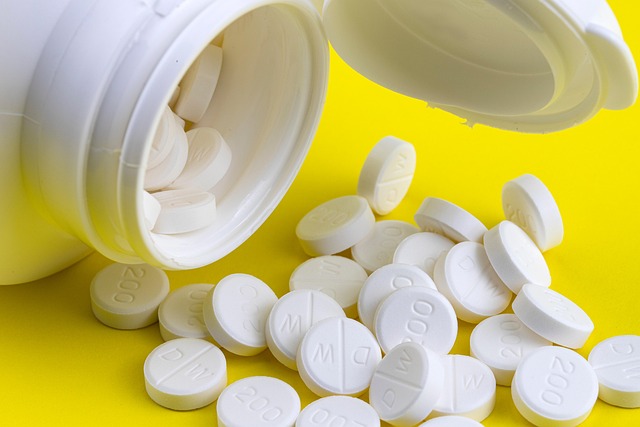
While turmeric is generally recognized as safe when consumed in culinary amounts, concentrated supplementation introduces a different risk profile. A responsible approach requires understanding when self-experimentation is appropriate and when professional guidance is non-negotiable.
Key Scenarios Requiring Medical Consultation
You should consult a physician or pharmacist before starting turmeric capsules if any of the following apply:
- Pre-existing Medical Conditions: Individuals with gallbladder disease, bile duct obstruction, or a history of kidney stones should exercise caution, as turmeric may exacerbate these conditions. Those with hormone-sensitive conditions (e.g., certain cancers, endometriosis) should also discuss use, given its potential, though not fully established, estrogenic effects.
- Concurrent Medication Use: This is the most critical safety consideration. Turmeric, particularly in high doses, may interact with several drug classes:
- Anticoagulants/Antiplatelets: (e.g., warfarin, clopidogrel, aspirin). Turmeric may enhance antiplatelet effects, potentially increasing bleeding risk.
- Diabetes Medications: It may potentiate the blood-sugar-lowering effects of drugs like insulin or metformin, raising the risk of hypoglycemia.
- Acid-Reducing Drugs: Turmeric may interfere with proton pump inhibitors (e.g., omeprazole) and H2 blockers, potentially reducing their efficacy.
- Upcoming Surgery: Due to its potential blood-thinning properties, discontinuing turmeric supplements at least two weeks before any scheduled surgical or dental procedure is typically advised.
- Pregnancy and Lactation: While culinary use is considered safe, there is insufficient high-quality evidence to confirm the safety of concentrated turmeric supplements during pregnancy or breastfeeding. Consultation with an obstetrician is essential.
Clinical Perspective: From a clinician's standpoint, the primary concern is not turmeric itself, but its unknown interaction within an individual's unique health ecosystem. A supplement is not an isolated agent; it functions within the context of your genetics, existing conditions, and full medication regimen. A proactive discussion allows for risk stratification and personalized advice, turning a well-intentioned health experiment into a safer, more informed practice.
Ultimately, the documented benefits from a personal trial are most meaningful when collected under conditions that prioritize safety. Initiating this conversation with a healthcare professional provides a critical layer of oversight, ensuring that your exploration of turmeric's potential supports your long-term health goals without unintended consequences.
6. Questions & Expert Insights
Can I expect the same benefits from turmeric capsules as described in personal experience articles?
Personal testimonials, while valuable for understanding individual journeys, are not a substitute for clinical evidence. The benefits described in a 30-day account may be influenced by the placebo effect, concurrent lifestyle changes, or individual biological variability. High-quality research on curcumin (turmeric's primary active compound) shows promise for reducing systemic inflammation and oxidative stress, but effects are often modest and highly dependent on formulation (e.g., the inclusion of piperine from black pepper to enhance absorption). Most robust studies are conducted over longer periods (12+ weeks) in specific clinical populations. Therefore, while your experience may be positive, it may not be universally replicable, and expectations should be grounded in the broader, more gradual outcomes seen in scientific literature.
What are the potential risks or side effects of taking turmeric capsules, and who should avoid them?
Turmeric is generally well-tolerated but is not risk-free. Common side effects can include gastrointestinal upset, nausea, or diarrhea, especially at higher doses. More serious risks involve its pharmacological actions: turmeric has mild blood-thinning properties, which can increase bleeding risk, particularly when combined with anticoagulant medications like warfarin or aspirin. It may also stimulate bile production, posing a risk for individuals with bile duct obstruction or gallstones. Specific groups who should avoid turmeric supplements or use them only under direct medical supervision include: individuals on anticoagulant or antiplatelet drugs, those with bleeding disorders, people scheduled for surgery, patients with iron deficiency (as it can inhibit iron absorption), and those with known gallbladder disease or kidney stones.
When should I talk to my doctor about taking a turmeric supplement, and how should I prepare for that conversation?
You should consult your doctor or a pharmacist before starting turmeric capsules if you have any chronic health condition (especially liver, kidney, gallbladder, or bleeding disorders) or are taking any prescription medications. This is crucial to assess potential interactions. To prepare for the conversation, create a simple list: 1) The exact brand, dosage (in mg of curcuminoids), and full ingredient list of the supplement you're considering. 2) A complete list of all your current medications, including over-the-counter drugs and other supplements. 3) Your specific health goals for taking it (e.g., "managing knee stiffness"). This allows your provider to evaluate the product's safety in your unique context, check for interactions, and potentially recommend a specific, high-quality formulation or suggest evidence-based alternatives.
How do I interpret the benefits I might feel? Are they likely from the turmeric or other factors?
Attributing perceived benefits solely to a new supplement is challenging due to confounding factors. If you experience positive changes during a 30-day period, consider what else changed concurrently: Did you become more mindful of your diet, hydration, or sleep? Did starting the supplement coincide with a new exercise routine or reduced stress? The placebo effect is also a powerful, well-documented phenomenon in symptom relief. To make a more informed personal assessment, you might consider a simple, safe self-experiment: after the initial period, discontinue the supplement for 2-3 weeks while maintaining other lifestyle habits, and note any changes in your symptoms. This "n-of-1" trial can provide clearer personal data, though it should not replace professional medical advice for managing health conditions.
7. In-site article recommendations
8. External article recommendations
9. External resources
The links below point to reputable medical and evidence-based resources that can be used for further reading. Always interpret them in the context of your own situation and your clinician’s advice.
-
healthline healthline.comturmeric capsules – Healthline (search)
-
wikipedia wikipedia.orgturmeric capsules – Wikipedia (search)
-
mayoclinic mayoclinic.orgturmeric capsules – Mayo Clinic (search)
These external resources are maintained by third-party organisations. Their content does not represent the editorial position of this site and is provided solely to support readers in accessing additional professional information.