
1. Introduction to Turmeric Water and Its Context

Turmeric water, a simple infusion of turmeric powder or grated fresh rhizome in warm water, has gained significant attention as a daily wellness practice. This chapter provides the foundational context for understanding its traditional use, proposed mechanisms, and the current state of scientific evidence, setting the stage for a responsible exploration of its potential effects on energy and well-being.
At the heart of turmeric's biological activity is curcumin, a polyphenol compound extensively studied for its anti-inflammatory and antioxidant properties. The fundamental hypothesis behind consuming turmeric water for energy is that by modulating underlying, low-grade inflammation and oxidative stress—two factors implicated in feelings of fatigue and lethargy—one may support more sustained cellular energy production and overall vitality.
- Traditional & Modern Context: Turmeric has a millennia-long history in Ayurvedic and traditional medicine systems, primarily used for digestive, joint, and skin health. The modern adaptation of "turmeric water" aligns with contemporary trends favoring simple, whole-food-based dietary supplements.
- Evidence Spectrum: It is crucial to distinguish between the evidence for curcumin in controlled, high-dose supplement form and the evidence for daily culinary doses in water.
- Stronger Evidence: High-quality curcuminoid extracts (often paired with piperine from black pepper to enhance absorption) have demonstrated statistically significant anti-inflammatory effects in numerous randomized controlled trials (RCTs) for conditions like osteoarthritis and metabolic syndrome.
- Limited/Mixed Evidence: Direct, high-quality RCTs on "turmeric water" specifically for improving energy levels in otherwise healthy individuals are lacking. Anecdotal reports and the extrapolation from curcumin's known pharmacological actions form much of the current rationale.
Furthermore, a major pharmacokinetic challenge is curcumin's notoriously poor bioavailability when consumed in its natural form. The amount of curcumin that actually enters systemic circulation from a teaspoon of turmeric powder in water is very low, which significantly tempers expectations for dramatic physiological effects.
Clinical Perspective: From a medical standpoint, turmeric water is generally regarded as safe for most people when used as a culinary ingredient. However, its effects are likely to be subtle and cumulative, not immediate or transformative. It should be viewed as a potential component of a broader healthy lifestyle, not a standalone therapeutic intervention for fatigue, which can have numerous underlying medical causes.
Who Should Exercise Caution: Individuals with gallbladder disease, bile duct obstruction, or those on blood-thinning medications (e.g., warfarin) should consult a physician before regularly consuming turmeric, as it may stimulate bile production and have mild antiplatelet effects. Those with iron deficiency should also be aware that curcumin can inhibit iron absorption. Pregnant or breastfeeding women should limit intake to culinary amounts.
2. Evidence and Mechanisms Behind Turmeric's Effects on Energy

The potential energy-related benefits of turmeric are primarily attributed to its main bioactive compound, curcumin. The proposed mechanisms are plausible from a biochemical standpoint, but the clinical evidence supporting a direct, significant energy boost in healthy individuals is preliminary and requires careful interpretation.
Proposed Biological Mechanisms
Curcumin's influence on cellular energy and fatigue is thought to operate through several interconnected pathways:
- Modulation of Inflammation: Chronic, low-grade systemic inflammation is a known contributor to fatigue. Curcumin is a well-studied anti-inflammatory agent that can inhibit key inflammatory signaling molecules like NF-κB and various cytokines. Reducing this inflammatory burden may indirectly alleviate feelings of low energy.
- Antioxidant Activity: Oxidative stress can damage mitochondria, the cell's power plants. Curcumin acts as an antioxidant and may support mitochondrial function, potentially improving cellular energy production.
- Impact on Neurotransmitters: Some animal studies suggest curcumin can influence brain-derived neurotrophic factor (BDNF) and monoamine neurotransmitters like serotonin and dopamine, which play roles in mood and motivation. This effect is highly speculative in humans.
Evaluating the Clinical Evidence
The evidence for turmeric directly increasing energy is mixed and often context-specific. Most robust studies investigate curcumin in clinical populations, not healthy adults seeking an energy lift.
- Stronger Evidence Context: Several randomized controlled trials show that curcumin supplementation can reduce fatigue and improve quality-of-life measures in individuals with conditions marked by significant inflammation, such as rheumatoid arthritis or chronic kidney disease.
- Limited/Mixed Evidence Context: Studies in otherwise healthy populations or those with general "low energy" are fewer, smaller, and less conclusive. Any perceived energy benefit in these groups is likely subtle and indirect, possibly stemming from reduced minor aches or improved post-exercise recovery rather than a stimulant-like effect.
Clinical Perspective: From a mechanistic view, turmeric is not a direct energy source like glucose or a stimulant like caffeine. Any positive effect on energy is likely secondary to its anti-inflammatory and antioxidant properties. The bioavailability of curcumin from turmeric powder in water is very low; most clinical research uses formulations with absorption enhancers like piperine (from black pepper).
Important Cautions: Individuals on blood-thinning medications (e.g., warfarin), those with gallbladder disease, or anyone preparing for surgery should use caution with turmeric/curcumin due to its mild antiplatelet effects. Those with iron deficiency should note it may inhibit iron absorption. As with any supplement, consulting a healthcare provider before starting is prudent, especially for individuals with underlying health conditions or who are pregnant or breastfeeding.
3. Risks, Side Effects, and Who Should Avoid Turmeric Water
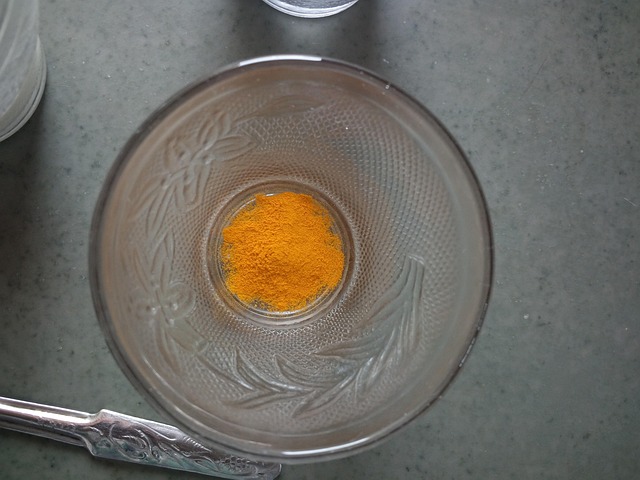
While turmeric is generally recognized as safe for culinary use, concentrated or frequent consumption of turmeric water presents specific risks. A balanced assessment requires acknowledging these potential side effects and identifying individuals for whom this practice is contraindicated.
Common and Gastrointestinal Side Effects
At typical culinary doses, side effects are often mild. However, higher intakes, such as those from daily concentrated turmeric water, can lead to:
- Gastrointestinal discomfort: Nausea, diarrhea, or acid reflux are the most commonly reported issues.
- Allergic reactions: Though rare, skin rashes or contact dermatitis can occur, particularly with direct handling of the root.
- Staining: The potent curcuminoids can temporarily stain teeth, utensils, and clothing a yellowish hue.
Significant Medical Interactions and Risks
The more serious concerns arise from turmeric's pharmacological properties, primarily its anticoagulant and bile-stimulating effects.
- Bleeding Risk: Turmeric may inhibit platelet aggregation. Combining it with anticoagulant or antiplatelet medications (e.g., warfarin, clopidogrel, aspirin) or other supplements (e.g., garlic, ginkgo) can significantly increase the risk of bruising and bleeding.
- Gallbladder Contraction: Turmeric stimulates bile production. Individuals with bile duct obstruction, gallstones, or a history of biliary colic should avoid it, as it may precipitate pain or complications.
- Iron Absorption: Some evidence suggests curcumin can chelate iron, potentially worsening iron deficiency anemia if consumed in large quantities with meals.
- Drug Metabolism: Preliminary data indicates curcumin might affect certain liver enzymes (CYP450), potentially altering the blood levels of prescription medications. The clinical significance of this is not fully established but warrants caution.
Clinical Insight: In practice, the anticoagulant effect is the primary concern I discuss with patients. Someone planning a surgical or dental procedure should discontinue high-dose turmeric intake at least two weeks prior, as they would with aspirin. The risk is not from the spice used in cooking, but from the concentrated, therapeutic-style dosing often used in "turmeric water" regimens.
Who Should Avoid or Use Extreme Caution
The following individuals should not consume turmeric water without explicit medical consultation:
- Individuals on blood-thinning medications or with bleeding disorders.
- Those scheduled for surgery in the near future.
- People with known bile duct obstruction, gallstones, or symptomatic gallbladder disease.
- Individuals with iron deficiency anemia, who should not consume it with iron-rich meals or supplements.
- Those with gastroesophageal reflux disease (GERD) may find symptoms exacerbated.
- Pregnant and breastfeeding women should avoid medicinal doses due to limited safety data; culinary use is considered safe.
If you fall into any of these categories or are taking multiple medications, a discussion with your physician or a pharmacist is an essential step before beginning any regular turmeric water regimen.
4. Practical Takeaways for Safe and Effective Use

Based on the available evidence and clinical experience, here are balanced, actionable guidelines for anyone considering incorporating turmeric water into their routine.
Optimizing Absorption and Dosage
The primary active compound in turmeric, curcumin, has notoriously poor bioavailability. To enhance absorption, it is standard practice to combine it with piperine, a compound found in black pepper. A common and evidence-supported approach is to add a pinch (roughly 1/8 teaspoon) of freshly ground black pepper to your turmeric water. Consuming turmeric with a source of healthy fat, such as a teaspoon of olive or coconut oil, may also improve absorption, as curcumin is fat-soluble.
For a general maintenance dose, starting with ½ to 1 teaspoon of high-quality turmeric powder per day is a reasonable and commonly cited range. This typically provides 150–250 mg of curcuminoids. It is prudent to start at the lower end to assess tolerance.
Clinical Insight: The evidence for turmeric's anti-inflammatory effects in humans is promising but comes primarily from supplemental, highly bioavailable curcumin extracts in clinical trials, not culinary turmeric water. Viewing turmeric water as a supportive dietary habit, rather than a targeted therapeutic intervention, aligns best with the current evidence and manages expectations appropriately.
Critical Safety and Contraindications
While culinary turmeric is generally safe, specific populations must exercise caution or avoid it:
- Individuals on medications: Turmeric/curcumin may interact with blood thinners (e.g., warfarin, clopidogrel), increasing bleeding risk. It may also affect drugs metabolized by the liver (CYP450 enzymes). Consult your physician or pharmacist if you are on any regular medication.
- Those with gallbladder disease or bile duct obstruction: Turmeric stimulates bile production, which could precipitate complications.
- People with iron deficiency or at risk: High intake may theoretically impair iron absorption.
- Individuals with kidney stones: Turmeric is high in oxalates, which can contribute to stone formation in susceptible people.
- Those preparing for surgery: Discontinue use at least two weeks prior to any scheduled procedure due to potential effects on bleeding.
Implementing a Trial
If you choose to proceed, adopt a systematic approach:
- Consult a healthcare professional first, especially if you have underlying health conditions or take medications.
- Start low and go slow. Begin with a small amount (e.g., ¼ teaspoon) to assess gastrointestinal tolerance.
- Be consistent but observant. Take it daily for a trial period (e.g., 30 days), but monitor for any adverse effects like stomach upset, reflux, or allergic reactions.
- Keep a simple log noting your dosage, timing, and any subjective changes in energy, digestion, or joint comfort. This creates personal data to review.
Ultimately, turmeric water can be a healthful addition to a balanced diet, but it is not a substitute for medical treatment or foundational lifestyle practices like a nutrient-rich diet, regular exercise, and adequate sleep.
5. Safety Considerations and When to Consult a Healthcare Provider

While turmeric is generally recognized as safe when consumed in typical culinary amounts, concentrated or supplemental use—such as daily turmeric water—requires a more cautious, evidence-based approach. The primary active compound, curcumin, has biological effects that can interact with medications and underlying health conditions.
Key Safety Considerations
The evidence for turmeric's benefits is promising but often preliminary, stemming from cell studies, animal models, or small human trials. This contrasts with the strong, long-term safety data for its use as a food spice. When consumed in larger, therapeutic doses, several important considerations emerge:
- Drug Interactions: Curcumin may inhibit certain liver enzymes (like CYP450) and affect platelet aggregation. This can potentially alter the metabolism and effects of medications, including blood thinners (e.g., warfarin, clopidogrel), diabetes drugs, and some antidepressants.
- Gastrointestinal Effects: High doses may cause gastrointestinal discomfort, including nausea, diarrhea, or acid reflux in some individuals.
- Iron Absorption: Some evidence suggests curcumin can chelate iron and may inhibit its absorption, which is a consideration for individuals with iron deficiency or anemia.
- Supplement Quality: Over-the-counter turmeric supplements are not uniformly regulated. They can vary significantly in curcuminoid content, may contain undisclosed fillers, or have concerning levels of heavy metals like lead.
Clinical Perspective: From a clinical standpoint, we view turmeric supplements as a pharmacologically active substance, not merely a food. The decision to use it daily should be approached with the same caution as starting any new supplement: by evaluating the individual's full medication list, medical history, and current health status to identify potential risks.
Who Should Exercise Caution or Consult a Provider First?
It is strongly advised to consult a physician or a registered dietitian before beginning a regimen of daily turmeric water, especially if you fall into any of the following categories:
- Individuals on Medication: Particularly those taking anticoagulants, antiplatelet drugs, diabetes medications, or drugs metabolized by the liver.
- People with Specific Medical Conditions: Those with gallbladder disease, bile duct obstruction, gastroesophageal reflux disease (GERD), or known kidney stones (due to oxalate content in some turmeric).
- Pre- and Post-Operative Patients: Due to its potential blood-thinning effects, it is often recommended to discontinue high-dose turmeric at least two weeks before any scheduled surgery.
- Pregnant or Breastfeeding Individuals: While culinary use is safe, there is insufficient high-quality evidence to confirm the safety of concentrated, daily medicinal doses during pregnancy or lactation.
The overarching principle is one of individualized risk assessment. A healthcare provider can help weigh the anecdotal reports of increased energy against your personal health profile, ensuring any dietary experiment is conducted safely and does not inadvertently compromise your existing care plan.
6. Questions & Expert Insights
Can drinking turmeric water really increase energy levels?
The connection between turmeric water and energy is not direct. The primary active compound in turmeric, curcumin, has demonstrated anti-inflammatory and antioxidant properties in numerous laboratory and clinical studies. Chronic, low-grade inflammation is theorized to contribute to feelings of fatigue. By potentially modulating this inflammation, curcumin might indirectly support improved energy and reduced "brain fog" in some individuals. However, the evidence for this specific outcome is largely anecdotal or from small-scale studies. The energy boost some people report may also stem from better hydration (from drinking more water) or a placebo effect. It is not a stimulant like caffeine and should not be expected to produce an immediate energizing effect.
What are the risks or side effects, and who should avoid turmeric water?
While generally safe in culinary amounts, concentrated or supplemental use of turmeric/curcumin carries specific risks. It can act as a mild blood thinner, increasing the risk of bruising or bleeding, especially when combined with anticoagulant medications like warfarin, clopidogrel, or aspirin. It may also stimulate stomach acid production, aggravating GERD or ulcers. High doses have been linked to liver issues in rare cases. Individuals who should exercise extreme caution or avoid it include: those with gallbladder disease, bile duct obstruction, or kidney stones (due to oxalate content); people scheduled for surgery; those with known liver conditions; and individuals on diabetes or blood pressure medications, as curcumin may potentiate their effects. Pregnant women should avoid medicinal doses.
If I want to try this, when should I talk to my doctor first?
Consult your physician or a pharmacist before starting if you have any chronic health condition or take regular medications. This is non-negotiable if you are on blood thinners, have a history of bleeding disorders, liver or kidney disease, or are pregnant/breastfeeding. Before your appointment, prepare a clear list: 1) All medications and supplements you currently take, including doses. 2) Your intended turmeric preparation (e.g., "1 teaspoon of powder in warm water daily"). 3) Your specific goal (e.g., "managing post-exercise inflammation"). This allows your doctor to assess potential interactions and underlying causes for your symptoms. Frame the conversation as, "I am considering this dietary addition. Given my health profile, are there specific risks I should be aware of?"
How does the evidence from a 30-day personal experience compare to clinical research?
A single 30-day anecdote, while personally meaningful, constitutes a case study of one (N=1) and lacks the controls of formal research. Clinical evidence is built on randomized controlled trials with large, diverse populations, placebo groups, and blinded assessments to eliminate bias. Personal experiences are influenced by the placebo effect, lifestyle changes that often accompany a new habit (e.g., increased water intake, more mindful eating), and natural variation in symptoms. Research on curcumin shows promise for inflammatory markers, but results for subjective measures like energy are mixed and often depend on the formulation used (as curcumin has poor bioavailability on its own). Therefore, one person's positive result is not generalizable proof of efficacy, though it can highlight an area worthy of more rigorous scientific investigation.
7. In-site article recommendations
8. External article recommendations
9. External resources
The links below point to reputable medical and evidence-based resources that can be used for further reading. Always interpret them in the context of your own situation and your clinician’s advice.
-
mayoclinic mayoclinic.orgturmeric water – Mayo Clinic (search)
-
wikipedia wikipedia.orgturmeric water – Wikipedia (search)
-
examine examine.comturmeric water – Examine.com (search)
These external resources are maintained by third-party organisations. Their content does not represent the editorial position of this site and is provided solely to support readers in accessing additional professional information.