
1. Introduction to Wegovy and Body Composition Observations
Wegovy (semaglutide) is a glucagon-like peptide-1 (GLP-1) receptor agonist approved for chronic weight management in adults with obesity or overweight who have at least one weight-related comorbidity. Its primary mechanism involves enhancing insulin secretion, slowing gastric emptying, and, crucially, acting on brain centers that regulate appetite and satiety. The result is a significant reduction in caloric intake, which is the principal driver of its weight loss effect.
Clinical trials, such as the STEP program, provide robust evidence for Wegovy's efficacy. In a 68-week trial, participants achieved an average weight reduction of approximately 15% of their initial body weight when combined with lifestyle intervention. This data is considered high-quality, derived from large, randomized, placebo-controlled studies.
However, weight loss is not a uniform process. Beyond the simple metric of total pounds lost, changes in body composition—the ratio of fat mass to lean mass—are critical for understanding health outcomes. The distribution of fat loss is an area of particular interest and some uncertainty.
- Strong Evidence: Wegovy consistently reduces overall fat mass. Imaging studies confirm significant decreases in visceral adipose tissue (VAT), the fat stored within the abdominal cavity around organs, which is strongly linked to cardiometabolic risk.
- Emerging Observations: Some patients and clinicians report nuanced changes in fat distribution patterns that are not fully captured by aggregate trial data. These anecdotal observations may include more pronounced loss in certain subcutaneous fat depots (e.g., abdominal, facial) compared to others (e.g., gluteofemoral), though this varies widely between individuals.
It is essential to distinguish between population-level data and individual experience. While the reduction in harmful visceral fat is a well-documented benefit, the pattern of subcutaneous fat loss may be influenced by genetics, baseline fat distribution, sex, and age. These factors are not yet predictable for any given individual.
Clinical Perspective: When evaluating body composition changes, clinicians prioritize the loss of visceral fat due to its direct health benefits. The aesthetic pattern of subcutaneous fat loss is secondary and unpredictable. A key concern during any significant weight loss is the preservation of lean muscle mass, which requires adequate protein intake and resistance exercise.
Individuals considering Wegovy should be aware that it is a prescription medication with specific indications and potential side effects, including gastrointestinal symptoms. It is not suitable for everyone. People with a personal or family history of medullary thyroid carcinoma or Multiple Endocrine Neoplasia syndrome type 2 should not use Wegovy. Those with a history of pancreatitis, severe gastrointestinal disease, or kidney problems should proceed with caution and under close medical supervision. Consulting a physician is mandatory to assess individual suitability and risks.
2. Evidence and Proposed Mechanisms for Fat Redistribution
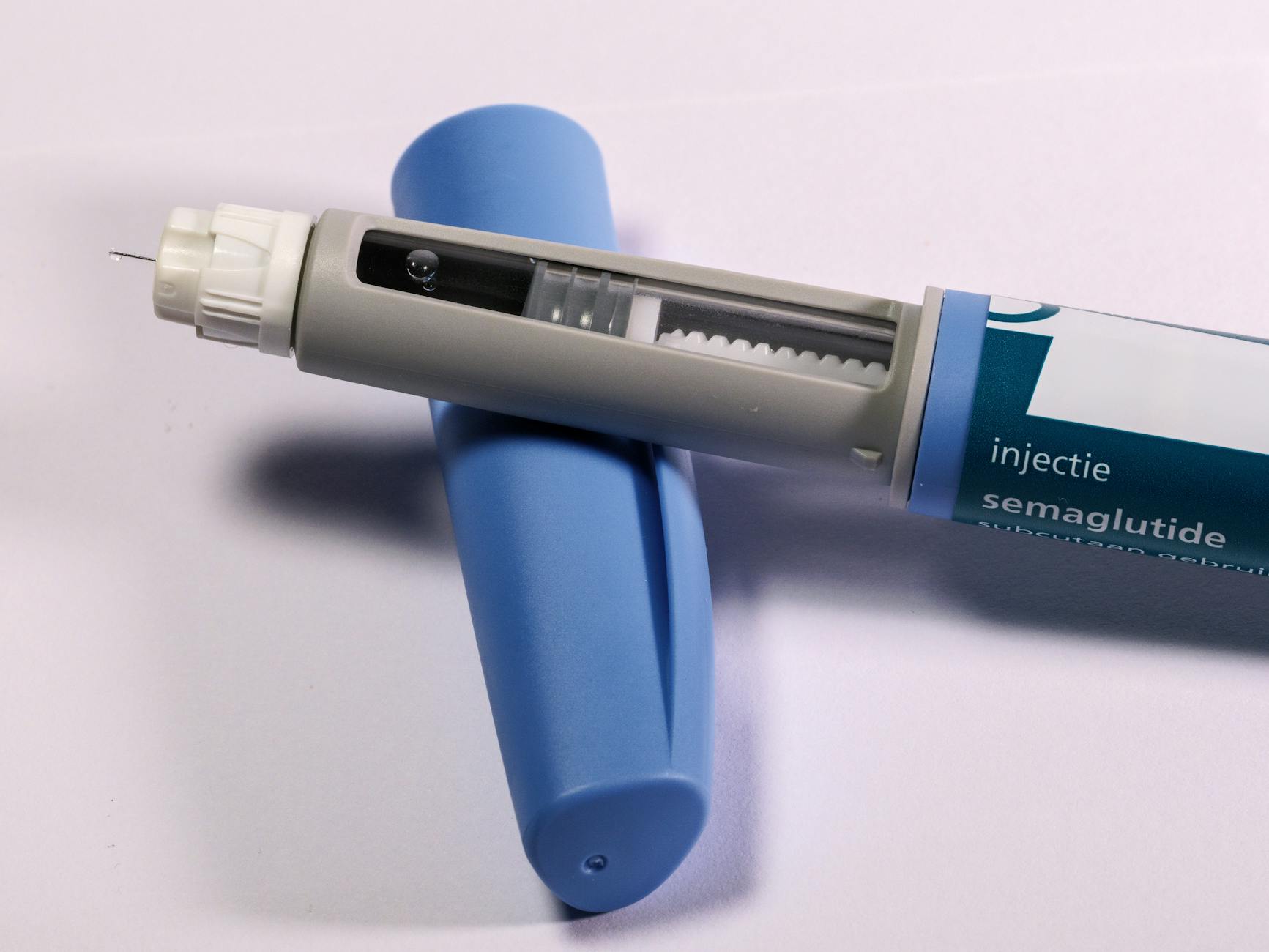
The observed changes in body composition with GLP-1 receptor agonists like Wegovy (semaglutide) are not random. A growing body of evidence suggests a preferential loss of visceral adipose tissue (VAT), which may lead to noticeable shifts in fat distribution. This is distinct from the general weight loss seen with traditional calorie restriction.
Strong Evidence: Preferential Visceral Fat Reduction
High-quality imaging studies, including MRI and CT scans, provide robust evidence. In the STEP 1 trial extension, participants on semaglutide lost a significantly greater proportion of visceral fat compared to subcutaneous fat. This is clinically significant because VAT is metabolically active and linked to insulin resistance, inflammation, and cardiovascular risk. Its reduction is a key mediator of the cardiometabolic benefits of these medications.
Proposed Biological Mechanisms
The mechanisms behind this selective fat loss are an active area of research. Leading hypotheses include:
- Direct Effects on Fat Cells (Adipocytes): GLP-1 receptors are present on adipocytes. Activation may promote lipolysis (fat breakdown) and inhibit lipogenesis (fat storage) within visceral depots more effectively.
- Improved Insulin Sensitivity: By enhancing insulin secretion and action, semaglutide reduces high insulin levels that typically promote fat storage, particularly in the visceral area.
- Reduced Inflammation: Visceral fat is a major source of pro-inflammatory cytokines. Its reduction may create a positive feedback loop, further improving metabolic health.
Clinical Perspective: The preferential loss of visceral fat is considered a therapeutic advantage. However, the rate and pattern of subcutaneous fat loss—which affects body contour—can vary significantly between individuals based on genetics, sex, and baseline fat distribution. This variability explains why some patients report unexpected changes in specific areas like the face or limbs.
Limitations and Uncertainties
It is crucial to note the evidence gaps. Most data comes from large obesity trials over 1-2 years; long-term (>5 years) body composition data is limited. Furthermore, the evidence is strongest for proportional loss, not absolute site-specific changes. The sensation of "fat redistribution" is often a perception driven by uneven loss rates from different fat depots, not a literal movement of fat.
Individuals with complex medical histories, such as a history of eating disorders or those with severe kidney or pancreatic disease, should discuss these metabolic effects with their physician. The goal is a nuanced understanding of treatment effects beyond the scale number.
3. Risks, Side Effects, and Contraindications
Understanding the potential adverse effects and contraindications of semaglutide (Wegovy) is a critical component of responsible treatment. While the medication is highly effective for weight management, its use is accompanied by a well-documented profile of side effects and specific scenarios where it should be avoided.
Common and Gastrointestinal Side Effects
The most frequently reported side effects are gastrointestinal in nature, stemming from the drug's mechanism of slowing gastric emptying. These effects are often dose-dependent and may diminish over time, but they can be significant.
- Nausea, Vomiting, and Diarrhea: Very common, especially during dose escalation. Management strategies include eating smaller meals, avoiding high-fat foods, and ensuring adequate hydration.
- Constipation: Also a frequent issue, requiring attention to fiber intake and fluid consumption.
- Abdominal Pain and Dyspepsia: Reported in a substantial number of patients in clinical trials.
Serious Risks and Precautions
Beyond common GI disturbances, there are more serious, albeit rarer, risks that require vigilance.
- Acute Pancreatitis: Patients should be advised to seek immediate medical attention for severe, persistent abdominal pain.
- Diabetic Retinopathy Complications: In patients with type 2 diabetes, there was an increased risk of retinopathy complications in one major trial. The clinical significance in non-diabetic patients using Wegovy for weight loss is less clear but warrants caution in those with pre-existing eye conditions.
- Gallbladder Disease: Rapid weight loss from any cause increases the risk of cholelithiasis (gallstones).
- Acute Kidney Injury: Risk may be increased, particularly with severe nausea, vomiting, or diarrhea leading to dehydration.
- Hypoglycemia: A significant risk when semaglutide is used concomitantly with insulin or insulin secretagogues (e.g., sulfonylureas). Dose adjustments of these medications are typically required.
Contraindications and Who Should Be Cautious
Wegovy is contraindicated in specific populations and should be used with extreme caution in others. Individuals should always consult their physician to review their personal medical history before starting treatment.
- Absolute Contraindications: Personal or family history of medullary thyroid carcinoma (MTC); Multiple Endocrine Neoplasia syndrome type 2 (MEN 2); known serious hypersensitivity to semaglutide or any product component.
- Require Extreme Caution/Medical Supervision: Patients with a history of pancreatitis, severe gastrointestinal disease (e.g., gastroparesis), diabetic retinopathy, pre-existing kidney impairment, or those taking multiple medications that lower blood sugar. It is not recommended during pregnancy or breastfeeding.
- Mental Health Considerations: While not a classic contraindication, clinicians should screen for or monitor a history of eating disorders, as the potent appetite suppression could potentially exacerbate disordered eating patterns.
The evidence for most serious risks comes from large, randomized controlled trials, providing a strong basis for these warnings. Patient-reported experiences, like changes in fat distribution, highlight areas where long-term, post-marketing surveillance data are still evolving.
4. Practical Clinical Takeaways and Management

Based on clinical evidence and patient reports, managing expectations and monitoring changes during GLP-1 RA therapy like Wegovy (semaglutide) requires a structured approach. The primary goal remains significant weight reduction and improvement in cardiometabolic health, with fat distribution changes being a secondary, variable observation.
Key Management Principles
Clinicians and patients should focus on the following actionable steps:
- Establish Baseline Metrics: Before initiation, document weight, BMI, waist circumference, and, if possible, body composition via bioelectrical impedance analysis (BIA) or DEXA scan. This provides an objective reference for tracking changes in fat mass versus lean mass.
- Monitor Systematically: Schedule regular follow-ups (e.g., every 1-3 months) to reassess these metrics. Patient-reported changes in clothing fit or body shape are valuable subjective data that should be documented alongside objective measures.
- Prioritize Nutrition and Protein: To mitigate potential lean mass loss, a diet adequate in high-quality protein (typically 1.2–1.6 g/kg of ideal body weight) is recommended, paired with resistance training. This strategy is supported by strong evidence for preserving muscle during calorie restriction.
- Address Site-Specific Changes Patiently: If disproportionate fat loss in areas like the face or breasts occurs, reassure patients that these changes are often part of overall weight reduction. Management is supportive—ensuring skincare, proper hydration, and well-fitted supportive garments—as the evidence for targeted intervention is lacking.
Important Cautions and Contraindications
Certain populations require particular caution or should avoid focusing on body composition changes without specialist guidance:
- Individuals with a history of eating disorders or body dysmorphic disorder, as increased focus on body shape could exacerbate their condition.
- Patients with significant sarcopenia or frailty at baseline, where preserving lean mass is a critical therapeutic priority.
- Anyone considering adjunct procedures (e.g., cosmetic fillers) to address facial volume loss should consult both their prescribing physician and a dermatologist or plastic surgeon to ensure safety and appropriate timing.
In summary, management revolves around objective monitoring, nutritional support for lean mass, and managing patient expectations through clear communication. Any concerns about disproportionate fat loss or body composition should be discussed with the prescribing healthcare provider to ensure a holistic and safe treatment journey.
5. Safety Monitoring and When to Consult a Healthcare Provider
While GLP-1 receptor agonists like Wegovy (semaglutide) are generally well-tolerated, their use requires proactive safety monitoring. This is not a passive process; it involves both the individual and their healthcare provider in a collaborative effort to ensure the benefits outweigh the risks. Regular check-ins are essential for managing common side effects, adjusting the dose, and screening for rare but serious adverse events.
Key parameters that should be monitored during treatment include:
- Gastrointestinal Tolerance: Nausea, vomiting, diarrhea, and constipation are common, especially during dose escalation. Monitoring their severity and duration is crucial to prevent dehydration and ensure adherence.
- Pancreatic and Gallbladder Health: Patients should report severe, persistent abdominal pain, as GLP-1 agonists are associated with an increased risk of acute pancreatitis and gallbladder disease.
- Renal Function: In cases of severe nausea and vomiting, dehydration can lead to acute kidney injury. Monitoring hydration status and, in some cases, renal function tests is advised.
- Blood Glucose (in non-diabetic patients): While primarily an anti-hyperglycemic agent, semaglutide can cause hypoglycemia, especially if combined with other glucose-lowering medications.
Clinical Insight: The most critical monitoring often happens outside the clinic. Patients must be empowered to recognize "red flag" symptoms that necessitate immediate contact with their provider. This shifts safety from a periodic check-up to a continuous, patient-centered process.
You should consult your healthcare provider promptly if you experience any of the following:
- Severe abdominal pain that does not subside.
- Persistent vomiting or signs of dehydration (e.g., dizziness, very dark urine).
- Symptoms of a severe allergic reaction (rash, itching, swelling, difficulty breathing).
- Palpitations or a markedly rapid heart rate.
- Changes in vision or the onset of eye pain.
- Significant mood changes, depressive thoughts, or suicidal ideation.
Certain populations require particular caution and should only use Wegovy under close specialist supervision. This includes individuals with a personal or family history of medullary thyroid carcinoma or Multiple Endocrine Neoplasia syndrome type 2 (a strong contraindication), a history of pancreatitis, severe gastrointestinal disease, severe renal impairment, or those who are pregnant, breastfeeding, or planning pregnancy.
Finally, the decision to start or stop Wegovy should always be made in consultation with a physician. Abrupt discontinuation can lead to weight regain and potential metabolic shifts. A structured plan for ongoing monitoring, whether continuing therapy or transitioning off it, is a fundamental component of responsible treatment.
6. Questions & Expert Insights
Can Wegovy really change where my body stores fat?
Semaglutide (Wegovy) primarily works by reducing appetite and calorie intake, leading to overall fat loss. The idea of "spot reduction" or targeted fat loss from specific areas is not supported by evidence; genetics largely dictate the order in which fat is lost. However, some clinical observations and preliminary imaging studies suggest that GLP-1 receptor agonists like semaglutide may lead to a proportionally greater reduction in visceral fat—the harmful fat stored around internal organs—compared to subcutaneous fat. This is a beneficial shift for metabolic health, potentially improving insulin sensitivity and reducing cardiovascular risk. It's crucial to understand that any visible changes in fat distribution are a secondary effect of significant total weight loss, not a direct, targeted action of the medication on specific fat depots.
What are the main risks or side effects, and who should avoid Wegovy?
Common side effects are gastrointestinal: nausea, vomiting, diarrhea, and constipation, which often subside as the body adjusts. More serious risks include the potential for pancreatitis, gallbladder disease, and, rarely, acute kidney injury (often secondary to dehydration from GI issues). There is a boxed warning for thyroid C-cell tumors observed in rodent studies; its relevance to humans is unclear, but Wegovy is contraindicated in individuals with a personal or family history of Medullary Thyroid Carcinoma (MTC) or Multiple Endocrine Neoplasia syndrome type 2 (MEN 2). It should also be avoided by those with a history of pancreatitis. Individuals with severe gastrointestinal disease, significant renal impairment, or a history of diabetic retinopathy should use it with extreme caution and close medical supervision.
When should I talk to my doctor about my experience with Wegovy, and what should I bring to the appointment?
You should schedule a conversation with your prescribing doctor in these scenarios: 1) If you experience persistent, severe GI side effects, signs of pancreatitis (severe abdominal pain radiating to the back), or symptoms of gallstones. 2) If you have questions or concerns about changes in your body composition or weight loss plateau. 3) Before considering discontinuation. For the appointment, bring a log of your weight trends, a list of all medications and supplements, and a detailed note of any side effects (their frequency, severity, and what makes them better or worse). Also, prepare specific questions about long-term management, as obesity is a chronic condition requiring ongoing strategy beyond medication alone.
Are the body shape changes permanent, or will the fat return if I stop the medication?
Obesity is a chronic, relapsing disease. Clinical trials consistently show that when semaglutide is discontinued, a significant proportion of lost weight is regained, along with a return of cardiometabolic risk factors. It is biologically plausible that fat distribution would also revert toward the pre-treatment pattern over time. The medication manages the condition but does not cure the underlying pathophysiology. Maintaining weight loss and body composition changes typically requires ongoing lifestyle intervention and, for many, continued pharmacotherapy. Think of Wegovy as a powerful tool for achieving a healthier state, but sustaining that state demands a permanent commitment to the foundational pillars of nutrition, physical activity, and behavioral support.
7. In-site article recommendations
8. External article recommendations
9. External resources
The links below point to reputable medical and evidence-based resources that can be used for further reading. Always interpret them in the context of your own situation and your clinician’s advice.
-
examine examine.comWegovy – Examine.com (search)
-
mayoclinic mayoclinic.orgWegovy – Mayo Clinic (search)
-
wikipedia wikipedia.orgWegovy – Wikipedia (search)
These external resources are maintained by third-party organisations. Their content does not represent the editorial position of this site and is provided solely to support readers in accessing additional professional information.