
1. Introduction to Turmeric and Its Health Context
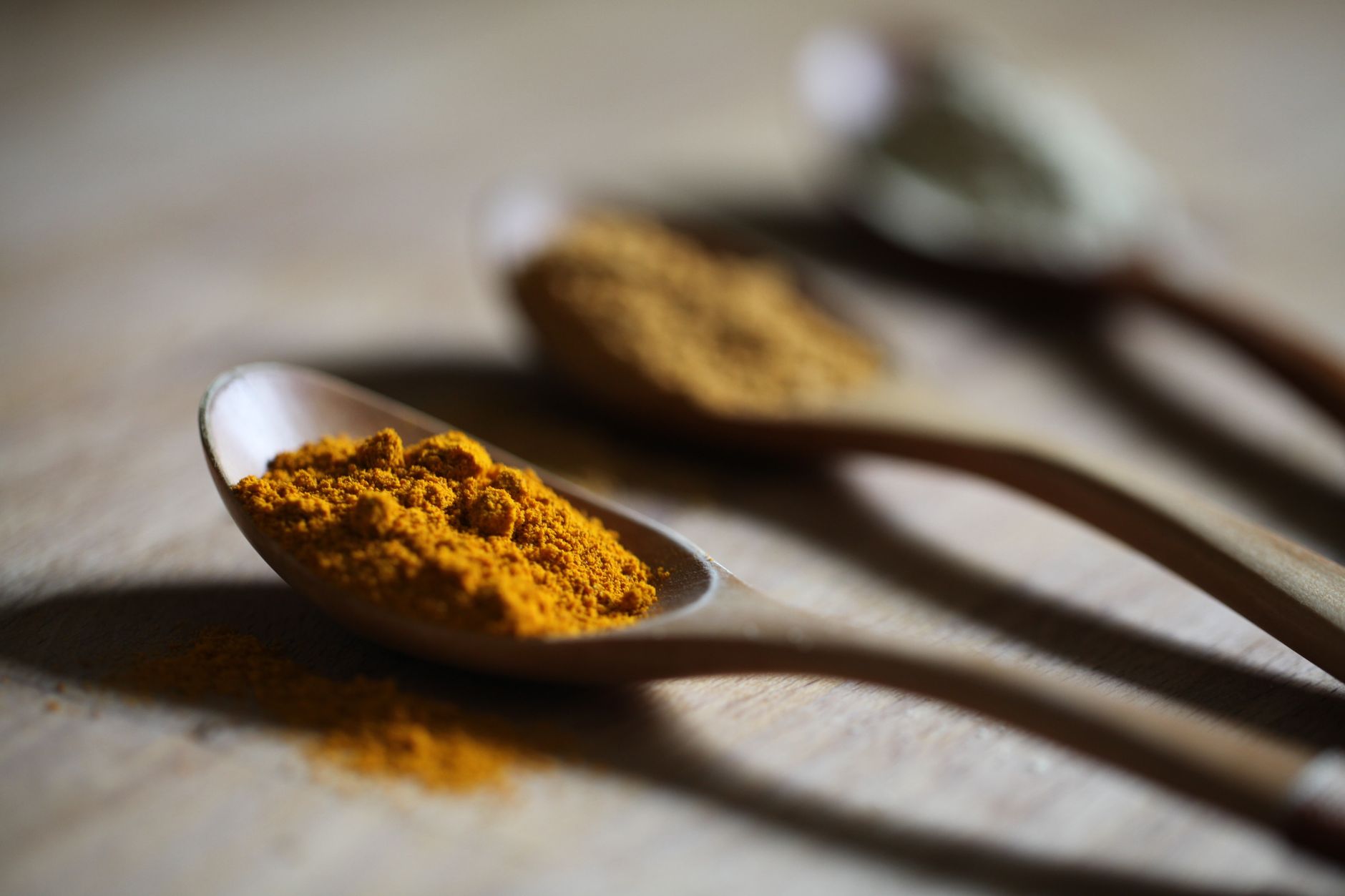
Turmeric, derived from the rhizome of the Curcuma longa plant, is a cornerstone of culinary and traditional medicinal systems, particularly in South Asia. Its vibrant yellow pigment and distinctive flavor have made it a global kitchen staple. The primary focus of modern scientific inquiry, however, is on its bioactive compound: curcumin. This polyphenol is credited with most of turmeric's studied pharmacological effects, primarily its potent anti-inflammatory and antioxidant properties.
The interest in turmeric within a health context is substantial, but the evidence base requires careful navigation. It is crucial to distinguish between the robust data from laboratory and animal studies, which are highly promising, and the more variable results from human clinical trials.
- Stronger Evidence: High-quality research consistently supports curcumin's ability to modulate inflammatory pathways at a molecular level. This forms a plausible biological basis for its investigation in conditions driven by chronic, low-grade inflammation.
- Mixed or Preliminary Evidence: Clinical outcomes in humans are less definitive. While some randomized controlled trials show benefit for symptoms in osteoarthritis and rheumatoid arthritis, results can be inconsistent. Evidence for other conditions, such as metabolic syndrome or cognitive decline, is intriguing but considered preliminary, often limited by study size, duration, or formulation issues.
A fundamental and well-documented challenge is curcumin's poor bioavailability; it is poorly absorbed from the gut, rapidly metabolized, and quickly eliminated. This is a critical concept for any discussion on incorporating turmeric, as it directly impacts the practical efficacy of different consumption methods.
Clinical Perspective: From a medical standpoint, turmeric or curcumin is generally not considered a first-line treatment for any disease. It is often viewed as a potential complementary agent for managing inflammatory symptoms. The key is setting realistic expectations—it is a dietary component with pharmacologically active properties, not a miracle cure. Its role is supportive, not substitutive, of conventional medical care.
Before considering any new dietary regimen involving significant amounts of turmeric or curcumin supplements, certain individuals should exercise caution and consult a healthcare provider. This includes those with gallbladder disease, bile duct obstruction, a history of kidney stones, bleeding disorders, or who are taking anticoagulant/antiplatelet medications (e.g., warfarin, clopidogrel). Pregnant or breastfeeding women should also seek professional advice.
2. Scientific Evidence and Mechanisms of Turmeric
The primary bioactive compound in turmeric is curcumin, a polyphenol responsible for the spice's vibrant yellow color and much of its studied biological activity. The scientific interest in curcumin stems from its broad, pleiotropic effects, primarily its potent anti-inflammatory and antioxidant properties.
Core Mechanisms of Action
At a molecular level, curcumin's mechanisms are complex and involve multiple pathways:
- NF-κB Inhibition: Curcumin is a well-documented inhibitor of the NF-κB (nuclear factor kappa-light-chain-enhancer of activated B cells) pathway, a key regulator of the expression of pro-inflammatory cytokines, enzymes like COX-2, and other mediators of chronic inflammation.
- Antioxidant Activity: It can directly neutralize free radicals and also upregulate the body's own antioxidant defenses, such as glutathione and superoxide dismutase.
- Modulation of Cell Signaling: Curcumin influences several other signaling pathways involved in cell growth, survival, and apoptosis, including MAPK, JAK/STAT, and mTOR.
Strength of the Evidence
The evidence supporting these mechanisms is strong in preclinical (cell and animal) studies. However, translating these findings into consistent, high-quality clinical outcomes in humans presents significant challenges, primarily due to curcumin's poor bioavailability.
Clinical evidence is mixed and condition-specific:
- Stronger Evidence: The most robust human data supports the use of standardized, bioavailable curcumin extracts for reducing pain and improving function in osteoarthritis, with effects often comparable to non-steroidal anti-inflammatory drugs (NSAIDs) but with a better safety profile for gastrointestinal effects.
- Promising but Preliminary Evidence: Some randomized controlled trials show benefit for symptoms in rheumatoid arthritis and management of metabolic syndrome parameters (e.g., improving lipid profiles and fasting blood glucose). Evidence for mood disorders like major depressive disorder is intriguing but requires larger, longer-term studies for confirmation.
- Insufficient Evidence: Claims for treating or preventing serious diseases like cancer, Alzheimer's, or advanced heart disease in humans are not supported by conclusive clinical trial data and should be viewed as speculative.
Clinical Perspective: The key takeaway is that curcumin is a potent anti-inflammatory agent, not a cure-all. Its clinical utility is most apparent in conditions driven by low-grade, systemic inflammation. The formulation is critical—standard turmeric powder or simple capsules have minimal absorption. Effective clinical results are typically seen with formulations enhanced for bioavailability (e.g., with piperine from black pepper or in lipid-based forms).
Who Should Exercise Caution: Individuals on anticoagulant/antiplatelet drugs (e.g., warfarin, clopidogrel), those with gallbladder disease, bile duct obstruction, or iron deficiency, and individuals preparing for surgery should consult a physician due to curcumin's potential blood-thinning and bile-stimulating effects. It may also interact with certain chemotherapy drugs.
3. Potential Risks and Contraindications of Turmeric Use
While turmeric is generally recognized as safe for culinary use, concentrated supplementation and high-dose, long-term consumption introduce specific risks that require careful consideration. A responsible approach requires understanding these potential contraindications.
Primary Safety Concerns
The most well-documented risk of high-dose turmeric or curcumin supplements is their potential to interact with medications. The evidence for this interaction is strong and clinically significant. Turmeric may:
- Increase Bleeding Risk: It has antiplatelet (blood-thinning) properties. Concurrent use with anticoagulants (e.g., warfarin, clopidogrel) or NSAIDs (e.g., aspirin, ibuprofen) can potentiate this effect, raising the risk of bruising and bleeding.
- Affect Drug Metabolism: Curcumin may inhibit certain liver enzymes (CYP450), potentially altering the blood levels and efficacy of many prescription drugs, including some chemotherapies, statins, and antidepressants.
Gastrointestinal side effects, such as dyspepsia, nausea, or diarrhea, are the most commonly reported adverse effects, particularly with doses exceeding 1,000 mg of curcuminoids per day.
Populations Requiring Special Caution
Certain individuals should exercise heightened caution and consult a healthcare provider before initiating supplementation:
- Individuals with Gallbladder Disease: Turmeric may stimulate bile production, which could provoke symptoms in those with bile duct obstruction or gallstones.
- Those with Iron Deficiency or Risk: Preliminary evidence suggests curcumin may chelate iron and potentially inhibit its absorption, which could be problematic for individuals with anemia.
- People with Kidney Stones: Turmeric is high in soluble oxalates, which can contribute to the formation of calcium oxalate stones in susceptible individuals.
- Pre- and Post-Operative Patients: Due to its antiplatelet effects, it is typically advised to discontinue turmeric supplements at least two weeks before any scheduled surgery.
Clinical Perspective: The adage "the dose makes the poison" applies here. The risks associated with the spice used in cooking are minimal. The significant concerns arise with pharmacologic doses found in supplements. A clinician's primary questions are: "What is the patient's full medication list?" and "What is the intended dose and formulation?" Always disclose all supplements to your physician and pharmacist to screen for interactions.
Finally, the long-term safety of high-dose, isolated curcumin supplements (often exceeding 8-12 grams daily in trials) is not fully established. While short-term studies show a good safety profile, data on chronic use over many years is limited. Pregnant or breastfeeding women should avoid therapeutic supplementation due to a lack of robust safety data, though culinary use is considered safe.
4. Evidence-Based Methods for Daily Turmeric Incorporation
Incorporating turmeric into your daily regimen requires a focus on bioavailability and consistency. The primary active compound, curcumin, is poorly absorbed by the body on its own. Therefore, the method of consumption is as important as the quantity. The evidence supporting turmeric's anti-inflammatory and antioxidant properties is robust in laboratory and animal studies, while human clinical trials, though promising, often involve specific, high-bioavailability formulations.
For daily culinary use, consider these evidence-informed approaches:
- Combine with Black Pepper: Piperine, a compound in black pepper, enhances curcumin absorption by up to 2000%. Adding a pinch of black pepper to any turmeric-containing food or drink is a simple, proven strategy.
- Consume with Healthy Fats: Curcumin is fat-soluble. Cooking turmeric in olive oil, coconut oil, or ghee, or adding it to avocado or nut-based dishes, can significantly improve its bioavailability.
- Utilize in Warm Liquids: Making a "golden milk" by simmering turmeric with milk (dairy or plant-based) and other spices leverages both fat solubility and heat, which can aid in extraction.
For those considering supplementation, the evidence is more specific. Most clinical trials demonstrating benefits for joint discomfort or systemic inflammation use standardized curcumin extracts (typically 500–1000 mg daily) formulated with bioavailability enhancers like piperine, lipids, or nanoparticles. The effects of culinary-grade turmeric powder, used in smaller quantities (typically 1–3 grams or ½–1 teaspoon daily), are less definitively quantified but are considered safe for general use.
Clinical Perspective: From a dosing standpoint, think of culinary use as a supportive, long-term dietary pattern and supplementation as a more targeted, pharmacological approach. The anti-inflammatory dose used in many trials far exceeds what is typically consumed in food. Patients should not expect rapid, dramatic results from sprinkling turmeric on meals, but rather a potential modest contribution to an overall anti-inflammatory diet.
It is crucial to note who should exercise caution. Individuals with gallbladder disease, bile duct obstruction, or a history of kidney stones should consult a doctor, as turmeric can stimulate bile production. Those on anticoagulants (e.g., warfarin), antiplatelet drugs, or diabetes medication should also seek medical advice due to potential interactions. Pregnant women should avoid medicinal doses and supplements. Consistency with a modest, bioavailable daily dose, integrated into meals, is a safer and more sustainable strategy than periodic high intake.
5. Safety Guidelines and When to Consult a Healthcare Professional
While turmeric is generally recognized as safe when consumed in typical culinary amounts, its concentrated use as a supplement or in high doses requires a more cautious, evidence-based approach. The primary safety considerations revolve around its active compound, curcumin, and its potential interactions with physiological processes and medications.
Key Safety Considerations
Adhering to established safety parameters is crucial. For curcumin extracts, most clinical trials have safely used doses ranging from 500 mg to 2,000 mg per day, typically for periods of up to 8-12 weeks. Long-term safety data for high-dose supplementation is more limited. Common, generally mild side effects can include gastrointestinal upset, nausea, or diarrhea. High doses may also act as a blood thinner.
- Medication Interactions: Turmeric/curcumin may potentiate the effects of anticoagulant and antiplatelet drugs (e.g., warfarin, clopidogrel, aspirin), increasing bleeding risk. It may also interact with diabetes medications by enhancing their glucose-lowering effect.
- Pre-Existing Conditions: Individuals with gallbladder disease, bile duct obstruction, or a history of kidney stones should exercise caution, as turmeric can stimulate bile production.
- Bioenhancers: Many supplements include piperine (from black pepper) to increase bioavailability. This compound can also significantly alter the metabolism of many prescription drugs, heightening interaction risks.
Clinical Insight: In practice, the greatest risk often lies in the "natural equals safe" misconception. Patients frequently omit herbal supplements from their medication list. Clinicians need a complete picture to assess for pharmacokinetic interactions, which are the most substantiated risk with curcumin supplements.
When to Consult a Healthcare Professional
It is strongly advised to seek guidance from a physician or a registered dietitian before beginning any new supplement regimen, especially if you fall into one of the following categories:
- You are currently taking any prescription medications, particularly for blood thinning, diabetes, or cancer.
- You have a scheduled surgery (discontinue use at least 2 weeks prior, as per standard surgical guidance for supplements).
- You are pregnant, breastfeeding, or trying to conceive, due to limited safety data in these populations.
- You have a known medical condition affecting the liver, kidneys, gallbladder, or blood.
- You are managing a chronic condition like rheumatoid arthritis or inflammatory bowel disease, where a supplement could theoretically interact with disease activity or treatment.
A professional can help you weigh the potential benefits against individual risks, suggest an appropriate dosage and formulation, and monitor for adverse effects or interactions, ensuring a safe and personalized approach.
6. Questions & Expert Insights
Is there a "best" time of day to take turmeric for maximum absorption?
There is no definitive clinical evidence that timing significantly impacts turmeric's overall efficacy. The primary concern is enhancing the bioavailability of its active compound, curcumin, which is poorly absorbed on its own. Consuming turmeric with a source of fat (like olive oil, avocado, or nuts) and black pepper (which contains piperine) can significantly increase absorption, regardless of the time. Some preliminary research suggests taking it with a meal may reduce the chance of minor gastrointestinal upset. The most practical "best time" is when you can consistently pair it with fats and black pepper as part of your regular eating pattern, such as with breakfast or lunch.
What are the main risks or side effects, and who should avoid daily turmeric?
For most healthy adults, culinary amounts of turmeric are very safe. However, concentrated supplements (typically >1 gram of curcumin daily) pose several risks. Turmeric has mild blood-thinning properties and may increase the risk of bleeding, especially when combined with anticoagulant drugs like warfarin, clopidogrel, or aspirin. It can also stimulate stomach acid production, potentially aggravating GERD or ulcers. High doses have been linked to rare cases of liver injury. Individuals who should avoid or use extreme caution include: those with gallbladder disease or bile duct obstruction (as turmeric stimulates bile release), those scheduled for surgery, people with iron deficiency (it may inhibit iron absorption), and those with known allergies to ginger or yellow food dyes. Pregnant women should avoid medicinal doses due to theoretical uterine stimulation.
When should I talk to my doctor about taking turmeric, and what should I discuss?
You should consult your doctor or a pharmacist before starting a turmeric supplement if you have any chronic health condition or take regular medication. This is crucial for individuals on blood thinners, diabetes medications (curcumin may enhance their effect, risking hypoglycemia), or acid-reducing drugs. Prepare for the conversation by bringing a list of all your medications and supplements, including dosages. Be specific about the turmeric product you're considering—state whether it's a powder, extract, or capsule, and note the curcuminoid content per dose. Clearly state your goal (e.g., "for joint inflammation") and ask about potential interactions with your current health plan. This allows your provider to give personalized, safe advice.
How long does it take to see benefits from taking turmeric regularly?
Expectations must be tempered, as effects are generally subtle and not guaranteed. High-quality systematic reviews, primarily on osteoarthritis and pain, suggest that standardized curcumin extracts may provide modest symptomatic improvement, often comparable to over-the-counter NSAIDs in some studies, but effects typically take 4 to 12 weeks of consistent use to become noticeable. The evidence for preventive or long-term disease-modifying effects in humans is far less established and would require sustained use over years. The variability in product quality and individual biochemistry means results are not uniform. It is more realistic to view turmeric as a potential component of a broader anti-inflammatory lifestyle, not a quick fix.
7. In-site article recommendations
8. External article recommendations
9. External resources
The links below point to reputable medical and evidence-based resources that can be used for further reading. Always interpret them in the context of your own situation and your clinician’s advice.
-
healthline healthline.comturmeric – Healthline (search)
-
wikipedia wikipedia.orgturmeric – Wikipedia (search)
-
mayoclinic mayoclinic.orgturmeric – Mayo Clinic (search)
These external resources are maintained by third-party organisations. Their content does not represent the editorial position of this site and is provided solely to support readers in accessing additional professional information.