
1. Introduction to Chia Seeds in Morning Health Contexts
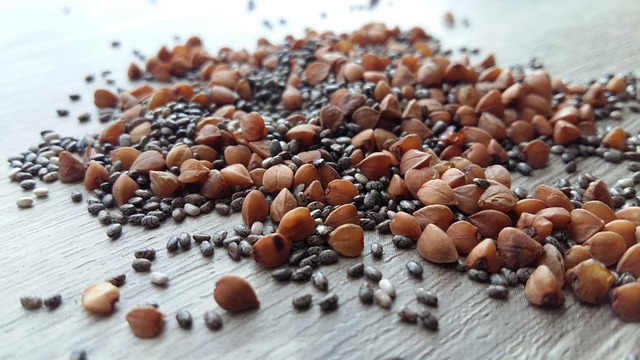
Chia seeds (Salvia hispanica L.) have garnered significant attention in nutritional science and public health discourse for their dense nutrient profile. In the context of morning routines, they are often positioned as a functional food to support digestive health, satiety, and metabolic regulation. This chapter provides an objective, evidence-based introduction to their role, separating established nutritional facts from popular claims and highlighting important clinical considerations.
The nutritional composition of chia seeds is well-documented and forms the basis for their proposed health benefits. A standard one-ounce (28-gram) serving provides:
- Dietary Fiber: Approximately 10-11 grams, predominantly soluble fiber.
- Omega-3 Fatty Acids: About 5 grams, primarily in the form of alpha-linolenic acid (ALA).
- Protein: A complete protein source, offering around 4-5 grams.
- Minerals: Notable amounts of calcium, magnesium, phosphorus, and trace minerals.
When consumed in the morning, particularly after hydration, the soluble fiber in chia seeds forms a gel-like substance. This property is strongly linked to two primary, evidence-supported effects:
- Promotion of Satiety: The gel expands in the stomach, which can delay gastric emptying and increase feelings of fullness. This is supported by several short-term human trials, though long-term weight management data is more limited.
- Modulation of Bowel Function: The combined soluble and insoluble fiber content can help normalize stool consistency and promote regular bowel movements, a benefit supported by general fiber research.
Claims regarding "detoxification" or "cleansing" require careful interpretation. From a clinical perspective, the body's hepatic and renal systems are primarily responsible for detoxification. The role of chia seeds is better understood as supporting digestive regularity and providing nutrients that aid the body's intrinsic metabolic processes, rather than acting as an active cleansing agent.
Clinical Insight: While chia seeds are generally safe for most adults, their high fiber content necessitates a cautious approach. Individuals with a history of dysphagia, esophageal strictures, or significant gastrointestinal disorders like inflammatory bowel disease (IBD) during a flare-up should consult a gastroenterologist before regular consumption. Furthermore, due to their potential blood-thinning effects from ALA, patients on anticoagulant therapy (e.g., warfarin) should discuss dietary changes with their physician. Introducing chia seeds gradually is advised to mitigate potential bloating or gas.
In summary, chia seeds offer a nutritionally dense addition to a morning routine, with credible evidence for promoting satiety and digestive regularity. Their integration should be viewed as part of a balanced dietary pattern, not a standalone solution. The following chapters will delve deeper into the specific mechanisms and the strength of evidence behind each purported benefit.
2. Evidence-Based Mechanisms of Chia Seeds

The proposed benefits of chia seeds in a morning routine are primarily attributed to their unique nutritional composition. The mechanisms are grounded in their high content of soluble fiber, protein, and omega-3 fatty acids (alpha-linolenic acid, or ALA). Understanding these components helps separate well-supported effects from more speculative claims.
Primary Mechanisms with Stronger Evidence
The most robust evidence supports chia seeds' role in promoting satiety and modulating blood glucose. This is largely due to their soluble fiber, which forms a gel-like substance when mixed with liquid.
- Gastric Emptying and Satiety: The gel-forming fiber can slow gastric emptying, prolonging feelings of fullness. This mechanism is well-documented for viscous soluble fibers in general and is strongly supported for chia seeds in controlled feeding studies.
- Blood Glucose Modulation: By slowing the digestion and absorption of carbohydrates, this gel can help blunt postprandial (after-meal) spikes in blood glucose. This effect is considered beneficial for metabolic health, though its long-term clinical impact requires more research.
- Bowel Function: The combined soluble and insoluble fiber content adds bulk to stool and supports regular bowel movements, a mechanism fundamental to gastroenterology.
Mechanisms with Preliminary or Mixed Evidence
Other proposed mechanisms are plausible but supported by less consistent or preliminary human data.
- Omega-3 (ALA) Anti-Inflammatory Effects: While chia is a rich plant source of ALA, the conversion rate in the human body to the more active EPA and DHA is inefficient. Therefore, while contributing to overall omega-3 intake, direct, significant anti-inflammatory effects from typical servings are not strongly established.
- Prebiotic Function: The fiber in chia seeds may act as a prebiotic, feeding beneficial gut bacteria. This is an active area of research, but specific, high-quality human trials on chia's microbiome impact are still limited.
Clinical Perspective: From a mechanistic standpoint, chia seeds function primarily as a source of viscous soluble fiber. Their most reliable effects—increased satiety, moderated glycemic response, and improved stool bulk—are direct consequences of this physical property. It is important to view them as a supportive dietary component, not a standalone therapeutic agent. Their efficacy is also dose-dependent and integrated within an overall balanced diet.
Who Should Exercise Caution: Individuals with swallowing difficulties, esophageal strictures, or a history of bowel obstructions should consume chia seeds with extreme care and only after consulting a physician, as the gel can expand and pose a risk. Those on blood-thinning medications or with upcoming surgery should discuss high omega-3 intake with their doctor due to potential additive effects. Always consume chia seeds with ample fluid.
3. Risks and Contraindications for Specific Populations
While chia seeds are generally safe for most people, their unique physical and nutritional properties necessitate caution for specific populations. A balanced, evidence-based approach requires acknowledging these potential risks to ensure safe integration into a morning routine.
Gastrointestinal and Mechanical Risks
The high soluble fiber content (approximately 10 grams per ounce) is a primary benefit but also a key risk factor. Ingesting a large amount, especially without adequate hydration, can lead to significant gastrointestinal distress.
- Bloating and Gas: Rapid introduction of high fiber can cause fermentation by gut bacteria, leading to discomfort.
- Constipation or Bowel Obstruction: This is the most serious mechanical risk. Consuming dry chia seeds followed by insufficient fluid can cause them to form a dense, gel-like bolus that may expand in the esophagus or intestine, posing a risk of obstruction. Always consume chia seeds that have been pre-soaked or with ample liquid.
Contraindications for Medical Conditions and Medications
Individuals with the following conditions should consult a healthcare provider before regular consumption:
- Dysphagia or Esophageal Strictures: The gel-like texture of soaked seeds may be difficult to swallow safely.
- Inflammatory Bowel Disease (IBD) Flares or Diverticulitis: During active inflammation, high-fiber foods like chia seeds may exacerbate symptoms. Their use in remission should be individualized.
- Hypotension or Use of Blood Pressure Medications: Preliminary animal and limited human studies suggest chia may have a blood pressure-lowering effect. Those on antihypertensive drugs should monitor blood pressure closely to avoid additive effects.
- Blood Thinners (e.g., Warfarin): Chia seeds are rich in vitamin K and alpha-linolenic acid (ALA). While evidence for a clinically significant interaction is weak, consistent daily intake could theoretically affect coagulation. Patients on such medications should maintain a consistent vitamin K intake and inform their physician.
Clinical Perspective: From a safety standpoint, the risk of bowel obstruction from improper consumption of dry seeds is the most immediate concern I emphasize to patients. For those on medications, the principle is one of potential interaction, not proven harm. The key is disclosure and consistency—suddenly adding two tablespoons of chia daily to an otherwise stable diet and medication regimen is the scenario that warrants a discussion with a doctor or dietitian.
Special Populations
Additional caution is advised for:
- Pregnancy and Lactation: While nutritious, there is limited specific safety data. Moderation within a balanced diet is likely safe, but using chia for a "cleansing" effect is not recommended during pregnancy.
- History of Eating Disorders: Framing any food, including chia seeds, as a "cleanse" or detoxifying agent can perpetuate harmful dietary patterns and should be avoided.
- Allergies: Though rare, allergic reactions to chia seeds, including anaphylaxis, have been documented, particularly in individuals with allergies to other seeds (e.g., sesame, mustard).
In summary, the proven benefits of chia seeds must be weighed against individual health contexts. Starting with a small dose (e.g., one teaspoon), ensuring proper preparation with fluids, and consulting a healthcare professional for those with underlying conditions are prudent steps for safe use.
4. Practical and Balanced Implementation Strategies

Integrating chia seeds into a morning routine should be approached with a focus on moderation and individual tolerance. The evidence supporting their benefits for digestive regularity and satiety is strongest when they are consumed as part of a balanced diet, not as an isolated "cleansing" agent.
A practical starting point is one tablespoon (approximately 12-15 grams) of dry seeds. To leverage their soluble fiber for digestive health, it is crucial to pre-soak them. Add seeds to at least 1 cup of liquid (water, plant-based milk, or unsweetened juice) and allow them to sit for 15-30 minutes, or overnight, until a gel forms. This process aids hydration and reduces the risk of gastrointestinal discomfort.
- Simple Morning Preparations: Add pre-soaked chia seeds to oatmeal, yogurt, or smoothies.
- Chia Pudding: Mix 3 tablespoons of seeds with 1 cup of liquid, refrigerate overnight, and top with fresh fruit and nuts.
- Hydration Support: Stir a teaspoon of pre-soaked seeds into a glass of water or herbal tea.
It is important to increase fluid intake throughout the day when consuming chia seeds, as their high fiber content requires adequate water to function effectively in the digestive tract.
Clinical Consideration: The term "cleansing" lacks a standard medical definition. From a clinical perspective, the benefits attributed to chia seeds—improved bowel regularity and a feeling of fullness—are best understood as the result of increased soluble fiber and fluid intake. They support the body's natural digestive processes rather than acting as a detoxifying agent.
Who Should Exercise Caution: Individuals with a history of dysphagia (swallowing difficulties), esophageal strictures, or major gastrointestinal surgeries should avoid dry chia seeds, as they can expand and pose a blockage risk. Those with irritable bowel syndrome (IBS) may need to introduce them slowly to monitor for bloating. People on medication for diabetes or blood pressure should consult a physician, as chia seeds may potentiate effects. Always seek professional advice if you have kidney disease, are on blood thinners, or are pregnant.
Ultimately, a sustainable strategy views chia seeds as one component of a nutrient-dense breakfast, paired with protein, healthy fats, and other whole foods for sustained energy and digestive health.
5. Safety Monitoring and When to Consult a Healthcare Provider

While chia seeds are generally recognized as safe for most adults, their high fiber and bioactive compound content necessitates a cautious, individualized approach. Integrating them into a morning routine is not without potential risks, and proactive monitoring is essential for safety.
Key Considerations for Self-Monitoring
When introducing chia seeds, pay close attention to your body's response over the first few weeks. Common, typically mild, initial reactions are related to the drastic increase in soluble fiber.
- Gastrointestinal Effects: Monitor for bloating, gas, or abdominal discomfort. These often subside as the gut microbiome adjusts, but a sudden, large intake can cause significant distress or constipation if adequate water is not consumed.
- Hydration Status: Chia seeds absorb 10–12 times their weight in water. Failure to consume sufficient fluids concurrently can lead to a risk of esophageal impaction or exacerbate constipation. Ensure your intake of water or other non-caffeinated beverages increases proportionally.
- Blood Pressure and Blood Thinning: The omega-3 alpha-linolenic acid (ALA) in chia has mild antiplatelet effects. If you are on anticoagulant (e.g., warfarin) or antiplatelet (e.g., aspirin, clopidogrel) medications, monitor for unusual bruising or bleeding and discuss chia intake with your prescriber.
- Blood Sugar Levels: While the fiber can help modulate postprandial glucose, individuals on medication for diabetes or hypoglycemia should monitor their blood sugar closely, as the combined effect may necessitate medication adjustment.
Clinical Insight: From a gastroenterology perspective, the most common adverse events we see are related to improper preparation—consuming dry seeds without adequate liquid, which poses a choking hazard and a risk of bowel obstruction. Always pre-soak chia seeds for at least 10–15 minutes to form a gel. Furthermore, individuals with a history of dysphagia, strictures, or inflammatory bowel disease during a stricturing phase should avoid chia seeds altogether unless explicitly cleared by their gastroenterologist.
When to Consult a Healthcare Provider
It is prudent to seek professional medical advice before beginning a regular chia seed regimen if you fall into any of the following categories:
- Individuals with a diagnosed gastrointestinal disorder (e.g., Crohn's disease, ulcerative colitis, diverticulitis, or a history of bowel obstruction).
- Those with kidney disease, particularly advanced stages, due to the notable phosphorus and potassium content of chia seeds.
- Anyone taking medications for blood pressure, blood thinning, or blood sugar management, due to potential interactions.
- Individuals with known seed allergies, though chia allergy is relatively rare.
- Pregnant or breastfeeding women, not because chia is contraindicated, but to ensure it is incorporated safely within their specific nutritional needs.
The evidence supporting chia's health benefits is promising but not exhaustive. A healthcare provider can help contextualize this dietary addition within your complete health profile, medication regimen, and nutritional goals, ensuring a safe and effective approach.
6. Questions & Expert Insights
Is there strong scientific evidence that chia seeds "cleanse" or "detox" the body in the morning?
The term "cleanse" or "detox" is not a standard medical concept. Scientifically, the liver and kidneys are the body's primary and highly efficient detoxification systems. The evidence supporting chia seeds lies in their high soluble fiber content, primarily glucomannan. This fiber forms a gel in the gut, which can slow digestion, promote a feeling of fullness, and support regular bowel movements by adding bulk. This mechanical action may help the digestive system function smoothly, which some interpret as "cleansing." However, it does not remove toxins in a way that surpasses the body's innate physiology. The benefits are best framed as supporting digestive regularity and providing sustained energy through slow carbohydrate release, not as a standalone detox protocol.
What are the potential risks or side effects of starting a morning chia seed routine, and who should avoid it?
Introducing a high-fiber food like chia seeds too quickly is the most common cause of side effects, which can include bloating, gas, abdominal discomfort, or constipation if adequate water is not consumed. A more serious, though rare, risk is esophageal impaction if dry chia seeds are swallowed without being pre-soaked, as they can expand and cause a blockage. Specific individuals should exercise caution or avoid this approach: those with a history of swallowing disorders, esophageal strictures, or certain gastrointestinal surgeries; individuals with diagnosed irritable bowel syndrome (IBS) who are sensitive to fermentable fibers (FODMAPs); and those with kidney disease, as chia seeds are a source of phosphorus and potassium, which may need to be restricted. Anyone with a seed allergy should, of course, avoid them entirely.
When should I talk to my doctor before incorporating chia seeds into my morning routine?
Consulting a physician or a registered dietitian is strongly advised if you have a chronic medical condition or are taking medications. This is particularly important for individuals with diabetes (as chia may affect blood sugar levels and interact with diabetes medications), kidney disease, diagnosed digestive disorders like IBS or IBD, or a history of bowel obstructions. Before your appointment, prepare notes on your current diet, the specific amount and form of chia seeds you plan to use, and your health goals. Bring a list of all medications and supplements. This information allows your healthcare provider to assess potential interactions, adjust medication if necessary, and provide personalized guidance on a safe and effective dietary adjustment tailored to your health status.
How does the evidence for chia seeds compare to other sources of fiber for morning digestion?
Chia seeds are one of many excellent sources of dietary fiber. The evidence for their benefits—improved satiety, slower glucose absorption, and support for bowel regularity—is comparable to that for other viscous, soluble fibers like psyllium husk, flaxseeds, and oats. The primary difference is in the nutrient package. Chia seeds provide omega-3 fatty acids (ALA), calcium, and magnesium, while psyllium is a more concentrated source of pure soluble fiber with strong evidence for cholesterol management. The choice often comes down to personal tolerance, taste preference, and nutritional needs. The key clinical takeaway is that consistent intake of adequate fiber from a variety of whole-food sources is strongly supported by evidence for long-term digestive and metabolic health, more so than relying on any single "superfood."
7. In-site article recommendations
8. External article recommendations
9. External resources
The links below point to reputable medical and evidence-based resources that can be used for further reading. Always interpret them in the context of your own situation and your clinician’s advice.
-
mayoclinic mayoclinic.orgchia seeds – Mayo Clinic (search)
-
examine examine.comchia seeds – Examine.com (search)
-
wikipedia wikipedia.orgchia seeds – Wikipedia (search)
These external resources are maintained by third-party organisations. Their content does not represent the editorial position of this site and is provided solely to support readers in accessing additional professional information.