
1. Introduction to Natural Detoxification Concepts
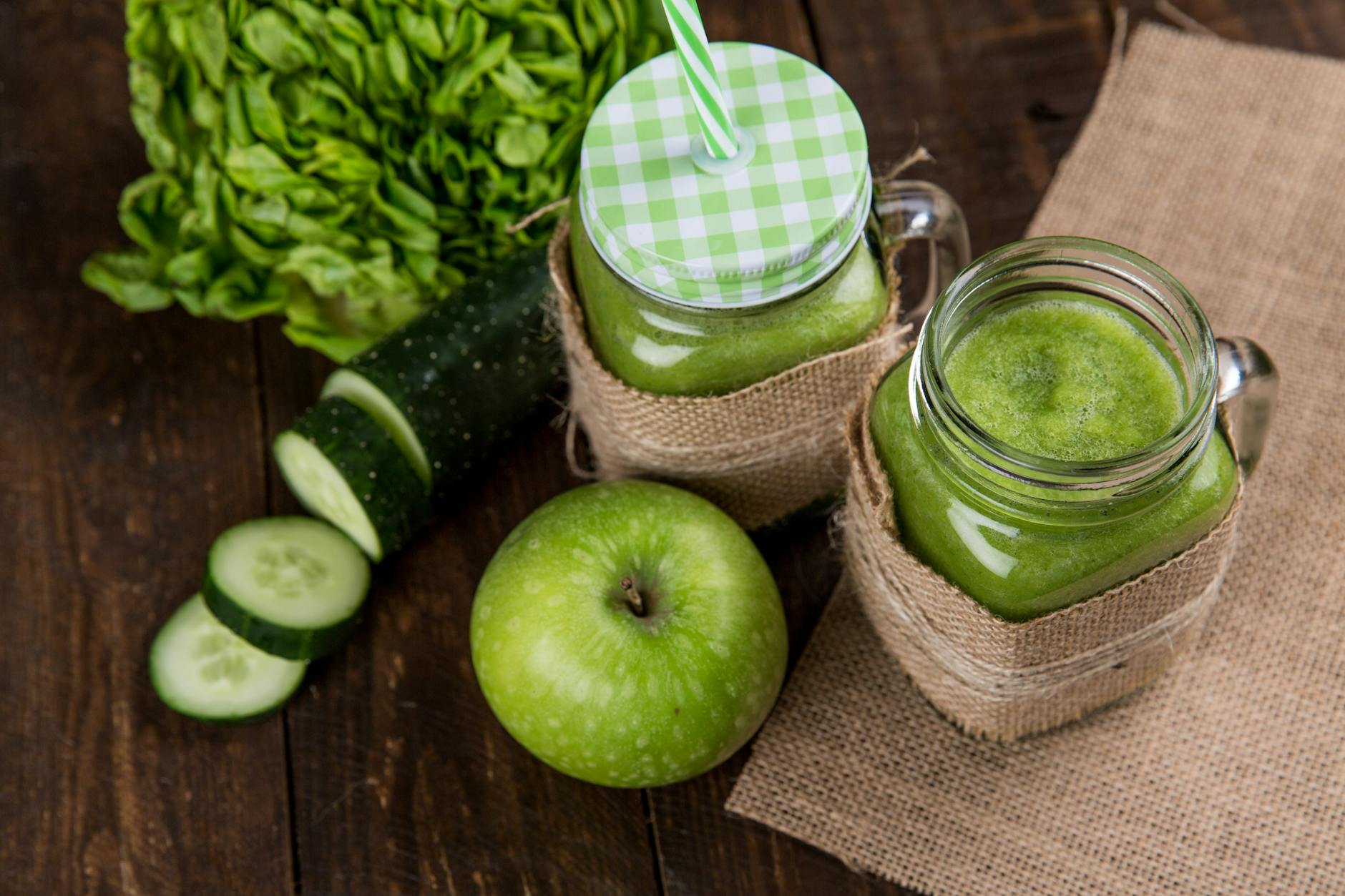
In clinical and physiological terms, "detoxification" refers to the body's innate, continuous processes for neutralizing and eliminating metabolic waste products, environmental toxins, and other potentially harmful substances. This foundational work is performed primarily by the liver, kidneys, gastrointestinal tract, skin, and lungs. The goal of a supportive, evidence-based approach is not to "force" or "shock" these systems with extreme cleanses, but to provide them with the nutritional substrates they require to function optimally.
It is crucial to distinguish this physiological concept from the popular use of "detox," which is often associated with restrictive juice fasts, aggressive colon cleanses, or unproven supplement protocols. These approaches are frequently unsupported by robust clinical evidence and can pose risks, including electrolyte imbalances, nutrient deficiencies, and disruption of gut microbiota.
A more balanced, sustainable strategy focuses on dietary and lifestyle choices that support the body's own detoxification pathways. Key mechanisms include:
- Phase I and II Liver Enzymatic Pathways: These biochemical processes transform fat-soluble toxins into water-soluble compounds for excretion. Their function can be influenced by the availability of specific micronutrients.
- Gastrointestinal Motility and Barrier Function: Regular elimination prevents the reabsorption of waste. A healthy gut lining acts as a critical filter.
- Antioxidant Defense Systems: Neutralizing free radicals produced during normal metabolism and toxin processing reduces cellular stress.
The evidence supporting specific "detox" foods or diets is often preliminary or mixed. However, a strong consensus exists that a diet rich in whole foods—particularly fruits, vegetables, legumes, and whole grains—provides the vitamins, minerals, antioxidants, and fiber that underpin these physiological processes. Smoothies formulated with these ingredients can be a practical vehicle for increasing intake of these supportive nutrients.
Clinical Perspective: From a medical standpoint, supporting detoxification is synonymous with supporting overall organ health. There is no high-quality evidence that short-term "cleanses" enhance toxin elimination in healthy individuals with functioning organs. The most effective long-term approach is consistent, nutrient-dense eating paired with adequate hydration, sleep, and physical activity—all of which promote systemic resilience.
Who Should Exercise Caution: Individuals with kidney disease, liver disease, diabetes, or those who are pregnant or breastfeeding should consult a physician before making significant dietary changes. Those with a history of eating disorders should avoid any protocol framed as a "cleanse" or "detox," as it may trigger disordered eating patterns.
2. Evidence-Based Mechanisms of Nutrient Support

The concept of "detoxification" in a clinical context refers to the body's intrinsic, multi-phase biochemical processes for neutralizing and eliminating metabolic waste, environmental toxins, and xenobiotics. The liver is the primary organ for this, supported by the kidneys, gut, and skin. Rather than "cleansing" the body, the goal of nutrient support is to provide the essential cofactors these systems require to function optimally.
Key nutrients in fruits, vegetables, and herbs act through several well-documented mechanisms:
- Phase I & II Liver Enzyme Support: Cruciferous vegetables (e.g., kale, broccoli) contain glucosinolates, which are metabolized into compounds like sulforaphane. Human and animal studies suggest these compounds can upregulate both Phase I (cytochrome P450) and, more importantly, Phase II conjugation enzymes (like glutathione S-transferase), enhancing the liver's capacity to process toxins for excretion.
- Antioxidant Provision: Many Phase I reactions produce reactive oxygen species. Nutrients like vitamin C (from citrus, berries), vitamin E (from seeds), and polyphenols (from berries, green tea) act as antioxidants, helping to mitigate this oxidative stress and protect cellular integrity.
- Binding and Excretion Support: Soluble fibers (e.g., from apples, chia seeds, oats) can bind to bile acids, which often carry metabolized toxins, facilitating their excretion via the feces. Adequate hydration from the liquid base supports renal filtration and urinary excretion.
Clinical Perspective: It is crucial to distinguish between providing nutritional support for endogenous detox pathways and the claim that a specific food "detoxifies" the body. The evidence for individual foods is often derived from cell or animal models; human data typically shows benefit within the context of a overall nutrient-dense diet. The synergy of nutrients in whole foods is likely more impactful than isolated compounds.
The evidence for these mechanisms is strongest for the role of a consistently high intake of fruits and vegetables in supporting overall liver and metabolic health. Data on the acute "detox" effects of specific smoothie formulations in otherwise healthy individuals is more limited and often extrapolated from longer-term dietary studies.
Who should exercise caution? Individuals with kidney disease must consult a physician regarding high-potassium ingredients (e.g., spinach, bananas). Those on blood thinners (e.g., warfarin) need consistent vitamin K intake, so sudden high consumption of leafy greens can interfere with medication. Anyone with a history of oxalate kidney stones should be mindful of high-oxalate greens like spinach. As always, significant dietary changes should be discussed with a healthcare provider.
3. Risks and Contraindications for Specific Populations
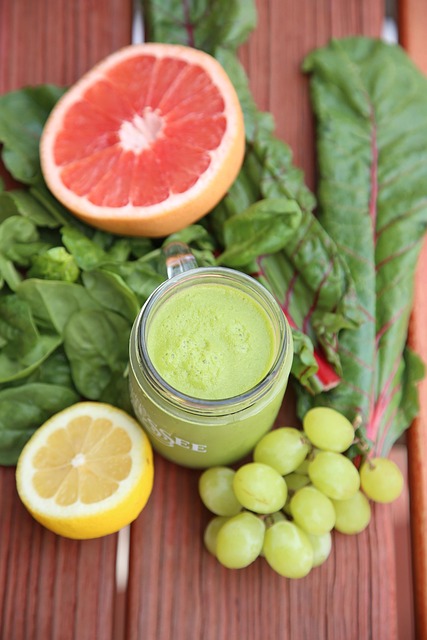
While incorporating nutrient-dense smoothies can be a supportive dietary strategy, it is not universally safe or appropriate. Certain populations face specific risks that necessitate caution and medical consultation before making significant dietary changes. A foundational principle is that any "detox" protocol, however mild, should not replace conventional medical treatment for diagnosed conditions.
Individuals with Kidney Disease or Compromised Renal Function
Smoothies high in potassium (from bananas, spinach, avocados) or oxalates (from spinach, beet greens) can pose a serious risk. Impaired kidneys may not effectively excrete excess potassium, leading to hyperkalemia—a potentially life-threatening condition. High oxalate intake can contribute to kidney stone formation in susceptible individuals. A nephrologist or renal dietitian should guide any dietary modifications.
Individuals with Diabetes or Significant Insulin Resistance
Even smoothies made from whole fruits and vegetables can deliver a concentrated dose of carbohydrates and natural sugars, leading to rapid spikes in blood glucose. Careful attention to:
- Portion size and total carbohydrate count.
- Glycemic load: Balancing with protein, healthy fats, and fiber (e.g., chia seeds, nut butter) to blunt the glucose response.
- Timing: Consuming as part of a meal, not in isolation.
Continuous glucose monitoring can provide personalized insights, and consultation with an endocrinologist or certified diabetes educator is advised.
Individuals with Gastrointestinal Disorders
For those with conditions like Irritable Bowel Syndrome (IBS), Inflammatory Bowel Disease (IBD), or Small Intestinal Bacterial Overgrowth (SIBO), high-fiber smoothies can exacerbate symptoms. Specific concerns include:
- FODMAPs: Common smoothie ingredients like mango, apple, and certain greens are high in fermentable carbohydrates that can trigger bloating, gas, and pain in IBS sufferers.
- Fiber overload: A sudden increase in insoluble fiber can irritate a sensitive or inflamed gut.
A gradual introduction and guidance from a gastroenterologist or registered dietitian specializing in GI health is essential.
Clinical Perspective: From a medical standpoint, the concept of "detox" is often misunderstood. The liver and kidneys are the body's primary detoxification organs. The goal of dietary support should be to reduce their functional burden—by limiting processed foods, alcohol, and excess sugar—not to "force" or "accelerate" detoxification, which lacks robust scientific backing. For patients with chronic conditions, the priority is always nutritional adequacy and metabolic stability, not dietary experimentation.
Other Key Contraindications and Precautions
- Pregnancy and Lactation: Nutritional needs are specific and critical. Certain herbs, supplements (like high-dose vitamin A), or unpasteurized juices sometimes added to smoothies can be contraindicated.
- History of Eating Disorders: Focusing on "cleansing" or restrictive food rules can trigger relapse. Any dietary change should be managed within a therapeutic treatment plan.
- Polypharmacy: Individuals on multiple medications, especially blood thinners (e.g., warfarin), must be cautious with sudden increases in vitamin K-rich greens (like kale, spinach) which can interfere with drug efficacy.
The evidence supporting "detox smoothies" is largely anecdotal or based on the general benefits of increased fruit/vegetable intake. The risks outlined here are grounded in well-established pathophysiology. A prudent approach is to discuss any planned dietary shift with a primary care physician or relevant specialist to ensure it aligns with your individual health status and goals.
4. Practical Smoothie Formulas and Ingredient Guidelines

Formulating a smoothie to support the body's intrinsic detoxification pathways involves selecting ingredients that provide specific nutrients for liver function, antioxidant protection, and digestive health. The goal is to create a balanced, nutrient-dense beverage, not a restrictive cleanse. Below are evidence-based formulas and guidelines for constructing your own.
Sample Formulas for Functional Support
These recipes are templates designed to deliver key nutrients. Adjust liquid base and ingredient quantities to your tolerance and taste.
- Liver Support Blend: Combine 1 cup unsweetened almond milk, 1 scoop plain pea or rice protein, ½ cup frozen blueberries, a large handful of spinach, 1 tablespoon ground flaxseed, and a 1-inch piece of fresh ginger. Blueberries and spinach provide flavonoids and folate, while ginger may support bile flow. The evidence for specific "liver-cleansing" foods is often preliminary, but their nutrient profiles are beneficial.
- Antioxidant & Fiber Focus: Blend 1 cup coconut water, ½ cup frozen mixed berries, ½ cup chopped kale, ¼ avocado, and 1 tablespoon chia seeds. The variety of berry polyphenols and the soluble fiber from chia and avocado support gut microbiota and may aid the excretion of waste products.
Ingredient Selection Guidelines
Think of your smoothie in functional layers:
- Liquid Base (8-12 oz): Opt for water, unsweetened almond milk, coconut water, or green tea. Avoid sugary juices or sweetened milks to keep added fructose low.
- Fiber Source (1-2 tbsp): Incorporate ground flax, chia seeds, hemp seeds, or psyllium husk. Adequate fiber is crucial for binding toxins in the gut for elimination. Increase intake gradually to avoid bloating.
- Leafy Greens (1-2 handfuls): Spinach, kale, or Swiss chard provide chlorophyll, magnesium, and folate. Lightly steaming kale can improve digestibility for some.
- Colorful Produce (½-1 cup): Berries, beets, and citrus offer vitamin C and polyphenols. These compounds act as antioxidants, helping to neutralize free radicals generated during metabolic detoxification processes.
- Healthy Fat (¼ avocado or 1 tbsp nut butter): Supports the absorption of fat-soluble vitamins and provides sustained energy.
Clinical Perspective: From a nutritional standpoint, these smoothies are best viewed as a method to increase intake of whole-food fibers, antioxidants, and phytonutrients that the body's detoxification systems (e.g., liver cytochrome P450 enzymes, glutathione pathways) require to function optimally. They are not a "detox" in the sense of removing stored toxins. Individuals with kidney disease, oxalate-sensitive kidney stones, or on blood thinners (e.g., warfarin) should consult a doctor or dietitian, as high amounts of leafy greens and certain fruits can affect electrolyte balance, oxalate excretion, or medication efficacy.
Consistency is more impactful than intensity. Integrating one such smoothie daily, as part of a balanced diet rich in whole foods and adequate water, is a sustainable approach to supporting systemic health.
5. Safety Monitoring and When to Consult Healthcare Providers

Incorporating nutrient-dense smoothies into your routine is generally safe for most healthy adults. However, viewing them as part of a "detox" protocol requires a mindful, evidence-based approach. The body's primary detoxification organs—the liver and kidneys—function optimally with consistent nutritional support, not extreme dietary shifts. Monitoring your response is key to ensuring this support remains beneficial and does not inadvertently cause harm.
Key Signs to Monitor
Pay attention to how your body reacts in the days and weeks after introducing new smoothie formulas. While some initial changes in digestion are common, certain signs warrant caution and potentially pausing the regimen:
- Gastrointestinal Distress: Persistent bloating, cramping, or significant changes in bowel habits may indicate an intolerance to a specific high-FODMAP ingredient (e.g., certain fruits, cruciferous vegetables) or excessive fiber intake. Allergic or Sensitivity Reactions: Itching, hives, or oral swelling could signal an allergy to an ingredient like nuts, seeds, or certain fruits.
- Energy Fluctuations or Discomfort: While some report increased energy, feelings of fatigue, dizziness, headaches, or blood sugar instability (shakiness, intense hunger) may occur, especially if the smoothie is very low in protein or healthy fats.
- Changes in Medication Efficacy: Be particularly vigilant if you take prescription medications. High doses of vitamin K from leafy greens can interact with blood thinners like warfarin, and certain ingredients may affect the metabolism of other drugs.
Clinical Perspective: From a medical standpoint, the concept of "detoxing" through diet is often overstated. The robust evidence supports the benefits of the individual nutrients—antioxidants, fiber, vitamins—found in these ingredients for overall organ health, not for a discrete "cleansing" event. The primary risk is not from the smoothies themselves, but from using them to replace balanced meals or ignoring underlying health conditions that require professional management.
Who Should Consult a Provider First?
Certain individuals should seek guidance from a physician or a registered dietitian before making significant dietary changes, including the regular use of "detox" smoothies:
- Individuals with chronic kidney disease, due to the potential for high potassium or oxalate content in many green smoothie ingredients.
- Those with known food allergies, histamine intolerance, or digestive disorders like IBS or IBD.
- People taking daily prescription medications, especially for diabetes, hypertension, or blood clotting.
- Pregnant or breastfeeding women, who have specific nutritional needs and should avoid certain herbal additives.
- Individuals with a history of eating disorders, as focusing on "cleansing" can trigger unhealthy patterns.
Ultimately, these smoothies are best framed as a component of a sustainable, whole-foods diet. If your goal is to support your body's natural detoxification pathways, the most proven strategy is to provide consistent nutritional building blocks while avoiding known toxins like excessive alcohol and processed foods. Any persistent or severe symptoms should prompt a discussion with your healthcare provider to rule out other causes.
6. Questions & Expert Insights
What does "detox" actually mean in a nutritional context, and can a smoothie really do it?
In clinical and nutritional science, "detoxification" refers to the body's innate, continuous biochemical processes—primarily in the liver, but also the kidneys, lungs, and skin—that neutralize and eliminate metabolic waste and environmental toxins. A smoothie does not perform these complex enzymatic processes. Instead, the goal of a "supportive" smoothie is to provide a concentrated source of nutrients that act as cofactors for these pathways. For example, cruciferous vegetables contain compounds like sulforaphane that may upregulate phase II liver detoxification enzymes, while adequate fiber supports regular bowel elimination. The evidence for specific food-derived compounds influencing detox pathways is promising but often based on cell or animal studies; robust, long-term human trials are limited. Think of these smoothies not as a cleanse, but as a nutrient-dense dietary strategy to support the body's existing, highly efficient systems.
Who should be cautious or avoid "detox" smoothies entirely?
Several groups should exercise significant caution or avoid these protocols without direct medical supervision. Individuals with chronic kidney disease must be wary of smoothies high in potassium (e.g., from spinach, bananas) as impaired renal function can lead to dangerous hyperkalemia. Those with diabetes need to carefully account for the carbohydrate and sugar content, even from natural sources, to avoid blood glucose spikes. People on blood-thinning medications like warfarin must maintain consistent vitamin K intake; suddenly adding large amounts of leafy greens can interfere with medication efficacy. Furthermore, individuals with a history of eating disorders or those prone to restrictive dieting should avoid any protocol labeled as a "cleanse," as it may trigger unhealthy patterns. Always consider a smoothie as part of a meal, not a replacement for all solid food.
When should I talk to my doctor about trying a detox-supportive nutrition plan, and what should I discuss?
Consult a physician or a registered dietitian before starting if you have any chronic health condition (e.g., diabetes, autoimmune disease, gastrointestinal disorders), are pregnant or breastfeeding, or take any regular medications. This is crucial to prevent nutrient interactions or exacerbation of your condition. Come to the appointment prepared. Bring a list of your medications and supplements, and have a sample recipe of the smoothie you're considering. Key discussion points should include: the specific ingredients and their quantities, how this plan fits into your overall daily calorie and nutrient needs, and any potential interactions with your health status. Ask, "Given my [specific condition/medication], are there any ingredients I should limit or avoid?" This proactive, evidence-based approach ensures safety and personalization.
What are the realistic expectations and limitations of using smoothies for detox support?
Realistically, incorporating nutrient-dense smoothies can improve markers of metabolic health, such as supporting healthy inflammation levels and improving antioxidant status, which may indirectly ease the liver's detoxification burden. However, expectations must be tempered. A smoothie will not "flush out toxins" or compensate for a consistently poor diet, high alcohol intake, or smoking. The evidence is largely supportive and additive, not miraculous. Limitations include the short-term nature of most studies and the fact that benefits are often seen as part of a broader pattern of healthy eating. Furthermore, over-reliance on liquid calories can sometimes lead to reduced intake of other important nutrients or fiber from whole foods. The most sustainable approach is to use these smoothies as a component—not the entirety—of a balanced, whole-foods diet.
7. In-site article recommendations
8. External article recommendations
9. External resources
The links below point to reputable medical and evidence-based resources that can be used for further reading. Always interpret them in the context of your own situation and your clinician’s advice.
-
wikipedia wikipedia.orgsmoothie detox – Wikipedia (search)
-
examine examine.comsmoothie detox – Examine.com (search)
-
mayoclinic mayoclinic.orgsmoothie detox – Mayo Clinic (search)
These external resources are maintained by third-party organisations. Their content does not represent the editorial position of this site and is provided solely to support readers in accessing additional professional information.