
1. Introduction to Ginger and Exercise Context
Ginger (Zingiber officinale) is a rhizome with a long history of use in culinary and traditional medicine systems, valued for its purported anti-inflammatory, antioxidant, and analgesic properties. In the context of modern exercise science, researchers have investigated whether these bioactive compounds—primarily gingerols and shogaols—can modulate physiological responses to physical exertion, potentially influencing performance, recovery, and perceived exertion.
The intersection of ginger supplementation and exercise is not about discovering a singular performance-enhancing "superfood." Rather, it represents a nuanced inquiry into how a well-tolerated dietary agent might support the body's natural adaptive processes. The primary mechanisms of interest include:
- Modulation of Inflammation: Strenuous exercise induces a controlled inflammatory response. Ginger's compounds may help temper excessive post-exercise inflammation without completely suppressing this necessary adaptive signal.
- Attenuation of Muscle Soreness: Known as Delayed Onset Muscle Soreness (DOMS), this common post-exercise discomfort is linked to microtrauma and inflammation. Ginger's potential analgesic effects are a key focus of research.
- Influence on Oxidative Stress: Exercise increases the production of reactive oxygen species (ROS). Ginger's antioxidant capacity may contribute to managing oxidative load.
It is crucial to distinguish the strength of the existing evidence. While several randomized controlled trials (RCTs) suggest ginger can reduce subjective ratings of muscle soreness 24-48 hours after exercise, the data is not uniform. Effects on objective performance metrics—such as time-to-exhaustion, power output, or strength—are less consistent and often show minimal to no significant impact. The evidence is considered promising but preliminary, with variations in study design, ginger dosage, formulation (fresh, dried, extract), and participant fitness levels contributing to mixed outcomes.
Clinical Perspective: From a sports medicine viewpoint, ginger is generally regarded as a low-risk dietary adjunct rather than a direct ergogenic aid comparable to caffeine or creatine. Its potential value lies in supporting recovery and managing discomfort, which may indirectly support consistent training adherence. The critical question for practitioners and athletes is not just if it works, but when and how to time its intake to align with the body's physiological timeline post-exercise.
Individuals should exercise caution and consider consulting a physician before beginning any new supplementation regimen, particularly those with:
- Bleeding disorders or those taking anticoagulant/antiplatelet medications (e.g., warfarin, aspirin), as ginger may theoretically increase bleeding risk.
- Gallbladder disease, as ginger may stimulate bile secretion.
- Gastroesophageal reflux disease (GERD) or sensitive digestion, as ginger can cause gastrointestinal irritation in some individuals.
- Pregnancy, especially in higher doses, unless specifically advised by an obstetrician.
This chapter establishes the foundational context for examining the specific variable of timing, which subsequent sections will explore in detail against this backdrop of mechanistic plausibility and variable clinical evidence.
2. Evidence and Mechanisms of Ginger Before Exercise
The interest in ginger (Zingiber officinale) as an ergogenic and analgesic aid is rooted in its well-documented anti-inflammatory and antioxidant properties. The primary bioactive compounds, gingerols and shogaols, are thought to mediate these effects. Research into its pre-exercise application focuses on two primary outcomes: reducing exercise-induced muscle pain and mitigating oxidative stress.
Evidence from randomized controlled trials (RCTs) presents a nuanced picture. Several studies have demonstrated a statistically significant reduction in delayed-onset muscle soreness (DOMS) when participants consumed ginger (typically 2 grams of raw or heat-treated ginger) 24 to 48 hours before and immediately after eccentric exercise. The proposed mechanism involves the inhibition of cyclooxygenase and lipoxygenase enzymes, thereby reducing the synthesis of pro-inflammatory prostaglandins and leukotrienes.
Expert Insight: Clinically, the effect size for pain reduction is often modest—comparable to a low-dose over-the-counter anti-inflammatory but with a different safety profile. It's viewed as a potential adjunct for managing post-exercise discomfort rather than a performance-enhancing agent. The data is more consistent for DOMS relief than for direct improvements in strength, power, or endurance output.
Regarding oxidative stress, the evidence is more preliminary. In vitro and some animal studies suggest ginger compounds can upregulate endogenous antioxidant enzymes like superoxide dismutase. However, human trials measuring biomarkers like creatine kinase and lipid peroxidation post-exercise have yielded mixed results, with some showing benefit and others showing no significant difference from placebo.
Key considerations from the research include:
- Dosage & Form: Effective doses in studies range from 1 to 2 grams of ginger root. Bioavailability may differ between raw, cooked, or supplemented forms.
- Timing: For analgesic effects, consistent intake in the 24-48 hours leading up to strenuous activity appears important, suggesting a need to build systemic levels of active compounds.
- Limitations: Many studies have small sample sizes, short durations, and use specific exercise protocols (e.g., downhill running), limiting broad generalizability.
Who should exercise caution? Individuals on anticoagulant therapy (e.g., warfarin) should consult a physician due to ginger's potential antiplatelet effects. Those with gallstone disease, gastroesophageal reflux disease (GERD), or a history of food allergies should also seek medical advice before regular high-dose intake. Pregnant or breastfeeding individuals should discuss use with their healthcare provider.
3. Risks and Populations to Avoid
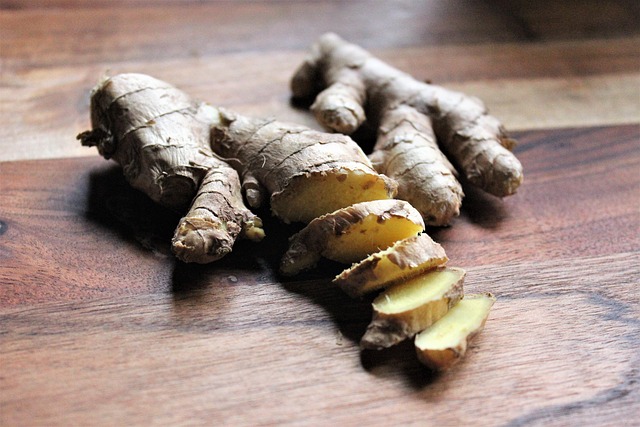
While ginger is generally recognized as safe for most people when consumed in culinary amounts, its use as a concentrated pre-exercise supplement requires a more cautious, individualized approach. The evidence for its ergogenic benefits, while promising, is primarily derived from short-term studies in healthy, specific populations. This necessitates careful consideration of potential adverse effects and contraindications.
Common Side Effects and Gastrointestinal Concerns
The most frequently reported side effects are gastrointestinal, which is particularly relevant for exercise. These can include:
- Heartburn and Acid Reflux: Ginger may relax the lower esophageal sphincter, potentially worsening symptoms in individuals prone to GERD (gastroesophageal reflux disease).
- Abdominal Discomfort and Gas: High doses, especially on an empty stomach before activity, can cause bloating or cramping.
- Mouth or Throat Irritation: This is more common with raw ginger or high-potency powders.
For athletes, these effects could negatively impact performance or comfort during a training session. Starting with a very low dose and consuming ginger with a small amount of food may help mitigate these issues.
Clinical Insight: In practice, we see a high degree of individual variability in tolerance to ginger supplements. What works for one athlete may cause significant dyspepsia in another. The pre-competition period is not the time to experiment; tolerance should be established during training. Furthermore, ginger's potential blood-thinning effects, while mild, warrant caution in surgical contexts or when combined with anticoagulant medications.
Populations Requiring Caution or Avoidance
Certain individuals should consult a healthcare provider before using ginger supplements, especially in the context of exercise physiology.
- Individuals on Anticoagulant/Antiplatelet Therapy: Ginger may inhibit platelet aggregation and potentiate the effects of drugs like warfarin, aspirin, or clopidogrel, increasing bleeding risk. This is a well-documented interaction.
- Those with Gallbladder Disease: Ginger is a cholagogue, meaning it stimulates bile production. This could precipitate a gallstone attack in susceptible individuals.
- People with Bleeding Disorders or Upcoming Surgery: Due to its potential antiplatelet effects, it is often advised to discontinue high-dose ginger supplementation at least two weeks prior to elective surgical procedures.
- Pregnant and Breastfeeding Individuals: While small culinary amounts are safe, the safety of concentrated pre-exercise doses is not established. Pregnant individuals, in particular, should avoid high-dose supplementation without explicit guidance from their obstetrician.
- Individuals with Cardiovascular Conditions: Those on medications for blood pressure or heart rate should be aware that ginger may have mild hypotensive effects. Monitoring is advised.
The decision to use ginger as an ergogenic aid should be made with an understanding of both its potential benefits and its risks. A conversation with a physician or a registered dietitian specializing in sports medicine is strongly recommended for anyone with pre-existing health conditions or concerns.
4. Practical Takeaways for Ginger Intake Timing
Based on the current body of research, the most evidence-supported timing for ginger intake to potentially influence exercise performance and recovery is 30 to 60 minutes before a workout. This window allows for sufficient absorption and the onset of its primary bioactive effects, which are thought to be related to its anti-inflammatory and antioxidant properties.
For practical application, consider the following structured approach:
- Dosage: Most studies demonstrating benefits for muscle soreness and perceived exertion have used doses between 1 to 2 grams of dried ginger root powder. This is roughly equivalent to one teaspoon.
- Form: Ginger powder in capsule form provides a standardized dose. Fresh ginger can be used, but its potency is more variable; approximately one tablespoon of finely grated fresh ginger may provide a comparable amount of gingerols.
- Consumption: Take the ginger with a small amount of food or water to minimize any potential gastrointestinal discomfort.
Clinical Perspective: It's crucial to understand that the evidence for ginger's ergogenic benefits is preliminary and mixed. While several randomized controlled trials show a modest reduction in delayed-onset muscle soreness (DOMS) and lower ratings of perceived exertion, the effects on actual performance metrics like strength, power, or endurance are less clear and not consistently replicated. The mechanism is likely related to mitigating inflammatory pathways post-exercise rather than providing a direct stimulant effect.
The potential benefits appear most relevant for activities that induce significant muscle damage or inflammation, such as:
- Eccentric-heavy training (e.g., downhill running, heavy lowering phases)
- High-volume resistance training sessions
- Unaccustomed or novel exercise
Important Cautions and Contraindications:
While generally recognized as safe, ginger is not appropriate for everyone. Individuals should exercise caution or consult a physician before regular supplementation if they have:
- A history of gastroesophageal reflux disease (GERD) or peptic ulcers, as ginger may cause irritation.
- Bleeding disorders or are taking anticoagulant/antiplatelet medications (e.g., warfarin, aspirin), due to ginger's potential mild antiplatelet activity.
- Gallbladder disease, as ginger may increase bile secretion.
- Pregnancy, particularly in the later stages, unless specifically advised by an obstetrician.
In summary, for those interested in experimenting with ginger, consuming 1-2 grams of powdered ginger 30-60 minutes before strenuous exercise may offer a small, supportive benefit for managing post-exercise soreness. It should be viewed as a potential adjunct to, not a replacement for, foundational recovery strategies like proper nutrition, hydration, and sleep.
5. Safety Considerations and When to Consult a Doctor
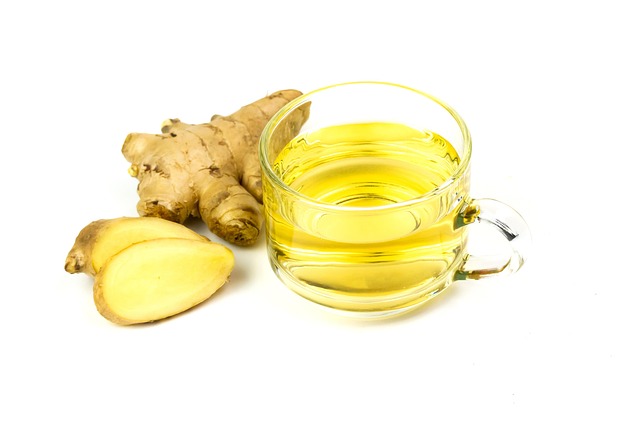
While ginger is generally recognized as safe for most people when consumed in culinary amounts, its use as a concentrated pre-exercise supplement requires a more cautious, individualized approach. The evidence supporting its ergogenic and anti-inflammatory benefits, while promising, is primarily derived from short-term studies in specific, often healthy, populations. The long-term safety of daily, high-dose ginger intake in the context of athletic performance is not yet fully established.
Key Populations for Caution
Certain individuals should exercise particular prudence or avoid using ginger supplements before exercise without direct medical consultation:
- Individuals on Anticoagulant/Antiplatelet Therapy: Ginger possesses mild antiplatelet properties. Concurrent use with medications like warfarin, clopidogrel, or aspirin may theoretically increase bleeding risk, especially relevant for contact sports or activities with high injury potential.
- Those with Gastroesophageal Reflux Disease (GERD) or Peptic Ulcers: Ginger can stimulate gastric acid secretion. Ingesting a concentrated dose before intense exercise may exacerbate heartburn, indigestion, or ulcer pain in susceptible individuals.
- People with Gallbladder Disease: Ginger is a cholagogue, meaning it stimulates bile flow. This can precipitate pain or complications in individuals with gallstones.
- Individuals Scheduled for Surgery: Due to its potential effects on bleeding, it is standard advice to discontinue ginger supplements at least two weeks prior to any elective surgical procedure.
- Pregnant and Breastfeeding Individuals: While small culinary amounts are safe, the safety of high-dose supplementation for exercise purposes during pregnancy and lactation has not been adequately studied. Consultation with an obstetrician is essential.
Clinical Perspective: In practice, the primary risk from ginger supplementation is not toxicity but interaction—with medications, underlying conditions, or the physiological stress of exercise itself. A clinician's role is to contextualize the preliminary performance data against an individual's full health profile. For someone on multiple medications or with a complex history, the potential for an adverse interaction often outweighs the uncertain ergogenic benefit.
When to Consult a Healthcare Professional
It is advisable to seek guidance from a physician, sports medicine doctor, or registered dietitian before beginning a regimen of pre-exercise ginger supplementation if any of the following apply:
- You have a diagnosed chronic health condition (e.g., cardiovascular disease, diabetes, kidney or liver disorders).
- You are currently taking any prescription or over-the-counter medications regularly.
- You have a known allergy to ginger or other plants in the Zingiberaceae family (e.g., turmeric, cardamom).
- You experience any adverse effects after consumption, such as pronounced gastrointestinal distress, rash, palpitations, or unusual bruising.
Ultimately, integrating any supplement into a training protocol should be a deliberate decision. The responsible approach is to prioritize evidence, acknowledge its limitations, and ensure personal safety through professional consultation when needed.
6. Questions & Expert Insights
Can ginger really improve my exercise performance?
Current evidence suggests ginger may offer modest benefits for certain aspects of exercise, but it is not a performance-enhancing "magic bullet." The most consistent findings relate to its anti-inflammatory and analgesic properties. Several randomized controlled trials indicate that supplementing with ginger (typically 1-2 grams of powdered ginger root) for at least 30 minutes before exercise can lead to a small but statistically significant reduction in muscle pain and perceived soreness in the 24-48 hours following activity. Some studies also point to potential benefits for reducing oxidative stress markers post-exercise. However, evidence for direct improvements in strength, power output, or aerobic capacity is mixed and less robust. The effects appear dose- and timing-dependent, and individual responses can vary. It's best viewed as a potential supportive agent for recovery, not a primary driver of performance gains.
What are the risks or side effects of taking ginger before a workout?
For most healthy adults, 1-2 grams of ginger is well-tolerated, but side effects are possible. The most common are gastrointestinal, including heartburn, stomach upset, gas, or a burning sensation in the mouth or throat. These may be exacerbated when taken on an empty stomach immediately before intense exercise. Ginger has mild antiplatelet (blood-thinning) effects, which is a critical consideration for individuals on anticoagulant medications like warfarin, clopidogrel, or aspirin, as it could theoretically increase bleeding risk. It may also lower blood pressure and blood sugar. Therefore, individuals with bleeding disorders, scheduled for surgery, or with gallstone disease should avoid therapeutic doses. Pregnant women should consult their obstetrician, as while ginger is often used for nausea, its safety around exercise in pregnancy is not established.
Who should definitely avoid taking ginger before exercise?
Specific populations should exercise caution or avoid this practice entirely. This includes: individuals with a known allergy to ginger or related plants (e.g., turmeric, cardamom); those with active gastritis, peptic ulcers, or inflammatory bowel disease (IBD), as ginger can irritate the GI tract; people with diagnosed hypotension (low blood pressure) or those on antihypertensive medications, due to ginger's potential blood-pressure-lowering effect; and individuals with diabetes, especially on insulin or sulfonylureas, due to its hypoglycemic potential. Furthermore, anyone with a history of eating disorders or who is using supplements in a disordered manner should avoid framing any supplement as a required component of exercise, as this can perpetuate unhealthy patterns.
When should I talk to my doctor about this, and what should I bring to the appointment?
You should consult a physician or a registered dietitian/sports nutrition specialist before starting any new supplement regimen, especially if you have a chronic health condition, take regular medications, or are pregnant. Come to the appointment prepared to discuss: 1) Your complete medication and supplement list, including dosages, 2) Your specific fitness goals and typical exercise routine, 3) Any history of gastrointestinal issues, bleeding disorders, or blood pressure problems, and 4) The specific ginger product you're considering (bring the bottle if possible, noting the form—powder, extract, fresh—and the proposed dose and timing). This allows the professional to assess potential interactions, the appropriateness for your health profile, and whether the proposed benefit aligns with your goals, or if there are more evidence-based strategies to consider.
7. In-site article recommendations
8. External article recommendations
9. External resources
The links below point to reputable medical and evidence-based resources that can be used for further reading. Always interpret them in the context of your own situation and your clinician’s advice.
-
examine examine.comginger – Examine.com (search)
-
mayoclinic mayoclinic.orgginger – Mayo Clinic (search)
-
healthline healthline.comginger – Healthline (search)
These external resources are maintained by third-party organisations. Their content does not represent the editorial position of this site and is provided solely to support readers in accessing additional professional information.