
1. Introduction to Blood Sugar Management and Dietary Context

Effective blood sugar management is a cornerstone of metabolic health, with implications for energy, weight, and long-term disease risk. The primary goal is to minimize large, rapid spikes and dips in blood glucose (glycemic variability), which can strain the body's insulin response. While medication is essential for many, dietary choices play a foundational and complementary role.
The modern dietary landscape, often high in refined carbohydrates and added sugars, presents a significant challenge to glycemic control. In contrast, a diet emphasizing whole foods—rich in fiber, healthy fats, and high-quality protein—forms the basis of evidence-based nutritional strategies. This approach is strongly supported by extensive research for improving insulin sensitivity and reducing the risk of type 2 diabetes.
Within this context, functional beverages like smoothies present both an opportunity and a point of caution. A poorly designed smoothie can act as a concentrated source of sugar, leading to a rapid glycemic response. However, when constructed with deliberate attention to macronutrient balance, a smoothie can be a convenient vehicle for nutrients that support stable blood sugar.
- Fiber (especially soluble fiber) slows carbohydrate digestion and absorption.
- Protein and healthy fats promote satiety and further blunt post-meal glucose rises.
- Phytonutrients in plants may support insulin function, though evidence for specific compounds is often preliminary.
Clinical Perspective: From a clinical standpoint, the concept of "food order" or "meal matrix" is critical. Consuming fiber-rich components first can meaningfully attenuate the glucose spike from subsequent carbohydrates. A well-formulated smoothie essentially creates this beneficial matrix in a single blend, integrating these elements from the outset. It is not the smoothie format itself, but its specific nutritional composition, that determines its metabolic impact.
It is crucial to note that individual responses to food can vary based on factors like gut microbiome composition and insulin sensitivity status. Furthermore, individuals with diagnosed diabetes, prediabetes, kidney disease, or those on glucose-lowering medications should consult their physician or a registered dietitian before making significant dietary changes, as adjustments to medication may be necessary.
The following sections explore specific smoothie blends that apply these principles. The emphasis is on combinations with a plausible mechanistic basis in nutrition science, acknowledging that while the overall dietary pattern is strongly supported, research on specific smoothie formulations is often more limited and warrants further long-term study.
2. Scientific Evidence and Mechanisms of Action

The concept of using specific food blends to support glycemic control is grounded in nutritional science. The proposed mechanisms are not "revolutionary" but rather represent a targeted application of well-established principles of macronutrient composition, fiber content, and phytochemistry. The evidence supporting individual ingredients is generally stronger than for the specific smoothie blends themselves, which are rarely studied as complete formulations in clinical trials.
The primary mechanisms by which the highlighted ingredients may influence blood sugar include:
- Slowing Gastric Emptying and Carbohydrate Absorption: Soluble fibers (e.g., from chia seeds, oats, berries, and avocado) form a viscous gel in the gut. This physically slows the breakdown and absorption of carbohydrates, leading to a more gradual rise in postprandial blood glucose.
- Improving Insulin Sensitivity: Certain compounds, such as the monounsaturated fats in nuts and avocado, and the polyphenols in cinnamon and berries, have been shown in cell and animal studies to improve cellular signaling pathways related to insulin action. Human data is promising but often from short-term or small-scale studies.
- Providing Low-Glycemic Carbohydrates: Using whole fruits like berries and pairing carbohydrates with protein, fat, and fiber creates a lower glycemic load meal, which demands a less pronounced insulin response compared to refined carbohydrates.
Individuals with diabetes, especially those on insulin or insulin-secretagogue medications (e.g., sulfonylureas), should exercise caution. Incorporating these blends without adjusting medication could potentially lead to hypoglycemia. Furthermore, those with kidney disease need to be mindful of the potassium content from ingredients like spinach and avocado. Consulting with a physician or a registered dietitian is essential to integrate such dietary changes safely into an overall management plan.
In summary, the science points to reasonable biological mechanisms for the included ingredients. The overall approach aligns with evidence-based dietary patterns for metabolic health, such as the Mediterranean diet, which emphasizes fiber, healthy fats, and plant polyphenols.
3. Risks and Contraindications for Specific Populations
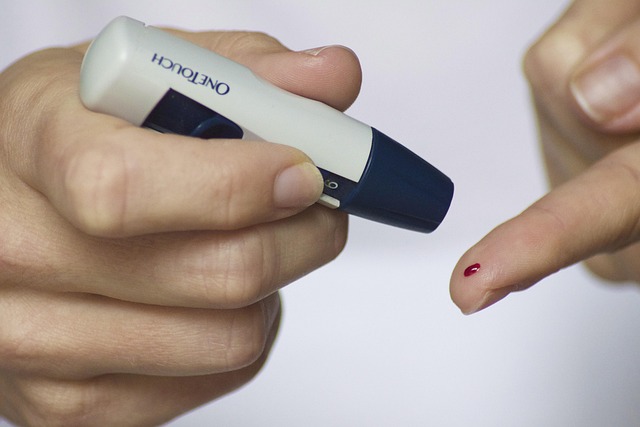
While incorporating nutrient-dense smoothies can be a supportive dietary strategy, it is clinically imperative to recognize that no single food or beverage is universally safe or appropriate. Certain ingredients commonly found in "blood sugar balancing" blends may pose significant risks for specific populations. A personalized approach, guided by a healthcare professional, is essential.
Key Populations Requiring Caution
The following groups should exercise particular caution and consult with a physician or registered dietitian before making significant dietary changes.
- Individuals with Kidney Disease: Smoothies high in potassium (e.g., from spinach, bananas, avocado) or phosphorus (e.g., from nuts, seeds, dairy) can be dangerous for those with compromised renal function. Excess intake can lead to hyperkalemia or hyperphosphatemia, which are serious medical emergencies.
- Those on Blood-Thinning Medications (e.g., Warfarin): Sudden, large increases in vitamin K-rich leafy greens (like kale or spinach) can interfere with medication efficacy, potentially increasing the risk of clotting. Consistency in vitamin K intake is crucial, and any changes must be discussed with a prescribing doctor.
- People with Diabetes on Insulin or Sulfonylureas: While the goal is blood sugar balance, a smoothie's carbohydrate content—even from whole fruits and vegetables—must be accounted for in insulin dosing or medication management. Unmonitored consumption can lead to hypoglycemia or hyperglycemia.
- Individuals with Gastrointestinal Disorders: High-fiber blends, especially those with cruciferous vegetables, seeds, or certain sugar alcohols (like xylitol, if used), can exacerbate symptoms in those with Irritable Bowel Syndrome (IBS), Inflammatory Bowel Disease (IBD), or gastroparesis.
Clinical Insight: From a medical perspective, the term "balance" can be misleading. Smoothies are not a substitute for prescribed diabetes medication. We assess them as part of the total daily carbohydrate and nutrient load. For patients with comorbidities, we must also consider drug-nutrient interactions, fluid restrictions, and electrolyte balance. Always review the full ingredient list with your care team.
General Considerations and Unverified Claims
It is also important to address broader safety concerns. The evidence supporting specific "revolutionary" blends is often preliminary, consisting of small-scale studies or research on individual ingredients, not the complete formulation.
- Allergies and Sensitivities: Common smoothie ingredients like nuts, seeds, dairy, soy, or exotic "superfoods" are potent allergens. Always check labels of any packaged additives like protein powders.
- Dental Health: Frequent consumption of acidic fruit-based smoothies can contribute to dental enamel erosion. Using a straw and rinsing with water afterward can mitigate this risk.
- Caloric Density: Smoothies can be deceptively high in calories, which may impact weight management goals if not accounted for within the daily energy budget.
In summary, the potential benefits of these dietary strategies must be weighed against individual health status and risks. Professional medical guidance is non-negotiable for the populations outlined above to ensure safety and appropriateness.
4. Practical Takeaways for Incorporating Smoothies

Integrating smoothies into a dietary pattern for glycemic management requires a strategic approach. The goal is to use them as a tool for nutritional enhancement, not as a standalone solution. The evidence supporting specific "blends" is often preliminary, typically from small-scale or mechanistic studies. The stronger, more consistent evidence supports the inclusion of specific macronutrients and fiber types that blunt postprandial glucose spikes.
To translate this into practice, focus on constructing your smoothie with a balanced framework:
- Base with Low-Glycemic Liquids: Opt for water, unsweetened almond milk, or oat milk. Avoid fruit juices, which concentrate sugars without the buffering effect of fiber.
- Prioritize Fiber: Include 1-2 tablespoons of soluble fiber like psyllium husk, chia seeds, or flaxseed. This is a key component for slowing carbohydrate absorption.
- Include a Protein Source: Add Greek yogurt, protein powder, or nut butter. Protein promotes satiety and further moderates the glycemic response.
- Be Selective with Fruit: Use a modest portion (e.g., ½ cup) of lower-glycemic fruits like berries. Pairing fruit with the fat and fiber above is crucial.
- Consider Functional Add-ins: Ingredients like cinnamon or apple cider vinegar have some supportive data for glycemic effects, but the evidence is mixed and dose-dependent. View them as potential complements, not substitutes, for the core macronutrient balance.
For optimal effect, consume your smoothie as part of or immediately before a meal containing other whole foods, rather than in isolation. Monitor your individual response, as glycemic reactions can vary based on insulin sensitivity, overall diet, and the specific combination of ingredients.
Clinical Consideration: While nutrient-dense smoothies can be a convenient option, they are not appropriate for everyone. Individuals with diabetes, particularly those on insulin or insulin secretagogues, must account for the carbohydrate content to avoid hypoglycemia. Those with kidney disease should be mindful of potassium from high-banana or spinach-based blends. Anyone with a history of disordered eating should approach meal-replacement smoothies with caution. Always discuss significant dietary changes with your physician or a registered dietitian.
The most reliable takeaway is that a smoothie's impact on blood sugar is determined by its overall composition. A well-constructed blend that emphasizes fiber, protein, and healthy fats, while minimizing added sugars and refined carbohydrates, aligns with established principles of glycemic management.
5. Safety Considerations and When to Consult a Healthcare Provider

While incorporating nutrient-dense smoothies can be a supportive dietary strategy, it is crucial to approach them with clinical awareness. These blends are not a substitute for medical treatment, and their integration into a health plan requires consideration of individual context and potential risks.
Key Safety Considerations
The evidence supporting specific food combinations for glycemic control is promising but often preliminary. Many studies are short-term, involve small participant groups, or are observational in nature. While the individual ingredients—like leafy greens, berries, nuts, and seeds—are widely recognized as healthy, claims about their synergistic "blood sugar balancing" effects as a specific formula require more robust, long-term clinical trials.
Potential risks and interactions to consider include:
- Medication Interactions: Ingredients like cinnamon, fenugreek, or high-fiber components may potentiate the effect of diabetes medications (e.g., insulin, sulfonylureas), increasing the risk of hypoglycemia. Consistent timing and monitoring are essential.
- Caloric and Carbohydrate Density: Even healthy smoothies can be calorie-dense. Overconsumption may lead to unintended weight gain or a significant carbohydrate load that affects blood glucose.
- Digestive Sensitivities: A sudden increase in dietary fiber from ingredients like flaxseed, chia seeds, or certain vegetables can cause gastrointestinal discomfort, bloating, or gas.
- Underlying Medical Conditions: Individuals with kidney disease may need to monitor potassium and phosphorus from ingredients like spinach and nuts. Those on blood thinners must maintain consistent vitamin K intake from leafy greens.
Clinical Perspective: From a medical standpoint, a smoothie is a vehicle for nutrients, not a pharmacologic agent. Its impact is highly individual. We assess its role within the broader context of a patient's overall diet, medication regimen, glycemic patterns, and metabolic goals. The priority is always safety and avoiding disruption to a stable treatment plan.
When to Consult a Healthcare Provider
It is strongly advised to seek guidance from a physician, registered dietitian, or endocrinologist before making significant dietary changes, particularly if you fall into any of the following categories:
- Have been diagnosed with diabetes (type 1, type 2, or gestational) or prediabetes.
- Are currently taking any medications for blood sugar management, blood pressure, or blood thinning.
- Have a history of kidney disease, significant gastrointestinal disorders, or food allergies.
- Are pregnant or breastfeeding.
- Are making these changes for a child or adolescent.
A healthcare professional can help you personalize ingredient choices, adjust portions to fit your nutritional needs, and establish a safe protocol for monitoring your blood glucose response to new foods. This collaborative approach ensures that dietary strategies safely complement your overall health management plan.
6. Questions & Expert Insights
Can a smoothie truly "balance" blood sugar, or is this an overstatement?
The term "balance" should be interpreted cautiously. No single food or drink can perfectly regulate blood glucose on its own. The evidence supporting specific smoothie blends typically focuses on their potential to produce a more favorable post-meal glycemic response compared to other high-carbohydrate options. This is achieved by combining ingredients with fiber (e.g., chia seeds, leafy greens), healthy fats (e.g., avocado, nut butter), and protein (e.g., Greek yogurt, pea protein), which collectively slow the digestion and absorption of sugars. While promising, most supporting studies are short-term, involve small participant groups, or are conducted in controlled lab settings. Think of these smoothies as one component of a broader, consistent dietary pattern, not a standalone solution.
Who should be cautious or avoid trying these blood sugar-focused smoothies?
Several groups should exercise particular caution or seek medical advice first. Individuals with chronic kidney disease need to monitor potassium and phosphorus; smoothies with spinach, avocado, and bananas can be dangerously high in these minerals. Those with gastroparesis (common in advanced diabetes) may struggle with high-fiber blends. People with a history of eating disorders or who are underweight should avoid restrictive meal-replacement practices. Additionally, anyone on blood-thinning medications like warfarin must maintain consistent vitamin K intake; suddenly adding large amounts of leafy greens can interfere with medication efficacy. Always consider your full health profile, not just blood sugar goals.
What are the realistic expectations and potential side effects?
Realistically, incorporating these smoothies may help moderate post-meal glucose spikes and increase satiety, which can support overall dietary management. However, potential side effects exist. A rapid increase in dietary fiber can cause significant bloating, gas, or abdominal discomfort. Over-reliance on smoothies can lead to nutrient gaps if they replace balanced meals consistently, as chewing whole foods has different metabolic and satiety signals. There's also a risk of excessive calorie intake if portions of high-fat ingredients like nuts and seeds are not measured. It's crucial to introduce new ingredients gradually and view smoothies as part of a meal, not a constant "sipping" beverage, to avoid unintended blood sugar fluctuations.
When should I talk to my doctor, and how should I prepare for that conversation?
Consult your doctor or a registered dietitian before making significant dietary changes if you have type 1 or type 2 diabetes, prediabetes, or any chronic metabolic condition. This is especially important if you are on medications like insulin or sulfonylureas, as dietary changes may necessitate dosage adjustments to prevent hypoglycemia. Prepare for the conversation by bringing: 1) A list of the specific ingredients and their approximate quantities you plan to use, 2) Your current blood glucose monitoring logs (if applicable), and 3) A clear description of how you intend to fit the smoothie into your daily routine (e.g., as a breakfast replacement). This allows your care team to provide personalized, safe guidance tailored to your health status and medication regimen.
7. In-site article recommendations
8. External article recommendations
9. External resources
The links below point to reputable medical and evidence-based resources that can be used for further reading. Always interpret them in the context of your own situation and your clinician’s advice.
-
wikipedia wikipedia.orgsmoothie blends – Wikipedia (search)
-
healthline healthline.comsmoothie blends – Healthline (search)
-
drugs drugs.comsmoothie blends – Drugs.com (search)
These external resources are maintained by third-party organisations. Their content does not represent the editorial position of this site and is provided solely to support readers in accessing additional professional information.