
1. Introduction to Insulin Sensitivity and Apple Cider Vinegar Research
Insulin sensitivity refers to how effectively the body's cells respond to the hormone insulin. When sensitivity is high, cells readily take up glucose from the bloodstream, maintaining stable energy levels and healthy blood sugar. Conversely, reduced insulin sensitivity, often termed insulin resistance, is a core metabolic dysfunction. It forces the pancreas to produce more insulin to achieve the same effect, a state that can precede and contribute to the development of type 2 diabetes, metabolic syndrome, and other chronic conditions.
In the search for supportive dietary strategies, apple cider vinegar (ACV) has garnered significant scientific and public interest. ACV is produced by fermenting apple sugars, yielding acetic acid as its primary bioactive component. The proposed mechanisms by which ACV may influence metabolism are grounded in physiology, though the human evidence remains an evolving area of research.
- Enzyme Modulation: Acetic acid may inhibit enzymes like disaccharidases in the small intestine, slowing the digestion of carbohydrates and potentially blunting post-meal blood sugar spikes.
- Glycogen Storage: Some animal and human studies suggest acetic acid could enhance the liver's and muscles' uptake of glucose for storage as glycogen.
- Appetite and Gastric Emptying: Evidence indicates vinegar can increase feelings of satiety and slow the rate at which food leaves the stomach, which may indirectly improve glycemic control.
The claim of a measurable impact on insulin sensitivity within a specific timeframe, such as 14 days, originates from a small number of controlled human trials. These studies, while promising, provide preliminary evidence. They are typically conducted in limited populations (e.g., individuals with insulin resistance or type 2 diabetes) and over short durations. The effects observed are often modest and should be viewed as complementary to, not a replacement for, foundational lifestyle medicine.
Who should be cautious? Individuals with gastroparesis (common in advanced diabetes), gastroesophageal reflux disease (GERD), peptic ulcers, or low potassium levels should be wary. ACV's acidity can erode tooth enamel and interact with certain medications, including diuretics and insulin. Anyone considering regular ACV consumption, particularly for a metabolic health purpose, should discuss it with their physician to ensure it aligns safely with their overall health profile and treatment plan.
2. Mechanisms and Evidence from Clinical Studies

The proposed mechanisms by which apple cider vinegar (ACV) may influence insulin sensitivity are primarily attributed to its acetic acid content. The evidence, while promising, is preliminary and derived from small-scale, short-term human trials.
Proposed Biological Mechanisms
Acetic acid is thought to act through several pathways:
- Delayed Gastric Emptying: Acetic acid may slow the rate at which food leaves the stomach, leading to a more gradual release of glucose into the bloodstream and a reduced demand for insulin.
- Enhanced Muscle Glucose Uptake: Animal and in vitro studies suggest acetic acid may increase the activity of enzymes like AMPK, which plays a key role in cellular energy sensing and can improve glucose uptake by skeletal muscles.
- Inhibition of Digestive Enzymes: Acetic acid may partially inhibit enzymes like alpha-amylase and sucrase in the digestive tract, reducing the breakdown and absorption of complex carbohydrates.
Summary of Key Clinical Evidence
Human studies are limited but form the basis for the "14-day" claim. A notable 2004 randomized controlled trial published in Diabetes Care involved participants with insulin resistance or type 2 diabetes. Those consuming a vinegar drink (20g ACV) before a high-carbohydrate meal showed significantly improved postprandial insulin sensitivity (by 34%) and lower blood glucose and insulin responses compared to placebo. This effect was observed after a single dose and over a short-term period.
Other small trials in healthy and insulin-resistant subjects have reported similar findings of reduced post-meal glucose and insulin spikes with vinegar ingestion. However, the evidence has important limitations:
- Studies are small in participant number and short in duration (often single-meal tests or a few weeks).
- Long-term effects on HbA1c or the progression of insulin resistance are not established.
- Optimal dosing, timing, and formulation (e.g., diluted liquid vs. pills) are not standardized.
Clinical Perspective: The data suggest ACV may function as a mild postprandial glucose modulator, not a cure for underlying metabolic dysfunction. Its effect size is modest and should be contextualized within comprehensive lifestyle management, including diet and exercise. It is not a substitute for prescribed diabetes medication.
Who Should Exercise Caution: Individuals with gastroparesis (common in diabetes), gastroesophageal reflux disease (GERD), peptic ulcers, or low potassium levels should avoid ACV due to its acidity. Those on insulin or insulin-stimulating medications (e.g., sulfonylureas) must consult a physician, as combining them with ACV could increase the risk of hypoglycemia. Dental enamel erosion is also a risk with undiluted, frequent use.
3. Risks, Contraindications, and Populations to Avoid

While preliminary research on apple cider vinegar (ACV) and insulin sensitivity is promising, its use is not without potential adverse effects. A balanced, evidence-based approach requires a clear understanding of its risks and who should avoid it entirely.
Common Adverse Effects and Gastrointestinal Risks
The most frequently reported issues are gastrointestinal. The high acidity of ACV can cause:
- Tooth enamel erosion: Direct contact can permanently damage enamel. Always dilute ACV in water and consider drinking through a straw, followed by rinsing the mouth with plain water.
- Throat irritation and heartburn: The acid can irritate the esophageal lining, potentially worsening symptoms of gastroesophageal reflux disease (GERD).
- Nausea and delayed gastric emptying: Some studies note ACV can slow the rate at which food leaves the stomach (gastroparesis), which may cause discomfort and is a significant concern for individuals with diabetic gastroparesis.
Key Contraindications and Populations to Avoid
Certain individuals should avoid ACV supplementation or consult a healthcare provider before use due to heightened risks.
- Individuals with kidney disease: The "mother" in unfiltered ACV contains potassium. Impaired kidney function can lead to dangerous potassium buildup (hyperkalemia). Those on specific medications: ACV may interact with:
- Insulin and diabetes medications (e.g., sulfonylureas): Given its potential blood sugar-lowering effect, concurrent use could increase the risk of hypoglycemia. Blood glucose must be monitored closely.
- Diuretics (water pills) and certain heart medications: The potassium content can interfere with electrolyte balance, particularly with potassium-sparing diuretics.
- Digoxin: Altered potassium levels can affect this heart medication's action and toxicity.
- People with gastroparesis, peptic ulcers, or severe GERD: The acidity can exacerbate these conditions.
- Individuals with a history of eating disorders: The use of ACV for weight or metabolic control can trigger unhealthy patterns.
- Pregnant or breastfeeding individuals: Due to a lack of safety data in these populations, avoidance is the most prudent course.
In summary, the decision to use ACV should be individualized. The evidence for benefit, while intriguing, is preliminary and derived from short-term studies. For anyone with a pre-existing medical condition or taking prescription medications, a consultation with a physician or registered dietitian is an essential first step to assess personal risk.
4. Practical, Evidence-Based Recommendations for Use
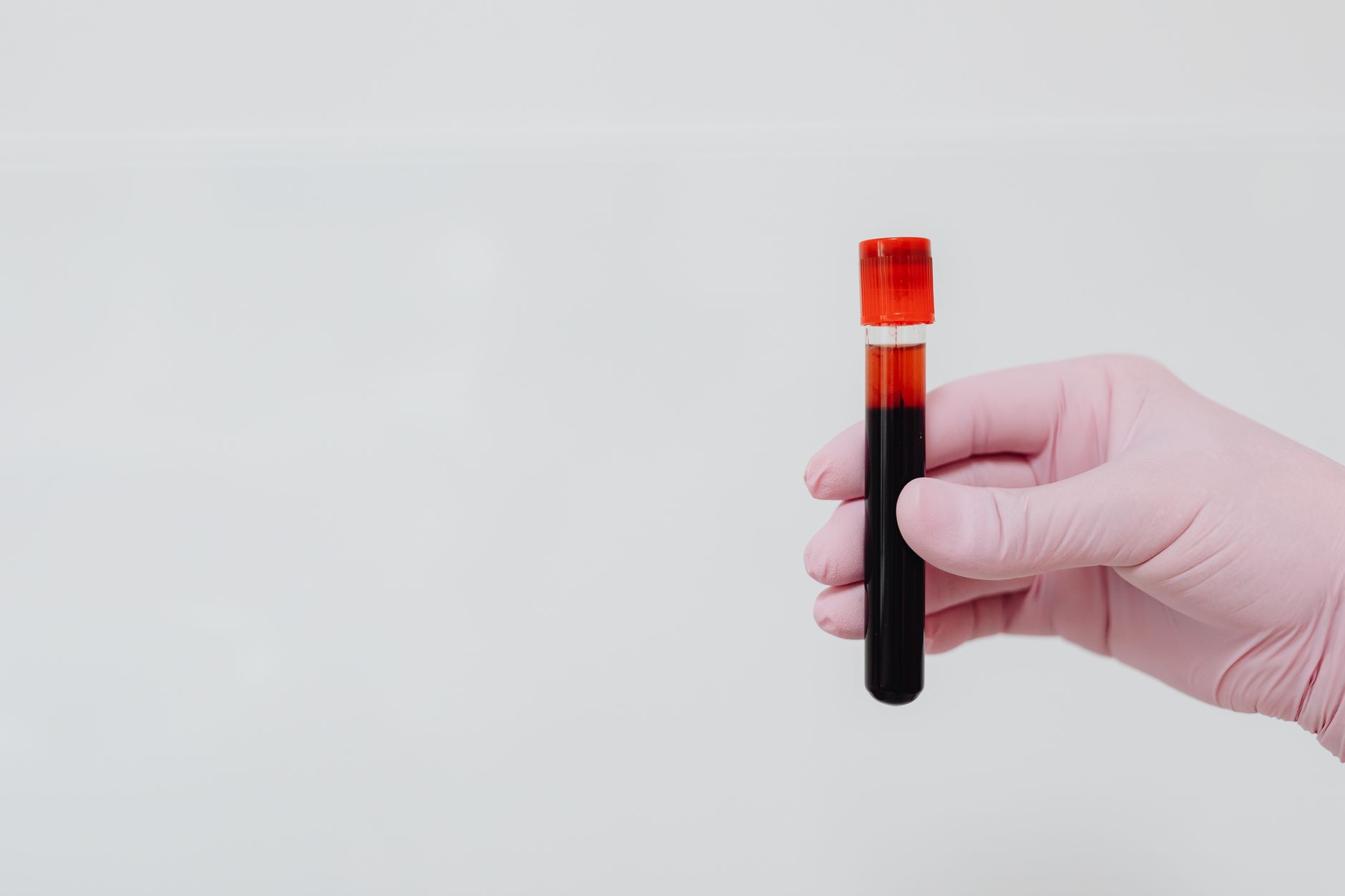
Based on the available clinical research, including the study referenced in this article's title, the following recommendations aim to translate evidence into safe, practical application. The primary evidence for improved insulin sensitivity comes from small, short-term trials, often in individuals with insulin resistance or type 2 diabetes. This suggests a potential supportive role, not a standalone treatment.
Dosage and Administration
The most common protocol in research involves consuming 1–2 tablespoons (15–30 mL) of apple cider vinegar daily, typically diluted in a large glass of water. To potentially mitigate post-meal blood glucose spikes, consumption is often timed 20–30 minutes before a meal, particularly one high in carbohydrates.
- Always Dilute: Never consume it undiluted, as its high acidity can erode tooth enamel and irritate the esophagus and stomach lining.
- Use a Straw: Drinking through a straw can help minimize direct contact with teeth.
- Rinse Afterward: Rinsing your mouth with water after consumption provides further protection for dental health.
Clinical Perspective: From a medical standpoint, the observed effects on insulin and glucose are modest and should be contextualized. They do not replace foundational therapies like dietary modification, physical activity, or prescribed medication. Think of this as a potential adjunct, not a substitute, for evidence-based metabolic management.
Important Cautions and Contraindications
Apple cider vinegar is not appropriate for everyone. Certain individuals should exercise extreme caution or avoid it entirely:
- Gastrointestinal Conditions: Those with gastroparesis (common in diabetes), gastritis, peptic ulcers, or GERD may experience worsened symptoms.
- Dental Health: Individuals with sensitive teeth or existing enamel erosion should be particularly vigilant with dilution and rinsing.
- Medication Interactions: It may potentiate the effects of insulin and diabetes medications (like sulfonylureas), increasing the risk of hypoglycemia. It can also interact with diuretics and certain heart medications. Consultation with a physician or pharmacist is essential.
- Other Conditions: People with kidney disease or low potassium levels should avoid it, as it may affect electrolyte balance.
The 14-day timeframe noted in some studies indicates a relatively quick onset of measurable effects in research settings. However, for sustainable metabolic health, any dietary intervention should be considered part of a long-term, holistic lifestyle approach. Discontinue use and consult a healthcare provider if you experience adverse effects like throat irritation, nausea, or hypoglycemia symptoms.
5. Safety Protocols and Indications for Medical Consultation

While preliminary research on apple cider vinegar (ACV) and insulin sensitivity is promising, its application requires a cautious, safety-first approach. The evidence, while intriguing, is primarily from short-term, small-scale studies. Implementing any new dietary regimen, especially one involving an acidic substance like vinegar, necessitates specific safety protocols and an understanding of when professional medical consultation is essential.
Essential Safety Protocols for ACV Consumption
To minimize potential adverse effects, adhere to the following guidelines:
- Always Dilute: Never consume undiluted ACV. Mix 1-2 tablespoons (15-30 mL) in a large glass (at least 8 oz / 240 mL) of water.
- Timing Matters: Consume it before or with a meal, as this is the protocol used in most studies and may help blunt postprandial glucose spikes.
- Protect Your Teeth: The acetic acid can erode dental enamel. Drink the diluted mixture through a straw and rinse your mouth with plain water afterward. Do not brush your teeth immediately after consumption.
- Start Low and Go Slow: Begin with 1 teaspoon (5 mL) diluted to assess tolerance, gradually increasing to 1-2 tablespoons if well-tolerated.
- Monitor for Side Effects: Common issues include gastrointestinal upset (nausea, heartburn) and throat irritation. Discontinue use if these occur.
Clinical Insight: From a gastroenterology perspective, the recommendation to dilute ACV and consume it with food is critical. Undiluted vinegar can cause chemical irritation to the esophageal mucosa, potentially exacerbating or mimicking symptoms of gastroesophageal reflux disease (GERD). Patients with a history of peptic ulcers or significant gastritis should be particularly cautious.
Who Should Seek Medical Advice Before Use?
Certain individuals should consult a physician or relevant specialist before incorporating ACV into their routine due to potential risks or interactions.
- Individuals on Diabetes Medications: ACV may enhance the glucose-lowering effects of insulin or oral hypoglycemic agents (e.g., sulfonylureas, meglitinides), increasing the risk of hypoglycemia. Medication adjustments may be necessary under medical supervision.
- Those with Kidney Disease: Impaired kidney function can affect the body's ability to manage acid-base balance. The additional acid load from regular ACV consumption could be problematic.
- People with Gastroparesis: Vinegar may further delay gastric emptying, which is already slowed in this condition, potentially worsening symptoms.
- Individuals on Diuretics or Heart Medications: Some diuretics and medications for heart disease (like digoxin) can lower potassium levels. ACV, in theory, could have a synergistic effect, risking hypokalemia.
- Anyone with a History of Eating Disorders: The focus on a specific food item for metabolic control can trigger or reinforce disordered eating patterns.
It is paramount to view ACV not as a standalone treatment but as a potential adjunct to a comprehensive, evidence-based management plan for metabolic health, which includes diet, exercise, and prescribed medications. Any significant changes to your health regimen should be discussed with your healthcare provider.
6. Questions & Expert Insights
Is the improvement in insulin sensitivity from apple cider vinegar permanent?
The short-term improvements in insulin sensitivity observed in some studies are not considered permanent. The available research, including the 14-day trial often referenced, demonstrates an acute, post-meal effect. This means the vinegar may help moderate the blood sugar and insulin spike following a carbohydrate-containing meal. However, this effect is contingent on consistent, timed consumption. There is no evidence to suggest that taking apple cider vinegar for a limited period "resets" your metabolism or leads to lasting changes after you stop. Sustaining any potential benefit requires ongoing dietary and lifestyle integration. Importantly, these studies are small and of short duration; long-term data on the effects of daily vinegar consumption over months or years on insulin function is lacking.
What are the main risks or side effects, and who should definitely avoid it?
Apple cider vinegar is acidic and can cause several adverse effects. The most common are tooth enamel erosion, throat irritation, and digestive upset. To mitigate this, it must always be diluted in water and should not be held in the mouth. Certain individuals should avoid it entirely: those with gastroparesis (common in advanced diabetes), gastroesophageal reflux disease (GERD), or peptic ulcers, as it can worsen symptoms. Individuals with chronic kidney disease should avoid it due to potential impacts on potassium levels. Crucially, it can interact with medications, including insulin and diabetes drugs (potentially causing dangerously low blood sugar, or hypoglycemia), diuretics, and certain heart medications. It is not recommended during pregnancy or breastfeeding due to a lack of safety data.
If I want to try this, what is a clinically sensible way to start?
If you and your doctor determine it is safe for you to try, adopt a cautious and measured approach. Start with a low dose: no more than 1 teaspoon (5 mL) diluted in a large glass of water (at least 8 ounces/240 mL) once per day with a meal. After a week, if tolerated, you could consider increasing to 2 teaspoons (10 mL) daily, split between two meals. Never consume it undiluted. The timing suggested by research is immediately before or during a meal. Use a straw to minimize contact with teeth and rinse your mouth with plain water afterward. Do not exceed 1-2 tablespoons (15-30 mL) total per day, as higher doses offer no proven additional benefit and increase risks. Monitor for any side effects like heartburn or nausea.
When should I talk to my doctor, and what information should I bring?
You should consult your doctor or a registered dietitian before starting any new supplement regimen, especially if you have a pre-existing condition like diabetes, heart disease, kidney issues, or digestive disorders. This is non-negotiable if you take any prescription medications. Prepare for the conversation by bringing a clear list of all medications and supplements you currently take. Be ready to discuss your specific goals (e.g., "managing post-meal blood sugar spikes") and ask for their guidance on monitoring. If you have diabetes, ask how incorporating vinegar might affect your medication dosage and what signs of hypoglycemia (shakiness, sweating, confusion) to watch for. This allows for a collaborative, evidence-informed decision that prioritizes your safety within your overall care plan.
7. In-site article recommendations
8. External article recommendations
9. External resources
The links below point to reputable medical and evidence-based resources that can be used for further reading. Always interpret them in the context of your own situation and your clinician’s advice.
-
wikipedia wikipedia.orgapple cider vinegar – Wikipedia (search)
-
examine examine.comapple cider vinegar – Examine.com (search)
-
mayoclinic mayoclinic.orgapple cider vinegar – Mayo Clinic (search)
These external resources are maintained by third-party organisations. Their content does not represent the editorial position of this site and is provided solely to support readers in accessing additional professional information.