
1. Introduction to GLP-1 Drugs and Strength Training Synergy

Glucagon-like peptide-1 (GLP-1) receptor agonists, such as semaglutide and tirzepatide, have become a cornerstone of modern medical management for type 2 diabetes and obesity. Their primary mechanisms of action are well-established:
- Enhancing glucose-dependent insulin secretion.
- Suppressing glucagon release.
- Slowing gastric emptying, which promotes satiety.
These effects lead to significant reductions in blood glucose and body weight. However, a critical clinical observation is that a notable portion of the weight lost with these medications can come from lean body mass, including muscle tissue. This loss of muscle mass is a significant concern, as it can negatively impact metabolic rate, physical function, and long-term health outcomes.
Concurrently, resistance or strength training is recognized as a potent physiological stimulus for muscle protein synthesis and the preservation, or even gain, of lean mass. Its benefits extend beyond musculature to include improved insulin sensitivity, bone density, and functional capacity. The emerging scientific inquiry focuses on whether combining these two modalities—pharmacological GLP-1 agonism and mechanical muscle loading—creates a synergistic effect superior to either intervention alone.
Clinical Perspective: From a clinician's viewpoint, the combination isn't merely additive; it addresses a fundamental limitation of pharmacotherapy. GLP-1 drugs provide powerful control over appetite and glycemia, while strength training provides the anabolic signal to direct nutrients toward muscle maintenance. This creates a more favorable body composition outcome: greater fat loss with preserved lean mass, which is the ideal therapeutic goal for metabolic health.
Preliminary research and physiological rationale strongly support this synergistic potential. The evidence for the benefits of each component individually is robust. However, high-quality, long-term randomized controlled trials specifically designed to measure the synergistic effect on body composition, metabolic parameters, and functional outcomes in diverse populations are still accumulating. Current guidelines already recommend physical activity alongside these medications, but the specific role and prioritization of structured strength training are gaining sharper focus.
It is crucial for individuals, particularly those with pre-existing kidney disease, severe cardiovascular conditions, advanced osteoporosis, or a history of musculoskeletal injury, to consult with a physician and a qualified exercise professional before initiating a new strength training regimen. This ensures safety and appropriate exercise prescription.
2. Mechanisms and Evidence: How Exercise Amplifies GLP-1 Benefits
The synergistic benefits of combining GLP-1 receptor agonists (GLP-1 RAs) with resistance training are supported by converging biological mechanisms. While GLP-1 drugs primarily target appetite regulation, insulin secretion, and gastric emptying, exercise, particularly strength training, acts on complementary pathways to enhance metabolic and body composition outcomes.
Key Physiological Mechanisms
Strength training amplifies GLP-1 benefits through several evidence-based pathways:
- Enhanced Insulin Sensitivity in Muscle: GLP-1 RAs improve systemic insulin sensitivity. Resistance exercise directly increases glucose uptake into skeletal muscle by upregulating GLUT4 transporters and improving insulin signaling. This creates a powerful, additive effect on glycemic control.
- Preservation of Lean Mass: Weight loss from GLP-1 therapy can include a loss of fat-free mass, which may lower metabolic rate. Concurrent strength training provides an anabolic stimulus, promoting muscle protein synthesis and helping to preserve or even increase lean body mass. This is crucial for long-term metabolic health and functional mobility.
- Potentiation of Appetite Regulation: Exercise influences central appetite pathways and gut hormones. Some research suggests acute exercise may transiently increase GLP-1 secretion, potentially creating a feedback loop that reinforces the drug's satiety effects, though this area requires more study.
Review of the Evidence
The evidence supporting this combination is promising but varies in strength. Observational studies consistently show superior body composition and glycemic outcomes in individuals who exercise while on GLP-1 therapy compared to those who do not.
Controlled trials, while fewer, provide stronger mechanistic insight. For instance, a 2023 randomized controlled trial in individuals with obesity and type 2 diabetes found that a GLP-1 RA combined with supervised resistance training led to significantly greater improvements in HbA1c, visceral fat loss, and lean mass retention compared to the drug alone. However, many trials are of short duration (12-24 weeks) and involve specific populations, limiting generalizability.
Clinical Perspective: From a physiological standpoint, the combination is highly logical. We prescribe GLP-1 RAs to improve metabolic health, not just reduce scale weight. Strength training directly targets the "quality" of weight loss and fundamental insulin resistance in muscle tissue. The most robust evidence currently supports the combination for improving body composition and glycemic markers, with emerging data on cardiovascular benefits.
Important Considerations & Cautions: Individuals with established cardiovascular disease, severe hypertension, diabetic retinopathy (where strenuous activity may be contraindicated), or significant osteoarthritis should consult their physician and possibly an exercise physiologist before initiating a strength training program. Those new to exercise should start with low intensity and seek professional guidance to ensure proper form and safety.
3. Risks and Contraindications: Who Should Proceed with Caution
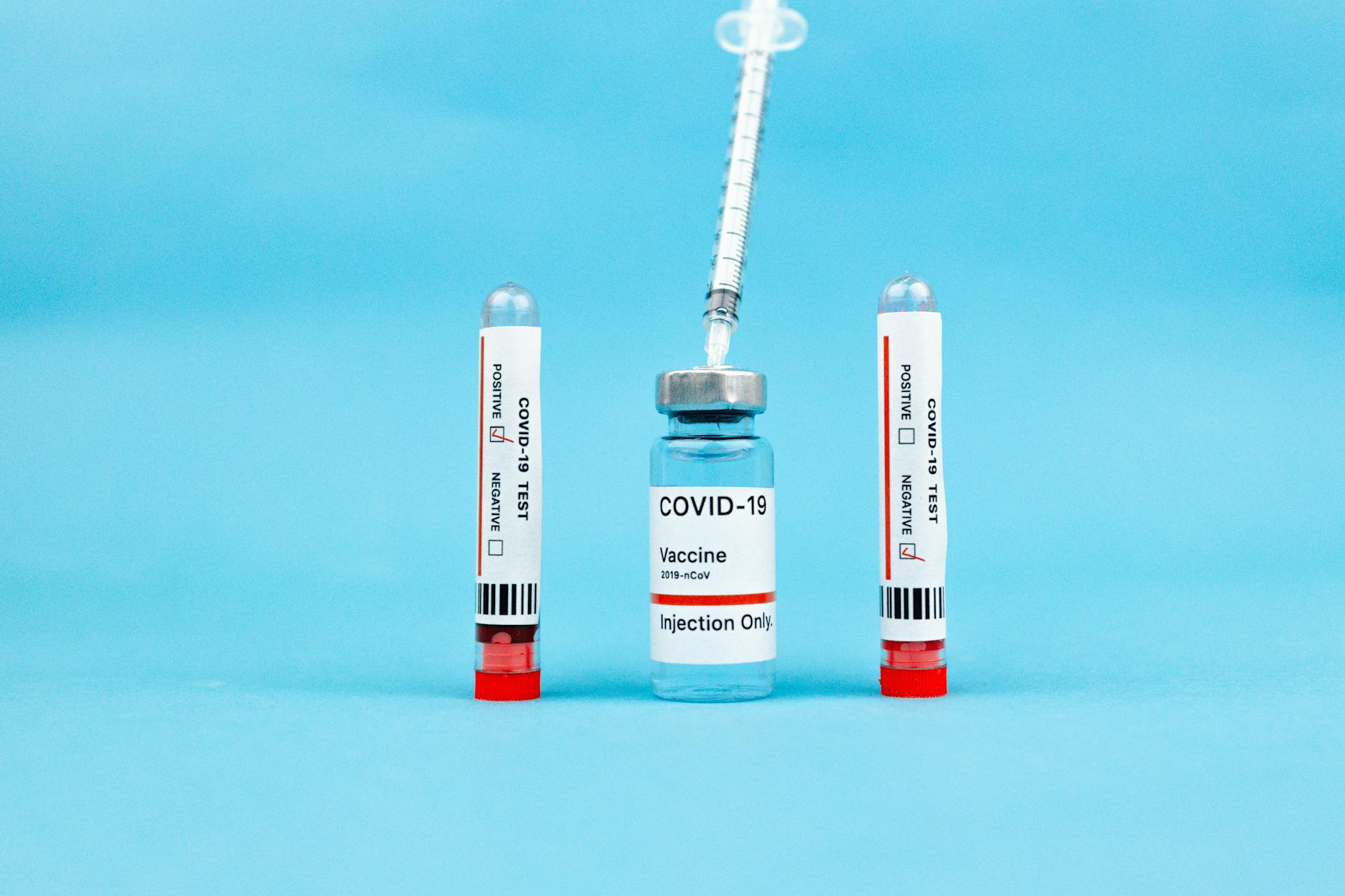
While the combination of GLP-1 receptor agonists and resistance training is a promising strategy for improving body composition and metabolic health, it is not without potential risks. A cautious, individualized approach is essential, particularly for certain patient populations. The evidence for synergistic benefits is strong in principle, but the practical application requires careful medical oversight.
The primary risks stem from the additive physiological effects of both interventions. Key considerations include:
- Hypoglycemia Risk: GLP-1 drugs, especially when combined with insulin or insulin secretagogues (e.g., sulfonylureas), can increase hypoglycemia risk. Intense exercise can further lower blood glucose. Patients on such regimens must have a robust glucose monitoring plan and may need medication adjustments.
- Cardiovascular Strain: Individuals with established cardiovascular disease, uncontrolled hypertension, or recent cardiac events require cardiology clearance. The hemodynamic demands of strength training, particularly during heavy lifts or isometric holds, can be significant.
- Musculoskeletal Injury: Rapid weight loss from GLP-1 therapy can lead to the loss of both fat and lean mass, potentially reducing joint stability and increasing injury risk during loading. Proper technique and gradual progression are non-negotiable.
Clinical Insight: In practice, we see two common scenarios. First, patients with diabetic neuropathy or retinopathy need extreme caution with free weights due to balance and intraocular pressure risks. Second, the significant gastrointestinal side effects of GLP-1s (nausea, vomiting) can lead to dehydration and electrolyte imbalances, which are exacerbated by strenuous exercise. Timing workouts away from peak drug effect and ensuring hydration is critical.
Specific Contraindications and Precautions
The following groups should only undertake combined therapy under direct specialist supervision, if at all:
- Patients with a history of severe gastroparesis or pancreatitis.
- Those with advanced chronic kidney disease (eGFR <30), due to potential impacts on hydration and electrolyte balance.
- Individuals with a history of eating disorders, as the focus on weight and body composition could trigger disordered behaviors.
- Older adults with sarcopenia or severe osteoporosis, where fall and fracture risk must be paramount.
- Pregnant or breastfeeding individuals, as the safety of GLP-1 agonists in these populations is not established.
In summary, the combination is a powerful tool but requires a tailored risk-benefit analysis. Any patient considering initiating or intensifying a strength training program while on a GLP-1 medication should first consult their physician, endocrinologist, or a qualified exercise physiologist to develop a safe, monitored plan.
4. Practical Guidelines for Integrating Strength Training with GLP-1 Therapy

Integrating structured resistance exercise with GLP-1 receptor agonist therapy can be a highly effective strategy for improving body composition and metabolic health. The goal is to preserve or build lean mass while losing fat, thereby enhancing the drug's benefits. A practical, evidence-informed approach is essential for safety and sustainability.
Foundational Principles
The synergy between GLP-1 therapy and strength training is best supported by focusing on progressive overload and consistency. While the evidence for combined efficacy on body composition is strong, optimal programming specifics (e.g., exact sets and reps) for this specific population are still being refined in clinical research.
- Frequency: Aim for 2-3 sessions per week on non-consecutive days to allow for muscle recovery.
- Exercise Selection: Prioritize multi-joint, compound movements (e.g., leg presses, chest presses, rows, squats with support) that work major muscle groups efficiently.
- Volume and Intensity: Start with 1-2 sets of 8-12 repetitions per exercise at a moderate intensity (a weight that feels challenging by the last rep). The focus should be on mastering technique before adding weight.
Timing and Nutrition Considerations
GLP-1 medications can affect appetite and gastric emptying. To mitigate potential nausea or lightheadedness during exercise:
- Avoid training immediately after your injection if you experience side effects.
- Ensure adequate hydration and consider a small, balanced snack (e.g., yogurt, a handful of nuts) 60-90 minutes before your session.
- Post-exercise, consuming ~15-25 grams of protein can support muscle protein synthesis. This is particularly important in a calorie deficit.
Clinical Insight: The primary objective of adding resistance training during GLP-1-induced weight loss is functional preservation. We are not merely "building muscle" in the traditional sense, but actively countering the sarcopenia (muscle loss) that can accompany rapid weight loss. This protects metabolic rate, functional strength, and bone health. Patients should be counseled that scale weight loss may slow as lean mass is maintained, but this represents a superior health outcome.
Safety and Precautions
Certain individuals should seek medical clearance and potentially work with a qualified exercise professional (e.g., a physical therapist or certified exercise physiologist) before beginning a new strength program. This includes:
- Individuals with a history of cardiovascular disease, uncontrolled hypertension, or diabetic retinopathy.
- Those with severe osteoarthritis, recent injuries, or significant neuropathy that may affect balance and safety.
- Patients with a history of eating disorders, as the focus on body composition requires careful clinical management.
Progress should be gradual. Listen to your body, prioritize proper form over heavy weight, and communicate any concerns with your prescribing physician. They can help tailor this integrative approach to your specific health profile.
5. Safety First: When to Consult a Healthcare Provider

While the synergistic potential of combining GLP-1 receptor agonists with strength training is promising, initiating or modifying any medical or exercise regimen requires a foundation of safety. This is not a strategy to be undertaken without professional guidance. The following scenarios necessitate a consultation with your healthcare provider before proceeding.
Before Starting a New Exercise Program
If you are new to strength training or have been inactive, a medical evaluation is crucial. This is especially important for individuals with:
- Cardiovascular conditions (e.g., uncontrolled hypertension, coronary artery disease, heart failure).
- Musculoskeletal injuries, arthritis, or chronic pain that could be exacerbated.
- Diabetic complications such as retinopathy or neuropathy, where certain exercises may pose risks.
- Severe obesity, where exercise form and joint loading require careful modification.
When Managing Medication Effects
GLP-1 medications have specific side effects and interactions that must be managed. Consult your provider if you experience:
- Significant gastrointestinal issues (nausea, vomiting) that could affect hydration and nutrient intake around workouts.
- Dizziness or lightheadedness, which could indicate hypoglycemia (particularly if also on insulin or sulfonylureas) or hypotension.
- Concerns about rapid weight loss potentially impacting muscle mass or nutritional status.
Clinical Insight: From a prescribing perspective, the addition of structured exercise is a positive intervention. However, we must adjust our monitoring. We may need to review medication doses more frequently, as increased muscle mass and improved insulin sensitivity can alter glycemic control and weight loss trajectories. A coordinated plan between your physician, a certified exercise professional, and potentially a dietitian creates the safest and most effective pathway.
Specific Populations Requiring Extra Caution
Certain groups should seek explicit medical clearance and potentially more tailored programming:
- Older adults or those with osteoporosis, due to fracture risk and the need for safe loading strategies.
- Individuals with kidney disease (renal impairment), as exercise and certain drug effects influence fluid and electrolyte balance.
- Those with a history of eating disorders, as the focus on body composition and exercise could trigger unhealthy behaviors.
The evidence supporting the combined benefits of GLP-1 drugs and resistance training is growing but is still emerging from clinical trials. Individual responses will vary. Therefore, transparent communication with your healthcare team is the single most important step in harnessing these benefits safely and sustainably.
6. Questions & Expert Insights
Does strength training make GLP-1 drugs work better, or does it just help prevent muscle loss?
The evidence suggests it does both, but the primary, well-established benefit is mitigating muscle loss. GLP-1 receptor agonists (like semaglutide or tirzepatide) are highly effective for weight loss, but a significant portion of the weight lost can be lean mass. Concurrent strength training is the most powerful, evidence-based strategy to preserve and even build skeletal muscle during caloric deficit. The "enhanced effect" likely refers to improving body composition—losing more fat relative to muscle—which leads to better metabolic health outcomes than weight loss alone. Some preliminary research indicates exercise may improve insulin sensitivity and cellular energy metabolism in ways that could synergize with GLP-1 pathways, but this is an area of active investigation. The key takeaway is that strength training is not optional for body composition; it's essential.
What are the risks or side effects of starting intense strength training while on a GLP-1 medication?
Combining these interventions requires careful management of two primary risks. First, GLP-1 drugs can cause gastrointestinal side effects (nausea, vomiting) and may affect hydration and electrolyte balance. Intense exercise can exacerbate dehydration or dizziness. Second, the rapid weight loss from GLP-1 drugs can sometimes lead to overly aggressive exercise routines, increasing injury risk to joints, tendons, and muscles if form is poor or load is increased too quickly. Individuals with pre-existing cardiovascular disease, severe diabetic neuropathy, retinopathy (where strenuous activity may be contraindicated), or advanced kidney disease should obtain explicit clearance from their specialist. Those with a history of eating disorders must also be cautious, as the focus on body composition could potentially trigger unhealthy behaviors.
I'm on a GLP-1 drug. When should I talk to my doctor before starting strength training, and what should I discuss?
You should consult your prescribing physician or a sports medicine doctor before beginning if you have any chronic conditions (e.g., heart disease, diabetes with complications, osteoporosis, severe arthritis), are new to exercise, or are experiencing significant side effects from the medication. Come to the appointment prepared to discuss: 1) Your current medication dosage and any side effects (especially dizziness or nausea), 2) Your specific health conditions and any physical limitations, 3) Your realistic exercise history and goals. This conversation should result in a personalized plan that may include starting with low-intensity resistance or supervised training, ensuring proper hydration and nutrient timing around workouts, and establishing safe progression rates. It's also the time to coordinate care with a physical therapist or certified exercise physiologist if needed.
Is the combination of strength training and GLP-1 drugs supported by long-term clinical trial data?
While the individual components are strongly supported, long-term data on their combined synergistic effect is still emerging. Large, multi-year trials specifically designed to test this combination are limited. The current evidence is built on robust physiological principles: we have decades of data confirming the benefits of resistance training for body composition and metabolic health, and we now have strong multi-year data for GLP-1 drugs' efficacy and safety. The logical and clinically observed synergy is extrapolated from these pillars. Shorter-term studies (6-12 months) consistently show that adding exercise to pharmacotherapy yields superior body composition and fitness outcomes compared to the drug alone. However, long-term adherence data and precise effect sizes over 5+ years require further study. The current evidence is compelling enough to make it a standard clinical recommendation.
7. In-site article recommendations
8. External article recommendations
9. External resources
The links below point to reputable medical and evidence-based resources that can be used for further reading. Always interpret them in the context of your own situation and your clinician’s advice.
-
mayoclinic mayoclinic.orgGLP-1 drugs – Mayo Clinic (search)
-
healthline healthline.comGLP-1 drugs – Healthline (search)
-
wikipedia wikipedia.orgGLP-1 drugs – Wikipedia (search)
These external resources are maintained by third-party organisations. Their content does not represent the editorial position of this site and is provided solely to support readers in accessing additional professional information.