
1. Introduction to Lemon Water and Detoxification Claims

The practice of starting the day with warm lemon water is a popular wellness ritual, often promoted for its supposed ability to "detoxify" or "flush toxins" from the body. This chapter provides a foundational, evidence-based examination of these claims, separating established physiological facts from popular assertions that lack robust scientific support.
At its core, lemon water is simply water infused with the juice, and sometimes the zest, of fresh lemons (Citrus limon). Its primary, well-documented benefits are straightforward:
- Hydration: It encourages fluid intake, which is essential for all bodily functions, including kidney filtration.
- Vitamin C: It provides a modest amount of ascorbic acid, a vital antioxidant and cofactor for enzymatic reactions.
- Citric Acid: This compound can increase urinary citrate levels, which may help prevent certain types of kidney stones.
The concept of "detoxification," however, is frequently misapplied. In clinical terms, detoxification refers to specific medical interventions for substance dependence or poisoning. The body possesses highly efficient, endogenous detoxification systems primarily managed by the liver, kidneys, gastrointestinal tract, skin, and lungs. No high-quality human research demonstrates that lemon water enhances the function of these complex organ systems beyond the benefits of adequate hydration and nutrition.
Expert Insight: Clinicians view "detox" claims with skepticism when they imply a simple beverage can purge undefined "toxins." The liver metabolizes compounds through phased enzymatic pathways, and the kidneys filter blood. While proper hydration supports these organs, there is no evidence that lemon water acts as a stimulant or catalyst for these processes beyond what plain water provides. The appeal often lies in the ritual and the perception of taking a proactive health step.
Claims that lemon water alkalizes the body, thereby reducing disease risk, are not supported by physiology. The body tightly regulates blood pH within a narrow range (7.35-7.45); dietary intake cannot meaningfully alter this. While lemon juice is acidic outside the body, its metabolites can have an alkalizing effect on urine, but this is a different and largely inconsequential process regarding systemic "detox."
It is important to note who should exercise caution. The citric acid in lemon water can erode dental enamel if consumed frequently, especially when sipped throughout the day. Individuals with gastroesophageal reflux disease (GERD) or citrus allergies may experience worsened symptoms. As with any dietary change, individuals with chronic health conditions, particularly kidney disease, should consult their physician.
2. Evidence and Mechanisms: What Research Says

The popular claim that lemon water "flushes toxins" is a broad and often misunderstood concept. Scientifically, the body's primary detoxification systems are the liver, kidneys, gastrointestinal tract, and skin. The evidence for lemon water's direct role in enhancing these complex processes is limited and largely indirect.
Examining the Proposed Mechanisms
Research points to several plausible, though modest, mechanisms by which lemon water could support normal physiological functions:
- Hydration Support: Adequate water intake is fundamental for kidney filtration and waste excretion. Adding lemon can improve palatability for some individuals, potentially increasing their total fluid consumption. This is a supportive, not a unique, effect.
- Citric Acid Content: Lemon juice is a source of citric acid. Some clinical studies suggest citric acid, primarily in supplement form (potassium citrate), can increase urine citrate levels and pH, which may help prevent certain types of kidney stones. The concentration in a glass of lemon water is far lower than therapeutic doses.
- Vitamin C and Antioxidants: Lemons contain vitamin C (ascorbic acid) and flavonoids like hesperidin. These compounds have in vitro antioxidant properties, but human studies on lemon water specifically for systemic antioxidant or "detox" effects are lacking. Antioxidant intake from whole foods is generally beneficial for health.
Limitations of the Current Evidence
It is crucial to distinguish mechanistic possibility from proven clinical outcome. There is a significant lack of high-quality, long-term human trials specifically investigating lemon water as an intervention for detoxification or toxin elimination. Most evidence is extrapolated from studies on its individual components (water, citric acid, vitamin C) or is anecdotal.
No credible research supports the idea that lemon water can eliminate environmental toxins, heavy metals, or metabolic waste products more effectively than the body's innate systems supported by a balanced diet and proper hydration.
Clinical Perspective: From a medical standpoint, lemon water can be part of a healthy hydration strategy. Its primary value lies in its potential to displace sugary beverages and provide a source of vitamin C and citric acid. However, it should not be misconstrued as a therapeutic detox agent. Patients with gastroesophageal reflux disease (GERD) or citrus allergies should be cautious, as the acidity can exacerbate symptoms. Those with kidney disease or on certain medications should consult their physician before making significant dietary changes.
In summary, while lemon water may offer minor, supportive benefits related to hydration and providing nutrients, the claim that it significantly enhances the body's detoxification processes is not strongly supported by robust scientific evidence. Its role is best viewed as a complementary dietary habit rather than a targeted detox treatment.
3. Risks and Contraindications for Specific Groups

While lemon water is generally safe for most people, its routine consumption presents specific, evidence-based risks for certain populations. A balanced, clinically responsible view requires identifying these groups to prevent unintended harm.
Individuals with Dental Health Concerns
The citric acid in lemon juice is a well-established erosive agent for dental enamel. Chronic exposure, especially when sipped throughout the day, can lead to irreversible enamel loss, increased tooth sensitivity, and a higher risk of cavities. This risk is not speculative; it is supported by robust dental research on acidic beverages.
- Precaution: Drink lemon water quickly rather than sipping, use a straw to bypass teeth, and rinse the mouth with plain water afterward. Do not brush teeth immediately after consumption, as this can abrade softened enamel.
People with Gastroesophageal Reflux Disease (GERD) or Acid Reflux
For individuals with GERD or frequent heartburn, lemon water can be a potent trigger. The acidity can relax the lower esophageal sphincter and directly irritate the esophageal lining, potentially worsening symptoms like heartburn and regurgitation. While individual tolerance varies, the evidence linking acidic foods to symptom exacerbation is strong.
Those with Kidney Issues or a History of Kidney Stones
This area requires nuance. Lemon juice is high in citrate, which can help prevent certain types of kidney stones (calcium oxalate stones) by binding to calcium in the urine. However, for individuals with compromised kidney function (chronic kidney disease, CKD), the body's ability to manage excess potassium from the lemon must be considered. Hyperkalemia (high potassium) is a serious risk in advanced CKD.
Clinical Insight: Patients with kidney disease should never self-prescribe high volumes of lemon water for "detox" or stone prevention without consulting their nephrologist. While citrate can be therapeutic, the overall fluid and electrolyte balance must be professionally managed.
Individuals on Specific Medications
Lemon water may interact with certain drugs. For example, the acidity could theoretically alter the absorption of some medications. More notably, high vitamin C intake (from large amounts of lemon) might interact with medications like statins (e.g., simvastatin, atorvastatin) and certain chemotherapy drugs, though data is mixed and typically concerns supplement-level doses.
- Recommendation: If you are on long-term medication, particularly for cholesterol, cancer, or immune suppression, discuss significant dietary changes with your physician or pharmacist.
In summary, while lemon water is a benign habit for many, it is not universally risk-free. Individuals with the conditions above should exercise caution and seek personalized advice from a healthcare provider before making it a daily practice.
4. Practical Takeaways for Safe Consumption
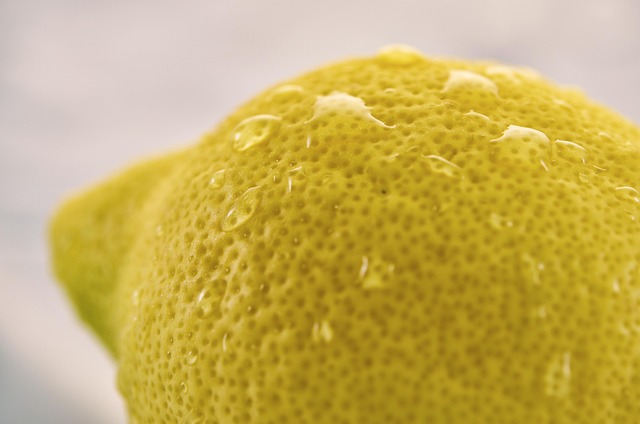
While the evidence for lemon water as a "detox" or "toxin flush" is limited, it can be incorporated into a healthy routine with some practical considerations. The primary benefits are likely related to hydration and a modest vitamin C boost, not a systemic cleansing effect.
How to Prepare and Consume
For most people, a simple preparation is best. Use the juice of half a fresh lemon in a large glass (8-12 oz) of warm or cool water. There is no clinical evidence that warm water is superior, but some find it more soothing.
- Timing: There is no optimal time. Drinking it in the morning can help establish a hydration habit, but it does not "kickstart" metabolism or detoxification in a clinically significant way.
- Frequency: Once daily is sufficient. Excessive consumption offers no additional proven health benefits and may pose risks.
- Tooth Enamel Protection: The citric acid can erode dental enamel. To mitigate this, drink through a straw, rinse your mouth with plain water afterward, and wait at least 30 minutes before brushing your teeth.
Important Cautions and Contraindications
Lemon water is not appropriate or safe for everyone. Certain individuals should exercise caution or avoid it entirely.
- Dental Health: Individuals with sensitive teeth, exposed dentin, or a history of enamel erosion should be particularly cautious with acidic beverages.
- Gastroesophageal Reflux Disease (GERD): The acidity can trigger or worsen heartburn and reflux symptoms.
- Kidney Health: Those with a history of calcium oxalate kidney stones should consult a nephrologist or dietitian, as the oxalate content in lemon juice, while lower than in some foods, may be a consideration in a restricted diet.
- Medication Interactions: While rare, the acidity could theoretically affect the absorption of certain medications. It is prudent to take most medications with plain water unless otherwise directed.
Clinical Perspective: From a medical standpoint, lemon water should be viewed as a beverage choice, not a therapeutic intervention. Its value lies primarily in displacing sugary drinks and supporting adequate fluid intake. Patients with chronic health conditions, especially those affecting the kidneys, gastrointestinal tract, or teeth, should discuss its use with their healthcare provider to ensure it aligns with their individual management plan.
In summary, if you enjoy lemon water, it can be a harmless part of a balanced diet. However, it should not replace evidence-based health practices. The most effective ways to support the body's natural detoxification pathways (primarily via the liver and kidneys) remain: maintaining excellent hydration with water, eating a diet rich in fiber and antioxidants, limiting alcohol, and avoiding smoking.
5. Safety Considerations and When to Consult a Healthcare Professional

While lemon water is generally safe for most people when consumed in moderation, it is not without potential risks. A balanced, evidence-based approach requires acknowledging these considerations to ensure its use is both safe and appropriate.
Primary Safety Concerns
The primary risks associated with regular lemon water consumption are related to its acidity and its potential to interact with certain health conditions or medications.
- Dental Erosion: The citric acid in lemon juice can soften and erode tooth enamel over time, increasing the risk of cavities and sensitivity. This is one of the most well-substantiated risks.
- Gastroesophageal Reflux (GERD) and Heartburn: For individuals prone to acid reflux, the acidity of lemon water can trigger or worsen symptoms.
- Canker Sores or Mouth Ulcers: The acid can cause stinging and irritation in existing mouth sores.
Clinical Insight: From a gastroenterology perspective, the notion that an acidic beverage like lemon water "alkalizes" the body is a persistent myth. The body's pH is tightly regulated by the kidneys and lungs; dietary acids do not meaningfully alter systemic pH. The local effect in the mouth and esophagus, however, is very real and warrants caution.
Who Should Exercise Caution or Avoid It?
Certain individuals should be particularly cautious and consult a healthcare professional before making lemon water a daily habit:
- Individuals with Kidney Disease: Those with advanced chronic kidney disease, especially on a potassium-restricted diet, should be aware that lemon juice contains potassium. While the amount in a glass of water is typically low, it can contribute to total daily intake.
- People with Gastritis or Peptic Ulcers: The acid can irritate the stomach lining.
- Those on Specific Medications: Lemon juice can interact with certain drugs. For example, it may increase the absorption of some aluminum-containing antacids, which is undesirable. Always discuss dietary changes with a pharmacist or doctor if you are on medication.
- Individuals with Citrus Allergies: Though rare, allergies to citrus fruits do exist.
When to Consult a Healthcare Professional
You should seek personalized medical advice before starting a regimen of daily lemon water if:
- You have been diagnosed with any of the conditions listed above (GERD, kidney disease, gastritis, ulcers).
- You are experiencing unexplained dental sensitivity or enamel wear.
- You are using it with the intention of managing a specific health condition (e.g., kidney stones, based on citrate therapy). While citrate can help prevent certain stones, the dose in lemon water is variable and non-standardized; a doctor can advise if prescription potassium citrate is more appropriate.
- You are pregnant or breastfeeding and have concerns about dietary changes.
In summary, while lemon water can be a refreshing, low-calorie beverage for hydration, it is not a therapeutic intervention. Its benefits for "detox" or "flushing toxins" are not supported by robust clinical evidence. Prioritizing safety by understanding its acidic nature and knowing when to seek professional guidance is the most responsible approach.
6. Questions & Expert Insights
Does lemon water actually "flush toxins" from my body?
The term "flush toxins" is a popular but misleading oversimplification. Your body has highly efficient, built-in detoxification systems primarily managed by your liver and kidneys. Lemon water does not magically enhance these processes. The primary evidence-based benefit of lemon water in this context is hydration. Adequate water intake is crucial for optimal kidney function, which filters waste products from the blood. The citric acid in lemon juice may also modestly increase urine citrate levels, which can help prevent certain types of kidney stones. However, this is a supportive role for an existing, healthy system, not a "detox" or "flush" in the sensational sense. Claims of lemon water targeting specific environmental or metabolic toxins lack robust clinical evidence.
What are the potential risks or side effects of drinking lemon water daily?
For most people, moderate consumption is safe, but specific risks exist. The primary concern is dental enamel erosion due to the citric acid, which can weaken tooth enamel over time, increasing sensitivity and cavity risk. Drinking through a straw and rinsing with plain water afterward can mitigate this. Secondly, the acidity may trigger or worsen symptoms for individuals with gastroesophageal reflux disease (GERD) or frequent heartburn. There is also a theoretical risk for those with a history of migraine, as citrus can be a trigger. While lemon is low in potassium, individuals with advanced kidney disease on strict potassium restrictions should consult their nephrologist, as fluid intake itself may also need to be regulated.
Who should avoid or be very cautious with lemon water?
Several groups should exercise caution or avoid it. Individuals with significant GERD, peptic ulcers, or severe heartburn may find symptoms exacerbated. People with compromised dental enamel or a history of frequent cavities should be mindful of the erosive potential. Those with kidney failure (especially on dialysis) or a history of calcium oxalate kidney stones should only adjust their diet, including citrate intake, under direct medical supervision, as recommendations can be highly individualized. Furthermore, anyone with a known allergy to citrus fruits must obviously avoid it. If you have any of these conditions, it is prudent to discuss lemon water with your healthcare provider.
When should I talk to my doctor about lemon water, and what should I discuss?
Consult a physician or a registered dietitian if you have any underlying chronic health condition, especially kidney disease, GERD, or a history of eating disorders where ritualistic food behaviors are a concern. You should also seek advice if you are considering lemon water as a primary strategy to manage a specific health issue like high blood pressure or gout. Prepare for the conversation by being specific. Note your current intake (e.g., one cup daily, juice of half a lemon), your reason for using it (e.g., "for hydration," "to help with kidney stones"), and any medications or supplements you take. This allows your provider to assess for potential interactions (e.g., with certain diuretics or potassium-sparing drugs) and give personalized, evidence-based guidance that aligns with your overall care plan.
7. In-site article recommendations
8. External article recommendations
9. External resources
The links below point to reputable medical and evidence-based resources that can be used for further reading. Always interpret them in the context of your own situation and your clinician’s advice.
-
mayoclinic mayoclinic.orglemon water – Mayo Clinic (search)
-
examine examine.comlemon water – Examine.com (search)
-
healthline healthline.comlemon water – Healthline (search)
These external resources are maintained by third-party organisations. Their content does not represent the editorial position of this site and is provided solely to support readers in accessing additional professional information.