
1. Introduction to Injury-Resilient Strength Building
The pursuit of strength is a fundamental component of health, linked to improved metabolic function, bone density, functional independence, and mental well-being. However, traditional strength training paradigms often carry a significant risk of musculoskeletal injury, particularly for those new to exercise, returning after a hiatus, or managing pre-existing conditions. This creates a common and counterproductive dilemma: the very activity meant to enhance health can sometimes undermine it.
The concept of injury-resilient strength building addresses this core challenge. It is not a single exercise but a foundational philosophy that prioritizes long-term joint health and tissue adaptation over short-term intensity. This approach is supported by a growing body of sports medicine and exercise science research, which identifies key biomechanical and programming principles that can significantly mitigate injury risk while effectively building functional strength.
Effective injury-resilient training is characterized by several evidence-based pillars:
- Movement Quality Over Maximal Load: Emphasizing proper form, full range of motion, and controlled tempo before adding significant weight.
- Balanced Programming: Ensuring agonist-antagonist muscle balance (e.g., quadriceps and hamstrings) to maintain joint stability.
- Gradual Progressive Overload: Systematically increasing demand through slight increments in volume, intensity, or complexity, allowing connective tissues to adapt alongside muscle.
- Incorporating Stability and Unilateral Work: Training the body to control movement in multiple planes and under uneven loads, which enhances proprioception and reduces asymmetry.
Clinical Perspective: From a rehabilitation standpoint, the most common training injuries—such as rotator cuff strains, patellofemoral pain, and lumbar strains—often stem from repetitive submaximal loading with poor mechanics or muscular imbalances, not a single traumatic event. An injury-resilient approach acts as primary prevention, addressing these root causes before pain or dysfunction manifests.
It is crucial to note that while the principles are well-supported, individual application varies. Those with a history of joint injury, chronic conditions (e.g., osteoarthritis, osteoporosis), cardiovascular concerns, or who are pregnant should consult a physician or a physical therapist before initiating any new exercise regimen. A professional can provide personalized modifications to ensure safety and efficacy.
The following chapters will detail five specific exercises that operationalize these principles. Each selection is based on its demonstrated ability to build strength through movement patterns that distribute load effectively, minimize shear forces on joints, and promote structural balance, thereby creating a more durable and resilient physique.
2. Evidence-Based Mechanisms for Safe Exercise Selection
Selecting exercises for lasting strength requires a foundation in biomechanics and physiology. Evidence-based selection prioritizes movements that maximize force production and joint stability while minimizing harmful shear forces and excessive spinal loading. The goal is to stimulate positive adaptations—like increased bone density and tendon resilience—without exceeding tissue tolerance.
The most robust evidence supports exercises that meet three key criteria:
- Multi-joint Engagement: Compound movements (e.g., squats, presses) recruit large muscle groups, creating efficient systemic stress that robustly stimulates muscle protein synthesis and metabolic adaptation.
- Controlled Eccentric Phases: The lowering portion of a lift is strongly linked to muscle hypertrophy and connective tissue strengthening. Controlled eccentrics allow for high mechanical tension with relatively lower absolute loads, reducing joint compression.
- Neutral Spinal Alignment: Exercises that can be performed while maintaining a neutral spine (e.g., hip hinge patterns) significantly reduce the risk of discogenic injury compared to those involving repetitive spinal flexion under load.
Mechanisms for safety are equally critical. Exercises with a high degree of technical complexity or extreme end-range joint positions (e.g., overhead squats for a novice) carry a higher risk-to-benefit ratio. The evidence is clear that progressive overload—gradually increasing intensity, volume, or complexity—is the cornerstone of adaptation, but it must be applied to movements the individual can perform with stability.
Clinical Perspective: From a rehabilitation standpoint, "safe" exercise is not a universal list. It is a movement pattern an individual can execute without pain or compensatory mechanics. An exercise deemed safe in population studies may be risky for someone with pre-existing osteoarthritis or hypermobility. The mechanism of safety is inherently personalized.
It is important to note that while the principles above are well-supported, evidence for the superiority of specific exercise modalities (e.g., free weights vs. machines) for injury prevention is more mixed and often context-dependent. Machines may offer greater stability for beginners or those in rehabilitation, while free weights better develop stabilizer muscles.
Individuals with known cardiovascular conditions, uncontrolled hypertension, recent musculoskeletal injury, or who are pregnant should consult a physician or physical therapist before initiating a new strength regimen. Proper technique, guided initially by a qualified professional, is non-negotiable for translating these mechanisms into safe practice.
3. Risk Assessment and Contraindications
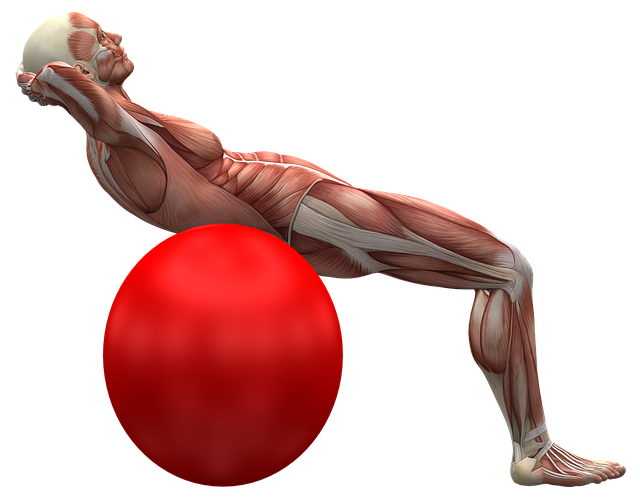
While the five foundational exercises discussed in this article are generally safe for building strength, a proactive risk assessment is a critical component of any sustainable training program. The principle of "first, do no harm" applies equally to fitness. The most common injuries associated with strength training—such as muscle strains, tendonitis, and joint stress—typically arise from technical errors, excessive load progression, or ignoring pre-existing conditions rather than from the exercises themselves.
Before initiating or modifying a strength regimen, certain individuals should consult a qualified healthcare professional, such as a physician or physical therapist. This is particularly important for those with:
- Unmanaged cardiovascular conditions (e.g., hypertension, heart disease).
- Active musculoskeletal injuries, recent surgery, or joint instability (e.g., rotator cuff tears, ACL deficiency, spinal disc issues).
- Neurological conditions affecting balance or coordination.
- Pregnancy, especially in the second and third trimesters, where modifications for supine positions and intra-abdominal pressure are necessary.
- Severe osteoporosis, where certain loaded movements may require specific adaptation to avoid fracture risk.
Clinical Perspective: In practice, very few conditions represent an absolute contraindication to all movement. The key is appropriate exercise selection and dosage. For instance, a patient with knee osteoarthritis may benefit tremendously from modified squats or isometric holds to build quadriceps strength, which stabilizes the joint, but may need to avoid deep, heavily loaded ranges. A healthcare provider can help identify these nuanced modifications.
For the general population, the primary risk mitigation strategy is mastering technique before adding significant load or volume. High-quality evidence consistently shows that proper form significantly reduces injury risk. It is advisable to start with bodyweight or very light resistance to engrain motor patterns. Furthermore, listening to the body's signals is essential; sharp pain, joint clicking with discomfort, or pain that persists after exercise are clear indicators to stop and seek evaluation.
Ultimately, building lasting strength without injury is a process guided by individual assessment, patience, and often professional guidance. The most effective program is one that is appropriately challenging yet respectful of the body's current limitations and health status.
4. Practical Application and Exercise Integration
Integrating the five foundational exercises—squats, hip hinges, push-ups, rows, and carries—into a sustainable routine requires a focus on progression, recovery, and individualization. The evidence strongly supports a "less is more" approach for building lasting strength, prioritizing consistent, high-quality movement over excessive volume or intensity, which is a primary risk factor for overuse injury.
A practical weekly framework for most healthy adults could involve two to three total-body strength sessions. Each session should include one exercise from each movement pattern, performed for 2–4 sets. Repetition ranges can be varied:
- Strength Focus (8–12 reps): Use a load that challenges you within this range, with 1–2 reps "in reserve" at the end of a set.
- Stability & Endurance Focus (12–20 reps): Use lighter loads or bodyweight, focusing on perfect form and muscular control.
Progression should be gradual. Increase load only when you can complete all sets and reps with impeccable technique and controlled tempo. Alternative methods of progression include adding a set, slowing the eccentric (lowering) phase, or reducing rest time between sets before adding weight.
Clinical Insight: From a rehabilitation perspective, the carry is often underutilized. Its value lies in integrating core stability, shoulder girdle function, and gait mechanics under load. For individuals with a history of back or shoulder issues, starting with very light loads and focusing on a neutral spine and engaged scapulae is critical. It serves as an excellent assessment tool for asymmetries.
It is crucial to distinguish between muscular fatigue, which is expected, and joint pain or sharp, shooting sensations, which are not. Persistent pain is a signal to regress the exercise, consult a qualified professional, or temporarily avoid that movement. The evidence for injury prevention is strongest when exercise selection and load are modified in response to these feedback signals.
Who should seek guidance first? Individuals with known cardiovascular, metabolic, orthopedic, or neurological conditions, those in pregnancy or postpartum, and anyone experiencing acute pain should consult a physician or physical therapist before beginning a new strength regimen. Furthermore, those with a history of disordered eating should approach programmed exercise with caution and ideally under the supervision of a healthcare team.
Ultimately, the goal is the lifelong practice of strength training. By anchoring your routine in these fundamental patterns and progressing mindfully, you build a resilient foundation supported by both physiological evidence and practical clinical wisdom.
5. Safety Protocols and Indications for Medical Consultation
While the exercises discussed in this article are foundational and generally safe, their safety is contingent on proper execution and individual context. Adhering to fundamental safety protocols is non-negotiable for building lasting strength without incurring injury.
Core Safety Principles
Before beginning any strength-training regimen, establish these universal protocols:
- Prioritize Form Over Load: Master the movement pattern with body weight or minimal resistance before adding weight. Compromised form under load is a primary cause of acute and overuse injuries.
- Implement Progressive Overload Gradually: Increase weight, volume, or intensity by small increments (e.g., 5-10%) only when the current load can be managed with perfect technique for all prescribed repetitions.
- Incorporate a Comprehensive Warm-up: Dedicate 5-10 minutes to dynamic movements that increase heart rate, blood flow to muscles, and joint mobility specific to the day's exercises.
- Allow for Adequate Recovery: Strength is built during rest. Ensure at least 48 hours of recovery for major muscle groups and prioritize sleep and nutrition.
Clinical Insight: From a physiotherapy perspective, pain is a critical signal. Distinguishing between muscular fatigue and joint or sharp, shooting pain is essential. The adage "train, don't strain" applies. If an exercise causes pain beyond typical muscular burn, particularly in a joint, stop immediately and reassess form or load. Continuing through pain often transforms a minor technique issue into a chronic injury.
Indications for Medical Consultation
Certain individuals should consult a physician or a qualified physical therapist before initiating a new strength program. This is a precautionary measure to ensure safety and personalize the approach. Consultation is strongly advised for:
- Individuals with known cardiovascular, pulmonary, or metabolic conditions (e.g., uncontrolled hypertension, heart disease, diabetes).
- Those with active musculoskeletal injuries, chronic joint pain (e.g., in knees, shoulders, spine), or a history of significant orthopedic surgery.
- People with diagnosed osteoporosis or high fracture risk, as loading must be appropriately graded and spinal flexion may need modification.
- Pregnant individuals, especially in the second and third trimesters, require exercise modifications.
- Anyone experiencing dizziness, chest pain, or unusual shortness of breath with exertion.
Evidence strongly supports that strength training, when approached correctly, is safe and beneficial for most populations, including many with stable chronic conditions. However, the evidence for its safety without professional guidance in the specific groups listed above is limited. A healthcare provider can help establish safe parameters, recommend necessary exercise modifications, and ensure your program aligns with your overall health strategy.
6. Questions & Expert Insights
Is it true that strength training can be done safely at any age?
Yes, strength training is beneficial across the lifespan, but the concept of "safety" must be adapted to the individual. For older adults or those new to exercise, the focus should be on controlled movements, proper form, and appropriate load—often starting with bodyweight or very light resistance. Evidence strongly supports that progressive resistance training can combat sarcopenia (age-related muscle loss) and improve bone density and functional independence. However, the presence of conditions like severe osteoporosis, significant osteoarthritis, or uncontrolled hypertension necessitates modifications. The key is progressive overload, which means gradually increasing difficulty, not intensity. Starting with a qualified professional, such as a physical therapist or certified trainer experienced in geriatric fitness, is highly recommended to build a safe and effective foundation.
What are the most common injury risks with these strength exercises, and how can I avoid them?
The primary risk for exercises like squats, hinges, presses, rows, and carries is injury from poor technique or excessive load, particularly to the lower back, shoulders, and knees. For example, rounding the back during a deadlift hinge places excessive shear force on the lumbar spine. Similarly, flaring the elbows during a push-up or press can impinge the shoulder. Avoidance hinges on mastering form before adding weight or complexity. This often means beginning with range-of-motion assessments and tempo-based practice (e.g., a 3-second descent). Using mirrors, video feedback, or a trainer's eye is invaluable. Furthermore, neglecting balanced programming—for instance, over-emphasizing "push" exercises without equal "pull" work—can lead to muscular imbalances and overuse injuries over time.
I have a pre-existing condition. When should I talk to a doctor before starting?
Consult a physician or relevant specialist before beginning any new exercise regimen if you have: known cardiovascular disease (e.g., heart failure, arrhythmia), uncontrolled hypertension, recent surgery, active inflammatory or painful joint conditions (e.g., rheumatoid arthritis flare), severe osteoporosis, or a history of disc herniation with nerve symptoms. You should also seek advice if you experience dizziness, chest pain, or unusual shortness of breath with mild exertion. For this conversation, bring specific information: the list of exercises you plan to do, your current activity level, and a clear summary of your condition(s) and medications. Ask for guidance on specific movement restrictions, safe heart rate zones, and any warning signs to stop activity. This enables your doctor to give precise, actionable advice rather than a generic "be careful."
How long does it realistically take to build "lasting" strength, and what if I don't see quick results?
"Lasting" strength implies neural adaptations and muscle hypertrophy that persist with consistent practice. Initial neural gains, improving coordination and efficiency, can be seen in 4-8 weeks. Structural muscle growth typically becomes more evident after 8-12 weeks of consistent, progressive training. The timeline varies significantly based on age, nutrition, sleep, genetics, and training consistency. If progress stalls, common evidence-based reasons include inadequate progressive overload (not gradually increasing challenge), insufficient protein intake for repair and growth, poor recovery (sleep/stress), or non-optimal exercise technique limiting muscle engagement. It is crucial to manage expectations; sustainable strength is a marathon, not a sprint. Periodizing your training with planned lighter weeks can actually enhance long-term progress by preventing overtraining and injury.
7. In-site article recommendations
8. External article recommendations
9. External resources
The links below point to reputable medical and evidence-based resources that can be used for further reading. Always interpret them in the context of your own situation and your clinician’s advice.
-
drugs drugs.comstrength exercises – Drugs.com (search)
-
examine examine.comstrength exercises – Examine.com (search)
-
healthline healthline.comstrength exercises – Healthline (search)
These external resources are maintained by third-party organisations. Their content does not represent the editorial position of this site and is provided solely to support readers in accessing additional professional information.