
1. Introduction to Supplements and Metabolic Resets
The concept of a "metabolic reset" has gained significant attention in health and wellness circles. Clinically, this term is not a formal diagnosis but a conceptual framework for a period of focused intervention aimed at improving metabolic flexibility—the body's ability to efficiently switch between using different fuel sources like carbohydrates and fats. The goal is to support foundational physiological processes such as insulin sensitivity, mitochondrial function, and inflammatory balance.
Within this context, dietary supplements are often explored as adjunctive tools. It is critical to understand their role from an evidence-based perspective:
- Adjunctive, Not Curative: Supplements are not substitutes for core lifestyle pillars like a balanced diet, regular physical activity, stress management, and adequate sleep. Their potential value lies in supporting these foundational efforts.
- Variable Evidence Base: The scientific support for supplements in metabolic health is highly heterogeneous. For some compounds, robust clinical trial data exists; for others, evidence is preliminary, derived from animal studies, or shows mixed results in human populations.
- Individual Variability: Factors like genetics, baseline nutrient status, gut microbiome composition, and existing health conditions dramatically influence whether a supplement will be effective, inert, or potentially harmful for a given individual.
This chapter introduces the rationale for considering specific supplements within a structured metabolic reset protocol. The subsequent chapters will examine six supplements that have been the subject of notable research. For each, we will distinguish between findings supported by strong, replicated human studies and those based on mechanistic or early-phase clinical data.
Clinical Perspective: A responsible approach to supplementation requires viewing these products through a clinical lens. They are bioactive compounds that interact with human physiology. Therefore, potential benefits must always be weighed against risks, including interactions with medications, side effects, and the quality/purity of available products. Supplements are not universally "safe" simply because they are natural.
Individuals with chronic health conditions (particularly liver or kidney disease), those who are pregnant or breastfeeding, and anyone taking prescription medications should consult a physician or a registered dietitian before initiating any new supplement regimen. This precaution is essential to avoid adverse interactions and ensure the approach is tailored to your specific health profile.
2. Evidence-Based Mechanisms of Key Supplements
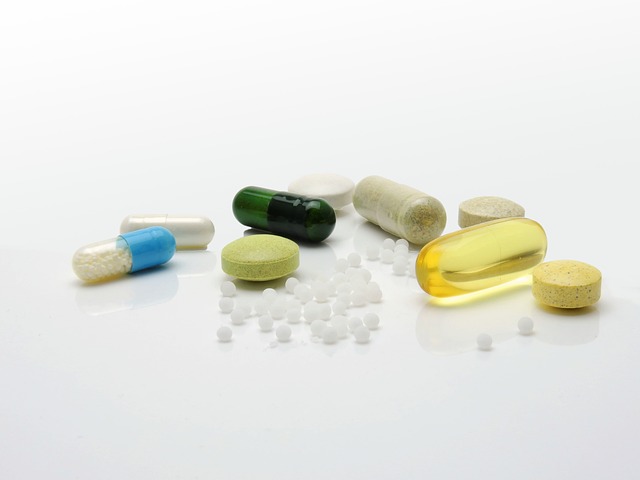
Understanding how a supplement works at the cellular and systemic level is crucial for evaluating its potential role in a health strategy. The following mechanisms are supported by varying degrees of scientific evidence, from robust clinical trials to promising preliminary research.
1. Magnesium: Cellular Energy and Nervous System Regulation
Magnesium acts as a cofactor for over 300 enzymatic reactions. Its role in adenosine triphosphate (ATP) production is fundamental for cellular energy. Furthermore, it supports the function of gamma-aminobutyric acid (GABA), a calming neurotransmitter, which may explain its observed benefits for sleep quality and stress modulation. Deficiency is common and can impair metabolic and neurological function.
2. Omega-3 Fatty Acids (EPA & DHA): Modulating Inflammation
Eicosapentaenoic acid (EPA) and docosahexaenoic acid (DHA) are incorporated into cell membranes and serve as precursors to specialized pro-resolving mediators (SPMs). These SPMs actively help resolve inflammatory processes rather than merely suppressing them, which is a key distinction in promoting systemic recovery.
3. Vitamin D: A Hormone Regulating Multiple Systems
Vitamin D functions as a secosteroid hormone, influencing the expression of hundreds of genes. It is critically involved in immune system modulation, helping to balance inflammatory responses, and supports musculoskeletal health by regulating calcium absorption. Widespread insufficiency makes it a frequent target for repletion.
4. Probiotics: Gut-Brain Axis and Barrier Function
Certain probiotic strains can influence the gut-brain axis via the vagus nerve and microbial metabolite production. They also compete with pathogenic bacteria and may support the integrity of the intestinal epithelial barrier, potentially reducing systemic exposure to inflammatory compounds.
5. Curcumin: Targeting Inflammatory Pathways
The primary active compound in turmeric, curcumin, is noted for its ability to inhibit nuclear factor kappa B (NF-κB), a key protein complex that triggers the expression of pro-inflammatory genes. Its poor bioavailability is a significant limitation, often addressed with formulations containing piperine or lipids.
6. Adaptogens (e.g., Ashwagandha, Rhodiola): HPA Axis Modulation
Adaptogens are proposed to modulate the hypothalamic-pituitary-adrenal (HPA) axis, helping the body maintain homeostasis during stress. For example, ashwagandha may lower cortisol levels, while rhodiola might influence the activity of stress-responsive neurotransmitters. The evidence here is more mixed and often derived from smaller, shorter-term studies.
Important Cautions: Individuals with kidney or liver conditions, those who are pregnant or breastfeeding, and anyone on prescription medications (especially blood thinners, immunosuppressants, or thyroid medication) should consult a physician before starting new supplements. High doses of fat-soluble vitamins (like D) require monitoring to avoid toxicity.
3. Risks, Side Effects, and Population-Specific Cautions
While the supplements discussed in this article may support metabolic and physiological processes, they are not without potential adverse effects. A foundational principle of clinical practice is that any intervention, including nutritional supplementation, carries a risk-benefit profile that must be carefully considered on an individual basis.
Common and Serious Adverse Reactions
Side effects are often dose-dependent and can range from mild gastrointestinal discomfort (e.g., nausea, diarrhea with magnesium or high-dose vitamin C) to more serious concerns. For instance:
- High-Dose Antioxidants (e.g., Vitamin E, Beta-Carotene): Evidence from some large-scale trials suggests that in certain populations (such as smokers), high-dose, isolated antioxidant supplements may interfere with normal cellular signaling and, paradoxically, increase the risk of certain conditions.
- Herbal Adaptogens (e.g., Ashwagandha, Rhodiola): These can interact with the central nervous system, potentially causing sedation, agitation, or affecting thyroid hormone levels. Their mechanisms are complex and not fully elucidated.
- Minerals (e.g., Iron, Zinc): Unnecessary supplementation can lead to toxicity, with iron posing a risk of oxidative damage and zinc causing copper deficiency with long-term, high-dose use.
Clinical Insight: The term "natural" is not synonymous with "safe." Supplements are pharmacologically active compounds. Their quality, purity, and concentration are not uniformly regulated to pharmaceutical standards, introducing variability and potential for contamination. Always consider supplements as part of a patient's complete medication list for interaction checks.
Critical Population-Specific Cautions
Specific groups require heightened caution and should only use supplements under direct medical supervision:
- Pregnant or Breastfeeding Individuals: Fetal development is highly sensitive. Many supplements lack robust safety data for this population.
- Individuals with Chronic Kidney or Liver Disease: Impaired clearance can lead to dangerous accumulation of minerals and fat-soluble vitamins.
- Those on Prescription Medications: High-risk interactions exist. For example, vitamin K can antagonize blood thinners like warfarin, and St. John’s Wort induces cytochrome P450 enzymes, reducing the efficacy of countless drugs including antidepressants, antivirals, and transplant medications.
- Individuals with Autoimmune Conditions or Awaiting Surgery: Some supplements (e.g., high-dose omega-3s, garlic, ginkgo) may affect bleeding time or immune modulation.
- People with a History of Eating Disorders or Disordered Eating: Supplement use can sometimes perpetuate unhealthy fixations on food and body chemistry.
The evidence supporting supplement use for "body resets" is often preliminary, derived from small studies, or extrapolated from deficient populations. A prudent approach is to prioritize obtaining nutrients from a balanced diet and to view supplementation as a targeted, evidence-based intervention for correcting a diagnosed deficiency or supporting a specific, clinically indicated physiological need—not as a universal or risk-free practice.
4. Practical Recommendations for Supplement Integration
Integrating supplements into a health regimen requires a systematic and evidence-based approach to maximize potential benefits while prioritizing safety. The goal is to support physiological processes, not to replace foundational health practices like a balanced diet, regular physical activity, and adequate sleep.
Begin by establishing a clear baseline. Before introducing any new supplement, assess your current diet and lifestyle to identify potential gaps. A healthcare professional or registered dietitian can help interpret this data. Supplements should be considered adjuncts, not substitutes, for a nutrient-rich diet.
Principles for Safe and Effective Integration
Adherence to the following principles can help navigate the complex supplement landscape:
- Start Low and Go Slow: Introduce one new supplement at a time, beginning at the lower end of the clinically studied dosage range. This allows you to monitor for any individual tolerance issues or adverse effects over a period of 1-2 weeks before considering adding another.
- Prioritize Quality and Transparency: Select products from reputable manufacturers that undergo third-party testing for purity, potency, and label accuracy (e.g., USP, NSF, or ConsumerLab.com verification).
- Align with Circadian Biology: Time your intake strategically. For instance, magnesium glycinate or L-theanine may be better taken in the evening to support relaxation and sleep, while a B-complex vitamin is often taken with a morning meal to support daytime energy metabolism.
- Consider Synergy and Antagonism: Some nutrients work better together (e.g., vitamin D with vitamin K2 for calcium metabolism), while others can compete for absorption (e.g., high-dose zinc can impair copper status). A staggered dosing schedule can mitigate some interactions.
Clinical Insight: In practice, the most common error is "shotgun" supplementation—taking multiple products without a clear rationale. This increases the risk of nutrient imbalances, wasted resources, and adverse interactions with medications. A targeted approach, based on identifiable needs and high-quality evidence, is far more effective and safer. Always review the full ingredient list, including excipients, to avoid unwanted additives.
Essential Cautions and Contraindications
Supplements are not benign. Certain populations must exercise extreme caution and consult a physician before initiating any new regimen:
- Individuals with chronic kidney or liver disease.
- Those who are pregnant, breastfeeding, or attempting to conceive.
- Anyone taking prescription medications (e.g., blood thinners, antidepressants, chemotherapy) due to the high risk of pharmacokinetic and pharmacodynamic interactions.
- People with a history of or active eating disorders.
- Individuals scheduled for surgery, as some supplements can affect bleeding risk or anesthesia.
Finally, maintain a log to track what you are taking, the dosage, and any subjective changes in energy, sleep, digestion, or mood. This objective record is invaluable for discussions with your healthcare provider to assess efficacy and safety over time.
5. When to Seek Professional Medical Advice
While the discussion of supplements for metabolic and physiological support is grounded in research, it is crucial to recognize that self-supplementation carries inherent risks. The decision to begin any new supplement regimen should be made in consultation with a qualified healthcare professional. This is not a mere formality but a critical step for ensuring safety and appropriateness for your individual health profile.
Certain individuals and health conditions necessitate mandatory medical consultation before considering the supplements discussed in this article. You should seek professional advice if you fall into any of the following categories:
- Individuals with pre-existing medical conditions, particularly chronic kidney disease, liver disease, autoimmune disorders, or hormonal-sensitive conditions (e.g., thyroid disorders, certain cancers).
- Those taking prescription or over-the-counter medications, due to the high risk of adverse interactions that can alter drug efficacy or toxicity.
- Pregnant or breastfeeding individuals, as supplement safety during these periods is often not established.
- People with a history of eating disorders or those undergoing significant dietary changes, to avoid reinforcing disordered patterns.
- Individuals scheduled for surgery, as some supplements can affect bleeding risk or anesthesia.
Clinical Perspective: From a clinician's viewpoint, a supplement is an intervention with a biological effect, not a benign "boost." A professional can help interpret the evidence in the context of your complete health picture—including diet, lifestyle, lab results, and medications—to identify true deficiencies or needs. They can also recommend specific, high-quality products and appropriate dosages, moving beyond generic advice.
Furthermore, it is essential to maintain realistic expectations. The evidence for many supplements is promising but often derived from specific populations or short-term studies. Claims of "accelerating a body reset" should be viewed with caution; supplements are best considered as potential adjuncts to, not replacements for, foundational health practices like a balanced diet, regular physical activity, and adequate sleep.
In summary, proactive communication with your doctor or a registered dietitian is the most responsible step. It transforms a generic list of supplements into a personalized, evidence-informed strategy that prioritizes your safety and long-term well-being.
6. Questions & Expert Insights
What does "accelerate a body reset" actually mean in a clinical context?
The term "body reset" is not a formal medical diagnosis but a popular concept often referring to a period of focused dietary or lifestyle change intended to support metabolic health, reduce inflammation, or improve energy. In a clinical sense, the goal is to support physiological homeostasis. The role of supplements in this context is not to "reset" the body magically, but to provide targeted nutritional support that may be lacking due to diet, stress, or lifestyle factors. For example, a supplement like magnesium may support cellular energy production and stress response pathways, while omega-3s may help modulate inflammatory processes. The "acceleration" implied by research typically means these nutrients can help optimize biochemical pathways more efficiently than diet alone might in a short timeframe, provided there is a pre-existing deficiency or heightened need. It is crucial to view them as adjuncts to, not replacements for, foundational healthy habits.
Who should be cautious or avoid using supplements for a "reset"?
Several populations should exercise extreme caution or avoid self-initiating a supplement regimen without medical supervision. This includes individuals with chronic kidney or liver disease, as impaired clearance can lead to dangerous accumulation of certain vitamins and minerals. Those who are pregnant, breastfeeding, or attempting to conceive must avoid many supplements due to risks of teratogenicity or unknown effects on fetal development. People on prescription medications, especially blood thinners (e.g., warfarin), immunosuppressants, or chemotherapy drugs, risk significant interactions that can alter drug efficacy or cause harm. Additionally, individuals with a history of eating disorders or those who view supplements as a "quick fix" for poor dietary habits may be at risk of perpetuating unhealthy relationships with food and body image. A pre-existing condition can transform a generally safe supplement into a hazardous one.
How strong is the evidence behind these six supplements, and what are the limitations?
The evidence varies significantly in quality and applicability. For instance, the benefits of omega-3 fatty acids for reducing triglycerides and supporting heart health are supported by extensive, long-term observational and interventional studies. Similarly, the role of vitamin D in bone health is well-established. However, for other supplements like adaptogenic herbs (e.g., ashwagandha) for stress, the evidence, while promising, often comes from smaller, shorter-duration trials with specific populations, making broad generalizations difficult. A common limitation across much of supplement research is the lack of long-term safety data for high doses in diverse populations, the variability in product quality and bioavailability, and the frequent use of surrogate markers (like a blood level of a nutrient) rather than definitive clinical outcomes (like reduced heart attacks). It's important to distinguish between supplements that correct a documented deficiency and those proposed for pharmacological "boosting" effects in already sufficient individuals.
When should I talk to my doctor, and what information should I bring?
You should consult a physician or a registered dietitian/nutritionist before starting any new supplement regimen, especially if you have any chronic health conditions or take medications. This is non-negotiable for the at-risk groups mentioned earlier. To make the conversation productive, come prepared with specific information. Bring a list of all supplements you are considering, including their intended dosages and the specific health goals you have. Provide a complete list of all current prescription and over-the-counter medications and dosages. Be prepared to discuss your full medical history. You can also bring the specific research or article that prompted your interest, as this allows your doctor to evaluate the claims in the context of your personal health. Ask direct questions about potential interactions, the need for baseline blood work (e.g., to check vitamin D, magnesium, or iron status), and a recommended timeline for re-evaluation.
7. In-site article recommendations
8. External article recommendations
Related Resources
9. External resources
The links below point to reputable medical and evidence-based resources that can be used for further reading. Always interpret them in the context of your own situation and your clinician’s advice.
-
drugs drugs.comsupplements – Drugs.com (search)
-
mayoclinic mayoclinic.orgsupplements – Mayo Clinic (search)
-
healthline healthline.comsupplements – Healthline (search)
These external resources are maintained by third-party organisations. Their content does not represent the editorial position of this site and is provided solely to support readers in accessing additional professional information.