
1. Introduction to Dietary Approaches for Cognitive Support

The concept of using food to support brain health is a cornerstone of nutritional neuroscience. While no single meal can produce "instant" cognitive enhancement, a consistent dietary pattern rich in specific nutrients can create a supportive biochemical environment for optimal brain function over time. This approach focuses on providing the brain with the raw materials it needs for energy production, neurotransmitter synthesis, and protection against oxidative stress and inflammation.
Evidence from epidemiological studies and clinical trials suggests that certain dietary patterns, such as the Mediterranean and MIND diets, are associated with a reduced risk of cognitive decline. These patterns emphasize:
- Antioxidants & Polyphenols: Found in berries, leafy greens, and dark chocolate, these compounds may help protect neurons from oxidative damage. The evidence is strong for long-term protective associations, though acute effects on immediate cognitive performance are more variable.
- Omega-3 Fatty Acids: Abundant in fatty fish, these are critical for maintaining neuronal membrane structure and function. Long-term intake is linked to better brain health, while evidence for immediate cognitive effects from a single dose is limited and mixed.
- B Vitamins & Choline: Essential for neurotransmitter production and homocysteine metabolism. Deficiencies can impair cognition, but benefits from supplementation in non-deficient individuals are less clear.
It is crucial to distinguish between the robust evidence for long-term dietary patterns and the more preliminary or nuanced data on the acute, short-term cognitive effects of specific "superfood" blends. The latter often involves small, short-duration studies with outcomes like improved attention or reaction time on specific tests, which may not translate to broad, real-world cognitive enhancement.
Clinical Perspective: From a clinical standpoint, viewing any food or smoothie as a direct cognitive "treatment" is problematic. The brain's energy and nutrient needs are met through sustained nutritional adequacy, not isolated boluses. A smoothie rich in brain-supportive ingredients can be an excellent component of a healthy diet, but it should not be expected to function like a pharmaceutical with immediate, dramatic effects. The most reliable approach combines consistent, high-quality nutrition with other pillars of brain health: adequate sleep, physical activity, and cognitive engagement.
Individuals with specific health conditions, such as kidney disease (requiring potassium/phosphorus management), diabetes (requiring carbohydrate awareness), or those on blood-thinning medications (concern with high vitamin K), should consult a physician or registered dietitian before making significant dietary changes. Furthermore, those with a history of eating disorders should approach any regimen focused on "formulas" or restrictive ingredients with caution.
2. Scientific Basis and Mechanisms of Action

The concept of a "cognitive-enhancing" smoothie is rooted in nutritional neuroscience, which examines how specific nutrients influence brain structure and function. The proposed mechanisms are primarily based on acute and short-term effects of certain compounds on cerebral blood flow, neurotransmitter synthesis, and antioxidant activity.
Key Mechanisms of Action
Ingredients commonly featured in such formulas are theorized to work through several interconnected pathways:
- Enhanced Cerebral Blood Flow: Nitrate-rich foods like spinach and beets can be converted to nitric oxide, a vasodilator. This may temporarily increase blood flow to the brain, potentially improving oxygen and nutrient delivery. Evidence for an acute cognitive boost from dietary nitrates is promising but primarily from short-term studies in specific populations.
- Neurotransmitter Precursors: Compounds like L-theanine (from green tea) and choline (from sources like soy lecithin) are involved in the synthesis of neurotransmitters such as dopamine, serotonin, and acetylcholine, which are critical for attention, mood, and memory. The acute cognitive effects, however, are often subtle and dose-dependent.
- Antioxidant and Anti-inflammatory Effects: Berries (e.g., blueberries) and spices like turmeric contain polyphenols and curcuminoids. These compounds may reduce oxidative stress and neuroinflammation, creating a more favorable biochemical environment for neural signaling. While long-term intake is associated with cognitive benefits, evidence for an "instant" effect from a single serving is limited.
- Modulation of Brain-Derived Neurotrophic Factor (BDNF): Some evidence, largely from animal studies, suggests that compounds like flavonoids and omega-3 fatty acids may support the expression of BDNF, a protein involved in neuronal plasticity and survival. This is considered a longer-term mechanism rather than an immediate one.
Clinical Perspective: It is crucial to distinguish between acute, transient effects and sustained cognitive improvement. A smoothie may provide a short-term lift in alertness or focus due to hydration, a modest glycemic response, and vasodilation, akin to a well-balanced meal. However, claims of instant, dramatic enhancement should be viewed with caution, as robust cognitive tasks rely on complex neural networks not radically altered by a single nutrient dose.
The overall evidence for a synergistic "instant" cognitive boost from a smoothie formula is mixed. Effects are likely most pronounced in states of nutritional deficiency, fatigue, or mild dehydration. Individuals with kidney disease (concerned with high potassium from greens/bananas), those on blood thinners (due to vitamin K in leafy greens), or with specific food allergies should exercise caution and consult a healthcare provider before making significant dietary changes.
3. Potential Risks and Contraindications

While incorporating nutrient-dense ingredients into smoothies can be a positive dietary strategy, the concept of an "instant" cognitive boost is not strongly supported by high-quality evidence. More importantly, certain ingredients and practices carry potential risks that must be carefully considered. A balanced, evidence-based approach is essential for safety.
Key Areas of Concern
The primary risks are not from the fruits and vegetables themselves, but from high-dose supplements, stimulants, and interactions with pre-existing conditions.
- Drug-Nutrient Interactions: Ingredients like high-dose vitamin K (from kale, spinach) can interfere with blood thinners like warfarin. Certain citrus bioflavonoids may affect how the liver metabolizes some prescription medications.
- Excessive Sugar Intake: "Brain-boosting" recipes often include large amounts of fruit juices, honey, or syrups. This can lead to rapid blood sugar spikes and crashes, which may impair focus and is contraindicated for individuals with diabetes or insulin resistance.
- Unregulated "Nootropic" Additives: Formulas promoting instant effects may suggest adding unregulated herbal extracts or stimulants (e.g., high-dose caffeine, synephrine). These can cause anxiety, insomnia, palpitations, and pose serious risks for those with cardiovascular conditions.
- Gastrointestinal Distress: A sudden, high intake of fiber from seeds, greens, or prebiotics can cause significant bloating, gas, and abdominal discomfort, especially in individuals not accustomed to such diets.
Specific Populations Requiring Caution
Certain individuals should consult a physician or a registered dietitian before significantly altering their diet with targeted smoothie regimens.
- Individuals with chronic kidney disease, who may need to restrict potassium and phosphorus (found in bananas, nuts, seeds, and spinach).
- Those with known food allergies or histamine intolerance (common triggers include citrus, bananas, and cacao).
- People taking any prescription medications, due to potential interactions.
- Individuals with a history of eating disorders, as focusing on "formulas" for instant enhancement can trigger unhealthy fixations on food.
- Pregnant or breastfeeding women, who should avoid certain herbal ingredients and limit caffeine.
Clinical Perspective: From a medical standpoint, there is no single food or combination that provides an instant, reliable cognitive enhancement akin to a pharmaceutical agent. Sustainable brain health is supported by long-term dietary patterns, not acute consumption. The greatest risk lies in forgoing established medical advice or prescribed treatments in favor of unproven "quick fixes." Always disclose any supplements or concentrated dietary changes to your healthcare provider.
In summary, while smoothies can be a convenient vehicle for nutrients, their formulation requires careful, individualized consideration. Prioritizing whole foods over isolated extracts, being mindful of total sugar and calorie content, and seeking professional guidance for specific health conditions are fundamental to a safe and effective approach.
4. Practical Recommendations for Cognitive-Friendly Smoothies
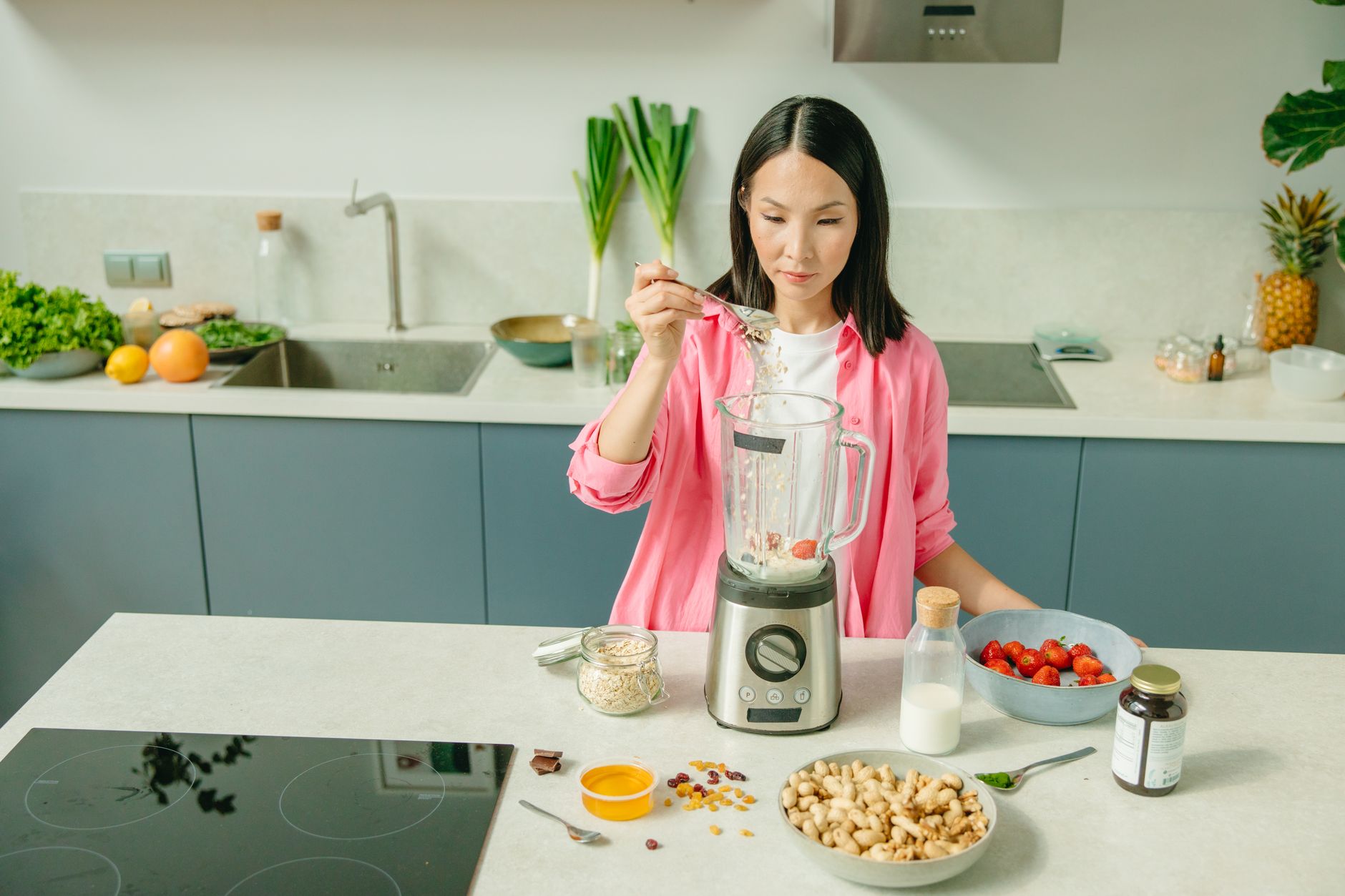
To translate nutritional science into a practical daily habit, focus on constructing smoothies with a balance of macronutrients and specific, evidence-backed ingredients. This approach aims to support sustained energy, reduce oxidative stress, and provide substrates for neurotransmitter synthesis, which may contribute to optimal cognitive function over time.
Core Principles for Formulation
A well-structured smoothie should include components from the following categories:
- Liquid Base: Water, unsweetened almond milk, or green tea. These provide hydration without excessive added sugars that can lead to energy crashes.
- Fiber & Phytonutrients: A large handful of leafy greens (spinach, kale) or half an avocado. These add fiber for gut health and a steady glucose release, alongside antioxidants like lutein.
- Quality Protein/Fat: A tablespoon of nut butter, chia seeds, or hemp seeds. Healthy fats are crucial for brain cell structure, while protein aids satiety and provides amino acids.
- Targeted Cognitive Support: This is where you incorporate ingredients with specific research. Consider:
- Stronger Evidence: Berries (blueberries, strawberries) are consistently linked in observational and some interventional studies to slower cognitive decline, attributed to anthocyanins.
- Promising but Preliminary Evidence: Turmeric (with black pepper to enhance curcumin absorption) or cocoa powder. Laboratory and some human trials suggest anti-inflammatory and neuroprotective properties, but optimal doses and long-term effects require more research.
Clinical Perspective: Think of a cognitive-supportive smoothie as a nutrient-dense meal supplement, not a "quick fix." The benefits are cumulative and related to overall dietary patterns. Instant effects on complex cognition are not supported by robust evidence; perceived boosts are more likely due to improved hydration and blood sugar stabilization compared to a skipped meal or sugary alternative.
Implementation and Cautions
Start with one simple recipe and maintain consistency. For example, blend spinach, frozen blueberries, almond butter, unsweetened almond milk, and a dash of cinnamon.
Important Considerations:
- Be mindful of total calorie and sugar content, especially if using sweetened yogurts or multiple fruits, to avoid unintended weight gain.
- Individuals on blood thinners (e.g., warfarin) should maintain consistent vitamin K intake (found in leafy greens) and consult their physician before making significant dietary changes.
- Those with kidney disease may need to monitor potassium levels from ingredients like spinach and avocado.
- Anyone with food allergies, gastrointestinal disorders, or a history of eating disorders should tailor recipes carefully and discuss changes with a healthcare provider or registered dietitian.
Ultimately, these smoothies are best viewed as one component of a broader, brain-healthy lifestyle that includes regular physical activity, adequate sleep, and cognitive stimulation.
5. When to Consult a Healthcare Professional

While dietary strategies, including nutrient-dense smoothies, are a valuable component of a brain-healthy lifestyle, they are not a substitute for professional medical evaluation and care. The concept of an "instant" cognitive boost from any food or supplement is often overstated and not supported by robust clinical evidence. Sustained cognitive health is built on long-term habits, not single interventions.
It is essential to consult a healthcare professional in the following scenarios:
- Experiencing New or Worsening Cognitive Symptoms: If you notice persistent issues with memory, concentration, confusion, or mood changes, these could be signs of an underlying medical condition (e.g., thyroid dysfunction, vitamin B12 deficiency, neurological issues) that requires diagnosis and specific treatment.
- Managing a Chronic Health Condition: Individuals with conditions such as diabetes, kidney disease, liver disease, or cardiovascular issues must ensure that any dietary modification, including changes in fruit/vegetable intake or supplement use, is safe and does not interfere with their management plan or medications.
- Taking Medications: Certain ingredients commonly promoted for cognitive health (e.g., high-dose vitamin K, grapefruit, St. John's Wort, specific herbal extracts) can interact with prescription drugs, including blood thinners, antidepressants, and statins, altering their efficacy or causing adverse effects.
- Planning for Pregnancy, Are Pregnant, or Breastfeeding: Nutritional needs and safety profiles change significantly during these periods. Some ingredients may be contraindicated.
- History of Eating Disorders or Food Allergies/Intolerances: Focusing intensely on "perfect" food formulas can be triggering. Furthermore, novel ingredients may pose allergy risks.
Clinical Perspective: From a medical standpoint, a patient presenting with cognitive concerns warrants a comprehensive workup. A clinician's role is to rule out treatable causes before attributing symptoms to lifestyle factors alone. We view dietary interventions as supportive adjuncts, not primary therapies, for cognitive conditions. Always disclose all supplements and dietary changes to your physician to ensure integrated and safe care.
In summary, proactively seeking medical advice ensures that a focus on nutritional support is part of a safe, personalized, and evidence-based approach to overall health. It is the responsible step that separates general wellness practices from targeted clinical care.
6. Questions & Expert Insights
Can a smoothie really improve my brain function "instantly"?
While certain nutrients can influence brain chemistry and blood flow relatively quickly, the term "instantly" is often an overstatement. Ingredients like caffeine (from coffee or matcha) can increase alertness within 15-45 minutes by blocking adenosine receptors. Nitrate-rich foods like spinach or beetroot may improve blood flow to the brain within a few hours, potentially aiding focus. However, these are acute, transient effects, not a fundamental or permanent enhancement of cognitive function. The concept of a "secret formula" is misleading; the benefits come from known nutritional biochemistry. Sustainable cognitive health is built on long-term dietary patterns, sleep, and exercise, not a single beverage.
What are the risks or side effects of these "cognitive-enhancing" smoothies?
While generally safe for most people, these smoothies can pose risks depending on ingredients and individual health. High doses of certain components can be problematic: excessive caffeine can cause anxiety, jitteriness, and disrupt sleep. Large amounts of high-oxalate greens (like spinach) may contribute to kidney stones in susceptible individuals. Adding many high-sugar fruits or sweeteners can spike blood glucose, which is counterproductive for long-term brain health and a concern for diabetics. Furthermore, relying on a smoothie for a cognitive "fix" can distract from investigating more significant, treatable causes of brain fog, such as thyroid disorders, sleep apnea, or medication side effects.
Who should avoid or be very cautious with these types of smoothies?
Several groups should exercise caution or consult a doctor first. Individuals with kidney disease need to monitor potassium and oxalate intake from greens like spinach and kale. Those with histamine intolerance may react to ingredients like avocado, banana, or citrus. People on blood-thinning medications (e.g., warfarin) must maintain consistent vitamin K intake (found in leafy greens), as sudden increases can interfere with medication efficacy. Individuals with irritable bowel syndrome (IBS) may experience bloating or discomfort from high-FODMAP ingredients like mango, apple, or certain nuts. Anyone with a history of eating disorders should be wary of any protocol that overly moralizes or restricts food.
When should I talk to a doctor about my cognitive concerns, and what should I bring to the appointment?
Consult a physician if you experience persistent, worsening, or concerning cognitive symptoms like frequent memory lapses, difficulty concentrating that impacts daily work, confusion, or word-finding problems. This is especially important if symptoms are new. Before the appointment, prepare a brief log: note the specific symptoms, their frequency and timing, and any potential triggers or alleviating factors. Bring a complete list of all medications and supplements, including dosages. Be ready to discuss your diet, sleep patterns, stress levels, and exercise habits. If you are experimenting with smoothies or other supplements, bring the specific recipes or product labels. This information helps your doctor differentiate between lifestyle-related brain fog and symptoms that may warrant further investigation for conditions like nutrient deficiencies, hormonal imbalances, or neurological issues.
7. In-site article recommendations
Related articles (placeholder links):
Targeted Strength Training Combined with Protein-rich Meal PlansHow to Transform Your Metabolism with Targeted Macronutrient RatiosThe Truth About GLP-1 Alternatives — What 2026 Studies Actually Reveal5 Essential Strength Training Moves That Boost Fat Loss — Backed by Science2026 Guide to Effective Meal Prep — What 85- of Beginners Overlook8. External article recommendations
External resources (placeholder):