
1. Introduction to HIIT and the Often Overlooked Element
High-Intensity Interval Training (HIIT) is a structured exercise protocol characterized by alternating short bursts of near-maximal or maximal effort with periods of lower-intensity recovery or complete rest. Its popularity stems from a robust body of evidence demonstrating its time-efficient benefits for improving cardiorespiratory fitness, insulin sensitivity, and body composition.
The fundamental principle of HIIT is to create a potent metabolic stimulus. The intense work periods push physiological systems—such as the cardiovascular and musculoskeletal systems—to a high level of stress, which the body then adapts to during the recovery phases. This cycle, when repeated, drives significant physiological adaptations. Key components that define a HIIT session include:
- Work Interval Intensity: Typically performed at 80-95% of maximum heart rate or perceived exertion rated as "very hard" to "all-out."
- Recovery Interval: Active recovery (e.g., walking) or passive rest, crucial for allowing partial physiological recovery to sustain the next work bout.
- Work-to-Rest Ratio: Often ranges from 1:1 to 1:4, tailored to fitness level and session goals.
- Total Volume: The sum of high-intensity work is usually kept low (often 10-30 minutes total, excluding warm-up and cool-down) to manage overall fatigue and injury risk.
While the focus is often placed on the intensity and duration of the work intervals, a critical and frequently overlooked element lies in the quality and structure of the recovery phase. Many practitioners either shorten recovery excessively, turning the session into unsustainable, continuous high-intensity work, or they use recovery passively without regard for its role in optimizing the subsequent work interval. The recovery period is not merely a pause; it is an active component of the training stimulus that dictates the quality of each high-intensity effort and influences the session's overall metabolic and neuromuscular impact.
Clinical Perspective: From an exercise physiology standpoint, the recovery interval is where a significant portion of the adaptive signaling occurs. Inadequate recovery compromises the power output and technical form of subsequent sprints, reducing the intended stimulus and increasing injury risk. Furthermore, individuals with underlying cardiovascular conditions, uncontrolled hypertension, or who are new to vigorous exercise should consult a physician before initiating a HIIT program. The high hemodynamic stress requires appropriate screening and progression.
This introductory understanding sets the stage for examining why the nuanced management of recovery—rather than just the pursuit of maximal effort—is the element that often separates effective, sustainable HIIT from potentially ineffective or hazardous exercise.
2. Evidence and Mechanisms Behind Recovery in HIIT

High-Intensity Interval Training (HIIT) is not solely defined by its work intervals; the recovery periods are an integral, active component of the physiological stimulus. The evidence for structured recovery is robust, with mechanisms operating across multiple bodily systems to facilitate adaptation and reduce injury risk.
Physiological Mechanisms of Active Recovery
The primary function of recovery phases is to create a specific metabolic and hormonal environment. Key mechanisms include:
- Lactate Clearance & Energy System Replenishment: Active recovery (e.g., light jogging or cycling) maintains blood flow, enhancing the rate at which lactate is shuttled to muscles and organs for use as fuel. This also aids in the partial restoration of phosphocreatine stores, allowing for higher-quality efforts in subsequent work intervals.
- Autonomic Nervous System Modulation: HIIT creates a significant sympathetic ("fight-or-flight") drive. The recovery period initiates a parasympathetic ("rest-and-digest") response, helping to lower heart rate and blood pressure between bouts. This oscillation is believed to improve cardiovascular autonomic regulation over time.
- Hormonal Signaling: The stress of the work interval elevates hormones like catecholamines and growth hormone. The recovery period allows these signals to circulate and initiate cellular repair and adaptation processes without being immediately suppressed by continuous, exhaustive effort.
Evidence for Structured vs. Passive Recovery
Research comparing active and passive (complete rest) recovery in HIIT protocols shows nuanced outcomes. Strong evidence indicates that active recovery:
- Improves performance within a single session (e.g., more consistent power output across intervals).
- Leads to faster heart rate recovery, a marker of cardiovascular fitness.
However, evidence is more mixed regarding its superiority for long-term adaptations like VO2 max improvement or body composition changes. Some studies suggest passive recovery may allow for greater mechanical power in each interval, which could be beneficial for power-specific adaptations. The optimal approach likely depends on the primary training goal.
Clinical Perspective: From a practical and safety standpoint, active recovery is often advised. It prevents blood pooling in the extremities, helps maintain core temperature, and may reduce sensations of lightheadedness. The key is intensity—recovery should be truly low-intensity, allowing for conversational speech. For individuals with cardiovascular conditions or who are new to exercise, passive recovery may be initially more appropriate to manage overall cardiac load.
Who Should Proceed with Caution: Individuals with pre-existing cardiovascular conditions, uncontrolled hypertension, or orthopedic injuries should consult a physician or physical therapist before undertaking HIIT. The stress of intense intervals coupled with the hemodynamic shifts during recovery requires a baseline level of health and fitness. Proper recovery protocol is especially critical in these populations.
3. Risks, Contraindications, and Populations to Avoid HIIT

While High-Intensity Interval Training (HIIT) offers significant benefits, its demanding nature inherently carries risks. A responsible approach requires understanding who should avoid it and who must proceed with extreme caution under professional guidance.
Absolute Contraindications and High-Risk Populations
HIIT is not appropriate for everyone. Individuals with the following conditions should avoid initiating a HIIT program without explicit clearance from a qualified healthcare provider:
- Unstable Cardiovascular Disease: This includes uncontrolled hypertension, recent myocardial infarction, unstable angina, severe valvular disease, or heart failure. The acute hemodynamic stress of HIIT can be dangerous.
- Unmanaged Metabolic Conditions: Such as uncontrolled Type 1 or Type 2 diabetes, due to the risk of dangerous blood glucose fluctuations.
- Active Musculoskeletal Injuries: The high-impact nature of many HIIT exercises can exacerbate acute injuries in joints, tendons, or ligaments.
- Pregnancy (with specific caveats): While moderate exercise is generally encouraged, high-intensity exercise may pose risks, particularly in the third trimester or with certain pregnancy-related conditions. Obstetrician approval is essential.
Populations Requiring Medical Consultation & Modified Programming
For others, HIIT may be possible with careful modification and supervision. A pre-participation medical evaluation is strongly advised for:
- Individuals with a sedentary lifestyle or who are deconditioned.
- Those with stable, managed chronic conditions (e.g., controlled hypertension, stable coronary artery disease, osteoarthritis).
- Older adults, due to increased risk of falls and orthopedic injury.
- Individuals with a history of exercise-induced asthma.
- People with a history of disordered eating, as the intense focus on performance can trigger unhealthy patterns.
Clinical Perspective: The principle of progressive overload is paramount. For at-risk populations, "high intensity" must be individually calibrated—it may mean brisk walking intervals for one person and sprinting for another. The key is achieving a relative, not absolute, high intensity. A qualified exercise physiologist or physiotherapist can design a safe, effective program that respects medical boundaries.
Common Risks and Overtraining
Even for apparently healthy individuals, improper HIIT programming carries risks. These include:
- Overuse Injuries: Tendinopathies and stress fractures from excessive volume or inadequate recovery.
- Rhabdomyolysis: Though rare, this serious condition of muscle breakdown can occur with extreme, unaccustomed exertion.
- Cardiovascular Strain: While evidence is mixed, some studies suggest potential for transient adverse cardiac remodeling in extreme endurance athletes; the relevance to recreational HIIT is unclear but underscores the need for periodization.
- Burnout and Immune Suppression: Chronic high-intensity training without adequate rest can lead to non-functional overreaching, negatively impacting mood, sleep, and immune function.
Ultimately, HIIT is a powerful tool, but it is not a universal prescription. The most significant risk may be ignoring one's own medical history and current physical state in pursuit of a generic workout ideal. Consulting a physician is a non-negotiable first step for anyone with pre-existing conditions or significant health concerns.
4. Practical Takeaways for Safe HIIT Implementation
To harness the benefits of High-Intensity Interval Training (HIIT) while mitigating its inherent risks, a structured, evidence-based approach is essential. The following practical takeaways are designed to guide safe and effective implementation.
1. Prioritize a Comprehensive Warm-Up and Cool-Down
Evidence strongly supports that a dynamic warm-up of 8-10 minutes, including movements that increase heart rate and mobilize major joints, significantly reduces the risk of musculoskeletal injury. A proper cool-down with 5-10 minutes of light activity and static stretching may aid in recovery and reduce delayed onset muscle soreness (DOMS), though the evidence for this specific benefit is more variable.
2. Master the "Work-to-Rest" Ratio
The core of HIIT is the interval structure. For beginners, a conservative work-to-rest ratio of 1:3 or 1:2 (e.g., 20 seconds of high effort followed by 60-40 seconds of complete or active recovery) is recommended. This allows for adequate physiological recovery between bouts, helping to maintain form and intensity. As fitness improves, this ratio can gradually be adjusted toward 1:1.
3. Define "High Intensity" Subjectively
While laboratory measures define high intensity as ≥80% of maximum heart rate or VO₂ max, a practical and validated tool is the Rating of Perceived Exertion (RPE) scale. During work intervals, aim for an RPE of 7-8 on a 10-point scale (where 10 is maximal exertion). This is a level where speaking more than a few words is difficult. Using RPE helps auto-regulate intensity based on daily readiness.
- Start Modestly: Begin with 1-2 HIIT sessions per week, separated by at least 48 hours of recovery or low-intensity activity.
- Focus on Form: Never sacrifice exercise technique for speed or power, especially when fatigued.
- Progress Gradually: Increase volume (total work interval time) or intensity before frequency. A 10% weekly increase is a common, cautious guideline.
Clinical Insight: The most common error in HIIT implementation is neglecting true recovery periods, turning the session into sustained, high-intensity pain. The physiological adaptations—like improved stroke volume and mitochondrial biogenesis—are triggered by the intense bursts but are consolidated during the recovery phases. Incomplete recovery compromises both the stimulus and safety.
Important Precautions and Contraindications
HIIT imposes significant acute cardiovascular and musculoskeletal stress. Individuals with known or suspected cardiovascular disease, uncontrolled hypertension, significant orthopedic limitations, or who are currently sedentary should obtain medical clearance before starting. Those with metabolic conditions like diabetes should monitor blood glucose closely, as HIIT can cause sharp fluctuations. Pregnant individuals and those with a history of exercise intolerance should seek guidance from a relevant specialist.
Ultimately, HIIT is a potent tool within a broader fitness paradigm. It should complement, not replace, foundational strength training, mobility work, and lower-intensity cardiovascular activity for a balanced and sustainable approach to health.
5. Safety Considerations and When to Consult a Healthcare Professional
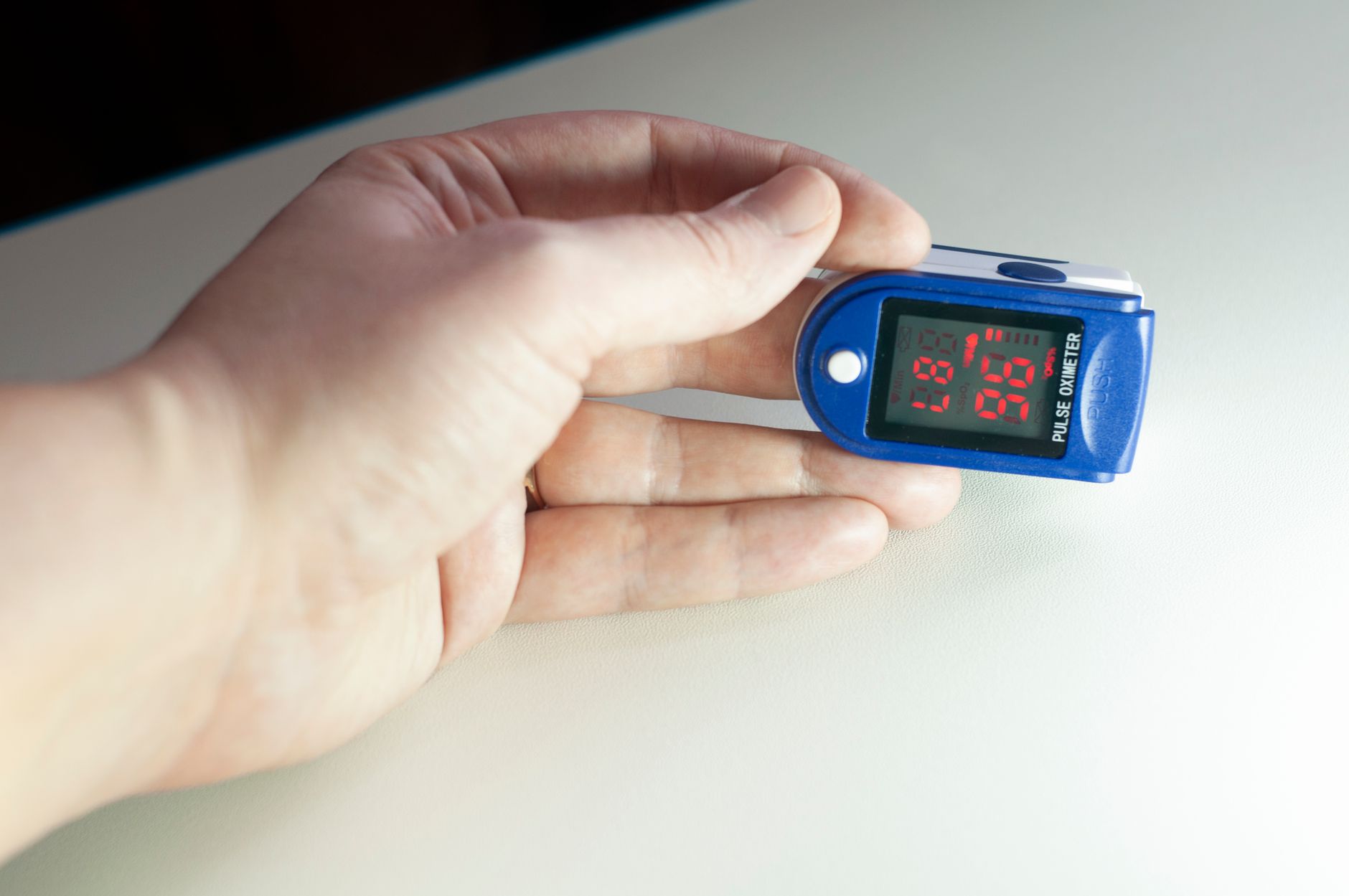
While High-Intensity Interval Training (HIIT) offers significant benefits, its demanding nature inherently carries a higher risk of injury and adverse events compared to moderate-intensity exercise. A responsible approach requires acknowledging these risks and identifying who should seek professional guidance before starting.
Key Safety Considerations
The primary risks associated with HIIT include musculoskeletal injury, cardiovascular strain, and overtraining. The rapid, explosive movements common in many HIIT protocols place substantial stress on joints, tendons, and ligaments. Without proper technique, progressive overload, and adequate recovery, this can lead to acute injuries like sprains or chronic issues such as tendinopathy.
From a cardiovascular perspective, while HIIT is generally safe for healthy individuals, the intense work intervals cause significant, transient increases in heart rate and blood pressure. This underscores the importance of a proper warm-up and cool-down to help manage these hemodynamic shifts.
Who Should Consult a Healthcare Professional First?
It is strongly recommended that individuals with known or suspected health conditions consult a physician—and often a qualified exercise physiologist or physical therapist—before initiating a HIIT program. This is not merely a precaution; it is a critical safety step.
- Cardiovascular Conditions: Individuals with diagnosed heart disease, uncontrolled hypertension, a history of arrhythmias, or who have experienced chest pain, dizziness, or palpitations with exertion.
- Musculoskeletal Issues: Those with recent injuries, chronic joint pain (e.g., knee, shoulder, back), osteoarthritis, or osteoporosis.
- Metabolic Conditions: Individuals with poorly controlled diabetes, due to potential impacts on blood glucose during intense exertion.
- Other Considerations: Pregnant individuals, especially if new to vigorous exercise, and those with respiratory conditions like severe asthma should seek tailored advice.
Furthermore, anyone who is sedentary or returning to exercise after a long hiatus should undergo a gradual build-up of fitness, potentially starting with moderate-intensity continuous training, before considering structured HIIT. The evidence for HIIT's benefits is robust, but its application must be individualized. A healthcare professional can help assess personal risk factors and guide a safe entry point or appropriate modifications.
6. Questions & Expert Insights
Is there really a "key element" most people miss in HIIT, and what is it?
The "key element" often referenced in this context is not a specific exercise, but the principle of adequate recovery—both within and between sessions. HIIT is defined by brief, near-maximal efforts interspersed with active recovery periods. Many individuals, eager for results, shorten their recovery intervals or work at an intensity that is unsustainable, effectively turning HIIT into steady-state, high-intensity exercise. This undermines the protocol's physiological intent and increases injury risk. Evidence indicates that the potency of HIIT for improving cardiorespiratory fitness and metabolic health hinges on the contrast between the work and rest phases. Properly structured recovery allows for higher quality efforts during work intervals and is crucial for the desired adaptive response.
What are the main risks or side effects of improperly performed HIIT, and who should be especially cautious?
Improperly performed HIIT—characterized by excessive intensity, insufficient recovery, or poor technique—significantly elevates the risk of overuse injuries (e.g., tendonitis, stress fractures), acute musculoskeletal injuries, and cardiovascular strain. Overtraining syndrome, marked by persistent fatigue, mood disturbances, and performance decline, is another potential consequence. Certain populations should approach HIIT with particular caution or avoid it without direct medical clearance: individuals with untreated or unstable cardiovascular conditions, uncontrolled hypertension, or a history of serious cardiac events. It is also generally not recommended for those new to exercise, with significant musculoskeletal limitations, or during acute illness.
When should I talk to a doctor before starting or changing a HIIT program, and what should I discuss?
Consult a physician or a qualified exercise professional (like a clinical exercise physiologist) if you have any pre-existing medical conditions, are taking medications (especially for heart or blood pressure), are pregnant or postpartum, are returning to exercise after a long hiatus, or are experiencing any unexplained symptoms like chest discomfort, dizziness, or joint pain. For the conversation, come prepared to discuss: 1) Your specific health history and current medications, 2) Your previous exercise experience, 3) The specific HIIT protocol you're considering (frequency, intensity, duration), and 4) Your primary fitness goals. This information allows for personalized, risk-stratified advice.
How strong is the evidence for HIIT's benefits compared to other exercise forms, and what are its limitations?
High-quality systematic reviews and meta-analyses robustly support HIIT's efficacy for improving cardiorespiratory fitness (VO₂ max) and insulin sensitivity, often in less time than moderate-intensity continuous training (MICT). However, evidence for superior fat loss is mixed, and outcomes for blood pressure or lipids are generally comparable to MICT. Important limitations exist: much research uses supervised, laboratory-based protocols on young, healthy adults, which may not translate directly to real-world, unsupervised settings. Long-term adherence to very high-intensity protocols can be challenging. The "best" exercise modality is highly individual, depending on goals, preferences, injury history, and risk factors. HIIT is a powerful tool but not a universally superior one.
7. In-site article recommendations
8. External article recommendations
9. External resources
The links below point to reputable medical and evidence-based resources that can be used for further reading. Always interpret them in the context of your own situation and your clinician’s advice.
-
examine examine.comHIIT – Examine.com (search)
-
healthline healthline.comHIIT – Healthline (search)
-
wikipedia wikipedia.orgHIIT – Wikipedia (search)
These external resources are maintained by third-party organisations. Their content does not represent the editorial position of this site and is provided solely to support readers in accessing additional professional information.