
1. Introduction to Chia Seeds and Digestive Health

Chia seeds (Salvia hispanica L.) are small, nutrient-dense seeds that have been consumed for centuries. In contemporary nutrition, they are often highlighted for their potential role in supporting digestive health, a concept sometimes framed as "body cleansing." From a clinical perspective, this refers to supporting the body's intrinsic detoxification and elimination pathways, primarily through the promotion of regular bowel function and a healthy gut environment.
The primary mechanism by which chia seeds may influence digestive health is their exceptionally high content of dietary fiber. A standard one-ounce (28-gram) serving provides about 10 grams of fiber, which is a significant portion of the recommended daily intake.
- Soluble Fiber: This type forms a gel-like substance when mixed with water. In the digestive tract, it can slow digestion, potentially helping to regulate blood sugar and create a feeling of fullness.
- Insoluble Fiber: This component adds bulk to stool and helps material move more quickly through the intestines, supporting regularity.
The evidence supporting the benefits of dietary fiber for bowel regularity and overall digestive health is robust and well-established by numerous epidemiological and interventional studies. The fiber in chia seeds acts as a prebiotic, serving as fuel for beneficial gut bacteria, which is a key area of ongoing research into gut microbiome health.
It is crucial to approach this information with balance. Increasing fiber intake should be done gradually to allow the gastrointestinal system to adapt, thereby minimizing potential side effects like bloating or gas. Furthermore, adequate hydration is non-negotiable when consuming chia seeds, especially in their dry form or when allowed to gel, to prevent the risk of intestinal blockage.
Individuals who should exercise caution or consult a healthcare provider before significantly increasing chia seed intake include: those with a history of swallowing difficulties, esophageal strictures, or major gastrointestinal surgeries; individuals with inflammatory bowel disease (IBD) during a flare; and those on specific medications or with kidney disease, as chia seeds are also a source of minerals like phosphorus. As with any dietary change, personalized medical advice is recommended.
2. Scientific Evidence on Chia Seeds and Mechanisms
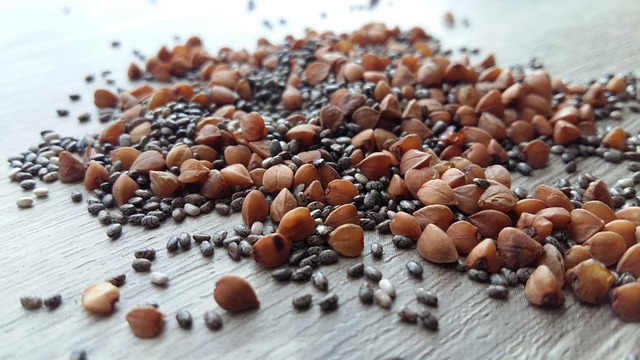
The concept of "body cleansing" is not a formal medical term, but chia seeds (Salvia hispanica L.) are a nutrient-dense food with properties that may support certain physiological functions associated with detoxification and digestive health. The primary mechanisms are linked to their high fiber content, antioxidant profile, and anti-inflammatory potential.
Key Mechanisms of Action
The proposed benefits of chia seeds are grounded in several well-documented nutritional properties:
- Soluble Fiber and Digestive Transit: Chia seeds are exceptionally high in soluble fiber, primarily mucilage. When mixed with water, they form a gel that can slow digestion, promote satiety, and act as a prebiotic. This gel may help bind to waste products and support regular bowel movements, which is a fundamental route for the elimination of metabolic byproducts.
- Antioxidant Activity: Chia seeds contain compounds like chlorogenic acid, caffeic acid, and flavonoids. In vitro and animal studies suggest these antioxidants can help neutralize free radicals, potentially reducing oxidative stress—a contributor to cellular damage and chronic disease.
- Anti-inflammatory Effects: The seeds are a rich source of alpha-linolenic acid (ALA), an omega-3 fatty acid. ALA is a precursor to other anti-inflammatory compounds in the body. Chronic, low-grade inflammation can impair organ function, and modulating it is considered supportive of overall systemic health.
Evaluating the Evidence
It is crucial to distinguish between mechanistic data and clinical outcomes in humans.
Stronger Evidence: The high fiber and nutrient composition of chia seeds is unequivocal. Human studies consistently show that incorporating chia seeds can improve markers of cardiovascular health, such as lowering LDL cholesterol and blood pressure, particularly in individuals with dyslipidemia or hypertension.
Limited or Indirect Evidence: Direct, high-quality human trials specifically investigating chia seeds for "cleansing" or "detoxification" are scarce. Most claims are extrapolated from their known effects on digestion, antioxidant capacity, and inflammation. While the mechanisms are plausible, they should not be equated with proven, standalone detoxification therapies.
Clinical Perspective: From a medical standpoint, the body's primary detoxification organs—the liver and kidneys—are highly efficient. No single food "cleanses" these systems. However, a diet rich in high-fiber, antioxidant foods like chia seeds can reduce the metabolic burden on these organs by supporting gut health and reducing oxidative stress. They are a supportive component of a healthy diet, not a curative treatment.
Who Should Exercise Caution: Individuals with a history of dysphagia, esophageal strictures, or significant gastrointestinal disorders should consume chia seeds with ample water to avoid blockage. Those on blood-thinning medications or with upcoming surgeries should consult a doctor due to chia's potential (though mild) antiplatelet effects. As with any significant dietary change, consultation with a physician or dietitian is advised.
3. Risks and Contraindications for Chia Seed Use
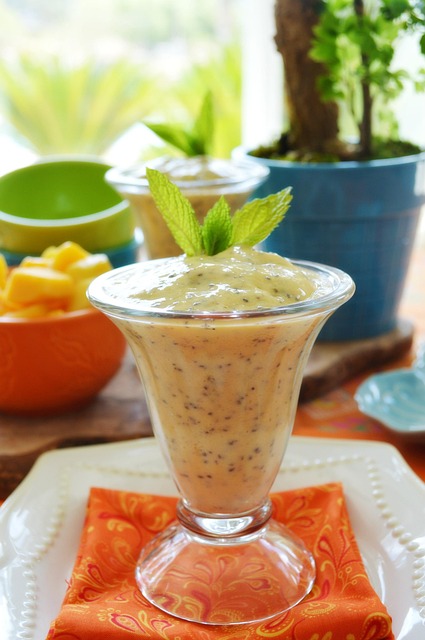
While chia seeds are generally considered safe for most people when consumed in typical dietary amounts, their unique physical and nutritional properties necessitate specific precautions. A clinically responsible approach requires awareness of potential adverse effects and clear contraindications.
Primary Physical Risks: Gastrointestinal and Obstruction
The most well-documented risks stem from their high soluble fiber content and ability to absorb 10–12 times their weight in water. Consuming dry seeds without sufficient liquid poses a significant choking or esophageal obstruction hazard, particularly for individuals with swallowing difficulties. Even when prepared correctly, a rapid increase in fiber intake can cause:
- Abdominal bloating, cramping, and flatulence.
- Constipation or, conversely, diarrhea.
- Exacerbation of symptoms in individuals with inflammatory bowel disease (IBD) during a flare.
Specific Medical Conditions and Medication Interactions
Certain populations should exercise caution or avoid chia seeds without direct medical consultation:
- Individuals on Blood-Thinning Medications: Chia seeds are a source of alpha-linolenic acid (ALA), an omega-3 fatty acid with mild antiplatelet effects. While the evidence for clinically significant interaction is limited, patients on warfarin, aspirin, or other anticoagulants should discuss consistent intake with their physician to avoid potential interference with therapeutic INR levels.
- Those with Hypotension or Upcoming Surgery: Anecdotal reports and preliminary studies suggest high doses may lower blood pressure. Individuals with already low blood pressure or those scheduled for surgery should inform their care team.
- People with Kidney Disease: Chia seeds are a concentrated source of phosphorus and potassium. In advanced chronic kidney disease (CKD), impaired mineral excretion can lead to dangerous electrolyte imbalances (hyperkalemia, hyperphosphatemia).
- Individuals with Seed Allergies: Though rare, allergic reactions to chia seeds have been reported. Those with known allergies to mustard, sesame, or other seeds may be at higher risk.
Clinical Perspective: The key to safe consumption is gradual introduction and proper preparation. Always soak chia seeds in ample liquid for at least 5–10 minutes before consumption to form a gel, mitigating obstruction risk. Start with a small dose (e.g., one teaspoon daily) and increase slowly over weeks to allow the gastrointestinal microbiome to adapt. For patients with chronic conditions or complex medication regimens, a discussion with a doctor or dietitian is a necessary step before making chia seeds a dietary staple.
In summary, while chia seeds offer nutritional benefits, they are not universally appropriate. Acknowledging these risks and contraindications is essential for integrating them safely into a health regimen.
4. Practical Recommendations for Incorporating Chia Seeds
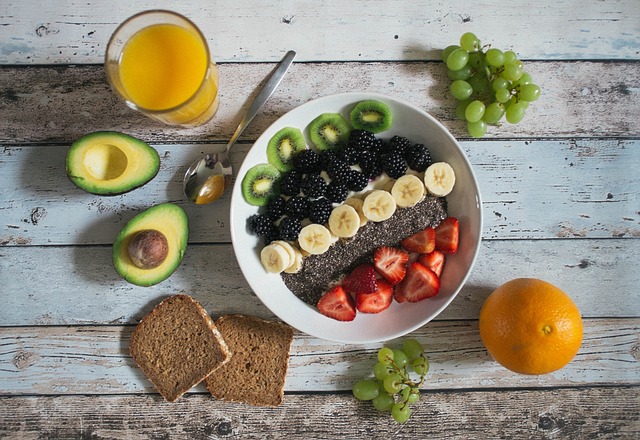
To incorporate chia seeds into your diet in a safe and potentially beneficial manner, a gradual and measured approach is recommended. This allows your digestive system to adapt to the significant increase in soluble fiber.
Starting Dosage and Preparation
Begin with a modest serving of approximately one teaspoon (about 5 grams) per day. A key step is to soak the seeds in a liquid (water, milk, or a plant-based alternative) for at least 15-30 minutes, or ideally overnight. This forms a gel, which is the primary mechanism for their proposed digestive and satiety effects. Consuming dry chia seeds is not advised, as they can absorb water in the esophagus and pose a choking risk or cause gastrointestinal blockage.
Methods of Incorporation
Soaked chia seeds are versatile and can be added to various foods and beverages:
- Beverages: Stir into water, smoothies, or herbal tea.
- Breakfast: Mix into oatmeal, yogurt, or cereal.
- Baking: Use the gel as an egg substitute in some recipes or add whole seeds to bread, muffins, or pancakes.
- Puddings: Combine with milk and flavorings like vanilla or cocoa powder for a simple chia pudding.
Clinical Perspective: While chia seeds are a source of fiber, omega-3s (ALA), and minerals, claims of "body cleansing" or "detoxification" are not supported by clinical physiology. The body's liver and kidneys perform these functions efficiently. The primary evidence-based benefits of chia seeds relate to increasing dietary fiber intake, which can support regular bowel movements and promote a feeling of fullness. Their impact on cholesterol and blood sugar, while promising in some studies, is based on mixed evidence and should not be considered a substitute for medical management.
Important Cautions and Contraindications
Certain individuals should exercise caution or consult a healthcare provider before significantly increasing chia seed intake:
- Digestive Conditions: Those with inflammatory bowel disease (IBD), diverticulitis, or a history of bowel obstruction should seek medical advice.
- Blood Thinners: Due to a theoretical interaction with vitamin K and potential blood-thinning effects, individuals on anticoagulant medications (e.g., warfarin) should discuss consumption with their doctor.
- Swallowing Difficulties: Individuals with dysphagia must ensure seeds are thoroughly soaked.
- Hydration: Increased fiber intake requires adequate fluid consumption to prevent constipation.
A practical starting point is to view chia seeds as a nutritional supplement to a balanced diet, not a standalone cleansing agent. Monitor your body's response and increase the serving size slowly, up to a maximum of one to two tablespoons per day, if well-tolerated.
5. When to Consult a Healthcare Professional

While incorporating chia seeds into a balanced diet is generally safe for most healthy adults, certain health conditions and scenarios warrant professional medical consultation. The high fiber and specific nutrient profile of chia seeds can interact with underlying health issues or medications, making personalized advice essential.
You should consult a healthcare professional, such as a physician or registered dietitian, before significantly increasing your chia seed intake if you fall into any of the following categories:
- Individuals with gastrointestinal disorders: Those with a history of inflammatory bowel disease (IBD), diverticulitis, or significant irritable bowel syndrome (IBS) may experience exacerbation of symptoms like bloating, gas, or abdominal pain from the sudden increase in soluble fiber.
- People with swallowing difficulties or esophageal strictures: When chia seeds are consumed dry or without adequate liquid, they can absorb saliva and moisture in the throat, posing a risk of obstruction. This is a serious concern for individuals with dysphagia.
- Those on specific medications: The high soluble fiber content can potentially slow the absorption of some oral medications. It is particularly prudent for individuals on medications for diabetes (due to chia's potential blood sugar-lowering effects) or blood pressure (due to potential blood pressure-lowering effects) to coordinate with their doctor to monitor levels and adjust timing if necessary.
- Individuals with kidney disease or on a potassium-restricted diet: Chia seeds contain a moderate amount of potassium. Patients with compromised kidney function who cannot excrete potassium efficiently should have their intake monitored by a healthcare provider.
- People with a history of food allergies: Although rare, allergic reactions to chia seeds have been documented. Those with known seed allergies should exercise caution.
Clinical Perspective: From a medical standpoint, the concept of "body cleansing" through any single food is not supported by robust evidence. The body's hepatic and renal systems are highly efficient at detoxification. While a fiber-rich diet supports overall digestive health, it is not a substitute for medical treatment. A healthcare professional can help differentiate between evidence-based dietary strategies for health and unsubstantiated cleansing claims, ensuring any dietary change supports your specific health profile.
Finally, if you experience any adverse symptoms after consuming chia seeds—such as severe gastrointestinal distress, signs of an allergic reaction (hives, swelling, difficulty breathing), or unexpected changes in blood sugar or blood pressure readings—discontinue use and seek medical advice. A proactive discussion with your healthcare provider is the safest approach to integrating any new food trend into your wellness plan.
6. Questions & Expert Insights
What does "body cleansing" with chia seeds actually mean, and is it supported by science?
The term "body cleansing" is a popular, non-clinical concept often associated with detoxification or digestive reset. From an evidence-based perspective, chia seeds do not "detox" the body in a medical sense—your liver and kidneys perform that function continuously. However, chia seeds are a rich source of soluble fiber, which forms a gel-like substance in the gut. This can support regular bowel movements and may help promote a feeling of digestive regularity, which some interpret as a "cleanse." The primary benefits are linked to their nutritional profile: high fiber for gut health, omega-3 fatty acids for inflammation, and minerals like magnesium. It's more accurate to view them as a nutritious addition to a balanced diet rather than a standalone cleansing agent.
Are there any risks or side effects, and who should avoid consuming chia seeds for this purpose?
Yes, there are important considerations. The high fiber content, while beneficial, can cause significant gastrointestinal distress—including bloating, gas, and abdominal pain—if intake is increased too rapidly. More seriously, chia seeds absorb 10-12 times their weight in liquid. If consumed dry and without adequate fluid, they can expand in the esophagus and cause a blockage, a dangerous medical emergency. Individuals with a history of swallowing difficulties, esophageal strictures, or certain gastrointestinal disorders like Crohn's disease should be extremely cautious. Those with kidney disease may need to monitor their intake due to chia seeds' notable phosphorus content. People on blood-thinning medications or with upcoming surgeries should consult a doctor due to chia's potential (though mild) blood-thinning effect from its omega-3s.
What should I discuss with my doctor before starting a regimen focused on chia seeds?
It is prudent to consult a physician or a registered dietitian before making significant dietary changes, especially if you have underlying health conditions. Prepare for the conversation by bringing specific information: your current medications (particularly for blood pressure, diabetes, or blood thinning), any history of digestive issues or kidney problems, and the exact amount and method (e.g., soaked vs. dry, grams per day) you plan to consume. Ask your doctor: "Given my medical history and current medications, is there any risk in adding [X amount] of chia seeds daily? Are there specific side effects I should monitor for?" This allows for personalized, safe guidance that generic articles cannot provide.
How strong is the evidence for chia seeds' specific health claims related to cleansing?
The evidence is mixed and context-dependent. Strong, consistent data supports the benefits of dietary fiber for bowel health and satiety, which applies to chia seeds. However, many specific claims—such as "pulling toxins from the colon" or "balancing body pH"—are not supported by robust clinical trials. Most human studies on chia seeds are relatively small, short-term, and focus on cardiovascular risk factors (like lowering LDL cholesterol) or blood sugar modulation in specific populations like type 2 diabetics. The direct leap from these metabolic benefits to a full-body "cleanse" is not scientifically validated. The takeaway is that chia seeds are a healthy food component, but claims of dramatic cleansing effects often extrapolate far beyond the current evidence, which is preliminary for many proposed benefits.
7. In-site article recommendations
8. External article recommendations
9. External resources
The links below point to reputable medical and evidence-based resources that can be used for further reading. Always interpret them in the context of your own situation and your clinician’s advice.
-
healthline healthline.comchia seeds – Healthline (search)
-
wikipedia wikipedia.orgchia seeds – Wikipedia (search)
-
mayoclinic mayoclinic.orgchia seeds – Mayo Clinic (search)
These external resources are maintained by third-party organisations. Their content does not represent the editorial position of this site and is provided solely to support readers in accessing additional professional information.