
1. Introduction to Calorie Tracking Apps in Clinical Context
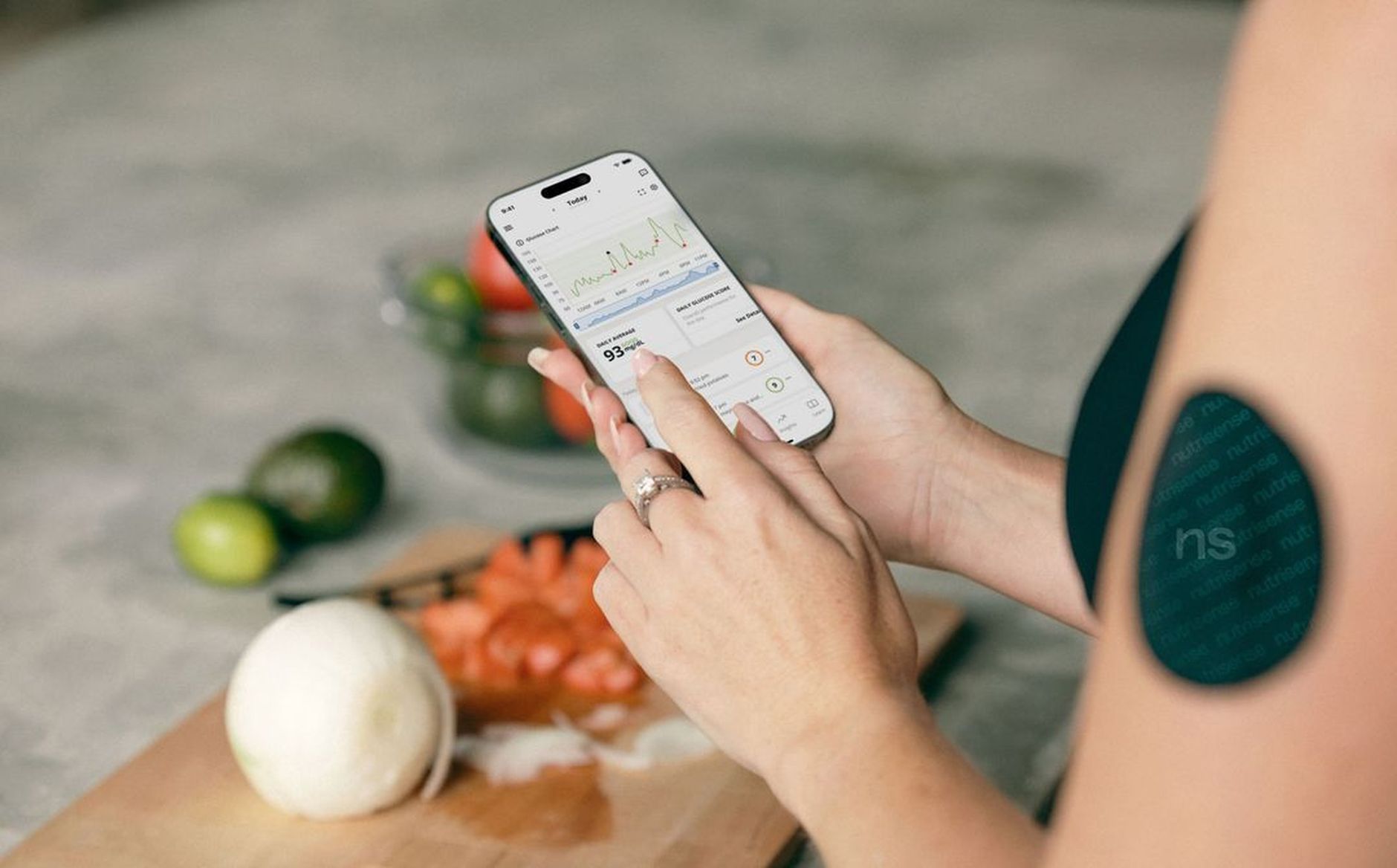
Calorie tracking applications have transitioned from niche tools for fitness enthusiasts to mainstream digital health aids used by millions. In a clinical context, they represent a form of self-monitoring, a behavioral strategy with a long history in weight management and metabolic health. The core premise is that by quantifying dietary intake, individuals can create a calorie deficit or surplus to achieve specific body composition goals, a principle grounded in the first law of thermodynamics.
Evidence from randomized controlled trials suggests that consistent self-monitoring of diet is associated with greater weight loss success. The convenience and extensive food databases of modern apps can lower the barrier to this practice compared to traditional paper diaries. However, the clinical utility and safety of these tools are not uniform and depend heavily on user context, app design, and the underlying evidence base for their specific features.
Key functionalities of these apps typically include:
- Logging food and beverage consumption against daily calorie and macronutrient targets.
- Providing nutritional breakdowns (e.g., protein, fat, carbohydrate, fiber).
- Integrating with activity trackers to estimate net energy balance.
- Offering social features, reminders, and progress charts.
It is crucial to distinguish between the strong evidence for the general principle of dietary self-monitoring and the more limited evidence supporting the long-term efficacy and health outcomes of specific commercial apps. Many studies are short-term, rely on self-reported data, and involve motivated volunteers, which may not reflect real-world use. The accuracy of user-entered data and the comprehensiveness of food databases are significant variables that affect clinical relevance.
Clinical Perspective: From a healthcare provider's viewpoint, these apps are tools, not treatments. Their value is mediated by the user's relationship with food, underlying health conditions, and psychological state. We do not prescribe an app; we may recommend the practice of mindful dietary tracking as part of a broader, supervised therapeutic plan for appropriate patients. The tool's output must be interpreted within a full clinical picture.
Certain populations should exercise particular caution or consult a healthcare professional before using calorie tracking apps. This includes individuals with a current or history of eating disorders, those with obsessive tendencies, pregnant or breastfeeding women, adolescents, and patients with complex chronic conditions like diabetes or kidney disease who require medically tailored nutrition plans. For these groups, unguided tracking can potentially lead to harmful fixation, nutritional inadequacy, or conflict with prescribed medical therapy.
2. Evidence Base and Mechanisms of Action

The clinical utility of calorie tracking applications is supported by the fundamental principle of energy balance, which is well-established in nutritional science. The primary mechanism of action is self-monitoring, a core component of behavioral weight management. By systematically recording dietary intake, users increase their awareness of consumption patterns, portion sizes, and the energy density of foods, which can facilitate more informed and deliberate food choices.
Evidence from randomized controlled trials (RCTs) generally supports the efficacy of dietary self-monitoring for weight loss, particularly in the short to medium term (6-12 months). A 2019 meta-analysis in Obesity concluded that digital self-monitoring of diet and weight was consistently associated with significant weight loss. However, the evidence is nuanced:
- Stronger Evidence: For initial weight loss (up to 6 months) when used as part of a structured behavioral intervention.
- Mixed/Limited Evidence: For long-term weight maintenance (>12 months) and for efficacy as a standalone tool without additional behavioral support. Adherence to consistent logging often declines over time.
The apps leverage several behavioral constructs:
- Feedback Loop: Providing immediate data on progress toward a daily calorie goal.
- Goal Setting: Allowing users to set specific, quantifiable targets.
- Cue Recognition: Helping identify environmental or emotional triggers for eating.
Clinical Perspective: While the mechanism is sound, the accuracy of outcomes depends heavily on the user's consistent and honest logging, which is a significant limitation. Database inaccuracies for food entries and the inherent error in estimating portion sizes can lead to a substantial cumulative error in total daily energy intake, potentially undermining the tool's effectiveness. Clinicians view these apps as a facilitator of awareness, not an infallible calculator.
It is important to note that this approach is not suitable or advisable for everyone. Individuals with a current or history of eating disorders, disordered eating patterns, or high dietary restraint should avoid detailed calorie tracking without direct supervision from a qualified mental health or medical professional. Those with complex medical conditions (e.g., diabetes, kidney disease) or on specific medication regimens should consult their physician or a registered dietitian to ensure a tracking approach aligns safely with their overall management plan.
3. Potential Risks and Contraindications
While calorie tracking apps can be useful tools for data collection, their use is not without potential harm. A clinically responsible approach requires acknowledging these risks to prevent unintended negative health consequences.
Psychological and Behavioral Risks
For some individuals, the act of logging every morsel can foster an unhealthy preoccupation with food and numbers, potentially triggering or exacerbating disordered eating patterns. This is not merely anecdotal; research, including systematic reviews, has consistently linked rigid dietary tracking to increased risk of orthorexic tendencies and eating disorder symptomatology.
- Disordered Eating: Individuals with a history of anorexia, bulimia, binge-eating disorder, or orthorexia should generally avoid these apps unless explicitly recommended and monitored by a treating clinician.
- Increased Anxiety & Guilt: The constant monitoring can create a binary "good vs. bad" food mindset, leading to significant stress, guilt over minor deviations, and an adversarial relationship with food.
- Obsessive Behaviors: The gamification and daily goals can promote compulsive checking and an inability to eat intuitively or socially without logging first.
Nutritional and Metabolic Concerns
Beyond psychology, there are tangible physiological risks. Apps often provide generic calorie targets that may be inappropriate for an individual's unique metabolism, health status, or life stage.
- Inadequate Nutrient Intake: Focusing solely on calories can lead to malnutrition, as users may hit a low calorie target with poor-quality foods, missing essential vitamins, minerals, fiber, and protein.
- Metabolic Adaptation: Prolonged, self-directed severe calorie restriction—often encouraged by aggressive app goals—can downregulate metabolic rate, making long-term weight management more difficult.
- Misleading Data Accuracy: Database inaccuracies are common. Relying on them for precise medical nutrition therapy (e.g., for diabetes or renal disease) can be dangerous.
Clinical Perspective: In practice, we see the most adverse outcomes when these tools are used in isolation, without professional guidance. They lack the nuance to account for medication interactions, hormonal conditions, recovery from illness, or the increased nutritional needs of pregnancy and breastfeeding. A calorie target that is safe for one person can be harmful for another.
Key Contraindications and Precautions
The following groups should exercise extreme caution or avoid calorie tracking apps altogether unless under direct clinical supervision:
- Individuals with a current or past eating disorder.
- Pregnant or breastfeeding women.
- Adolescents and children, due to critical developmental nutritional needs.
- Those with complex chronic conditions (e.g., diabetes, thyroid disorders, kidney disease) who require tailored medical nutrition therapy.
- Anyone experiencing significant anxiety, depression, or OCD traits that may be amplified by restrictive tracking.
Consulting a physician, registered dietitian, or mental health professional before beginning any form of restrictive dietary tracking is a critical safety step. They can help determine if this tool is appropriate and ensure it is integrated into a balanced, health-focused plan rather than a path to fixation.
4. Clinical Guidelines and Practical Applications
While calorie tracking apps are widely used, their application in a clinical or personal health context requires a structured, evidence-informed approach. The primary clinical guideline is that these tools are best used as educational and self-monitoring aids, not as definitive arbiters of dietary quality or metabolic health. Their utility is most strongly supported for short-term weight loss initiation and for building awareness of dietary patterns.
For practical application, consider the following evidence-based steps:
- Set a Foundation First: Before tracking, establish baseline eating habits for 3-5 days without judgment. This identifies patterns, not just numbers.
- Prioritize Accuracy: Use a digital food scale for solid foods, as visual estimates commonly lead to significant under-reporting. Liquid calories and cooking oils are frequently overlooked.
- Focus on Trends, Not Daily Perfection: Clinically, a weekly average is more meaningful than daily micromanagement. This reduces anxiety and accommodates normal dietary variability.
- Integrate Qualitative Data: Log hunger cues, energy levels, and mood alongside food entries. This contextualizes the quantitative data and can reveal connections unrelated to calorie content.
The evidence for long-term efficacy is mixed. While tracking can be effective for initial loss, adherence often wanes, and it does not inherently teach sustainable, mindful eating skills. For weight maintenance, the data is less robust, and a transition to intuitive eating principles is often recommended.
Important Cautions: Individuals with a history of or current eating disorders, obsessive-compulsive tendencies, or significant dietary restraint should generally avoid detailed calorie tracking, as it can exacerbate pathological behaviors. Those with complex medical conditions (e.g., diabetes, kidney disease) or on specific medications must consult their physician or a registered dietitian to ensure tracking supports, rather than conflicts with, their medical management.
In summary, the practical application of these tools should be temporary, precise, and integrated into a broader framework of health that values nutritional quality, satiety, and psychological well-being above a singular calorie count.
5. When to Seek Professional Medical Advice

While calorie tracking apps can be useful tools for general awareness, they are not a substitute for professional medical guidance. Their algorithms are based on population averages and cannot account for individual physiology, medical conditions, or complex nutritional needs. Recognizing when to transition from self-monitoring to seeking expert advice is a critical component of responsible health management.
You should consult a physician, registered dietitian, or other qualified healthcare professional in the following scenarios:
- If you have a pre-existing medical condition such as diabetes (type 1 or 2), thyroid disorders, kidney disease, heart disease, or a history of eating disorders. Calorie and macronutrient targets set by an app may directly conflict with your prescribed medical nutrition therapy.
- If you are taking medications that affect weight, metabolism, or appetite (e.g., insulin, certain antidepressants, corticosteroids). An app cannot adjust for these pharmacological interactions.
- If you experience signs of nutrient deficiency or disordered eating, including extreme fatigue, hair loss, amenorrhea, obsessive thoughts about food and weight, or social withdrawal related to eating habits.
- If you have specific body composition or performance goals beyond general weight loss, such as athletic training, muscle building, or preparing for surgery. These require personalized plans that consider timing, protein distribution, and micronutrients.
- If you are pregnant, breastfeeding, or planning a pregnancy. Nutritional needs during these life stages are highly specific and should not be managed by a generic tracking application.
Clinical Perspective: From a medical standpoint, the most significant risk of using these apps in isolation is the potential to exacerbate or mask underlying conditions. For instance, an app might recommend a calorie level that is dangerously low for someone with a slow metabolism due to hypothyroidism, or it might encourage high protein intake that is contraindicated in someone with compromised kidney function. A professional can interpret app data within the full context of your health history, lab results, and lifestyle.
The evidence supporting the use of calorie tracking for general weight management in otherwise healthy individuals is reasonably strong. However, evidence for its safety and efficacy in complex clinical populations is limited and mixed. Therefore, using an app as a sole intervention in these contexts is not supported by high-quality data and may carry risk.
In summary, treat a calorie tracking app as a potential data-gathering tool to discuss with your healthcare provider, not as an autonomous diagnostic or prescriptive device. Initiating this conversation ensures your approach to nutrition is safe, effective, and tailored to your unique health profile.
6. Questions & Expert Insights
Are calorie-tracking apps scientifically accurate for weight management?
Calorie-tracking apps are tools based on the fundamental principle of energy balance, which is well-supported by science. However, their accuracy has significant limitations. The calorie databases within apps often contain user-generated entries that can be highly inaccurate, sometimes off by 20-30% or more. Furthermore, the apps' estimates for your daily calorie needs (Total Daily Energy Expenditure or TDEE) rely on generalized equations that do not account for individual variations in metabolism, body composition, and non-exercise activity thermogenesis (NEAT). While they can be useful for raising awareness of dietary patterns and creating a consistent framework, they should not be treated as precise metabolic calculators. The most reliable use is observing trends over time rather than fixating on daily numbers.
Who should be cautious or avoid using calorie-tracking apps altogether?
These apps are contraindicated for individuals with a current or history of eating disorders, such as anorexia nervosa, bulimia, or orthorexia. The intense focus on numbers can exacerbate obsessive thoughts, reinforce rigid food rules, and trigger harmful behaviors. Caution is also advised for those with significant anxiety, a tendency toward perfectionism, or a history of yo-yo dieting, as the app can become a source of stress rather than support. Furthermore, individuals with complex medical conditions affecting nutrition (e.g., advanced kidney disease, liver failure, or conditions requiring specialized diets like PKU) should not rely on general calorie apps, as they do not track crucial micronutrients or biochemical markers relevant to their care.
When should I talk to a doctor or dietitian about using a calorie-tracking app, and what should I bring?
Consult a healthcare professional before starting if you have any underlying health condition, are on medications (especially for diabetes or thyroid issues), are pregnant or breastfeeding, or have a history of disordered eating. For a productive conversation, bring specific information: your health goals, a screenshot of the app's recommended daily calorie/macro targets, and a 3-5 day sample of your typical logged intake. This allows your doctor or registered dietitian to assess if the app's recommendations are safe and appropriate for your individual physiology and health status. They can help set realistic targets, identify potential nutrient deficiencies the app may miss, and integrate the tool into a broader, health-focused plan rather than a restrictive diet.
Do these apps account for nutritional quality, or just calories?
Most mainstream calorie-tracking apps prioritize energy (calorie) quantification over nutritional quality. While many offer basic micronutrient breakdowns (like vitamins A and C, iron, calcium), these are often incomplete and unreliable due to the same database inaccuracies that affect calorie counts. An app might show you've met your calorie goal with highly processed foods, while being deficient in fiber, essential fatty acids, or key minerals. Some premium versions offer more detailed analysis, but the evidence for their comprehensive accuracy is limited. Therefore, these tools should not be used as a sole guide for nutritional adequacy. A foundational knowledge of whole foods, portion sizes, and dietary diversity remains essential, and the app's data should be interpreted with this significant caveat in mind.
7. In-site article recommendations
8. External article recommendations
Related Resources
9. External resources
The links below point to reputable medical and evidence-based resources that can be used for further reading. Always interpret them in the context of your own situation and your clinician’s advice.
-
wikipedia wikipedia.orgcalorie tracking apps – Wikipedia (search)
-
healthline healthline.comcalorie tracking apps – Healthline (search)
-
mayoclinic mayoclinic.orgcalorie tracking apps – Mayo Clinic (search)
These external resources are maintained by third-party organisations. Their content does not represent the editorial position of this site and is provided solely to support readers in accessing additional professional information.