
1. Introduction to Ozempic and Clinical Context

Ozempic (semaglutide) is a glucagon-like peptide-1 (GLP-1) receptor agonist, a class of medications initially developed for the management of type 2 diabetes. It is administered via a once-weekly subcutaneous injection. Its primary mechanism of action involves stimulating insulin secretion in a glucose-dependent manner, suppressing glucagon release, slowing gastric emptying, and promoting satiety in the brain.
The clinical context for Ozempic is defined by its regulatory approvals and the evidence from large-scale, randomized controlled trials (RCTs). It received initial approval from the U.S. Food and Drug Administration (FDA) in 2017 as an adjunct to diet and exercise to improve glycemic control in adults with type 2 diabetes. Later, based on the landmark SUSTAIN clinical trial program, it also received an indication to reduce the risk of major adverse cardiovascular events (MACE) such as heart attack, stroke, or cardiovascular death in adults with type 2 diabetes and established cardiovascular disease.
It is critical to distinguish between its approved uses and its effects on body weight:
- Strong Evidence (Approved Indications): The data supporting its efficacy for glycemic control and cardiovascular risk reduction in type 2 diabetes is robust, derived from multi-year trials involving thousands of participants.
- Associated Effect (Off-label Use): Weight loss is a well-documented effect of GLP-1 receptor agonists like semaglutide. However, for chronic weight management, a higher dose of semaglutide is specifically approved under the brand name Wegovy®. The use of Ozempic for weight loss alone is considered off-label.
Understanding this distinction is fundamental for a balanced assessment of its side effect profile. The frequency and severity of adverse events reported in clinical trials are intrinsically linked to the studied population—primarily individuals with type 2 diabetes—and the specific doses used within the trials.
Clinical Context Note: When evaluating trial data, clinicians consider the population studied. Side effects observed in a diabetes trial may not perfectly translate to a non-diabetic population using the medication for other reasons. Furthermore, real-world use often differs from controlled trial conditions in terms of monitoring and patient comorbidities.
Individuals considering this medication, particularly for off-label purposes, should consult a physician. This is especially important for those with a personal or family history of medullary thyroid carcinoma, Multiple Endocrine Neoplasia syndrome type 2, pancreatitis, severe gastrointestinal disease, or kidney impairment.
2. Evidence-Based Mechanisms and Side Effect Profiles

Ozempic (semaglutide) is a glucagon-like peptide-1 (GLP-1) receptor agonist. Its primary mechanism for glycemic control involves stimulating insulin secretion and suppressing glucagon release in a glucose-dependent manner. For weight management, its effects are mediated through central actions in the brain, specifically by slowing gastric emptying and promoting satiety in the hypothalamus. These mechanisms are well-established through extensive pharmacodynamic studies.
The side effect profile of Ozempic is directly linked to its mechanism of action. The most frequently reported adverse effects in large-scale, randomized controlled trials are gastrointestinal. These effects are typically dose-dependent and often transient, though they can be persistent for some individuals.
- Common GI Effects (Strong Evidence): Nausea, vomiting, diarrhea, constipation, and abdominal pain. In the SUSTAIN clinical trial program for diabetes, these occurred significantly more often with semaglutide than with placebo.
- Hypoglycemia: When used without insulin or sulfonylureas, the risk of severe hypoglycemia is low. However, the risk increases when Ozempic is combined with these other glucose-lowering medications.
Other noted effects have varying levels of supporting evidence:
- Gallbladder Disease: A small but statistically significant increased risk of cholelithiasis (gallstones) has been observed, likely related to rapid weight loss.
- Acute Pancreatitis: Cases have been reported in clinical trials and post-marketing surveillance, but a definitive causal relationship is difficult to establish due to the underlying risk in the diabetic population. Patients should be advised of the symptoms.
- Diabetic Retinopathy Complications: An increased risk was noted in one cardiovascular outcomes trial in patients with pre-existing diabetic retinopathy. This finding requires careful interpretation and highlights the need for ongoing ophthalmologic care.
Clinical Perspective: The GI side effects are the primary driver of discontinuation in trials. A slow, gradual dose escalation is the standard clinical strategy to improve tolerability. It is crucial to differentiate common, manageable side effects from rare but serious adverse events. Patient selection and monitoring are key.
Individuals with a personal or family history of medullary thyroid carcinoma (MTC) or Multiple Endocrine Neoplasia syndrome type 2 (MEN 2) should not use Ozempic, as GLP-1 receptor agonists have caused thyroid C-cell tumors in rodents. Those with a history of pancreatitis, severe gastrointestinal disease, or severe renal impairment should use it with caution and under close medical supervision. All patients should be counseled on the realistic expectation of side effects and the importance of reporting severe or persistent symptoms to their physician.
3. Risk Assessment and Contraindications

Prescribing semaglutide (Ozempic) requires a careful, individualized risk-benefit analysis. This process involves evaluating a patient's complete medical history, current medications, and personal risk factors to identify potential contraindications and those who require heightened monitoring.
Absolute Contraindications
Semaglutide is contraindicated in specific patient populations where the risks clearly outweigh potential benefits. These include:
- Personal or family history of medullary thyroid carcinoma (MTC): This is a boxed warning based on rodent studies. While a causal link in humans has not been established, the risk is considered unacceptable.
- Patients with Multiple Endocrine Neoplasia syndrome type 2 (MEN 2): For the same reason as above.
- History of severe hypersensitivity reaction to semaglutide or any product component.
Conditions Requiring Extreme Caution
For patients with the following conditions, semaglutide may be used only with careful consideration and close supervision by a specialist:
- Pancreatitis: A history of pancreatitis is a precaution. Patients should be informed of the symptoms (severe abdominal pain) and advised to discontinue use and seek immediate medical attention if they occur.
- Diabetic Retinopathy: In trials, patients with a history of diabetic retinopathy had a higher risk of complications. The mechanism is unclear, and rapid improvement in glycemic control may be a factor. Regular ophthalmologic monitoring is essential.
- Severe Gastrointestinal Disease: Given the high incidence of GI side effects (nausea, vomiting, diarrhea), semaglutide is not recommended for patients with severe gastroparesis or active inflammatory bowel disease.
Clinical Insight: The most critical, real-world risk assessment often revolves around polypharmacy and renal function. Semaglutide slows gastric emptying, which can alter the absorption of other oral medications. Doses of drugs with a narrow therapeutic index (e.g., warfarin, certain anticonvulsants) may need adjustment. While semaglutide is not primarily renally excreted, its use in patients with severe renal impairment requires caution due to the risk of dehydration from GI side effects potentially worsening kidney function.
Pre-Treatment Assessment
A thorough evaluation before initiation should include:
- A complete medical and family history, focusing on thyroid cancer and pancreatitis.
- Review of all current medications, including over-the-counter drugs and supplements.
- Assessment of renal function via serum creatinine/eGFR.
- A discussion of realistic expectations, common side effects, and the necessity of concomitant lifestyle modification.
Patients with a history of eating disorders should also be approached with caution, as the appetite-suppressing effect could potentially exacerbate disordered eating patterns. Ultimately, initiating semaglutide is a collaborative decision that must be made with a qualified healthcare provider who can contextualize these risks within an individual's overall health profile.
4. Practical Management and Patient Guidance
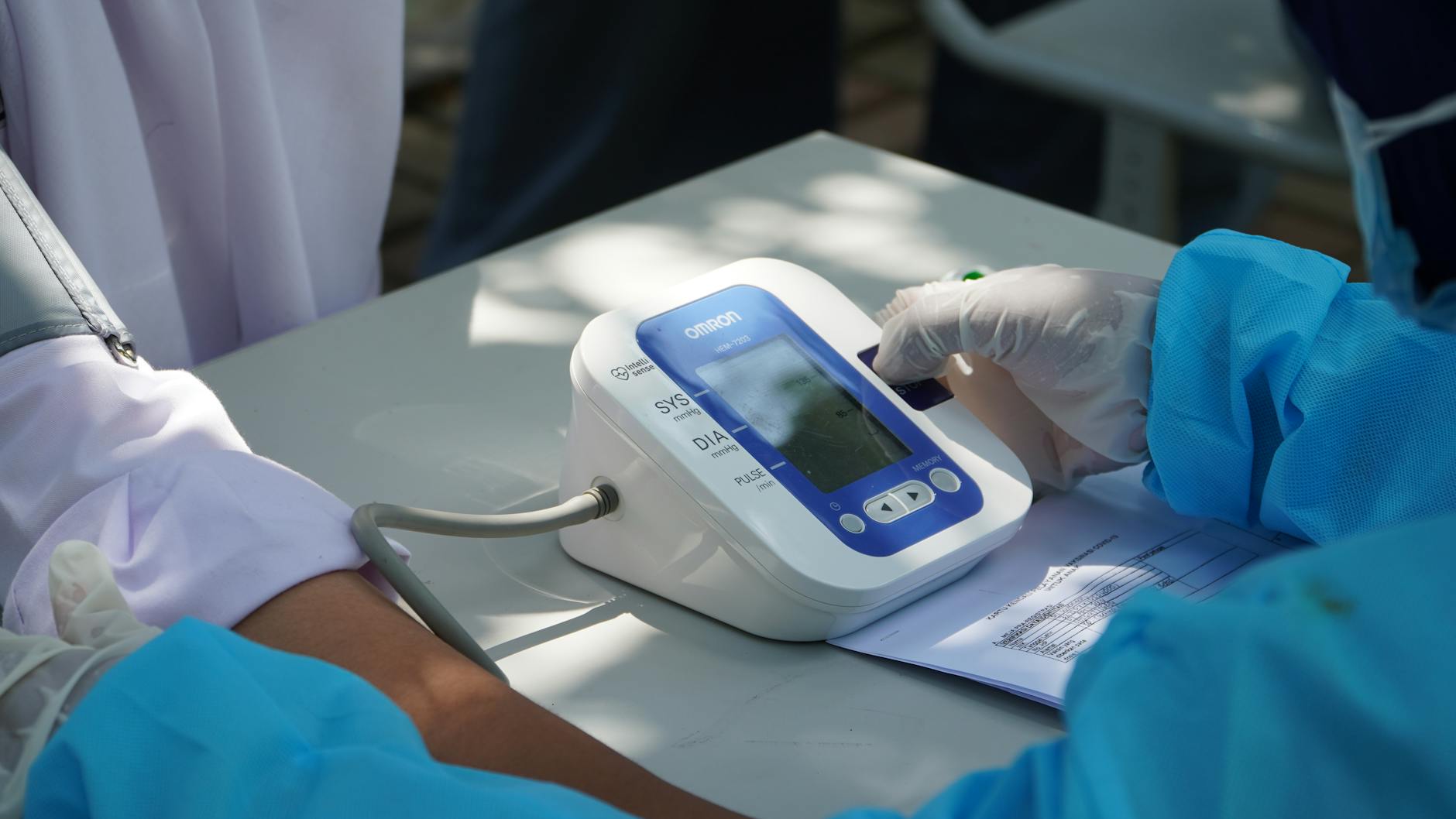
Effective management of semaglutide (Ozempic) therapy involves a proactive partnership between the patient and their healthcare provider. A structured approach can help mitigate common side effects and support long-term adherence to the treatment plan.
Strategies for Common Gastrointestinal Effects
Nausea, vomiting, diarrhea, and constipation are the most frequently reported adverse events. These are often dose-dependent and may subside as the body adjusts. Practical steps include:
- Dose Escalation: Strictly adhering to the recommended titration schedule, starting at 0.25 mg weekly, allows the body to acclimate.
- Dietary Modifications: Eating smaller, bland, low-fat meals and avoiding large or rich dinners can reduce nausea. Staying well-hydrated is crucial.
- Timing: Administering the injection at a time when you can rest afterward (e.g., before bedtime) may help you sleep through initial discomfort.
Clinical Insight: Persistent or severe GI symptoms should never be dismissed as mere "adjustment issues." They can lead to dehydration, electrolyte imbalances, and discontinuation of therapy. A clinician may consider slowing the titration schedule or temporarily reducing the dose rather than stopping treatment abruptly.
Monitoring and Patient Vigilance
Beyond GI issues, patient education on recognizing rare but serious side effects is a critical component of safe management.
- Pancreatitis: Patients should be advised to seek immediate medical attention for severe, persistent abdominal pain that radiates to the back.
- Hypoglycemia: Risk is increased when semaglutide is used with insulin or sulfonylureas. Dose adjustments of these concomitant therapies are often necessary. Patients should recognize signs like dizziness, sweating, and confusion.
- Other Concerns: Reporting any symptoms of vision changes (a potential signal for diabetic retinopathy complications) or severe allergic reactions is essential.
Contraindications and Precautions
Certain individuals require extreme caution or should avoid this medication entirely. This includes patients with:
- A personal or family history of medullary thyroid carcinoma (MTC) or Multiple Endocrine Neoplasia syndrome type 2 (MEN 2).
- A history of pancreatitis.
- Severe gastrointestinal disease, such as gastroparesis.
- Pregnancy, breastfeeding, or those planning pregnancy.
Patients with a history of diabetic retinopathy should be monitored closely, as rapid improvement in glycemic control has been associated with transient worsening of retinopathy in some major trials.
The foundation of practical management is open communication with your healthcare team. Report all side effects, discuss any over-the-counter medications you plan to use for symptom relief, and never adjust your dose without medical consultation.
5. Safety Monitoring and Indications for Medical Consultation

Proactive safety monitoring is a critical component of GLP-1 receptor agonist therapy like semaglutide (Ozempic). While clinical trials provide a robust framework for understanding common and rare adverse events, individual patient monitoring is essential for early detection and management of potential issues.
Essential Patient Monitoring Parameters
Healthcare providers typically establish a monitoring schedule that includes the following key areas:
- Renal Function: Semaglutide is cleared by the kidneys. Serum creatinine and estimated glomerular filtration rate (eGFR) should be assessed at baseline and periodically, especially in patients with pre-existing chronic kidney disease or those at risk of dehydration from gastrointestinal side effects.
- Glycemic Control: For patients with type 2 diabetes, regular HbA1c and blood glucose monitoring is necessary to assess efficacy and adjust concomitant anti-diabetic medications (particularly insulin or sulfonylureas) to mitigate hypoglycemia risk.
- Pancreatic and Gallbladder Health: Patients should be educated to report severe, persistent abdominal pain, which could indicate acute pancreatitis or cholelithiasis. While the absolute risk is low, clinical trial data and post-marketing surveillance support this vigilance.
- Weight and Vital Signs: Tracking weight, blood pressure, and heart rate supports the assessment of therapeutic response and cardiovascular parameters.
Clinical Insight: The most common reason for discontinuation in practice is often gastrointestinal intolerance (nausea, vomiting, diarrhea). A slow, individualized titration schedule, as per the prescribing label, is the best strategy to improve tolerability and adherence. Patients should be counseled that these effects often diminish over several weeks.
Clear Indications for Prompt Medical Consultation
Patients initiating semaglutide should be advised to contact their healthcare provider immediately if they experience any of the following:
- Signs of a serious allergic reaction (hives, difficulty breathing, swelling).
- Severe and persistent abdominal pain, with or without vomiting.
- Symptoms of diabetic ketoacidosis (excessive thirst, frequent urination, nausea, confusion, fruity-scented breath)—a rare but serious risk, especially if insulin doses are rapidly reduced.
- Vision changes, which may be related to rapid glycemic improvement in diabetes.
- Severe nausea, vomiting, or diarrhea leading to dehydration.
- Palpitations or a significantly elevated resting heart rate.
Special Populations Requiring Caution: Individuals with a personal or family history of medullary thyroid carcinoma or Multiple Endocrine Neoplasia syndrome type 2 should not use this medication. Those with a history of pancreatitis, severe gastrointestinal disease (e.g., gastroparesis), or severe renal impairment require careful risk-benefit evaluation and likely more intensive monitoring. Consultation with a physician is essential prior to initiation for these groups.
Ultimately, successful therapy relies on a collaborative partnership between the patient and their clinical team, with open communication about any new or worsening symptoms.
6. Questions & Expert Insights
Is Ozempic safe for long-term use, or are there unknown risks?
The long-term safety profile of semaglutide (Ozempic) is still being established. While clinical trials have demonstrated safety and efficacy over periods of up to two years for cardiovascular outcomes in patients with type 2 diabetes, data beyond that timeframe is more limited. The primary known long-term considerations involve potential impacts on thyroid C-cell tumors (contraindicated in those with a personal or family history of medullary thyroid carcinoma or Multiple Endocrine Neoplasia syndrome type 2), pancreatic health, and gallbladder events. Ongoing post-marketing surveillance and dedicated long-term extension studies are crucial for identifying rare or delayed adverse events. It is a foundational principle of pharmacotherapy that the benefit of continued use must be regularly weighed against potential risks by the treating clinician.
What are the most serious side effects I should be aware of?
While gastrointestinal effects like nausea are common, several serious adverse events require immediate medical attention. These include symptoms of pancreatitis (severe, persistent abdominal pain), gallbladder disease (pain in the upper right abdomen, fever), diabetic retinopathy complications (sudden vision changes), severe allergic reactions, and kidney injury (often secondary to dehydration from vomiting or diarrhea). A boxed warning exists for the risk of thyroid C-cell tumors. Additionally, there is an ongoing evaluation of potential risks like gastroparesis (stomach paralysis) and suicidal ideation, though a definitive causal link has not been conclusively established for the latter. Individuals with a history of these conditions require particularly careful discussion with their doctor before starting therapy.
Who should avoid using Ozempic or similar GLP-1 agonists?
Ozempic is contraindicated and should be avoided by several key populations. This includes individuals with a personal or family history of medullary thyroid carcinoma (MTC) or those with Multiple Endocrine Neoplasia syndrome type 2 (MEN 2). It is also not recommended for patients with a history of severe gastrointestinal disease, including gastroparesis. Patients with a history of pancreatitis, severe renal impairment, or end-stage renal disease require extreme caution and close monitoring. Ozempic is not approved for use during pregnancy or breastfeeding due to insufficient safety data. Crucially, it is not indicated for weight loss in people without type 2 diabetes, and its use for cosmetic weight loss outside of approved indications carries risk without the same structured medical supervision.
When should I talk to my doctor, and what information should I prepare?
Initiate a conversation with your doctor before starting Ozempic to discuss suitability, and contact them promptly if you experience severe nausea/vomiting, abdominal pain, vision changes, or signs of an allergic reaction. Schedule a follow-up if side effects are diminishing your quality of life or you're considering discontinuing the medication. For the appointment, prepare a concise list: 1) All current medications and supplements, 2) Your personal and family medical history (focus on thyroid, pancreas, gallbladder, and kidney conditions), 3) A log of any side effects (frequency, severity, timing), and 4) Your specific goals for the therapy (e.g., target HbA1c, weight management). This organized approach enables a more efficient and productive risk-benefit discussion.
7. In-site article recommendations
8. External article recommendations
9. External resources
The links below point to reputable medical and evidence-based resources that can be used for further reading. Always interpret them in the context of your own situation and your clinician’s advice.
-
examine examine.comOzempic – Examine.com (search)
-
wikipedia wikipedia.orgOzempic – Wikipedia (search)
-
drugs drugs.comOzempic – Drugs.com (search)
These external resources are maintained by third-party organisations. Their content does not represent the editorial position of this site and is provided solely to support readers in accessing additional professional information.