
1. Introduction to Tai Chi Walking and Body Composition
Tai Chi walking is a specific, mindful practice derived from the traditional Chinese martial and wellness art of Tai Chi Chuan. It involves performing the slow, continuous, and weight-shifting movements of Tai Chi forms while walking in a straight line or a circle, emphasizing principles of posture, balance, and controlled breathing. This chapter provides a foundational overview of this practice and its potential relationship with body composition—the relative proportions of fat, muscle, bone, and water in the body.
Body composition is a critical health metric, more informative than body weight alone. A favorable shift typically involves reducing excess adipose tissue (body fat) while preserving or increasing lean muscle mass and bone density. Such changes are associated with improved metabolic health, reduced risk of chronic diseases, and enhanced functional mobility.
Conventional exercise paradigms often separate cardiovascular training for fat loss from resistance training for muscle building. Tai Chi walking presents an integrated model. Its potential mechanisms for influencing body composition may include:
- Low-Impact Aerobic Activity: The continuous movement provides mild to moderate cardiovascular exercise, which can contribute to caloric expenditure and fat oxidation over time.
- Muscle Engagement and Strength: The slow, controlled weight-bearing nature of the movements, performed with bent knees and sustained postures, engages the leg, core, and stabilizer muscles isometrically and concentrically.
- Neuromuscular and Postural Benefits: Enhanced mind-body connection and balance may improve movement efficiency and support more physical activity throughout the day.
- Stress Modulation: The meditative component may help lower cortisol levels, a hormone linked to abdominal fat accumulation when chronically elevated.
Clinical Perspective: The evidence for Tai Chi walking specifically altering body composition is more limited and preliminary compared to research on general Tai Chi practice. While numerous studies show Tai Chi can improve balance, strength, and quality of life, data on significant fat loss or muscle hypertrophy are less robust and often seen in older or sedentary populations. It should not be viewed as a substitute for more vigorous exercise regimens where rapid body composition change is a primary goal. However, as a sustainable, low-risk adjunctive practice, it may support holistic metabolic health.
Individuals with significant joint issues, severe osteoporosis, vertigo, or uncontrolled cardiovascular conditions should consult a physician or physical therapist before beginning. The practice should be adapted to individual capability, focusing on form and stability over duration or range of motion initially.
2. Evidence and Physiological Mechanisms of Tai Chi Walking
The practice of Tai Chi Walking, which integrates the slow, mindful movements of Tai Chi with deliberate walking, is supported by a growing body of research for its effects on body composition. The evidence is strongest for its impact on metabolic health and functional capacity, with more limited data directly on fat mass reduction.
High-quality systematic reviews and meta-analyses, primarily involving older adults, consistently show that regular Tai Chi practice can lead to modest but statistically significant reductions in body mass index (BMI) and waist circumference. These are key indicators of visceral adiposity, which is linked to cardiometabolic risk. The physiological mechanisms likely involve several interconnected pathways:
- Low-Impact Aerobic Activity: The continuous, flowing movement elevates heart rate into a low-to-moderate intensity zone, promoting caloric expenditure and improving cardiovascular efficiency over time.
- Muscle Engagement and Strength: The controlled weight shifts and sustained postures engage core stabilizers and lower-body musculature in an isometric and eccentric manner, which can help preserve or build lean muscle mass—a critical factor for resting metabolic rate.
- Stress Modulation: The meditative, mindful component downregulates the sympathetic nervous system and cortisol secretion. Chronically elevated cortisol is associated with abdominal fat deposition, suggesting this mechanism may indirectly support favorable body composition changes.
- Improved Proprioception and Balance: Enhanced neuromuscular control may increase overall daily activity levels and reduce fear of falling, leading to greater non-exercise activity thermogenesis (NEAT).
It is important to contextualize this evidence. Most trials have durations of 3 to 12 months, and the magnitude of change in body composition is typically modest compared to more vigorous aerobic or resistance training regimens. Tai Chi Walking should be viewed as a sustainable, adjunctive practice for long-term health maintenance rather than a primary weight-loss intervention.
Clinical Perspective: From a physiological standpoint, the value of Tai Chi Walking lies in its multi-system engagement. It addresses not just energy expenditure but also stress physiology and functional mobility, which are often overlooked in standard exercise prescriptions. For individuals with obesity, osteoarthritis, or balance disorders, its low-impact nature makes it a uniquely accessible entry point to physical activity, potentially breaking the cycle of pain and inactivity. However, it is not a substitute for necessary dietary modifications or higher-intensity exercise when specific body composition goals are clinically indicated.
Individuals with severe osteoporosis, acute joint injury, or uncontrolled vertigo should consult a physician or physical therapist before beginning to ensure movements are adapted for safety. Those seeking significant fat loss may need to combine it with other evidence-based lifestyle interventions.
3. Contraindications and Populations to Approach with Caution
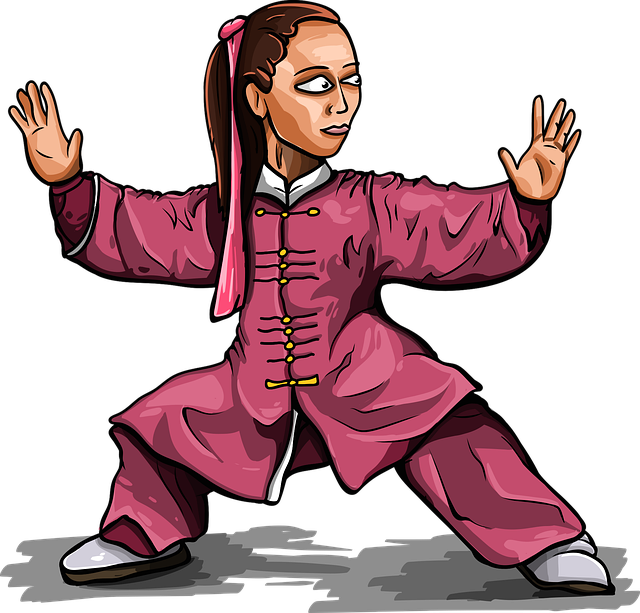
While Tai Chi walking is widely promoted for its low-impact, accessible nature, it is not universally appropriate. A responsible approach requires understanding specific contraindications and populations that warrant medical consultation prior to practice. The evidence for its safety is strong in generally healthy and older adult populations, but data in individuals with complex, unstable medical conditions is more limited.
Absolute and Relative Contraindications
Certain acute or unstable conditions require avoiding Tai Chi walking until cleared by a physician. These include:
- Acute Injury or Post-Surgical Recovery: Recent fractures, ligament tears, or joint replacements (e.g., hip, knee) require specific rehabilitation protocols. Initiating Tai Chi walking too early can disrupt healing.
- Uncontrolled Cardiovascular Disease: This includes unstable angina, severe heart failure (NYHA Class IV), or uncontrolled arrhythmias. The activity, while gentle, still imposes a cardiovascular load.
- Severe Osteoporosis with High Fracture Risk: While Tai Chi can benefit bone health long-term, individuals with a history of fragility fractures or a very high fall risk may need supervised, modified balance training first.
- Active Vertigo or Vestibular Disorders: The slow weight-shifting and turning motions can provoke severe dizziness or falls if the vestibular system is acutely compromised.
Populations Requiring Medical Guidance and Modification
For many, Tai Chi walking can be beneficial with proper precautions. The following groups should seek advice from a relevant healthcare provider (e.g., physician, physical therapist) to ensure safe practice:
- Individuals with Chronic Joint Disease: Those with advanced osteoarthritis, rheumatoid arthritis, or chronic back pain may need to modify stances (e.g., shallower steps, avoiding deep knee bends) to prevent exacerbating pain.
- People with Significant Balance Impairments: While Tai Chi improves balance, starting without support can be hazardous. Initial practice should be done with a sturdy chair or wall for support, ideally under supervision.
- Pregnant Individuals: Although generally safe, modifications are necessary, especially in the second and third trimesters. Avoiding deep stances and focusing on stability over range of motion is advised, with approval from an obstetric care provider.
- Those with Neurological Conditions: Individuals with Parkinson's disease, multiple sclerosis, or post-stroke conditions can benefit greatly, but programs must be tailored to their specific motor deficits and fall risk by a qualified instructor.
Clinical Perspective: The principle of "first, do no harm" applies. A key step before starting any new movement regimen, including Tai Chi walking, is a candid conversation with a healthcare professional. Discuss your full medical history, current symptoms, and medications. A qualified Tai Chi instructor should also be informed of any limitations to provide appropriate modifications, transforming a potential risk into a safe, therapeutic activity.
In summary, the accessibility of Tai Chi walking should not be mistaken for a lack of necessary precautions. Identifying contraindications and seeking professional guidance for higher-risk populations is essential for ensuring that its practice supports, rather than compromises, health and safety.
4. Practical Guidance for Integrating Tai Chi Walking
Integrating Tai Chi walking into a routine requires a focus on mindful progression and technique over intensity. The goal is to cultivate body awareness and controlled movement, which can support metabolic health and body composition over time. Evidence for its benefits on body composition, such as reduced fat mass and improved lean mass, is promising but primarily from observational and smaller controlled trials. The most robust evidence supports its benefits for balance, fall prevention, and psychological well-being, which are foundational for sustained physical activity.
Begin with a short, daily practice of 10-15 minutes to build consistency. Find a quiet, flat, and unobstructed space, either indoors or outdoors.
- Posture and Alignment: Stand with feet shoulder-width apart, knees slightly bent. Engage the core gently, relax the shoulders, and keep the head upright as if suspended by a string.
- Initiating Movement: Shift weight fully onto one leg. Slowly lift the other heel, then the ball of the foot, and step forward with deliberate control. Place the heel down first, then roll through to the ball of the foot as you transfer weight.
- Continuous Flow: Focus on smooth, continuous motion without locking joints. Coordinate movement with deep, diaphragmatic breathing—inhale during preparation, exhale during the step and weight transfer.
- Mindful Attention: Maintain awareness of the body's sensations, balance, and the connection between movement and breath. This mindfulness component is a hypothesized mechanism for reducing stress-related cortisol, which may indirectly influence fat distribution.
As comfort grows, gradually extend sessions to 20-30 minutes. You can incorporate arm movements, such as holding the "carrying the ball" posture or making gentle, sweeping arcs with the arms, to increase engagement. Practicing on slightly uneven terrain (e.g., grass) can further challenge proprioception once basic stability is mastered.
Clinical Consideration: While Tai Chi walking is low-impact, certain individuals should consult a physician or physical therapist before beginning, especially those with significant balance disorders, severe osteoporosis, acute joint inflammation, or uncontrolled vertigo. Patients with severe knee or hip osteoarthritis may need modifications to the depth of knee bends. The practice is generally safe, but its integration should be complementary to, not a replacement for, a comprehensive exercise and nutrition plan validated for body composition changes.
Consistency in this mindful practice is more valuable than duration. Pairing it with evidence-based aerobic and resistance training, along with nutritional guidance, will provide the most holistic approach to transforming body composition.
5. When to Consult a Healthcare Provider
While Tai Chi walking is a low-impact, generally safe form of exercise, it is not without its considerations. A proactive consultation with a healthcare provider is a prudent step for many individuals, ensuring the practice supports overall health rather than inadvertently complicating it.
Certain pre-existing health conditions warrant a discussion with a physician or relevant specialist before beginning any new exercise regimen, including Tai Chi walking. This is not to discourage participation but to allow for appropriate modifications and safety planning.
- Cardiovascular or Pulmonary Conditions: Individuals with a history of heart disease, uncontrolled hypertension, heart failure, or chronic obstructive pulmonary disease (COPD) should seek clearance. While the activity is gentle, it still affects heart rate and oxygen demand.
- Musculoskeletal Issues: Those with significant osteoarthritis (especially in weight-bearing joints), osteoporosis with a history of fractures, recent surgery, or acute injuries (e.g., to the ankle, knee, or back) require guidance to avoid exacerbating pain or causing harm.
- Neurological Conditions: Individuals with conditions affecting balance and coordination, such as Parkinson's disease, peripheral neuropathy, or a history of strokes, should consult a neurologist or physiatrist. Tai Chi can be beneficial, but supervision ensures exercises are adapted to fall-risk levels.
- Pregnancy: Pregnant individuals, particularly in the second and third trimesters, should discuss exercise with their obstetrician, as balance shifts and joint laxity increase.
It is also advisable to consult a provider if you experience any new or worsening symptoms during practice, such as dizziness, chest pain, shortness of breath disproportionate to effort, or sharp joint pain. These are not normal and require medical evaluation.
Clinical Perspective: From a medical standpoint, the principle of "first, do no harm" applies. A brief conversation with your primary care provider can identify any specific contraindications or necessary precautions. They can help you frame realistic expectations; for instance, while evidence strongly supports Tai Chi for improving balance and reducing fall risk, its direct impact on body composition (like significant fat loss) is more modest and should be viewed as part of a comprehensive lifestyle approach, not a standalone solution.
In summary, viewing a healthcare provider as a partner in your wellness journey allows you to engage with Tai Chi walking—or any new health practice—safely and effectively, tailoring it to your unique health profile.
6. Questions & Expert Insights
Is Tai Chi walking truly effective for changing body composition, or is it just another fitness trend?
Tai Chi walking, which blends the slow, mindful movements of Tai Chi with walking, can be a legitimate component of a body composition strategy, but its effects are moderate and should be viewed realistically. The primary mechanism is not high-calorie burn but rather stress reduction and improved neuromuscular control. Studies on traditional Tai Chi show it can help reduce body fat percentage and waist circumference, particularly in sedentary or older populations, likely by lowering cortisol (a stress hormone linked to abdominal fat) and enhancing insulin sensitivity. However, it is not a high-intensity exercise. For significant changes in muscle mass or substantial fat loss, it should be combined with resistance training and dietary considerations. The evidence is promising but often from smaller, shorter-term studies.
What are the risks or side effects, and who should be cautious or avoid Tai Chi walking?
While generally low-risk, Tai Chi walking is not without potential issues. The primary risks involve musculoskeletal strain, particularly if postural alignment is poor or if an individual pushes into deep stances without adequate strength. Individuals with specific conditions should exercise caution or seek medical clearance first. This includes those with: unstable joints (e.g., severe knee or hip osteoarthritis, recent ligament tears), acute vertigo or balance disorders (the slow weight shifts could be provocative), severe osteoporosis (risk of fracture from a fall, though the practice aims to prevent them), and certain cardiovascular issues like uncontrolled hypertension. Anyone recovering from surgery or with acute inflammation should also modify or delay practice.
When should I talk to my doctor before starting, and what should I discuss?
Consult a physician or physical therapist if you have any chronic health condition, are pregnant, are returning to activity after a long hiatus, or have any of the concerns listed above. To make the conversation productive, come prepared with specific points: 1) Your goal: "I'm considering Tai Chi walking to help with stress and gentle activity to support weight management." 2) Your plan: Describe the practice—slow walking with deliberate weight shifts and possible leg stances. 3) Your concerns: Mention any specific pains, dizziness, or medical history (e.g., "I have a history of a meniscus tear; are there movements I should avoid?"). 4) Ask for modifications: "Are there specific stances or durations you recommend I start with or steer clear of?" This allows for personalized, safe guidance.
How does Tai Chi walking compare to regular walking or other exercises for fat loss?
For pure caloric expenditure, brisk regular walking typically burns more calories per minute than the slow, controlled pace of Tai Chi walking. Therefore, for direct fat loss, conventional cardio may be more time-efficient. The unique value of Tai Chi walking lies in its multidimensional impact. It emphasizes mind-body connection, balance, proprioception, and stress reduction in a way regular walking does not. This can lead to better long-term adherence, reduced stress-eating, and improved body awareness, which indirectly supports fat loss and prevents injury. Think of it as complementary, not competitive. An optimal regimen might include Tai Chi walking for mindfulness and recovery days, alongside regular walking, strength training, and a balanced diet for a comprehensive approach to body composition.
7. In-site article recommendations
8. External article recommendations
9. External resources
The links below point to reputable medical and evidence-based resources that can be used for further reading. Always interpret them in the context of your own situation and your clinician’s advice.
-
examine examine.comTai Chi Walking – Examine.com (search)
-
wikipedia wikipedia.orgTai Chi Walking – Wikipedia (search)
-
healthline healthline.comTai Chi Walking – Healthline (search)
These external resources are maintained by third-party organisations. Their content does not represent the editorial position of this site and is provided solely to support readers in accessing additional professional information.