
1. Introduction to Peptide Supplements and FDA Regulatory Context
Peptides are short chains of amino acids, the building blocks of proteins. In the human body, they function as signaling molecules, influencing a wide range of physiological processes, from hormone release and immune function to tissue repair and muscle growth. This fundamental biological role has made peptides a significant focus of pharmaceutical research for decades, leading to approved medications for conditions like diabetes, osteoporosis, and growth hormone deficiencies.
In recent years, a distinct market has emerged for peptide products marketed directly to consumers as dietary supplements. These are often promoted for purposes such as:
- Anti-aging and improved skin health
- Enhanced muscle growth and athletic performance
- Weight loss and fat reduction
- Improved sleep and cognitive function
It is critical to understand the regulatory distinction that forms the core of this discussion. The U.S. Food and Drug Administration (FDA) approves specific peptide compounds as prescription drugs after rigorous review of safety and efficacy data for a defined medical use. In contrast, peptides sold as dietary supplements occupy a different legal category. Under the Dietary Supplement Health and Education Act (DSHEA) of 1994, these products do not require pre-market FDA approval for safety or efficacy. The manufacturer is responsible for ensuring safety, but the FDA's role is primarily reactive, intervening after products are on the market if they are found to be adulterated, misbranded, or pose a risk to public health.
Clinical Insight: This regulatory gap creates a landscape where peptides identical or similar to prescription drugs are available without a prescription, often with unclear purity, dosage, and manufacturing standards. From a clinical perspective, this bypasses essential safeguards: a physician's diagnosis, appropriate dosing, monitoring for side effects, and management of drug interactions. Consumers may be self-administering potent bioactive compounds without this protective oversight.
The evidence supporting the uses promoted for these supplement-grade peptides varies widely. While the biochemical rationale may be sound, robust clinical trial data in healthy populations for anti-aging or performance enhancement is often limited, preliminary, or entirely lacking. Many claims are extrapolated from pharmaceutical research or small, non-peer-reviewed studies.
Individuals with pre-existing health conditions, those taking other medications, pregnant or breastfeeding women, and anyone considering these compounds for performance enhancement should exercise extreme caution. Consulting a healthcare provider is essential to evaluate potential risks, interactions, and the lack of quality control in an unregulated market.
2. Mechanisms of Action and Evidence-Based Analysis
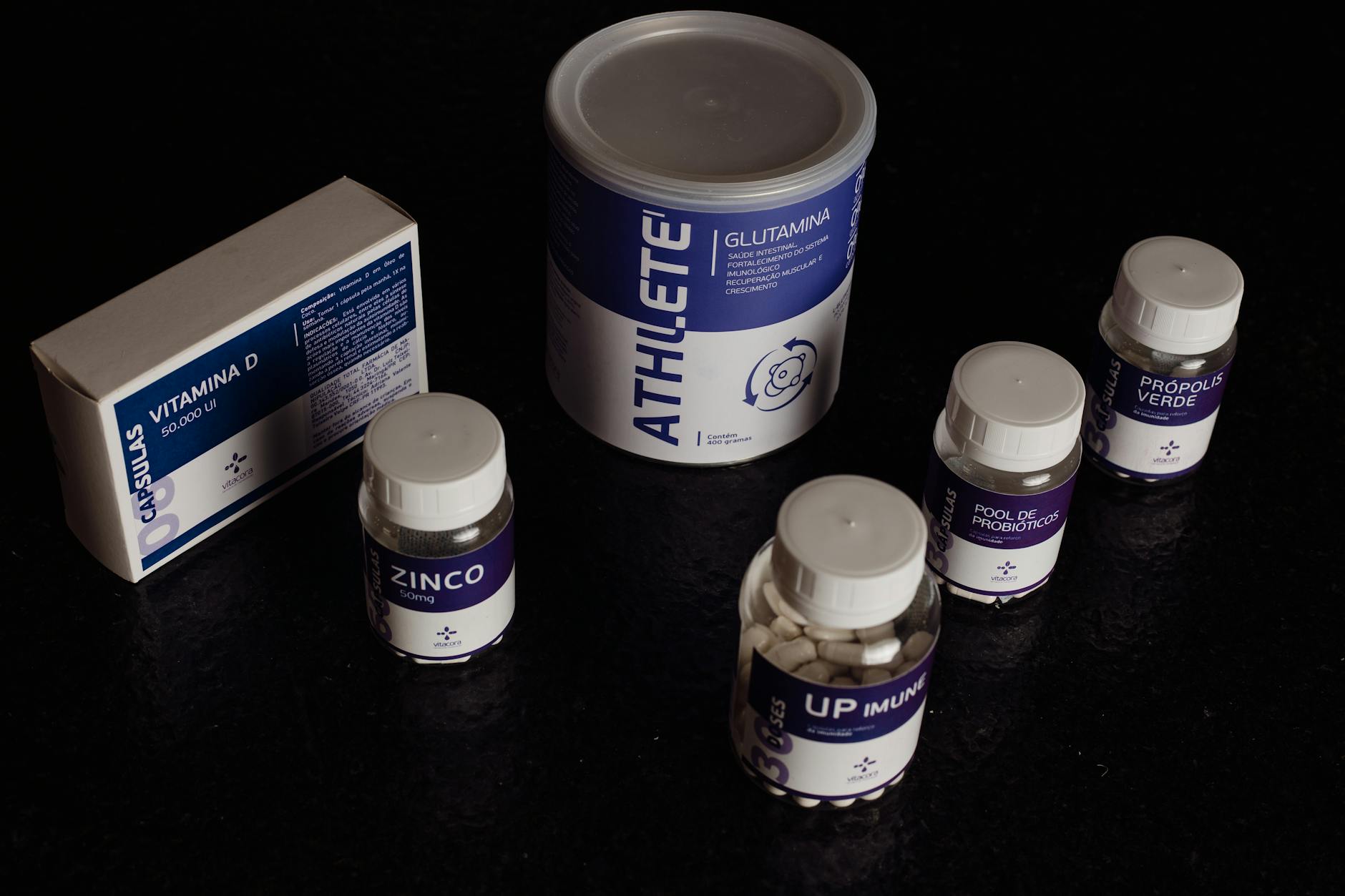
Peptides are short chains of amino acids that act as signaling molecules in the body. Their proposed mechanisms of action are diverse and specific to each compound. For instance, some peptides are designed to mimic or stimulate the release of endogenous growth hormone (GH), while others may influence immune function, collagen synthesis, or melanin production. Their appeal often lies in this targeted, hormone-like signaling, which theoretically offers more precise effects than broader-acting supplements.
However, the clinical evidence supporting the use of many commercially available peptide supplements is highly variable and often preliminary. The landscape can be categorized as follows:
- Strong Evidence for Specific Medical Uses: Certain peptides, like sermorelin (a GH-releasing hormone analog), have FDA approval for diagnosing or treating specific medical conditions (e.g., pediatric GH deficiency) under strict clinical supervision. The evidence here is robust but confined to these narrow, regulated indications.
- Limited or Preclinical Evidence for Broader Wellness/Anti-Aging Claims: For many peptides marketed for muscle building, fat loss, or skin rejuvenation in healthy individuals, evidence is often limited to small-scale human trials, animal studies, or in vitro research. Long-term safety data in these contexts is frequently absent.
- Evidence Gaps and Mixed Data: Many popular peptides lack large, randomized, placebo-controlled trials (RCTs) to confirm their efficacy and safety for off-label use. Reported benefits are often anecdotal or based on open-label studies with a high risk of bias.
Clinical Perspective: From a medical standpoint, the mechanism of a peptide does not guarantee its safety or efficacy as an over-the-counter supplement. The dose, purity, individual metabolism, and potential for disrupting delicate hormonal feedback loops are critical factors often overlooked in consumer marketing. The physiological response to exogenous peptides can be unpredictable outside of a controlled clinical setting.
Individuals with pre-existing hormonal sensitivities, a history of cancer (particularly hormone-sensitive cancers like breast or prostate), autoimmune conditions, or kidney/liver disease should exercise extreme caution. Furthermore, anyone taking prescription medications should consult a physician due to the risk of unforeseen interactions. The decision to use peptide supplements should be informed by a critical analysis of the evidence, not by extrapolation from their theoretical mechanisms alone.
3. Identified Risks, Side Effects, and Contraindications

The use of peptide supplements, particularly those not approved for therapeutic use, is associated with a range of potential adverse effects. The clinical evidence for these risks is derived from studies of pharmaceutical-grade peptides, case reports, and adverse event data, though systematic data on over-the-counter supplement formulations is often limited.
Common and Documented Side Effects
Reported side effects vary by peptide type but often include injection-site reactions (pain, redness, nodules) and systemic symptoms such as:
- Headaches and dizziness
- Fluid retention (edema)
- Nausea and appetite changes
- Fatigue or lethargy
- Flushing and hypersensitivity reactions
Serious and Long-Term Health Risks
More concerning are the potential for serious, long-term consequences. These risks are particularly associated with peptides that mimic or influence powerful hormones like growth hormone (GH), insulin-like growth factor-1 (IGF-1), or metabolic regulators.
- Endocrine Disruption: Peptides like GHRPs (Growth Hormone Releasing Peptides) can dysregulate the hypothalamic-pituitary axis, potentially leading to hormonal imbalances, insulin resistance, and impaired glucose tolerance.
- Organomegaly: Chronic stimulation by growth hormone secretagogues may contribute to the enlargement of internal organs, including the heart (cardiomegaly), liver, and kidneys.
- Cancer Risk: The theoretical risk of promoting the growth of pre-existing malignancies is a significant concern with peptides that elevate IGF-1, as IGF-1 is a known cell proliferation factor. This is a primary reason for caution, though long-term human data from supplement use is lacking.
- Autoimmune Reactions: The body may develop antibodies against synthetic peptide sequences, potentially leading to reduced efficacy or autoimmune phenomena.
Clinical Perspective: The lack of rigorous purity and dosage standardization in the supplement market amplifies these risks. Contaminants, incorrect dosing, and the use of research chemicals not intended for human consumption turn theoretical risks into tangible dangers. Furthermore, the side effect profile can be unpredictable due to individual genetic variability and underlying health conditions.
Key Contraindications and Populations for Caution
Certain individuals should avoid peptide supplements entirely or only consider them under direct medical supervision. This includes persons with:
- A history of or active cancer
- Diabetes, insulin resistance, or metabolic syndrome
- Cardiovascular, kidney, or liver disease
- Autoimmune disorders
- Pregnancy, breastfeeding, or attempting to conceive
- A history of hormone-sensitive conditions
Anyone taking multiple medications (polypharmacy) should consult a physician due to the high potential for unknown drug-supplement interactions. The decision to use any peptide product should be preceded by a comprehensive health evaluation with a qualified healthcare provider.
4. Clinical Recommendations and Practical Guidance

Given the regulatory uncertainties and potential risks associated with peptide supplements, a cautious, evidence-based approach is essential. The following guidance is intended to help individuals make informed and safe decisions.
Core Principles for Safe Use
First, understand that most peptides sold as dietary supplements are not FDA-approved for any medical condition. Their manufacturing quality, purity, and dosage are not regulated to pharmaceutical standards. Therefore, the primary recommendation is to consult a qualified healthcare professional—such as an endocrinologist, sports medicine physician, or a primary care doctor knowledgeable in this area—before considering use.
- Seek a Medical Diagnosis: Do not self-diagnose a deficiency or condition you believe a peptide can treat. A proper medical evaluation is necessary to determine the root cause of symptoms.
- Verify the Source: If a peptide is prescribed by a licensed physician for a legitimate medical purpose, it should be obtained from a reputable, FDA-registered compounding pharmacy, not from general wellness or sports supplement websites.
- Prioritize Lifestyle Foundations: For goals like muscle building, fat loss, or improved recovery, evidence strongly supports optimizing nutrition, sleep, stress management, and exercise programming before considering any pharmacological intervention.
Specific Populations Requiring Extra Caution
Certain individuals should avoid peptide supplements entirely unless under direct, supervised medical care. This includes:
- Individuals with active cancer or a history of cancer, due to the mitogenic potential of some growth hormone-releasing peptides.
- Those with kidney or liver impairment, as peptides are metabolized and excreted through these organs.
- Pregnant or breastfeeding women.
- Individuals with diabetes or glucose regulation issues, as some peptides can significantly affect insulin sensitivity.
- People taking multiple medications (polypharmacy), due to risk of unknown interactions.
Expert Insight: In clinical practice, the decision to use a peptide therapeutically involves weighing potential benefits against known and unknown risks. For FDA-approved peptides, this risk-benefit profile is well-defined. For non-approved peptides sold as supplements, the risk side of the equation is disproportionately high due to lack of quality control and long-term safety data. A red flag is any vendor or clinic making broad, definitive claims of efficacy without discussing these substantial uncertainties.
Finally, maintain a healthy skepticism. Extraordinary claims require extraordinary evidence. The current evidence for many supplement-marketed peptides is preliminary, derived from small studies, or based entirely on anecdotal reports. Sustainable health outcomes are built on consistent, evidence-based practices, not unregulated compounds.
5. When to Seek Medical Attention and Safety Protocols
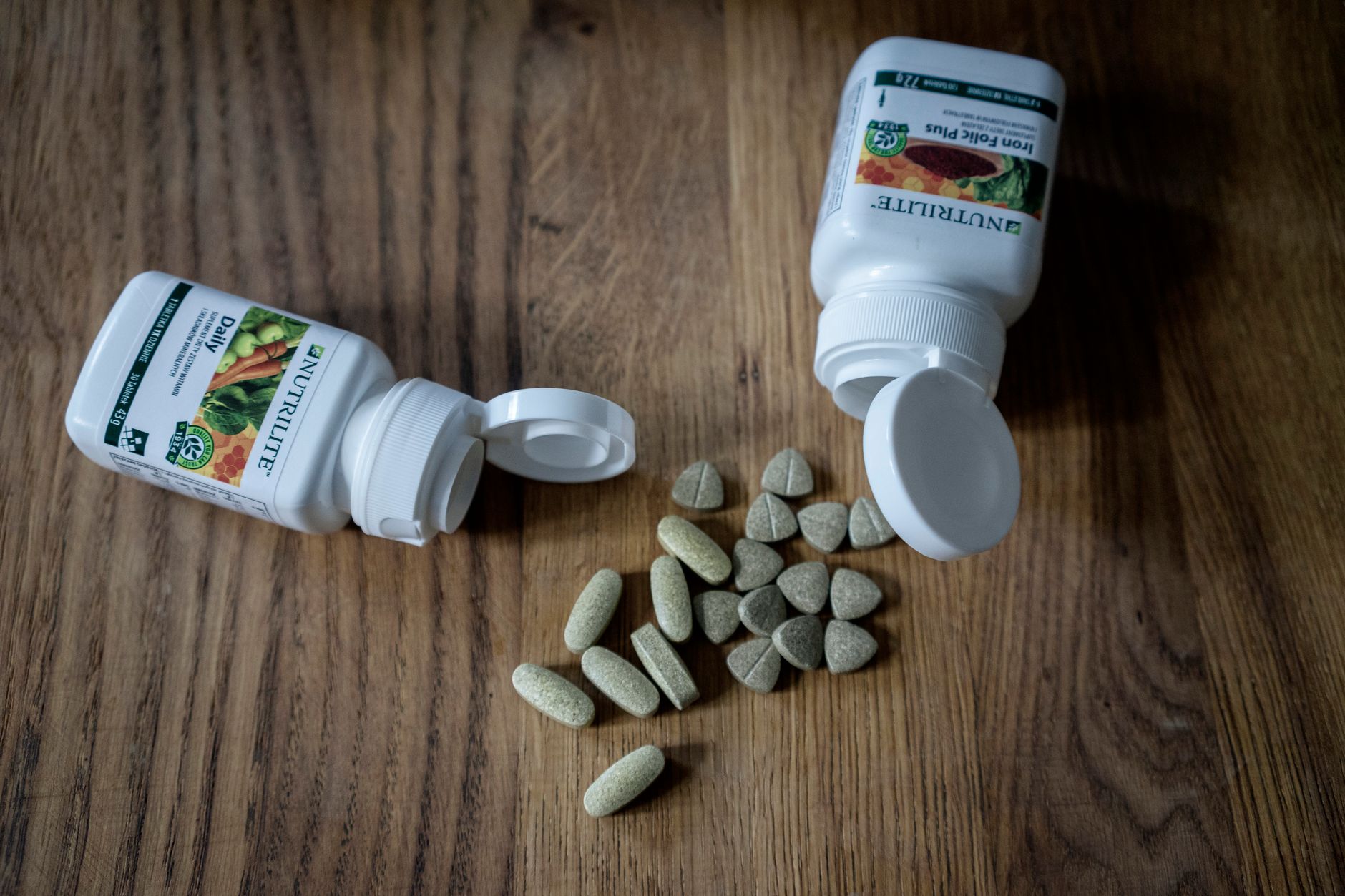
Given the regulatory and safety landscape surrounding peptide supplements, a proactive and cautious approach is essential. Recognizing when to seek medical attention and adhering to established safety protocols can mitigate significant health risks.
Immediate Red Flags Requiring Medical Evaluation
Discontinue use and consult a healthcare provider immediately if you experience any of the following symptoms, as they may indicate a serious adverse reaction or underlying condition:
- Severe allergic reactions: Difficulty breathing, swelling of the face/lips/tongue, hives, or widespread rash.
- Cardiovascular symptoms: Chest pain, palpitations, significant and rapid changes in blood pressure, or severe headaches. Signs of organ stress: Unexplained jaundice (yellowing of skin/eyes), dark urine, severe abdominal pain, or sudden, significant changes in urinary output.
- Neurological or psychological changes: Numbness, tingling, severe mood swings, anxiety, or confusion.
- Signs of infection: Redness, swelling, pain, or pus at an injection site (for injectable peptides), or systemic symptoms like fever and chills.
Essential Safety Protocols for Consideration
If you are considering or currently using peptide supplements, these protocols are strongly advised:
- Consult a physician first: This is non-negotiable for individuals with pre-existing conditions (e.g., diabetes, cardiovascular, kidney, or liver disease), those taking other medications (risk of interactions), pregnant or breastfeeding individuals, and those with a history of hormone-sensitive cancers.
- Verify source and purity: Understand that many peptides are sold as research chemicals or in compounded forms not approved for human use. Products may be adulterated, mislabeled, or contaminated.
- Reject exaggerated claims: Be highly skeptical of marketing that promises rapid, transformative results. The evidence for many purported benefits is preliminary, derived from small-scale studies, or based on pharmaceutical-grade peptides not equivalent to commercial supplements.
- Monitor baseline and ongoing health: A healthcare provider can establish baseline metrics (e.g., blood glucose, lipid panel, liver/kidney function) and recommend periodic monitoring to detect subclinical adverse effects.
Clinical Perspective: From a medical standpoint, the decision to use these compounds should be approached with the same caution as initiating a prescription drug. The lack of FDA oversight for dietary supplement claims means the burden of safety due diligence falls heavily on the consumer and their clinician. A frank discussion about the unknown long-term risks versus the uncertain benefits is a critical part of this process.
Ultimately, the most important safety protocol is to prioritize evidence-based interventions for health and performance goals. Any use of peptide supplements should be undertaken with full transparency under the guidance of a qualified healthcare professional who can provide personalized risk assessment and medical supervision.
6. Questions & Expert Insights
Are peptide supplements regulated and approved by the FDA?
This is a critical distinction. The FDA regulates peptides as drugs, not dietary supplements. For a peptide to be legally marketed as a drug, it must undergo rigorous clinical trials to prove its safety and efficacy for a specific medical condition. Most peptides sold directly to consumers as "research chemicals" or "supplements" are not FDA-approved for any therapeutic use. They often bypass the drug approval pathway by exploiting regulatory loopholes, such as being labeled "for research use only" or "not for human consumption." This means their manufacturing is not held to pharmaceutical-grade standards, and their purity, dosage, and sterility are not verified by the FDA, posing significant health risks.
What are the most serious potential side effects or risks?
Reported adverse effects range from mild (injection site reactions, headaches, fatigue) to severe and potentially life-threatening. Serious risks include systemic allergic reactions, the exacerbation of autoimmune conditions, hormonal imbalances, and organ toxicity (particularly kidney and liver). A major concern is the risk of contamination with bacteria, endotoxins, or heavy metals due to non-sterile manufacturing, which can lead to severe infections or sepsis. Furthermore, using peptides that influence growth hormone (like GHRPs) or metabolism without medical oversight can disrupt the body's delicate endocrine balance, potentially leading to insulin resistance, acromegaly-like symptoms, or unmanaged tumor growth in those with predispositions.
Who should absolutely avoid using these non-prescription peptides?
Several groups are at particularly high risk and should avoid non-prescription peptides entirely. This includes individuals who are pregnant, breastfeeding, or trying to conceive; those with a history of cancer or active malignancies; people with kidney or liver disease; individuals with autoimmune disorders; and those with known hormone-sensitive conditions. Additionally, anyone taking multiple prescription medications (polypharmacy) risks dangerous drug-peptide interactions. People with a history of body dysmorphia or eating disorders should also avoid peptides marketed for fat loss or muscle building, as they can exacerbate unhealthy behaviors and psychological distress.
When should I talk to my doctor, and how should I prepare for that conversation?
You should consult a physician before considering any peptide product. If you are already using one, schedule an appointment for a health review. To prepare, be completely transparent. Bring the specific product name, its source, your dosage schedule, and a list of all other medications and supplements you take. Document any symptoms or changes you've noticed, both positive and negative. Ask your doctor to review recent blood work and assess your organ function and hormone levels. The goal is not necessarily to get a prescription but to undergo a risk-benefit analysis under medical supervision. A responsible doctor will discuss FDA-approved alternatives for your health goals and monitor for adverse effects if you choose to proceed, though they will likely advise against using unregulated sources.
7. In-site article recommendations
8. External article recommendations
9. External resources
The links below point to reputable medical and evidence-based resources that can be used for further reading. Always interpret them in the context of your own situation and your clinician’s advice.
-
mayoclinic mayoclinic.orgpeptide supplements – Mayo Clinic (search)
-
wikipedia wikipedia.orgpeptide supplements – Wikipedia (search)
-
examine examine.compeptide supplements – Examine.com (search)
These external resources are maintained by third-party organisations. Their content does not represent the editorial position of this site and is provided solely to support readers in accessing additional professional information.