
1. Introduction to Detox Teas and Their Health Claims

Detox teas, often marketed as herbal infusions or blends, are a popular category of wellness products. They are typically composed of a variety of botanical ingredients, including but not limited to senna leaf, dandelion root, milk thistle, ginger, and green tea. The central premise of these products is that they support the body's natural detoxification processes, primarily targeting the liver, kidneys, and digestive system.
The health claims associated with these teas are extensive and often presented with significant marketing appeal. Common assertions include:
- Flushing toxins and impurities from the body.
- Promoting rapid weight loss and "cleansing."
- Boosting energy levels and improving skin clarity.
- Enhancing liver function and digestion.
From a clinical and physiological perspective, it is critical to understand that the human body possesses highly efficient, endogenous detoxification systems. The liver, kidneys, gastrointestinal tract, skin, and lungs work continuously to metabolize and excrete waste products. The scientific evidence supporting the need for or efficacy of commercial "detox" teas to enhance these innate processes is generally limited.
Expert Insight: The term "detox" in this context is largely a marketing construct, not a medical one. While individual ingredients like milk thistle have been studied for potential hepatoprotective effects, the evidence is mixed and often from studies using standardized extracts, not the variable concentrations found in commercial tea blends. The perceived effects, such as temporary weight loss, are frequently attributable to fluid loss and mild laxative action rather than true detoxification or fat loss.
It is essential for consumers to approach these claims with a balanced view, distinguishing between the strong cultural narrative surrounding detoxification and the robust evidence from clinical research. Many claims are based on traditional use or preliminary studies, not large-scale, long-term human trials.
Individuals with certain health conditions should exercise particular caution and consult a healthcare provider before using detox teas. This includes, but is not limited to, those with:
- Kidney or liver disease.
- Electrolyte imbalances.
- Gastrointestinal disorders (e.g., inflammatory bowel disease).
- Who are pregnant, breastfeeding, or taking multiple medications.
This chapter serves as a foundation for a detailed, evidence-based examination of the specific ingredients, mechanisms, and potential side effects associated with these popular products.
2. Scientific Evidence and Mechanisms of Action
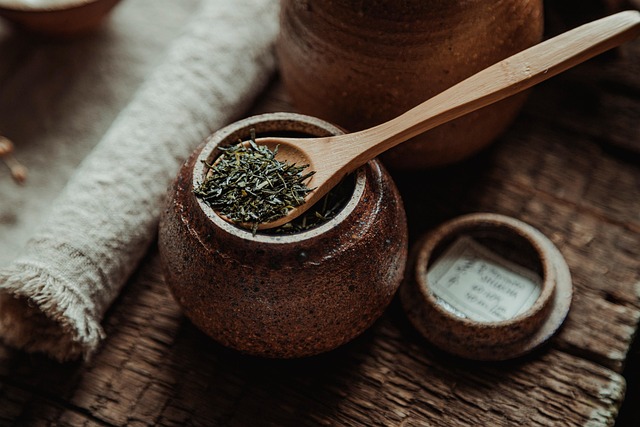
The purported benefits of detox teas are often attributed to their specific botanical ingredients. The scientific evidence for their efficacy and safety is highly variable, ranging from preliminary in vitro studies to a small number of human trials. It is crucial to examine the mechanisms of action proposed for common components.
Common Ingredients and Their Proposed Actions
Many detox teas contain a blend of herbs with diuretic, laxative, or purported liver-supportive properties.
- Senna and Cascara Sagrada: These are stimulant laxatives containing anthraquinone glycosides. Their mechanism is well-established: they irritate the colonic lining to stimulate bowel movements. Evidence for their short-term use in constipation is strong, but their inclusion in daily "detox" teas is not supported by evidence and carries risks of dependency, electrolyte imbalance, and dehydration.
- Dandelion Root and Nettle Leaf: These herbs have mild diuretic effects, potentially increasing urine output. While some traditional and preliminary studies suggest benefits, robust clinical trials in humans for "detoxification" are lacking. The effect is generally mild compared to pharmaceutical diuretics.
- Milk Thistle (Silymarin): This is one of the most researched detox tea ingredients for liver health. Meta-analyses suggest it may improve liver enzyme levels in specific conditions like alcoholic or viral hepatitis, but evidence for its role in "detoxing" a healthy liver is not conclusive. Its mechanism is thought to involve antioxidant activity and stabilization of liver cell membranes.
- Green Tea Extract: High in catechins like EGCG, it is included for its antioxidant properties. While green tea consumption is associated with general health benefits, concentrated extracts in teas can deliver high, unregulated doses linked to rare but serious cases of hepatotoxicity (liver injury).
Clinical Perspective: From a physiological standpoint, the body's detoxification systems—primarily the liver, kidneys, and gastrointestinal tract—are highly efficient and self-regulating. The concept that a tea can "flush" toxins is a marketing oversimplification. The observed effects (weight loss, frequent bowel movements) are often due to fluid loss, laxative action, or reduced calorie intake, not an enhancement of intrinsic detox pathways. These effects are temporary and can be harmful if sustained.
Gaps in the Evidence
There is a significant lack of high-quality, long-term studies on commercial detox tea blends as a whole. Most research examines individual ingredients in isolation for specific medical conditions, not their combined, chronic use in healthy populations for "detox" purposes. Claims of improved energy, clearer skin, or systemic cleansing are largely anecdotal and not validated by controlled trials.
Who should be cautious: Individuals with kidney disease, liver conditions, heart problems, or electrolyte imbalances should avoid detox teas due to diuretic and laxative effects. Those taking medications (especially diuretics, laxatives, blood thinners, or diabetes drugs) risk interactions. Pregnant or breastfeeding women and individuals with a history of eating disorders should not use these products.
3. Potential Risks and Populations at Higher Risk

While many detox teas are marketed for wellness, their ingredient profiles can pose significant health risks, particularly for specific populations. The primary concerns stem from three categories: laxative herbs, stimulants, and potential hepatotoxicity (liver toxicity).
The most strongly documented risk involves teas containing senna, cascara sagrada, or aloe latex. These are stimulant laxatives, and their chronic or excessive use can lead to:
- Electrolyte imbalances (particularly hypokalemia, or low potassium), which can disrupt heart rhythm and muscle function.
- Dehydration and dependence, where the colon loses its natural ability to contract, potentially worsening constipation upon discontinuation.
- Gastrointestinal distress, including cramping, diarrhea, and malabsorption of nutrients.
Evidence for liver injury is more case-based but clinically significant. Certain herbs common in detox blends, such as green tea extract in very high concentrations, comfrey, kava, and pennyroyal, have been linked in medical literature to instances of hepatotoxicity. The risk appears dose-dependent and may be influenced by individual genetic factors in metabolism.
Clinical Insight: In practice, we see detox tea complications most often in individuals using them as a long-term "cleanse" or for weight loss, not as occasional use. The line between a "detox" effect and a laxative side effect is often blurred in marketing. Patients rarely disclose over-the-counter tea use unless specifically asked, making a thorough medication review essential.
Certain populations are at substantially higher risk for adverse effects and should exercise extreme caution or avoid these products entirely:
- Individuals with pre-existing medical conditions: Those with kidney disease, heart conditions (due to electrolyte shifts), liver disease, or inflammatory bowel diseases (e.g., Crohn's, ulcerative colitis).
- Pregnant or breastfeeding individuals: Many herbal ingredients lack safety data for fetal development and can cross into breast milk or stimulate uterine activity.
- People on medications: Detox teas can interact with prescription drugs. For example, laxatives can reduce the absorption of oral medications, and herbs like St. John's Wort (sometimes included) have numerous serious drug interactions.
- Individuals with a history of eating disorders: These products can perpetuate disordered eating patterns and dangerous purging behaviors.
- The elderly: They are more susceptible to dehydration and electrolyte imbalances, which can lead to falls, confusion, and cardiac complications.
Before considering any detox tea regimen, it is prudent to consult with a physician or a registered dietitian. This is especially critical for anyone in the higher-risk groups mentioned above. A healthcare provider can help assess the potential for interaction with current health status and medications.
4. Evidence-Based Practical Recommendations

Given the potential for adverse effects and the lack of robust evidence supporting their systemic "detoxification" claims, a cautious and evidence-based approach to detox teas is essential. The following recommendations prioritize safety and clinical responsibility.
General Principles for Safer Use
If you choose to consume these products, applying these principles can help mitigate risk:
- Treat as an occasional beverage, not a treatment. Do not rely on them for weight loss, liver cleansing, or disease prevention.
- Limit frequency and duration. Avoid daily, long-term use. Consider them an infrequent drink rather than a regimen.
- Read ingredient labels meticulously. Identify and research each component. Be particularly wary of proprietary blends that hide ingredient quantities.
- Start with a small amount. To assess individual tolerance, try a weak brew or half a serving initially.
- Stay hydrated with water. These teas should not replace plain water, which is fundamental for kidney function and hydration.
Who Should Exercise Extreme Caution or Avoid
Certain individuals are at higher risk for serious adverse reactions and should generally avoid detox teas unless explicitly approved by their healthcare provider. This includes:
- Pregnant or breastfeeding women.
- Individuals with pre-existing kidney, liver, or heart conditions.
- Those taking prescription medications (risk of herb-drug interactions).
- People with a history of eating disorders or disordered eating patterns.
- Individuals with known allergies to plants in the asteraceae/daisy family (e.g., chamomile, echinacea) or other herbal components.
Clinical Perspective: From a medical standpoint, the body's own hepatic and renal systems are highly effective at detoxification. The most evidence-supported "detox" practices are lifestyle-based: maintaining adequate hydration, consuming a balanced diet rich in fiber, engaging in regular physical activity, limiting alcohol, and avoiding smoking. These actions support the body's intrinsic functions without introducing unregulated external compounds with uncertain risk profiles.
The primary recommendation is to consult a physician or a registered dietitian before beginning any detox tea regimen, especially if you have underlying health conditions or take medications. They can provide personalized advice that considers your complete health picture.
5. Safety Considerations and When to Consult a Healthcare Provider

The appeal of detox teas often centers on simplicity and natural ingredients, but this perception can obscure significant safety risks. A clinically responsible approach requires understanding these products not as benign beverages but as active compounds with pharmacological effects. The primary concerns stem from a lack of standardization, undisclosed ingredients, and potent herbal blends that can interact with medications or underlying health conditions.
Key Populations Requiring Caution
Certain individuals should avoid detox teas or consult a healthcare provider before considering their use. The evidence for harm in these groups, while often based on case reports and pharmacological principles, is sufficiently strong to warrant extreme caution.
- Individuals with Chronic Conditions: Those with kidney or liver disease may be unable to process certain herbal compounds, risking toxicity. Cardiovascular conditions can be exacerbated by stimulants like senna or caffeine.
- Pregnant or Breastfeeding Individuals: Many herbs in detox teas have not been proven safe for fetal or infant development and may stimulate uterine contractions or pass into breast milk.
- People on Medications: Detox teas can induce cytochrome P450 enzymes in the liver, altering the metabolism of prescription drugs (e.g., blood thinners, antidepressants, seizure medications), reducing their efficacy or increasing toxicity.
- Those with a History of Eating Disorders: The laxative and diuretic effects can reinforce unhealthy purging behaviors and disrupt electrolyte balance.
Clinical Perspective: From a medical standpoint, the term "detox" is misleading. The human liver and kidneys are highly efficient detoxification systems. The goal of any dietary intervention should be to support these organs, not to override or stress them with unregulated herbal stimulants. When a patient mentions using these teas, clinicians immediately screen for symptoms of dehydration, electrolyte imbalance (like muscle cramps or heart palpitations), and medication interactions.
When to Consult a Healthcare Provider
You should seek professional medical advice before using detox teas if you fall into any of the high-risk categories above. Furthermore, consult a physician or a registered dietitian if you are seeking these products for weight management, as evidence for sustainable, healthy weight loss from detox teas is lacking and the risks often outweigh any unproven benefits.
Discontinue use immediately and seek medical attention if you experience severe abdominal pain, persistent diarrhea, dizziness, irregular heartbeat, or signs of an allergic reaction. Responsible health guidance prioritizes safety and evidence, emphasizing that no beverage should compromise the function of your body's own sophisticated detoxification pathways.
6. Questions & Expert Insights
Are detox teas effective for weight loss?
Any weight loss associated with detox teas is typically short-term and attributable to fluid loss from diuretic herbs (like dandelion or senna) and laxatives, not fat loss. The caffeine in many blends may temporarily suppress appetite and slightly increase metabolism, but this effect is minor and diminishes with tolerance. Importantly, the loss of water and electrolytes can be dehydrating and may disrupt normal digestive function. There is no high-quality evidence that detox teas "cleanse" the body of toxins or lead to sustainable weight management. The body's liver and kidneys are highly efficient at detoxification without the need for supplemental teas.
What are the most concerning side effects and who should absolutely avoid detox teas?
The most significant risks stem from stimulant laxatives (e.g., senna, cascara sagrada) and potent diuretics. Chronic use can lead to laxative dependency, where the colon loses its ability to contract normally, severe electrolyte imbalances (like low potassium), dehydration, and abdominal cramping. Individuals with heart conditions (due to potassium shifts), kidney disease (impaired fluid/electrolyte handling), or digestive disorders like IBD or IBS should avoid them. They are also contraindicated during pregnancy or breastfeeding and for those with a history of eating disorders, as they can promote unhealthy purging behaviors.
When should I talk to my doctor about using detox teas, and what should I tell them?
Consult a physician before starting any detox tea if you have a chronic health condition or take medications. It is essential to seek medical advice if you experience symptoms like dizziness, palpitations, severe cramping, or prolonged diarrhea. For the appointment, bring the tea's ingredient list and be prepared to discuss:
- The frequency and duration of your use.
- Your specific health goals (e.g., "I wanted more energy" or "I hoped to lose weight").
- Any current medications and supplements, as ingredients like senna can interfere with drug absorption and metabolism.
Do detox teas actually "cleanse" toxins from the body?
The concept of a "detox" or "cleanse" as marketed by these teas is not supported by physiology or robust clinical research. The human body has sophisticated, continuously active systems—primarily the liver, kidneys, lungs, and skin—that effectively neutralize and eliminate metabolic waste and environmental toxins. There is no evidence that herbal teas enhance this innate process. In fact, some "detox" ingredients may place an additional burden on the liver as it metabolizes their compounds. Claims of removing "sludge" or "toxins" from the colon are not scientifically valid; the colon's contents are a normal mix of water, bacteria, and indigestible fiber.
7. In-site article recommendations
8. External article recommendations
9. External resources
The links below point to reputable medical and evidence-based resources that can be used for further reading. Always interpret them in the context of your own situation and your clinician’s advice.
-
healthline healthline.comdetox teas – Healthline (search)
-
examine examine.comdetox teas – Examine.com (search)
-
mayoclinic mayoclinic.orgdetox teas – Mayo Clinic (search)
These external resources are maintained by third-party organisations. Their content does not represent the editorial position of this site and is provided solely to support readers in accessing additional professional information.