
1. Introduction to Weight Loss Injections: Clinical Context and Prevalence
The landscape of obesity pharmacotherapy has evolved significantly with the introduction of a new class of medications known as glucagon-like peptide-1 (GLP-1) receptor agonists. Originally developed and approved for the management of type 2 diabetes, drugs like semaglutide and liraglutide have demonstrated substantial efficacy for chronic weight management in clinical trials, leading to their regulatory approval for this indication.
These injectable agents work by mimicking the action of the natural incretin hormone GLP-1. Their primary mechanisms for weight loss include:
- Enhanced satiety: Slowing gastric emptying and acting on brain receptors to promote feelings of fullness.
- Reduced appetite: Decreasing food intake and cravings.
- Improved glycemic control: A secondary benefit, particularly relevant for individuals with obesity and type 2 diabetes.
The prevalence of their use has increased rapidly. This is driven by strong clinical trial data, direct-to-consumer marketing, and the significant public health burden of obesity. High-quality, randomized controlled trials have consistently shown that, when combined with lifestyle intervention, these medications can lead to an average weight reduction of 10-15% or more over one year—a result historically difficult to achieve with older pharmacotherapies.
Clinical Context: It is critical to understand that these are not "quick fixes" but chronic therapies for a complex, chronic disease. Their use is formally indicated for adults with a body mass index (BMI) of 30 kg/m² or greater (obesity), or 27 kg/m² or greater (overweight) with at least one weight-related comorbidity, such as hypertension, dyslipidemia, or type 2 diabetes. They are prescribed as part of a comprehensive treatment plan.
While the efficacy data is robust, the evidence for long-term safety and durability of weight loss beyond a few years is more limited. Furthermore, the rapid, widespread adoption in general clinical practice—often in populations less strictly selected than trial participants—means real-world safety and effectiveness profiles are still being fully characterized.
Individuals with a personal or family history of medullary thyroid carcinoma, Multiple Endocrine Neoplasia syndrome type 2, or a history of pancreatitis should not use these medications. Those with severe gastrointestinal disease, renal impairment, or who are pregnant or planning pregnancy should exercise extreme caution and must consult a physician. The decision to initiate therapy should always involve a thorough discussion with a healthcare provider about benefits, risks, costs, and long-term management.
2. Evidence and Mechanisms: Pharmacological Action and Clinical Data

Popular weight loss injections, primarily glucagon-like peptide-1 (GLP-1) receptor agonists like semaglutide and tirzepatide, exert their effects through well-characterized pharmacological pathways. Their primary mechanism is the enhancement of glucose-dependent insulin secretion and suppression of glucagon release, which improves glycemic control. For weight management, the more significant actions are the profound slowing of gastric emptying and direct signaling to appetite centers in the hypothalamus, leading to increased satiety and reduced food intake.
The clinical data supporting their efficacy for weight loss is robust, derived from large, randomized, placebo-controlled trials. For example, the STEP trials for semaglutide 2.4 mg demonstrated an average weight reduction of approximately 15-17% of body weight over 68 weeks in individuals with obesity. The SURMOUNT program for tirzepatide showed even greater efficacy, with mean weight reductions exceeding 20% at the highest dose. These outcomes are statistically significant and clinically meaningful, representing the most effective pharmacological interventions for obesity to date.
It is crucial to distinguish this strong efficacy evidence from the more limited or evolving data on long-term outcomes and safety profiles beyond 2-3 years. While cardiovascular outcome trials in patients with type 2 diabetes have shown cardiovascular benefit or neutrality, dedicated long-term studies in non-diabetic populations for outcomes like major adverse cardiovascular events (MACE) are ongoing.
Individuals who should exercise particular caution or consult a physician before considering these medications include those with:
- A personal or family history of medullary thyroid carcinoma or Multiple Endocrine Neoplasia syndrome type 2 (a contraindication for GLP-1 RAs).
- A history of pancreatitis or severe gastrointestinal disease.
- Patients with advanced kidney disease, where dosage adjustment or avoidance may be necessary.
- Those on other medications that require precise absorption or who have a history of diabetic gastroparesis.
The pharmacological action is potent and evidence-based, but it necessitates professional medical supervision to ensure appropriate patient selection, dose titration to manage side effects, and monitoring for long-term safety.
3. Risks and Contraindications: Identifying High-Risk Groups and Adverse Events
While GLP-1 receptor agonists like semaglutide and tirzepatide are effective for weight management, their use is not without risk. A thorough understanding of potential adverse events and contraindications is essential for safe prescribing and patient selection. The risks can be broadly categorized into common gastrointestinal effects, rare but serious complications, and specific contraindications for high-risk populations.
Common Adverse Events
The most frequently reported side effects are gastrointestinal, stemming from the drugs' mechanism of slowing gastric emptying. These are typically dose-dependent and often transient.
- Nausea, Vomiting, and Diarrhea: Very common, especially during dose escalation. Strong evidence supports their prevalence, with rates significantly higher than placebo.
- Constipation and Abdominal Pain: Also commonly reported. Management involves dietary modification, hydration, and, if necessary, a slower titration schedule.
Serious Risks and High-Risk Groups
Certain adverse events, while less common, require immediate medical attention and define key contraindications.
Expert Insight: In clinical practice, the decision to prescribe is as much about who not to treat as who to treat. A detailed personal and family medical history is non-negotiable to identify absolute and relative contraindications before initiation.
- Medullary Thyroid Carcinoma (MTC): GLP-1 RAs are contraindicated in patients with a personal or family history of MTC or in patients with Multiple Endocrine Neoplasia syndrome type 2 (MEN 2). This is based on rodent studies; the human relevance remains uncertain but is a strict regulatory precaution.
- Pancreatitis: Patients should discontinue use and seek care for severe, persistent abdominal pain. While a causal link is not definitively proven, post-marketing reports warrant caution. Those with a history of pancreatitis should use these agents only with extreme caution and close monitoring.
- Gallbladder Disease: Evidence from large trials shows an increased risk of cholelithiasis and cholecystitis, likely related to rapid weight loss.
- Hypoglycemia: A significant risk when GLP-1 RAs are used concomitantly with insulin or insulin secretagogues (e.g., sulfonylureas). Dose adjustments of these concomitant therapies are usually required.
Populations Requiring Cautious Evaluation
The following groups require a careful risk-benefit assessment and likely specialist consultation prior to use:
- Patients with Renal Impairment: Use with caution, especially in severe chronic kidney disease (CKD) or end-stage renal disease, due to limited data and potential for dehydration from GI side effects worsening renal function.
- Patients with a History of Diabetic Retinopathy: Some trial data suggested a signal of worsening retinopathy with rapid glycemic improvement; patients with pre-existing retinopathy require ophthalmologic evaluation and monitoring.
- Pregnancy and Lactation: Insufficient human data exist. These agents are not recommended for use during pregnancy or breastfeeding; effective contraception is advised for individuals of childbearing potential.
- Individuals with a History of Eating Disorders: The potent appetite-suppressing effects can potentially exacerbate disordered eating patterns.
In summary, the safe use of weight loss injections hinges on identifying appropriate candidates and vigilantly monitoring for adverse effects. Any individual considering this therapy, particularly those with pre-existing medical conditions, must undergo evaluation by a qualified healthcare professional to discuss these potential risks in the context of their personal health profile.
4. Practical Takeaways: Balanced Approaches for Safe and Effective Use
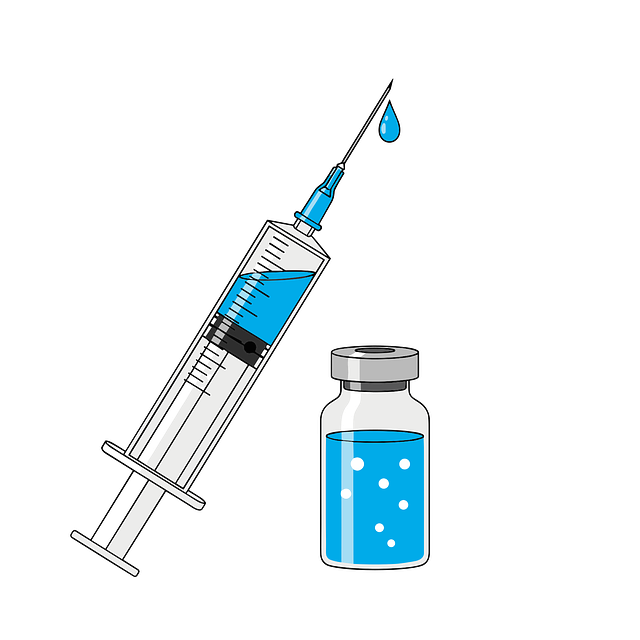
GLP-1 receptor agonists (e.g., semaglutide, tirzepatide) are powerful tools for weight management, but their safe and effective use requires a balanced, integrated approach. The most successful outcomes are typically seen when medication is used as one component of a comprehensive lifestyle strategy, not as a standalone solution.
Integrating Medication with Foundational Health Habits
Strong evidence supports that these medications work best when combined with sustainable lifestyle modifications. The goal is to use the appetite-suppressing effects to facilitate healthier habits, not replace them.
- Nutritional Quality: Prioritize protein, fiber, and nutrient-dense whole foods to help mitigate muscle loss and prevent micronutrient deficiencies, which can be a risk with reduced calorie intake.
- Physical Activity: Incorporate regular resistance training alongside aerobic exercise. This is crucial for preserving lean body mass, which supports metabolic rate and long-term weight maintenance.
- Behavioral Support: Consider working with a dietitian or therapist to address underlying eating behaviors, develop mindful eating practices, and build a sustainable relationship with food.
Expert Insight: Clinicians view these agents as "enablers" for lifestyle change. The medication can reduce the intense physiological drive to eat, creating a window of opportunity to establish new, healthier patterns. The therapy is most effective when this window is actively used for patient education and habit formation, rather than passive weight loss.
Monitoring and Long-Term Perspective
A proactive monitoring plan is essential for safety and efficacy. This includes regular check-ins with a healthcare provider to manage dose titration, monitor for common side effects (like nausea or constipation), and screen for rare but serious adverse events. Individuals with a personal or family history of medullary thyroid carcinoma or Multiple Endocrine Neoplasia syndrome type 2 should not use these drugs. Those with a history of pancreatitis, severe gastrointestinal disease, or kidney impairment require extreme caution and close medical supervision.
It is also critical to understand the long-term commitment. Current evidence suggests that weight regain is common if the medication is discontinued, as the underlying physiological mechanisms reassert themselves. Decisions about duration of therapy should be made collaboratively with a physician, weighing benefits against costs and potential risks.
Key Takeaway: For suitable candidates, a balanced approach combines GLP-1 medication with structured nutrition, exercise, and behavioral support under medical supervision. This framework maximizes health gains while managing risks, moving beyond mere weight loss to foster sustainable metabolic health.
5. Safety Considerations and When to Seek Medical Attention
While GLP-1 receptor agonists (e.g., semaglutide, liraglutide, tirzepatide) are effective for weight management, their use requires careful safety monitoring. The most common side effects are gastrointestinal, including nausea, vomiting, diarrhea, and constipation. These are typically dose-dependent and often transient, but they can be severe enough to cause dehydration or necessitate dose reduction.
More serious, though less common, adverse events require immediate medical evaluation. Patients should be advised to seek urgent medical attention if they experience symptoms suggestive of:
- Acute Pancreatitis: Severe, persistent abdominal pain that may radiate to the back.
- Gallbladder Disease: Pain in the right upper or middle abdomen, fever, or jaundice.
- Diabetic Retinopathy Complications: Sudden vision changes in patients with a history of diabetic retinopathy.
- Acute Kidney Injury: Significant reduction in urine output, swelling, or unusual fatigue, often secondary to dehydration from GI side effects.
- Severe Allergic Reaction: Rash, itching, difficulty breathing, or swelling of the face, lips, or tongue.
Expert Insight: Clinicians emphasize that patient selection is paramount. These medications are contraindicated in patients with a personal or family history of medullary thyroid carcinoma or Multiple Endocrine Neoplasia syndrome type 2 due to a black box warning. Extreme caution is required for individuals with a history of pancreatitis, severe gastrointestinal disease (e.g., gastroparesis), or severe renal impairment. The risk of hypoglycemia increases significantly when these agents are used concomitantly with insulin or sulfonylureas.
Evidence regarding long-term cardiovascular safety is robust for certain indications (e.g., semaglutide in patients with established cardiovascular disease), but data on very long-term use (>5 years) in diverse populations for obesity alone are still accumulating. Patients should have a clear, ongoing dialogue with their healthcare provider.
It is critical to consult a physician before starting or stopping these medications. This is especially important for individuals with the pre-existing conditions mentioned above, those who are pregnant or planning pregnancy, or anyone taking multiple other medications where interactions are possible.
6. Questions & Expert Insights
Are weight loss injections a "miracle cure" for obesity?
No, they are not a miracle cure. These medications, known as GLP-1 receptor agonists (e.g., semaglutide, tirzepatide), are powerful tools that work by mimicking gut hormones to reduce appetite and slow stomach emptying. While clinical trials show impressive average weight loss (often 15-20% of body weight with higher doses), results vary significantly between individuals. They are most effective when combined with permanent, sustainable lifestyle changes in diet and physical activity. Viewing them as a standalone solution often leads to disappointment and weight regain if the medication is discontinued. The evidence is strong for their efficacy, but they are a long-term medical treatment for a chronic disease, not a quick fix.
What are the most serious risks, and who should absolutely avoid these medications?
The most serious risks include pancreatitis, gallbladder disease, and a potential risk of medullary thyroid carcinoma (a boxed warning for those with a personal or family history of specific thyroid cancers). A more common but severe side effect is severe gastrointestinal distress (nausea, vomiting, diarrhea) which can lead to dehydration and kidney injury. These drugs are contraindicated for individuals with a personal or family history of medullary thyroid carcinoma or Multiple Endocrine Neoplasia syndrome type 2 (MEN 2). They should also be used with extreme caution, or avoided, by people with a history of pancreatitis, severe gastrointestinal disease, or severe kidney impairment. The risk-benefit profile must be carefully evaluated for each patient.
When should I talk to my doctor, and how should I prepare for that conversation?
Initiate a conversation with your doctor if you have a Body Mass Index (BMI) ≥30, or ≥27 with at least one weight-related comorbidity (e.g., hypertension, type 2 diabetes, sleep apnea). Before the appointment, prepare by documenting your detailed weight history (past attempts, patterns), current diet and activity, and a full list of all medications and supplements. Be ready to discuss your motivations and goals. This allows your physician to assess if a pharmacologic approach is appropriate and to rule out other medical causes of weight gain. This is a collaborative decision-making process, not a simple prescription request.
How strong is the evidence for long-term safety and maintaining weight loss?
Evidence for efficacy over 1-2 years is robust from randomized controlled trials. However, data beyond 3-5 years is still emerging from extension studies and real-world evidence. Current data suggests that weight loss plateaus and is largely maintained while on continuous treatment, but a significant portion is often regained if the medication is stopped, underscoring obesity's chronic nature. Long-term safety surveillance is ongoing; while the profile appears consistent over time, rare adverse events may only become apparent with broader, prolonged use. This is a key limitation: we are still learning about the outcomes of decades of use. Decisions must balance proven medium-term benefits with acknowledged long-term uncertainties.
7. In-site article recommendations
8. External article recommendations
9. External resources
The links below point to reputable medical and evidence-based resources that can be used for further reading. Always interpret them in the context of your own situation and your clinician’s advice.
-
mayoclinic mayoclinic.orgGLP-1 receptor agonists – Mayo Clinic (search)
-
healthline healthline.comGLP-1 receptor agonists – Healthline (search)
-
wikipedia wikipedia.orgGLP-1 receptor agonists – Wikipedia (search)
These external resources are maintained by third-party organisations. Their content does not represent the editorial position of this site and is provided solely to support readers in accessing additional professional information.