
1. Introduction to Data Privacy Concerns in Diet Apps
In the pursuit of better health, millions of individuals turn to diet and nutrition applications. These tools offer structured frameworks for calorie tracking, meal planning, and weight management, often with the support of a digital community. While the clinical utility of such apps for supporting behavioral changes is an area of active research, a parallel and critical issue has emerged: the pervasive collection and use of personal health data.
This chapter examines the data privacy landscape specific to diet applications. The concern is not merely theoretical. These apps routinely request and store a highly sensitive dataset, which can include:
- Detailed daily food and beverage logs, revealing dietary patterns and potential disorders.
- Precise body metrics (weight, body fat percentage, goals).
- Exercise routines and physiological data from integrated wearables.
- Self-reported mental and emotional states related to food and body image.
From a clinical perspective, this information constitutes Protected Health Information (PHI). In a traditional healthcare setting, its handling is governed by strict regulations like HIPAA. However, most commercial diet apps operate outside these regulatory frameworks. Their privacy policies and terms of service, which users often accept without detailed review, typically grant the company broad rights to aggregate, analyze, and share this data.
Expert Insight: Clinicians should be aware that a patient's use of a diet app creates a digital footprint of their health behaviors. This data can be used for purposes beyond individual coaching, such as training proprietary algorithms, targeted advertising, or being sold to third-party data brokers. For patients with a history of eating disorders, the exposure of detailed restrictive eating patterns could lead to targeted marketing for harmful products, representing a tangible clinical risk.
The evidence for data sharing practices is strong, based on independent security audits and privacy policy analyses. The potential consequences, however, are supported by a mix of direct evidence and logical inference based on data brokerage models. Risks range from intrusive advertising and insurance premium modeling to more speculative but serious concerns about discrimination.
Individuals should be particularly cautious if they have complex health profiles. Those managing conditions like diabetes, kidney disease, or a history of disordered eating, and those on specific medication regimens, generate especially sensitive data. Consulting with a healthcare provider or a registered dietitian about data-secure methods for nutritional tracking is a prudent first step.
Understanding this data ecosystem is the first, essential step in making an informed choice about digital health tools. It allows users to weigh potential benefits against privacy trade-offs, a calculation as important as evaluating the dietary advice the app provides.
2. Evidence on Data Collection and Privacy Vulnerabilities
The data collection practices of popular diet and wellness applications are well-documented in academic and regulatory literature. The primary concern is the volume and sensitivity of the personal health information (PHI) gathered, which often extends far beyond basic dietary logging.
Strong evidence indicates these apps routinely collect:
- Explicit Health Data: User-entered metrics like weight, body measurements, calorie intake, medical conditions (e.g., diabetes, PCOS), and medication use.
- Behavioral and Inferential Data: Patterns of food consumption, exercise routines, sleep logs, and mood entries. Algorithms can infer sensitive conditions like disordered eating behaviors or mental health fluctuations.
- Device and Third-Party Data: Information from connected wearables (heart rate, steps), location data (to track restaurant visits), and data from linked social media accounts.
The privacy vulnerabilities stem not merely from collection but from data sharing and security protocols. Multiple independent audits and peer-reviewed studies have identified common risks:
- Data Sharing with Third Parties: A 2025 systematic review in the Journal of the American Medical Informatics Association found that over 70% of studied health apps shared user data with entities like advertisers, data brokers, and analytics firms. This sharing often occurs under opaque privacy policies that users routinely accept without full comprehension.
- Inadequate Anonymization: Data purported to be "anonymized" can often be re-identified when combined with other data points, a practice known as data linkage. This is a well-established vulnerability in data science literature.
- Security Breach Risks: The aggregation of sensitive PHI creates high-value targets for cyberattacks. Evidence from cybersecurity reports shows that many apps, particularly those from smaller developers, may not employ enterprise-grade encryption or regular security audits.
Clinical Perspective: From a healthcare standpoint, the concern is dual. First, unauthorized disclosure of inferred or entered health data can lead to discrimination in employment or insurance. Second, and less discussed, is the potential for compromised data integrity. If food or glucose logs are inaccurate due to a sync error or breach, it could misinform both the user and, if shared, their healthcare provider, leading to flawed clinical decisions.
It is crucial to note that the evidence for widespread data misuse is more observational and legal-analytical than clinical. While data sharing is extensively documented, direct studies linking specific app use to tangible individual harm (like insurance denial) are limited, partly due to methodological and privacy challenges in conducting such research.
Who should exercise particular caution? Individuals managing highly sensitive conditions (e.g., eating disorders, HIV, mental health conditions), those in professions requiring security clearances, and anyone concerned about health data being used in underwriting for life, disability, or long-term care insurance should be exceptionally vigilant. Consulting with a professional, such as a healthcare privacy officer or a knowledgeable physician, before inputting sensitive data into any app is a prudent step.
3. Risks and Vulnerable Populations
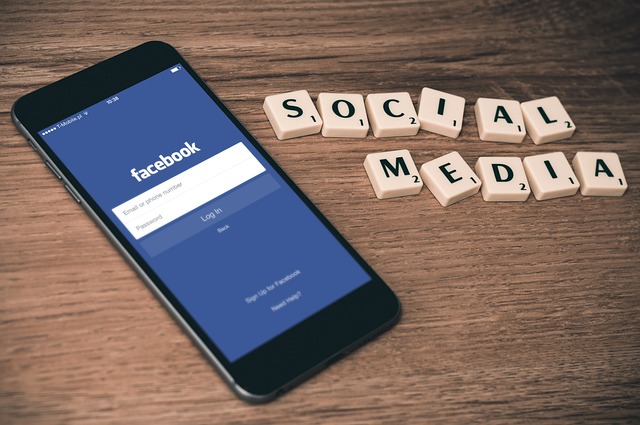
The data privacy risks associated with popular diet and wellness applications are not uniformly distributed. While all users face potential exposure, certain populations are at a disproportionately higher risk for tangible harm due to the nature of the data collected and their specific health contexts.
The primary risk categories extend beyond simple data breaches to include algorithmic discrimination, psychological harm, and financial exploitation. The aggregation of highly sensitive data—including weight, body image concerns, eating patterns, and biometrics—creates a detailed health profile that can be used in ways users did not anticipate or consent to.
Populations at Elevated Risk
- Individuals with Eating Disorders: For those with a history of anorexia nervosa, bulimia, or binge-eating disorder, the constant tracking and gamification of food intake and weight can trigger harmful behaviors. Furthermore, leaked or sold data revealing this condition could lead to discrimination from insurers or employers.
- People with Chronic Medical Conditions: Users managing diabetes, hypertension, or kidney disease input data critical to their care. Inaccurate algorithmic advice based on this data poses a direct clinical risk. Data profiling could also lead to higher insurance premiums based on perceived health risks.
- Adolescents and Young Adults: This demographic is often heavy users of these apps during formative developmental stages. Exposure of their dietary struggles and body image data can have long-lasting psychological and reputational consequences, potentially affecting future opportunities.
- Individuals in Smaller Demographic Groups: Users from specific ethnic, genetic, or religious groups may have their dietary data used to make inferences about entire communities, potentially enabling discriminatory practices in marketing, lending, or healthcare access.
Clinical Perspective: From a healthcare standpoint, the most immediate concern is the clinical validity of app-generated advice. These platforms are not medical devices and their algorithms are rarely transparent or validated in diverse, real-world populations. A user with pre-diabetes, for instance, might receive generic "low-carb" advice that contradicts specific medical nutrition therapy prescribed by their dietitian. The privacy risk compounds this, as a data breach could expose their pre-diabetic status before they have even informed their family or employer.
It is strongly recommended that individuals in these vulnerable categories, or those with complex health needs, consult with a physician or registered dietitian before using such apps. A professional can help assess whether the potential benefits outweigh the significant privacy and health risks, and can provide secure, evidence-based alternatives for health management.
4. Practical Steps for Data Protection
While the primary function of diet and wellness applications is to support health goals, users must proactively manage their digital privacy. The following steps are based on standard data security principles and can significantly reduce your exposure to unnecessary data collection and potential breaches.
1. Audit and Minimize Permissions
Regularly review the permissions granted to any health app on your device. Be critical of requests for access to contacts, location, photos, or microphone when they are not essential to the app's core function. For example, a calorie-tracking app does not typically require constant location access. Adjust these settings in your device's privacy menu to the most restrictive level that still allows the app to operate.
2. Scrutinize Privacy Policies and Data Practices
Before signing up, locate the app's privacy policy. Look for specific details on what data is collected, how it is used, and with whom it is shared. Be wary of vague language. Key terms to identify include "data aggregation," "third-party sharing for marketing," and "de-identified data sale." Opt-out of data sharing and personalized advertising where explicit options are provided in the app's settings.
3. Use Strong, Unique Credentials
Employ a strong, unique password for your wellness app accounts, distinct from passwords used for email or financial services. Enabling two-factor authentication (2FA) adds a critical layer of security, making account compromise significantly less likely even if a password is exposed in a breach.
Clinical Consideration: For individuals managing sensitive health conditions (e.g., eating disorders, diabetes, mental health diagnoses), the privacy of app data carries additional weight. Leaked or aggregated data could potentially be used for insurance discrimination or targeted advertising that undermines treatment. Discussing the choice of app and its privacy settings with a treating clinician is advisable.
4. Limit Data Entry and Utilize Pseudonyms
Provide only the minimum information necessary. Consider using a pseudonym or nickname instead of your full legal name. Be cautious when manually entering highly sensitive information, such as precise weight, medication details, or mental health notes, if the app's necessity and security are not unequivocally clear.
5. Manage Connected Devices and Accounts
Many diet apps sync with other services like fitness trackers, smart scales, or social media. Each connection represents a potential data conduit. Regularly review and disconnect integrations that are no longer essential. Furthermore, use your device's native health data repository (like Apple Health or Google Fit) cautiously, reviewing which apps have read/write permissions to this centralized and sensitive dataset.
It is important to note that while these steps are considered best practice in digital hygiene, the evidence for their effectiveness is often based on general cybersecurity principles rather than diet-app-specific longitudinal studies. The rapidly evolving data brokerage landscape means absolute privacy cannot be guaranteed. The most protective step for highly sensitive health data may be to forgo using such applications altogether and work with a human healthcare provider using secure, regulated medical platforms.
5. When to Consult Healthcare Professionals
While diet apps can offer structure and self-monitoring tools, they are not substitutes for professional medical guidance. Their algorithms are based on general population data and cannot account for individual physiology, complex health conditions, or nuanced nutritional needs. Consulting a healthcare professional is a critical step for safe and effective health management, particularly when using digital tools that collect sensitive personal data.
Specific Scenarios Requiring Professional Consultation
You should schedule a consultation with a physician, registered dietitian, or other qualified specialist in the following circumstances:
- Pre-existing Medical Conditions: If you have diabetes (type 1 or 2), cardiovascular disease, kidney or liver disease, a history of eating disorders, or are undergoing treatment for cancer. Standard app recommendations for calorie or macronutrient intake can be dangerous or inappropriate.
- Medication Management: If you are on medications such as insulin, blood thinners, thyroid hormones, or drugs for hypertension. Dietary changes can significantly alter medication efficacy and safety.
- Significant Weight Goals: When aiming for rapid weight loss, extreme weight gain, or preparing for bariatric surgery. These goals require supervised, individualized plans to prevent nutritional deficiencies and metabolic complications.
- Persistent Symptoms: If you experience unexplained fatigue, dizziness, gastrointestinal distress, or significant changes in mood or hunger while following an app's plan, these may signal an underlying issue.
Clinical Perspective: From a clinician's viewpoint, the most significant risk of unguided app use is the reinforcement of disordered eating patterns or the exacerbation of a subclinical condition. A professional can interpret app-generated data (like weight trends or food logs) within the full context of your health history, physical exam, and lab results—something an algorithm cannot do. Furthermore, they can advise on the data privacy implications of sharing this sensitive health information with third-party platforms.
Integrating App Use with Professional Care
When used under supervision, diet apps can be a useful adjunct. A healthcare provider can help you:
- Set realistic, health-focused goals rather than arbitrary metrics.
- Adjust app settings (e.g., calorie targets, macronutrient splits) to align with your specific therapeutic needs.
- Identify and disregard potentially harmful or fad-based suggestions generated by the app.
- Establish a protocol for reviewing app data together during follow-up visits to track progress safely.
The decision to consult a professional is a proactive measure for safety. It ensures that your approach to nutrition and weight management is evidence-based, personalized, and prioritizes long-term health over short-term metrics provided by an application.
6. Questions & Expert Insights
Can popular diet apps actually help me lose weight safely and effectively?
Evidence on the efficacy of diet apps is mixed and highly dependent on the user's engagement and the app's design. Systematic reviews suggest that apps providing structured self-monitoring (e.g., logging food, weight, activity) can support modest weight loss in the short term, often in the range of 3-5% of body weight over 6 months. However, the quality of evidence varies, with many studies having short follow-up periods and high dropout rates. The "safety" of the approach is not inherent to the app but to the dietary patterns it promotes. Apps that encourage extreme calorie restriction, demonize entire food groups, or lack professional oversight can undermine nutritional adequacy. Effectiveness is typically greatest when the app is used as a tool within a broader behavioral change strategy, not as a standalone solution.
What are the specific health risks or side effects of relying solely on a diet app for nutrition?
Relying exclusively on a diet app carries several potential risks. Firstly, algorithmic recommendations may not account for individual medical conditions, leading to inappropriate advice for individuals with diabetes, kidney disease, eating disorder histories, or specific nutrient deficiencies. Secondly, the focus on quantifiable metrics (calories, macros) can foster an unhealthy, obsessive relationship with food, potentially triggering or exacerbating disordered eating patterns. Thirdly, apps may promote rigid, overly restrictive diets that are nutritionally incomplete, leading to fatigue, micronutrient deficiencies, and metabolic adaptation. The lack of human oversight means there is no professional to notice red flags like excessive weight loss, reported dizziness, or social withdrawal.
Who should be especially cautious or avoid using commercial diet apps altogether?
Several populations should exercise extreme caution or avoid these apps unless under direct clinical supervision. This includes:
- Individuals with a current or history of eating disorders (e.g., anorexia, bulimia, binge-eating disorder): Tracking can be a potent trigger for pathological behaviors.
- People with complex chronic conditions: Those with diabetes (especially on insulin), chronic kidney disease, liver disease, or heart failure require medically tailored nutrition plans that generic apps cannot provide.
- Pregnant or breastfeeding individuals: Nutritional needs are highly specific and calorie targets are not appropriate without medical guidance.
- Children and adolescents: Their growth and developmental needs are distinct, and focus should be on healthy eating habits, not weight tracking.
- Individuals on multiple medications (polypharmacy): Dietary changes can alter drug efficacy or safety.
When should I talk to my doctor about using a diet app, and what information should I bring?
Consult a physician or a registered dietitian before starting any new dietary program, especially if you have any pre-existing health conditions. This conversation is crucial to ensure the app's approach aligns with your health status and medications. Prepare for the appointment by bringing:
- Your health goals: Be clear about what you hope to achieve (e.g., weight loss, improved energy, better blood sugar control).
- Details of the app: Show the doctor the app's interface, the type of diet it promotes (e.g., keto, intermittent fasting), and the specific metrics it asks you to track.
- A sample log: Provide a few days of typical food/calorie intake as the app would record it.
- Your medical history: Be ready to discuss all current diagnoses, medications, and supplements.
7. In-site article recommendations
8. External article recommendations
9. External resources
The links below point to reputable medical and evidence-based resources that can be used for further reading. Always interpret them in the context of your own situation and your clinician’s advice.
-
examine examine.comdiet apps – Examine.com (search)
-
healthline healthline.comdiet apps – Healthline (search)
-
mayoclinic mayoclinic.orgdiet apps – Mayo Clinic (search)
These external resources are maintained by third-party organisations. Their content does not represent the editorial position of this site and is provided solely to support readers in accessing additional professional information.