
1. Introduction to Tai Chi Walking and Its Holistic Context

Tai Chi Walking is a mindful movement practice that integrates the flowing, meditative principles of traditional Tai Chi with the fundamental act of walking. It is not a specific, codified form but rather an approach to ambulation that emphasizes body awareness, balance, and relaxed, intentional motion. This practice sits within a holistic wellness framework, viewing physical activity as inseparable from mental and emotional states.
The core objective is to cultivate a state of moving meditation. Practitioners focus on:
- Postural Alignment: Maintaining an upright, relaxed spine with shoulders down and pelvis neutral.
- Weight Transfer: Moving with a conscious, controlled shift of weight from one leg to the other, akin to Tai Chi stepping.
- Breath Coordination: Synchronizing slow, deep diaphragmatic breathing with the rhythm of steps.
- Mindful Attention: Directing awareness to the sensations of movement and contact with the ground.
From an evidence-based perspective, the components of Tai Chi Walking are supported by research on its parent practices. Systematic reviews and meta-analyses provide strong evidence that traditional Tai Chi can improve:
- Balance and reduce fall risk in older adults.
- Symptoms of osteoarthritis and chronic low back pain.
- Measures of stress, anxiety, and depression.
Evidence specifically for "Tai Chi Walking" as a distinct modality is more limited and primarily extrapolated from these related fields. Preliminary studies on mindful walking suggest benefits for cognitive function and mood regulation, but larger, long-term trials are needed.
Clinical Perspective: In practice, we see value in this integration. The slow, weight-bearing nature of the movement can enhance proprioception and joint stability, while the meditative component may downregulate the sympathetic nervous system. It represents a low-impact, scalable form of mindful exercise.
It is important to approach this practice with appropriate caution. Individuals with the following conditions should consult a physician or a qualified physical therapist before beginning:
- Significant balance disorders or a recent history of falls.
- Acute joint inflammation or unstable orthopedic conditions.
- Vertigo or uncontrolled hypotension.
When practiced mindfully and with proper guidance, Tai Chi Walking offers a accessible pathway to exploring the interconnected nature of physical and mental well-being.
2. Evidence-Based Mechanisms and Research Findings

The practice of Tai Chi Walking, which integrates the mindful movement of Tai Chi with the fundamental act of walking, is supported by a growing body of scientific research. Its benefits are understood to arise from several interconnected physiological and psychological mechanisms.
Key Mechanisms of Action
The primary mechanisms through which Tai Chi Walking is believed to exert its effects include:
- Mind-Body Integration: The practice requires focused attention on posture, breath, and fluid movement. This mindful component can downregulate the sympathetic nervous system (the "fight-or-flight" response) and enhance parasympathetic activity, promoting relaxation and stress resilience.
- Dynamic Balance Training: The slow, controlled weight-shifting and deliberate foot placement provide continuous, low-impact challenge to the proprioceptive and vestibular systems, which is crucial for fall prevention.
- Gentle Musculoskeletal Loading: It promotes strength, particularly in the lower extremities and core, and maintains joint mobility through its full range-of-motion movements without high-impact stress.
Summary of Research Findings
Evidence for Tai Chi's benefits is robust in certain areas and emerging in others. It is critical to distinguish the strength of these findings.
Strongest Evidence: Systematic reviews and meta-analyses consistently show that traditional Tai Chi is an effective intervention for:
- Improving balance and reducing fall risk in older adults and individuals with Parkinson’s disease.
- Reducing symptoms of anxiety and depression.
- Managing chronic pain, such as in knee osteoarthritis and fibromyalgia.
- Lowering blood pressure and improving cardiovascular fitness modestly.
Preliminary or Mixed Evidence: Research specifically on "Tai Chi Walking" as a distinct protocol is more limited. Benefits for cognitive function, sleep quality, and immune function are suggested by smaller studies but require larger, longer-term trials for confirmation. The additive benefit of combining walking with Tai Chi forms versus either alone is an active area of investigation.
Clinical Perspective: From a clinical standpoint, Tai Chi Walking is valued as a multimodal, low-risk exercise modality. Its dual focus on physical movement and meditative awareness makes it uniquely suited for populations where high-intensity exercise is contraindicated or for managing stress-related conditions. However, it is not a substitute for targeted physical therapy for acute injuries or for high-intensity cardio for significant cardiovascular conditioning.
Important Considerations: Individuals with severe osteoporosis, acute vertigo, significant joint instability, or uncontrolled hypertension should consult a physician or physical therapist before beginning. They may require modified postures or additional supervision to practice safely.
3. Risks, Contraindications, and Special Populations

While Tai Chi walking is widely regarded as a low-impact, safe activity, a responsible approach requires acknowledging potential risks and contraindications. The primary risks are musculoskeletal, typically arising from improper form or overexertion. These can include minor joint strain, muscle soreness, or, in rare cases, falls due to loss of balance during weight-shifting movements.
Certain populations should exercise particular caution or seek medical clearance before beginning this practice:
- Individuals with Acute or Unstable Medical Conditions: Those with uncontrolled hypertension, recent myocardial infarction, unstable angina, or acute vertigo should avoid starting a new exercise regimen without physician approval.
- People with Significant Balance Impairments or Severe Osteoporosis: While Tai Chi can improve balance, those with a high fall risk or severe bone fragility may need modified, supervised instruction to ensure safety.
- Those Recovering from Surgery or Injury: Post-operative patients, especially after joint replacement or spinal surgery, must follow specific movement restrictions from their surgeon or physiotherapist.
- Pregnant Individuals: Although gentle movement is often encouraged, balance changes and ligament laxity during pregnancy necessitate consultation with an obstetric care provider for tailored guidance.
Clinical Perspective: From a safety standpoint, the most common error for beginners is pushing range of motion too far, too quickly. The principle of "song" (松)—relaxation and release of tension—is paramount. Discomfort is a signal to reduce intensity, not a challenge to overcome. For patients with chronic conditions like osteoarthritis or Parkinson's disease, evidence strongly supports Tai Chi's benefits, but initiation should be under the guidance of a qualified instructor familiar with these populations.
The evidence base for Tai Chi's safety profile is robust for the general population, but data on its specific risks in certain complex medical scenarios is more limited. It is crucial to distinguish between a contraindication (where the activity should be avoided) and a need for adaptation and supervision.
A prudent rule is to consult a healthcare professional if you have any diagnosed cardiovascular, respiratory, neurological, or musculoskeletal condition, or if you experience pain, dizziness, or shortness of breath during practice. A qualified Tai Chi instructor can then provide appropriate modifications to ensure your practice supports holistic wellness safely.
4. Practical Implementation and 14-Day Guide Takeaways
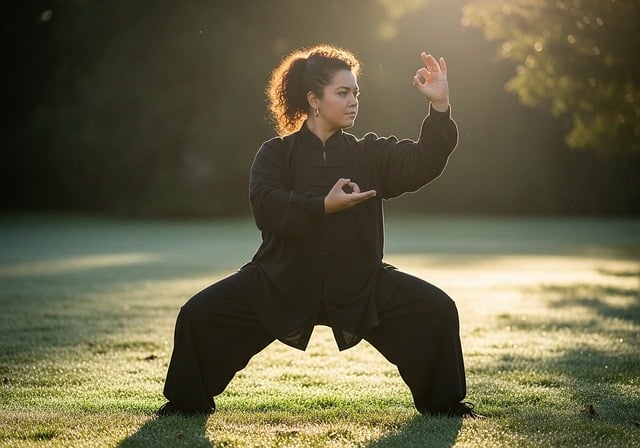
Successfully integrating Tai Chi Walking into your routine requires a structured, patient approach. The 14-day guide is designed to build foundational skills and body awareness progressively, not to achieve mastery. Consistency with short, daily practice is more valuable than infrequent, long sessions.
A typical daily implementation involves three key phases:
- Centering (2-3 minutes): Begin standing with relaxed posture, focusing on deep, diaphragmatic breathing to settle the mind and connect with your body.
- Movement Practice (10-15 minutes): Follow the day's prescribed walking pattern, moving slowly with intention. Prioritize smooth weight transfer and maintaining a rooted, stable stance.
- Integration (2-3 minutes): Conclude by standing quietly, observing any shifts in bodily sensation or mental state, before resuming your day.
The evidence for structured, short-term mindful movement programs like this is promising but has limitations. Research strongly supports that regular Tai Chi practice improves balance, reduces fall risk in older adults, and lowers stress. The specific format of a 14-day introductory walking program, while logical for habit formation, is typically studied as part of longer interventions. Benefits in mood and focus may be felt quickly, while physiological changes often require sustained practice over months.
Clinical Perspective: From a rehabilitation standpoint, this phased approach is sound. The initial focus on posture and weight shifting is foundational for proprioception and joint stability. Patients should be advised that the ultra-slow pace is a feature, not a bug—it allows for heightened neuromuscular re-education. The guide's value lies in building the habit of mindful movement, which can then be expanded upon.
Key takeaways from completing the guide should be realistic and personal:
- You have established a template for a sustainable mindful movement practice.
- You have likely developed a greater awareness of your posture, balance, and gait.
- You may notice subtle improvements in calmness or bodily ease, which are positive early indicators.
Important Precautions: Individuals with significant balance disorders, acute joint pain, severe osteoporosis, or uncontrolled cardiovascular conditions should consult a physician or physical therapist before beginning. Those recovering from injury should modify movements to avoid pain. If dizziness or persistent discomfort arises, stop and seek professional advice.
5. Safety Monitoring and Indications for Medical Consultation
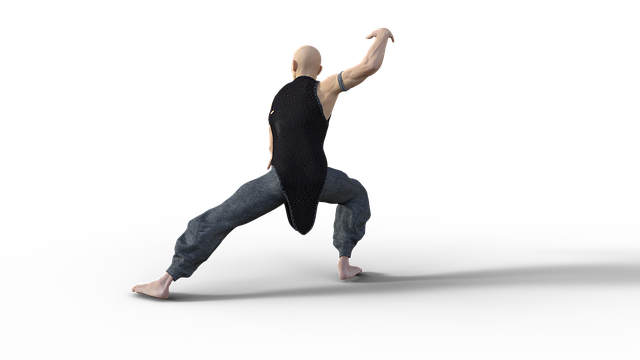
While Tai Chi walking is a low-impact, gentle practice, a mindful and proactive approach to safety is essential. This practice is generally considered safe for most people, with a low risk of injury. However, as with any physical activity, individual health conditions necessitate specific precautions.
Key Safety Principles for Self-Monitoring
During your practice, pay close attention to your body's signals. This is a form of internal feedback, not a test of endurance.
- Pain vs. Discomfort: Distinguish between the mild muscular discomfort of new movement and sharp, stabbing, or joint-specific pain. The latter is a clear signal to stop.
- Balance and Dizziness: A slight feeling of unsteadiness when first practicing weight shifts is common. Persistent dizziness, lightheadedness, or a significant fear of falling requires you to pause and reassess your stance or consult a professional.
- Breathing: Your breath should remain relaxed and natural. Avoid holding your breath or forcing deep breaths, which can increase blood pressure or cause lightheadedness.
- Fatigue: Practice should leave you feeling gently energized, not exhausted. Respect your energy levels, especially in the initial 14-day period.
Indications for Medical Consultation
Certain individuals should seek advice from a qualified healthcare provider—such as a physician, physiotherapist, or cardiologist—before beginning this or any new exercise regimen. This is a standard precaution for responsible health engagement.
Consultation is strongly advised if you have:
- Uncontrolled cardiovascular conditions (e.g., unstable angina, uncontrolled hypertension, heart failure).
- Severe osteoporosis or a recent history of fractures.
- Active joint inflammation, acute injury, or recent surgery (especially of the knee, hip, or ankle).
- Neurological conditions affecting balance (e.g., Parkinson’s disease, peripheral neuropathy, vestibular disorders).
- Unmanaged dizziness or a history of frequent falls.
- Pregnancy, particularly if you are new to exercise or have pregnancy-related complications.
Clinical Perspective: From a medical standpoint, the greatest risk in practices like Tai Chi walking is not the movement itself, but the failure to recognize contraindications or to modify the practice for individual limitations. A healthcare provider can help you establish safe parameters. For instance, someone with knee osteoarthritis may benefit greatly from the gentle motion but might need to limit the depth of their stance. Clear communication with your provider ensures the practice supports, rather than conflicts with, your overall health management plan.
By integrating this mindful monitoring and seeking appropriate guidance, you establish a foundation for a sustainable and safe practice that genuinely contributes to holistic wellness.
6. Questions & Expert Insights
Is Tai Chi walking really effective for health, or is it just a gentle activity?
Tai Chi walking is more than just a gentle stroll. It is a structured, mindful movement practice that integrates principles from Tai Chi, such as weight shifting, controlled breathing, and relaxed posture, into the act of walking. Evidence suggests that traditional Tai Chi offers benefits for balance, fall prevention, cardiovascular health, and stress reduction. While specific high-quality, long-term studies on "Tai Chi walking" as a distinct modality are limited, the core components are well-supported. The slow, deliberate weight transfer and postural awareness can improve proprioception and lower-body strength, which are critical for stability. The meditative aspect may help regulate the nervous system. Therefore, while more research is needed on this specific hybrid form, its foundation in established mind-body principles makes it a credible, low-impact exercise option with likely systemic benefits, particularly for those seeking a gentler alternative to more vigorous aerobic activities.
What are the risks or side effects, and who should avoid Tai Chi walking?
While generally very safe, Tai Chi walking is not without potential risks, primarily related to musculoskeletal strain or loss of balance. Improper form, such as leaning too far forward or locking the knees, can lead to joint discomfort. The most significant risk is falling during the weight-shifting movements, especially for individuals with pre-existing balance disorders. Individuals who should exercise particular caution or seek medical clearance first include: those with severe osteoporosis, acute vertigo, uncontrolled hypertension, significant joint instability (e.g., severe knee osteoarthritis), or recent surgery. People with certain neurological conditions affecting coordination should also consult a specialist. For most, starting slowly, focusing on form over range of motion, and using a wall or sturdy chair for support can effectively mitigate these risks.
When should I talk to my doctor before starting, and what should I discuss?
You should consult your physician or a relevant specialist (e.g., cardiologist, physiatrist, physical therapist) if you have any chronic or unstable health condition. Key scenarios include: a history of heart disease, recent cardiac event, pulmonary issues, dizziness or falls, severe arthritis, or if you are pregnant. For the conversation, come prepared. Be specific: Describe Tai Chi walking as "a slow, mindful walking practice with continuous, flowing weight shifts and deep breathing." Ask direct questions: "Given my [specific condition], are there movement precautions I should take?" "Are there any vital sign parameters (like heart rate) I should monitor?" "Should I work with a physical therapist initially to adapt the postures?" Bringing a summary of the planned 14-day routine can help your provider give tailored, safe advice.
How does Tai Chi walking compare to regular walking or standard Tai Chi in terms of benefits?
Each modality offers a distinct profile. Regular brisk walking is excellent for cardiovascular fitness and calorie burn, often yielding more significant improvements in aerobic capacity. Traditional Tai Chi (a series of choreographed forms) typically provides a greater challenge to dynamic balance, lower-limb strength, and focused mindfulness due to its complex, multi-directional movements. Tai Chi walking sits between them. It likely offers a moderate cardiovascular benefit superior to standard Tai Chi but less than brisk walking. Its primary advantage is its singular focus on gait and weight transfer, which may make it more accessible for absolute beginners than a full Tai Chi form, while providing deeper balance and proprioceptive training than ordinary walking. It is best viewed not as a replacement for either, but as a valuable complementary practice or a gateway into broader mind-body exercise.
7. In-site article recommendations
8. External article recommendations
9. External resources
The links below point to reputable medical and evidence-based resources that can be used for further reading. Always interpret them in the context of your own situation and your clinician’s advice.
-
mayoclinic mayoclinic.orgTai Chi Walking – Mayo Clinic (search)
-
wikipedia wikipedia.orgTai Chi Walking – Wikipedia (search)
-
healthline healthline.comTai Chi Walking – Healthline (search)
These external resources are maintained by third-party organisations. Their content does not represent the editorial position of this site and is provided solely to support readers in accessing additional professional information.