
1. Understanding Tai Chi Walking: An Overview
Tai Chi Walking is a modern, structured practice that integrates the core principles of traditional Tai Chi into the fundamental act of walking. It is not a specific historical form but a deliberate application of Tai Chi's mindful movement mechanics to enhance the health benefits of a daily activity. The practice focuses on cultivating a state of relaxed awareness, proper body alignment, and coordinated, fluid motion.
The foundational principles guiding Tai Chi Walking include:
- Mindful Awareness (Yi): Directing conscious attention to the body's movements, breath, and sensations, moving away from automatic, distracted walking.
- Body Alignment (Zhong Zheng): Maintaining an upright, relaxed posture with the head suspended, shoulders dropped, and spine elongated to optimize energy flow and reduce joint strain.
- Weight Transfer and Rooting: Deliberately shifting weight from one leg to the other with stability, fostering a sense of being "grounded" with each step.
- Integrated Movement: Coordinating the motion of the legs, torso, and arms in a harmonious, wave-like manner, rather than moving limbs in isolation.
From a clinical perspective, the proposed metabolic benefits of Tai Chi Walking are theorized to stem from this unique combination of gentle physical activity and stress-modulating mindfulness. The slow, controlled movements engage both major muscle groups and deeper stabilizing muscles, potentially increasing energy expenditure compared to casual walking. Concurrently, the meditative component may help lower cortisol levels, a hormone which, when chronically elevated, can contribute to metabolic dysregulation and abdominal fat storage.
Expert Insight: While the individual components—low-impact aerobic activity and stress reduction—are well-supported for metabolic health, high-quality, long-term studies specifically on "Tai Chi Walking" as a defined protocol are limited. Current evidence is largely extrapolated from research on traditional Tai Chi forms and mindful movement practices. The metabolic impact is likely moderate and cumulative, acting as a valuable adjunct to, not a replacement for, broader lifestyle modifications including nutrition and more vigorous exercise where appropriate.
Individuals with significant balance issues, acute joint injuries, or uncontrolled cardiovascular conditions should consult a physician or a qualified physical therapist before beginning any new movement practice. A certified Tai Chi instructor can provide crucial guidance on proper form to ensure safety and maximize benefit.
2. Metabolic Benefits: The Science Behind Tai Chi Walking
Tai Chi Walking, a practice that integrates the mindful, flowing movements of Tai Chi with the fundamental act of walking, is gaining attention for its potential to support metabolic health. The metabolic benefits are not derived from high-intensity exertion but from a unique combination of low-impact physical activity, stress modulation, and neuromuscular integration.
Mechanisms of Action
The science points to several interconnected pathways through which this gentle practice may influence metabolism:
- Improved Insulin Sensitivity: Regular, moderate physical activity like Tai Chi Walking enhances the body's ability to use glucose effectively. Studies on traditional Tai Chi have shown improvements in glycemic control in individuals with type 2 diabetes and prediabetes, suggesting a similar potential for the walking variant.
- Stress Hormone Regulation: Chronic stress elevates cortisol, a hormone that can promote fat storage, particularly visceral fat. The meditative, breath-focused nature of Tai Chi Walking activates the parasympathetic nervous system, helping to lower cortisol levels and mitigate this metabolic stress response.
- Enhanced Mitochondrial Function: The sustained, rhythmic muscle engagement may improve the efficiency of mitochondria (the cellular power plants), potentially increasing resting energy expenditure over time.
Evaluating the Evidence
It is crucial to contextualize the evidence. The direct research on "Tai Chi Walking" as a distinct modality is limited. Most robust data comes from studies on traditional Tai Chi or mindful walking separately.
- Stronger Evidence: There is consistent, moderate-quality evidence that Tai Chi improves balance, reduces stress, and can lead to modest improvements in cardiovascular risk factors, including blood pressure and lipid profiles, which are key components of metabolic syndrome.
- Preliminary/Mixed Evidence: Direct claims about significant weight loss or dramatically boosted metabolic rate from Tai Chi Walking alone are not strongly supported. Its primary metabolic value lies in sustainable activity, stress reduction, and as a gateway to more active living, particularly for those sedentary or unable to perform vigorous exercise.
Clinical Perspective: From a metabolic standpoint, we view Tai Chi Walking not as a standalone "fat-burning" workout, but as a highly sustainable form of movement therapy. Its greatest impact may be for individuals with obesity, arthritis, or chronic stress where high-intensity exercise is contraindicated or unsustainable. The practice helps build consistent activity habits and improves mind-body awareness, which can support broader lifestyle changes crucial for metabolic health.
Who Should Proceed with Caution? While generally safe, individuals with severe osteoporosis, acute vertigo, or significant joint instability should consult a physician or physical therapist to adapt movements. Those with active metabolic disorders like diabetes should monitor blood glucose levels as activity patterns change.
In summary, the metabolic science behind Tai Chi Walking is promising and biologically plausible, emphasizing holistic improvement in metabolic markers through gentle, consistent practice rather than acute, intense calorie burn.
3. Contraindications and Precautions for Tai Chi Walking

While Tai Chi Walking is widely regarded as a low-impact and safe form of exercise, it is not universally appropriate for all individuals without consideration. Acknowledging contraindications and necessary precautions is essential for practicing safely and effectively.
Absolute and Relative Contraindications
There are few absolute contraindications to Tai Chi Walking, but they are critical to recognize. The primary one is acute, unstable medical conditions. This includes:
- Uncontrolled heart failure or recent myocardial infarction.
- Acute vertigo or dizziness where balance is severely compromised.
- Active, unstable joint injuries (e.g., acute ankle sprain, recent knee ligament tear) where weight-bearing is contraindicated.
For these conditions, medical stabilization is required before beginning any new movement practice.
Populations Requiring Medical Consultation & Precautions
Many individuals can practice safely with modifications and professional guidance. It is strongly advised to consult with a physician or a qualified physical therapist before starting if you have:
- Severe Osteoporosis: While gentle movement is beneficial, certain twisting motions or the risk of a fall could pose a fracture risk. A therapist can advise on posture and safe ranges of motion.
- Significant Balance Disorders: Individuals with advanced Parkinson's disease, vestibular disorders, or neuropathy should practice under supervision, likely near a stable support.
- Advanced Osteoarthritis or Joint Replacements: Motion should be pain-free. A healthcare provider can recommend specific movement limitations (e.g., deep knee bends).
- Late-stage Pregnancy: While gentle movement is often encouraged, balance shifts and ligament laxity require caution. A healthcare provider's approval is essential.
Clinical Perspective: The principle of "first, do no harm" applies. A key precaution is to distinguish between "good" muscular effort and "bad" joint pain. Any sharp, shooting, or persistent joint pain during or after practice is a signal to stop and reassess. The goal is mindful movement within a pain-free range, not pushing through discomfort.
General Safety Precautions for All Practitioners
Adhering to basic safety measures can prevent most adverse events:
- Environment: Practice on a flat, even, non-slip surface. Ensure adequate space and clear the area of tripping hazards.
- Footwear: Wear supportive, flat-soled shoes to provide stability and protect the feet.
- Hydration & Pacing: Drink water before and after practice. Start with short sessions (5-10 minutes) and gradually increase duration to avoid overuse strain.
- Listening to Your Body: Tai Chi Walking emphasizes awareness. If you feel dizzy, lightheaded, or experience unusual shortness of breath, stop, rest, and consult a healthcare professional if symptoms persist.
By understanding these contraindications and integrating these precautions, practitioners can maximize the benefits of Tai Chi Walking while minimizing any potential risks. When in doubt, seeking guidance from a qualified instructor familiar with therapeutic movement is always a prudent step.
4. Incorporating Tai Chi Walking into Daily Routine
The integration of Tai Chi Walking into daily life is most successful when approached as a sustainable practice, not a performance. The goal is to cultivate mindful movement within existing routines, leveraging the principle of "practice in daily life" central to traditional Tai Chi philosophy. Evidence from studies on mindful movement suggests consistency, even in short durations, is more beneficial for long-term metabolic and neurological adaptation than sporadic, intense sessions.
Begin by identifying a consistent, low-stress time slot. A practical starting point is a 10-15 minute session, 3-5 days per week. This could be:
- A dedicated morning walk in a quiet park or garden.
- A mindful transition during a work break, focusing on the walk between buildings or to a lunch spot.
- A post-dinner wind-down routine to aid digestion and signal the body for rest.
Focus initially on a single principle per session to avoid cognitive overload. For example, one day concentrate solely on maintaining a soft gaze and relaxed shoulders. Another day, practice coordinating your breath with your steps—inhaling for two steps, exhaling for two steps. The foundational posture is critical: stand tall, imagining a string lifting the crown of your head, with knees slightly bent and never locked.
Clinical Perspective: From a rehabilitation and behavioral change standpoint, "habit stacking" is highly effective. Anchor your Tai Chi Walking practice to an established daily habit, such as after brushing your teeth or before your first cup of coffee. This leverages existing neural pathways to build the new routine. The emphasis on postural alignment and controlled breathing also provides proprioceptive and interoceptive feedback, which can be particularly grounding for individuals managing stress or anxiety.
It is important to distinguish the strong evidence for Tai Chi's benefits for balance, fall prevention, and stress reduction from the more preliminary evidence specifically for "Tai Chi Walking" and metabolic boost. While the constituent movements and principles are well-studied, research on this specific integrated walking form as a distinct modality is still emerging. The proposed metabolic benefits are theoretically sound based on the combination of light aerobic activity, muscle engagement, and stress modulation, but more controlled trials are needed.
Who should proceed with caution: Individuals with significant balance disorders, severe osteoporosis, acute joint inflammation (e.g., a knee flare-up), or uncontrolled cardiovascular conditions should consult a physician or physical therapist before beginning. They can provide guidance on safe modifications, such as performing the movements near a wall for support or shortening the stride.
The ultimate aim is for the mindful, flowing awareness of Tai Chi Walking to gradually infuse your ordinary walking, transforming a functional activity into an opportunity for metabolic engagement and mental centering.
5. When to Seek Medical Advice
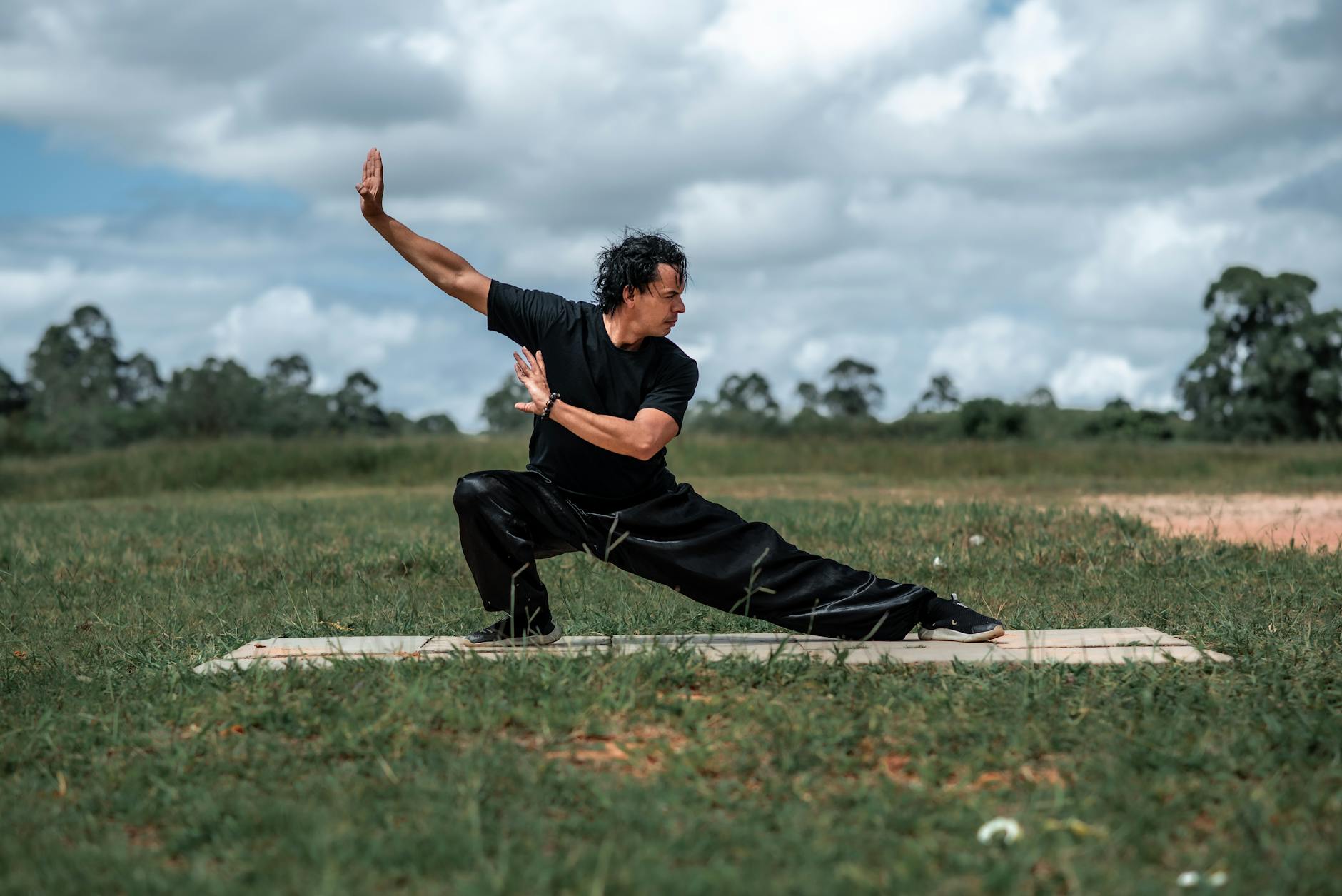
While Tai Chi walking is a low-impact, gentle practice, it is a form of physical activity that engages multiple body systems. A proactive consultation with a healthcare professional is a prudent step for many individuals before beginning any new exercise regimen, including this one. This is not a sign of weakness but a cornerstone of safe, personalized health management.
You should strongly consider seeking medical advice prior to starting Tai Chi walking if you have any of the following conditions or circumstances:
- Cardiovascular issues: A history of heart disease, uncontrolled hypertension, heart failure, or recent cardiac event.
- Musculoskeletal injuries or disorders: Acute injuries (e.g., recent sprains, fractures), severe osteoporosis, active inflammatory arthritis, or chronic pain conditions that may be aggravated by weight-bearing movement.
- Neurological conditions: Conditions affecting balance and coordination, such as Parkinson’s disease, peripheral neuropathy, or a history of strokes, require tailored guidance to ensure safety.
- Pregnancy: While gentle movement is often beneficial, modifications may be necessary, especially in later trimesters.
- Recent surgery: Particularly involving the joints, abdomen, or eyes (e.g., cataract surgery).
- Dizziness or vertigo: Unexplained or frequent episodes of dizziness.
Clinical Perspective: From a medical standpoint, the primary goal of this consultation is risk stratification. A clinician can help determine if your current health status allows for safe participation, identify any necessary modifications (e.g., avoiding deep stances, using a chair for support), and ensure the activity does not interfere with existing treatments. This is especially critical for individuals on medications that affect balance, blood pressure, or blood sugar.
Furthermore, it is essential to listen to your body during and after practice. Discontinue the activity and consult a physician if you experience any of the following warning signs:
- Chest pain, pressure, or unusual shortness of breath.
- Dizziness, lightheadedness, or fainting.
- Sharp, shooting, or persistent joint pain.
- A sudden increase in chronic pain levels.
Finally, have realistic expectations. The evidence for Tai Chi's benefits on metabolic parameters like insulin sensitivity and lipid profiles is promising but often comes from studies with specific populations and varying protocols. It should be viewed as a supportive component of a holistic health plan, not a standalone treatment for metabolic conditions. Always discuss integrating such practices with your care team to ensure they complement your overall medical management.
6. Questions & Expert Insights
Is Tai Chi walking really effective for boosting metabolism, or is it just gentle movement?
The claim that Tai Chi walking boosts metabolism is supported by physiological principles and a growing body of research, though the effects are moderate and cumulative. Studies on Tai Chi and related mindful movement practices show they can improve metabolic markers, such as insulin sensitivity and lipid profiles, and reduce inflammatory cytokines. The metabolic boost likely stems from several factors: the low-to-moderate aerobic activity increases caloric expenditure, the mindful component may help regulate the stress-hormone cortisol (which influences fat storage), and improved muscle engagement from the controlled movements can enhance post-exercise oxygen consumption. However, it is not a high-intensity metabolic stimulant like sprinting or heavy resistance training. The primary metabolic benefits are best viewed as a sustainable, low-impact component of a holistic health strategy that supports a healthier metabolic baseline over time.
What are the risks or side effects of Tai Chi walking, and who should be cautious?
While exceptionally safe for most, Tai Chi walking is not without potential risks, primarily related to balance, joint stress, and underlying health conditions. The most common issue is minor muscle soreness from using stabilizing muscles in new ways. The primary risk is loss of balance, which could lead to a fall, especially for older adults or those with vestibular disorders, neuropathy, or severe osteoporosis. Individuals with acute joint injuries, unstable knees or ankles, or significant arthritis should modify stances and avoid deep postures. Those with uncontrolled hypertension or cardiovascular disease should progress very gradually, as the isometric holds in some postures can affect blood pressure. Crucially, it is generally safe when practiced with awareness and appropriate modifications, but listening to your body is paramount.
I have a chronic health condition. When should I talk to my doctor before starting Tai Chi walking?
Consulting a physician is strongly advised if you have any unstable or significant chronic condition. Key scenarios include: diagnosed heart disease (e.g., heart failure, arrhythmia), recent cardiac event, or stroke; respiratory conditions like severe COPD; active inflammatory arthritis or recent joint surgery; severe osteoporosis with high fracture risk; vertigo or balance disorders; and pregnancy, especially in the second and third trimesters where balance shifts. For this conversation, bring a clear description of what Tai Chi walking involves (gentle, weight-shifting walking with arm movements) and your specific goals (e.g., improve balance, reduce stress). Ask your doctor about any movement restrictions, safe heart rate zones, and whether a supervised program (like cardiac or pulmonary rehab) that incorporates Tai Chi is available. This ensures your practice is tailored to your safety.
How does Tai Chi walking compare to regular walking or other exercises for metabolic health?
Tai Chi walking offers distinct and complementary benefits compared to regular brisk walking or conventional exercise. For pure caloric burn and cardiovascular fitness, sustained brisk walking or jogging is more potent. However, Tai Chi walking integrates a strong mind-body component, emphasizing posture, core engagement, coordinated breathing, and deliberate weight shifting. This can lead to better movement patterns, enhanced proprioception (body awareness), and greater stress reduction—all factors that indirectly support metabolic health by improving nervous system balance and exercise adherence due to low injury risk. Evidence suggests its effects on biomarkers like heart rate variability and stress hormones may be more pronounced than in standard walking. For optimal metabolic benefit, it can be highly effective as a foundational daily practice or an active recovery day, paired with more vigorous aerobic and strength training throughout the week.
7. In-site article recommendations
8. External article recommendations
9. External resources
The links below point to reputable medical and evidence-based resources that can be used for further reading. Always interpret them in the context of your own situation and your clinician’s advice.
-
healthline healthline.comTai Chi Walking – Healthline (search)
-
examine examine.comTai Chi Walking – Examine.com (search)
-
drugs drugs.comTai Chi Walking – Drugs.com (search)
These external resources are maintained by third-party organisations. Their content does not represent the editorial position of this site and is provided solely to support readers in accessing additional professional information.