
1. Introduction to Berberine and Its Role in Craving Management
Berberine is a bioactive alkaloid compound extracted from the roots, rhizomes, and stem bark of several plants, including Berberis vulgaris (barberry), Coptis chinensis (goldthread), and Hydrastis canadensis (goldenseal). For centuries, it has been a cornerstone of traditional Chinese and Ayurvedic medicine, primarily used for its antimicrobial and gastrointestinal properties. In modern clinical research, berberine has gained significant attention for its potential metabolic benefits, particularly in modulating blood sugar and lipid levels.
The connection between berberine and the management of cravings is rooted in its influence on fundamental metabolic and neurological pathways. Cravings, especially for carbohydrates and sugars, are not merely a matter of willpower; they are complex physiological responses involving blood glucose regulation, insulin sensitivity, and neurotransmitter signaling.
Emerging evidence suggests berberine may help moderate these cravings through several interconnected mechanisms:
- AMPK Activation: Berberine is a well-documented activator of AMP-activated protein kinase (AMPK), often described as a cellular "master switch" for metabolism. By activating AMPK, berberine can improve insulin sensitivity and promote glucose uptake in cells, which may help stabilize blood sugar levels and reduce the sharp spikes and crashes that trigger cravings.
- Gut Microbiome Modulation: Preliminary research indicates berberine may beneficially alter the composition of gut bacteria. Since the gut microbiome plays a role in appetite regulation and energy harvest from food, this represents a promising, though not yet fully understood, pathway for influencing food desire.
- Neurotransmitter Influence: Animal studies suggest berberine may affect dopamine and serotonin systems in the brain, which are directly involved in reward and satiety signaling. However, this evidence is preliminary, and human data is limited.
Clinical Perspective: It is crucial to distinguish between established and theoretical benefits. The evidence for berberine's effect on metabolic parameters like fasting glucose and HbA1c is relatively robust, supported by multiple meta-analyses of randomized controlled trials. Its direct effect on "cravings" as a subjective experience, however, is less definitively proven. Most human studies measure objective biomarkers, not craving intensity. Therefore, while the physiological groundwork is compelling, claims about craving reduction should be viewed as a plausible hypothesis derived from berberine's known metabolic actions, not a guaranteed outcome.
Individuals considering berberine should exercise caution. Its use is not advisable for pregnant or breastfeeding women due to a lack of safety data and theoretical risks. It can interact with numerous medications metabolized by the liver (via CYP450 enzymes), including certain blood thinners, statins, and cyclosporine. Those with pre-existing liver conditions, kidney disease, or who are on medication for diabetes or blood pressure should consult a physician, as berberine may potentiate the effects of these drugs, requiring careful monitoring.
2. Mechanisms of Action and Supporting Evidence

Berberine's potential to influence appetite and weight is grounded in its multi-targeted biochemical activity. The primary mechanism involves the activation of an enzyme called AMP-activated protein kinase (AMPK), often described as a cellular "metabolic master switch." This activation mimics some of the metabolic effects of exercise and calorie restriction, leading to improved insulin sensitivity and glucose uptake in cells.
This foundational action translates into several pathways relevant to cravings and weight management:
- Blood Sugar Regulation: By improving insulin sensitivity and reducing hepatic glucose production, berberine helps stabilize post-meal blood sugar levels. Sharp spikes and subsequent crashes in blood glucose are a known driver of hunger and cravings, particularly for simple carbohydrates.
- Gut Microbiome Modulation: Preliminary research suggests berberine may alter the composition of gut bacteria, favoring strains associated with a healthier metabolic profile. The gut-brain axis is a critical pathway for appetite regulation.
- Neurotransmitter Influence: Animal studies indicate berberine may affect levels of neurotransmitters like serotonin and dopamine in brain regions involved in reward and satiety, though this evidence in humans is still emerging.
The clinical evidence supporting these mechanisms for weight management is promising but requires careful interpretation. A 2022 systematic review and meta-analysis in Frontiers in Nutrition concluded that berberine supplementation significantly reduced body weight, BMI, and waist circumference compared to placebo. However, the average weight loss in these trials was modest, and study durations were typically short-term (3 to 6 months).
Clinical Perspective: The evidence is strongest for berberine's role in improving metabolic parameters—like fasting blood sugar and insulin resistance—in individuals with prediabetes or metabolic syndrome. The subsequent reduction in cravings is often a beneficial secondary effect of this stabilization, rather than a direct appetite suppressant action. It is not a substitute for foundational lifestyle changes.
It is crucial to note that berberine can interact with numerous medications by affecting liver enzymes (CYP450). Individuals on prescription drugs—especially for diabetes, blood pressure, cholesterol, or immunosuppression—must consult a physician before use. It is also not recommended during pregnancy or for those with significant liver or kidney disease.
3. Risks, Contraindications, and Populations to Avoid
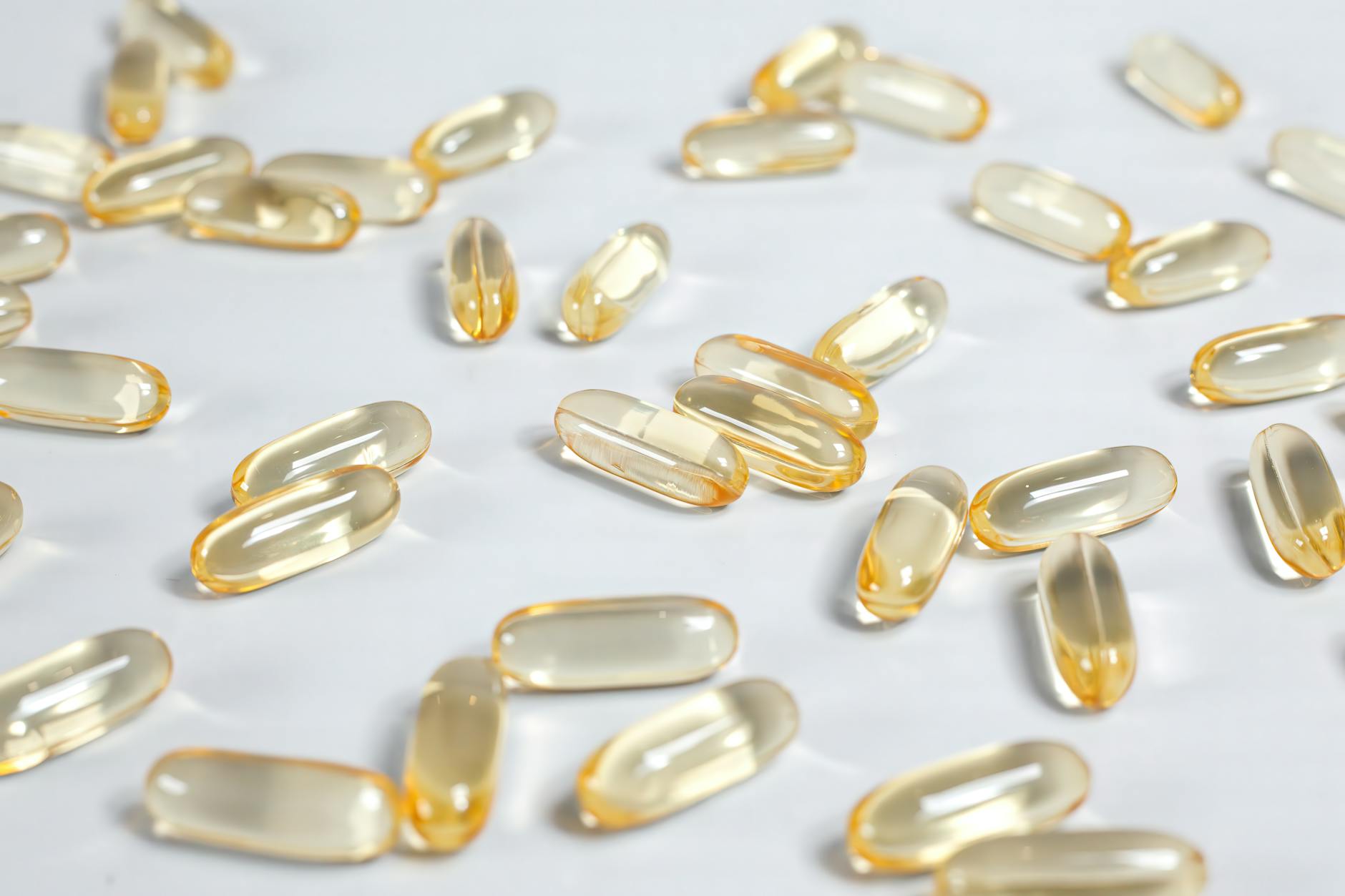
While berberine is a promising natural compound, its potent biological activity necessitates a clear understanding of its safety profile. A responsible approach requires recognizing its contraindications, potential drug interactions, and populations for whom its use may be inappropriate.
Primary Contraindications and Drug Interactions
Berberine's most significant risk stems from its potential to interact with prescription medications. It is metabolized by the liver enzyme CYP3A4 and can inhibit its activity, potentially increasing the blood levels and side effects of numerous drugs. Concurrent use is strongly discouraged without physician supervision for individuals taking:
- Cyclosporine and other immunosuppressants: Risk of toxicity.
- Metformin and other diabetes medications: Increased risk of hypoglycemia.
- Blood pressure medications: Potentiated effects may cause hypotension.
- Warfarin and other anticoagulants: Increased bleeding risk.
- Simvastatin and other statins: Elevated risk of muscle pain or damage (rhabdomyolysis).
Berberine is also contraindicated during pregnancy and lactation. Evidence suggests it may cross the placenta and has been linked to kernicterus (a type of brain damage) in newborns due to its potential to displace bilirubin.
Populations Requiring Caution and Medical Consultation
Several groups should exercise extreme caution and only consider berberine under direct medical guidance:
- Individuals with pre-existing liver conditions: While generally well-tolerated, rare cases of liver inflammation have been reported. Those with liver disease require monitoring.
- Individuals with kidney disease: Impaired clearance could lead to accumulation and increased adverse effects.
- People with hypoglycemic disorders: Its glucose-lowering effect poses a risk for those prone to low blood sugar.
- Children: Safety and efficacy data are lacking for pediatric populations.
- Individuals preparing for surgery: Due to its potential effects on blood sugar and bleeding, discontinuation at least two weeks prior to any procedure is typically advised.
Clinical Perspective: From a prescribing standpoint, berberine is not an innocuous "herb." It functions more like a pharmaceutical agent with a defined mechanism and interaction profile. A thorough medication reconciliation is an absolute prerequisite before considering its use. The most common adverse effects reported in trials—gastrointestinal discomfort like cramping, diarrhea, and constipation—are usually mild and dose-dependent, but they underscore the need to start with a low dose.
In summary, berberine is not suitable for everyone. Its use demands respect for its pharmacological potency. Consulting a healthcare provider—particularly for those on medications or with chronic health conditions—is an essential step to mitigate risk and ensure safety.
4. Practical Guidance for Integrating Berberine

Integrating berberine into a health regimen requires a methodical approach to maximize potential benefits while minimizing risks. The following guidance is based on the current clinical evidence and standard practice.
Dosage and Timing
Clinical trials for metabolic support typically use doses ranging from 500 mg to 1500 mg per day, divided into two or three doses. A common and well-tolerated starting protocol is 500 mg taken two to three times daily with meals. Taking berberine with food can enhance its absorption and significantly reduce the likelihood of gastrointestinal side effects, such as cramping or diarrhea, which are the most frequently reported adverse events.
Expert Insight: The timing relative to meals may influence berberine's effect on postprandial glucose. Many clinicians advise patients to take a dose shortly before or with a meal to leverage this potential mechanism. Consistency is key for observing any effect on appetite or metabolic parameters.
Integration and Expectations
Berberine should be viewed as a potential adjunct to, not a replacement for, foundational lifestyle measures. For managing cravings and supporting metabolic health, it is most effective when combined with:
- A balanced, nutrient-dense diet.
- Regular physical activity.
- Adequate sleep and stress management.
Noticeable effects, if they occur, may take several weeks. The evidence for its direct impact on "cravings" is more preliminary and mechanistically inferred than the data on its glucose-lowering effects. Manage expectations accordingly and focus on holistic health markers rather than rapid weight loss alone.
Important Cautions and Contraindications
Berberine is not suitable for everyone. Consulting a physician before starting is strongly advised, particularly for:
- Individuals taking medications, especially for diabetes (e.g., metformin, insulin), blood pressure, cholesterol (statins), or blood thinners (e.g., warfarin), due to risks of interaction and potentiation.
- Pregnant or breastfeeding women, as berberine is contraindicated.
- Those with pre-existing liver conditions or severe kidney impairment.
- Individuals with a history of hypoglycemia.
Begin with a lower dose to assess tolerance, and discontinue use if you experience severe gastrointestinal upset or signs of an allergic reaction. Regular monitoring of blood glucose and liver enzymes may be recommended by your healthcare provider during long-term use.
5. Safety Precautions and Indications for Medical Consultation
While berberine is a promising natural compound, its potent biological activity necessitates a cautious and informed approach. Understanding its safety profile and knowing when to consult a healthcare professional is essential for responsible use.
Key Safety Considerations and Contraindications
Berberine is not suitable for everyone. Its primary safety concerns stem from its interactions with other substances and its effects on specific organ systems.
- Pregnancy and Lactation: Berberine is contraindicated. It can cross the placenta and has been associated with kernicterus in newborns, a risk that also applies during breastfeeding.
- Pre-existing Medical Conditions: Individuals with significant liver disease, kidney disease, or heart conditions (particularly arrhythmias or low blood pressure) should avoid berberine unless under strict medical supervision, as it can affect liver enzymes, drug clearance, and heart rhythm.
- Medication Interactions: This is the most critical risk. Berberine can significantly alter the metabolism and blood levels of many prescription drugs, potentially leading to toxicity or reduced efficacy.
Clinical Insight: From a pharmacological standpoint, berberine is a moderate inhibitor of several cytochrome P450 enzymes and P-glycoprotein. This means it can increase the concentration of drugs metabolized by these pathways, such as certain blood thinners (warfarin), immunosuppressants (cyclosporine), and many statins. Concurrent use requires close monitoring by a physician.
When Medical Consultation is Non-Negotiable
You should always consult with a doctor or a qualified pharmacist before starting berberine if any of the following apply:
- You are currently taking any prescription medications, especially for diabetes, hypertension, cholesterol, mental health, or immune suppression.
- You have a diagnosed chronic health condition (e.g., diabetes, heart disease, autoimmune disorder).
- You are planning surgery, as berberine may affect blood sugar and blood pressure control during the procedure.
- You experience adverse effects such as significant digestive upset (constipation, cramping), dizziness, or rash after starting supplementation.
The evidence for berberine's effects on metabolism is compelling but largely from short to medium-term studies. Long-term safety data in diverse populations is still limited. Therefore, initiating its use should be a deliberate decision made in partnership with a healthcare provider who can assess your individual health context, monitor for interactions, and ensure it aligns with your overall care plan.
6. Questions & Expert Insights
Can berberine supplements really help with food cravings and weight management?
The evidence suggests berberine can be a supportive tool, but it is not a magic solution. Its primary mechanism for influencing cravings appears to be indirect, through improving insulin sensitivity and metabolic function. By helping to regulate blood sugar and insulin levels more effectively, berberine may reduce the sharp spikes and crashes that often trigger intense hunger and sugar cravings. Several randomized controlled trials, including a 2013 study published in Phytomedicine, have shown berberine supplementation can lead to modest but statistically significant reductions in body weight, BMI, and waist circumference compared to placebo. However, the effects are moderate, and the supplement works best as part of a comprehensive lifestyle strategy that includes a balanced diet and regular physical activity.
What are the most common side effects, and who should avoid berberine?
Berberine is generally well-tolerated, but gastrointestinal (GI) distress is the most frequently reported side effect. This can include constipation, diarrhea, gas, and stomach upset, especially when starting supplementation or at higher doses. To mitigate this, it's often recommended to start with a lower dose (e.g., 500 mg) and take it with meals. More importantly, certain individuals should avoid berberine or use it only under strict medical supervision. This includes pregnant and breastfeeding women (due to potential risks to the fetus and infant), newborns and young children, and individuals with severe liver disease. Because berberine is metabolized by the liver and can interact with many prescription medications, it poses significant risks for those on polypharmacy.
How should I talk to my doctor about taking berberine, and what information should I bring?
Initiate this conversation by framing it as a discussion about integrative support for a specific health goal, such as managing metabolic health or reducing sugar cravings. Come prepared with specific information to ensure a productive and safe consultation. First, bring a complete list of all medications and supplements you are currently taking, including dosages. This is non-negotiable for assessing interaction risks. Second, be ready to discuss your relevant health history, including any diagnoses of diabetes, liver conditions, or gastrointestinal disorders. Third, share the specific berberine product you are considering, including its dosage and any third-party testing certifications (like USP or NSF). Ask your doctor to review the potential interactions with your current regimen and to help you establish objective markers (like fasting blood glucose or HbA1c) to monitor its effects.
Is berberine a suitable replacement for prescription diabetes medications like metformin?
No, berberine is not a replacement for prescription medication. While some studies, such as a 2008 trial in Metabolism, have shown berberine can be as effective as metformin in lowering blood glucose in people with type 2 diabetes, this does not mean they are interchangeable. Prescription medications are prescribed at standardized, clinically validated doses and their use is carefully monitored within a doctor-patient relationship. Self-treating a chronic condition like diabetes with a supplement can be dangerous and may lead to poorly controlled blood sugar or unanticipated interactions. Berberine may be discussed as a complementary approach, but any adjustment to a diabetes management plan—whether adding, subtracting, or changing a therapy—must be directed by a healthcare professional who can monitor your response and safety.
7. In-site article recommendations
8. External article recommendations
9. External resources
The links below point to reputable medical and evidence-based resources that can be used for further reading. Always interpret them in the context of your own situation and your clinician’s advice.
-
wikipedia wikipedia.orgberberine supplements – Wikipedia (search)
-
healthline healthline.comberberine supplements – Healthline (search)
-
mayoclinic mayoclinic.orgberberine supplements – Mayo Clinic (search)
These external resources are maintained by third-party organisations. Their content does not represent the editorial position of this site and is provided solely to support readers in accessing additional professional information.