
1. Introduction: Contextualizing Chia Seeds in Digestive Health and Weight Management
In the landscape of dietary strategies for weight management, the role of digestive health is foundational. A well-functioning digestive system supports nutrient absorption, regulates appetite, and contributes to metabolic balance. Within this context, functional foods like chia seeds (Salvia hispanica L.) have garnered significant scientific and public interest for their potential dual role in supporting both digestive wellness and weight-related goals.
Chia seeds are a concentrated source of dietary fiber, providing approximately 10 grams per ounce (28 grams). This fiber is predominantly soluble, forming a gel-like substance when mixed with liquids. From a clinical perspective, this property is central to the proposed mechanisms linking chia seeds to digestive and weight management outcomes:
- Gut Motility and Microbiota: The fiber acts as a prebiotic, fermenting in the colon to produce short-chain fatty acids that nourish the gut lining and may support a healthy microbial balance.
- Satiety and Caloric Intake: The gel-forming capacity can increase gastric volume, potentially promoting feelings of fullness and slowing gastric emptying, which may lead to reduced subsequent food intake.
- Blood Glucose Modulation: By slowing the digestion and absorption of carbohydrates, chia seeds may help attenuate postprandial blood glucose spikes, a factor relevant to energy regulation and cravings.
It is crucial to contextualize these mechanisms within the broader evidence base. While the high fiber content and gel-forming ability are well-documented physicochemical properties, their translation into consistent, significant weight loss outcomes in human trials is more nuanced. Some randomized controlled trials show modest benefits for satiety and weight management, while others report neutral effects, highlighting that chia seeds are not a standalone solution but one component of a comprehensive dietary pattern.
Clinical Perspective: In practice, chia seeds are best viewed as a nutrient-dense tool to enhance dietary quality. Their utility in weight management is likely indirect, primarily through supporting a high-fiber diet that improves digestive function and promotes satiety. They are not a "fat-burning" food, and expectations should be managed accordingly. Sustainable weight management remains multifaceted, involving overall caloric balance, physical activity, and behavioral factors.
Individuals with certain pre-existing conditions should exercise caution. Those with a history of dysphagia, esophageal strictures, or significant gastrointestinal disorders like inflammatory bowel disease (IBD) during a flare-up should consult a gastroenterologist before regularly consuming chia seeds, especially in dry form, due to the risk of obstruction. Furthermore, anyone on medication for diabetes or blood pressure should discuss chia intake with their physician, as the seeds may potentiate the effects of these drugs, necessitating monitoring.
This chapter establishes the scientific rationale for examining chia seeds within the intersecting domains of digestive health and weight management, setting the stage for a detailed, evidence-based exploration of their proven benefits and practical applications.
2. Evidence and Mechanisms: How Chia Seeds Support Digestive Health in Weight Loss
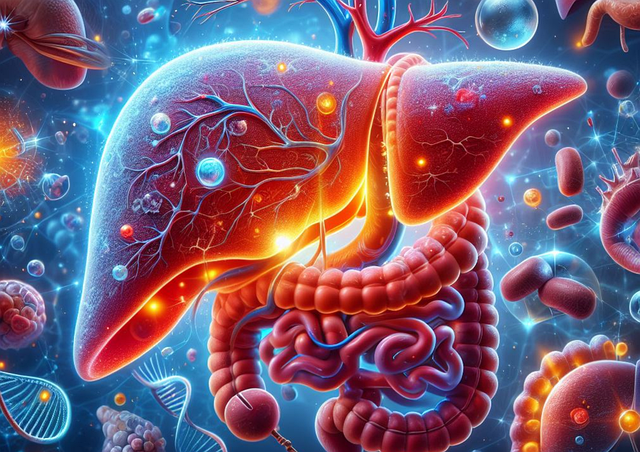
The role of chia seeds in supporting digestive health during weight management is supported by a well-established physiological mechanism: their exceptionally high soluble fiber content. When consumed with adequate fluids, chia seeds form a gel-like substance in the stomach and small intestine. This gel-forming property is central to their dual benefit for digestion and weight control.
Primary Mechanisms of Action
The primary digestive benefits are mediated through two key actions:
- Enhanced Satiety and Gastric Emptying: The gel formed by soluble fiber increases the viscosity of stomach contents, which slows gastric emptying. This promotes a prolonged feeling of fullness, potentially reducing overall calorie intake—a critical factor for sustainable weight loss.
- Prebiotic Function and Bowel Regularity: The insoluble fiber component adds bulk to stool, while the soluble fiber acts as a prebiotic, fermenting in the colon to produce short-chain fatty acids (SCFAs) like butyrate. SCFAs nourish the colonic lining and support a healthy gut microbiome, which is increasingly linked to metabolic health.
Evaluating the Evidence
Clinical evidence varies in strength. The gel-forming and satiety-promoting effects are consistently demonstrated in short-term, controlled studies. For instance, research published in the European Journal of Clinical Nutrition has shown that chia consumption can increase satiety and reduce ad libitum food intake.
However, evidence for direct, significant weight loss from chia seeds alone is more limited and mixed. Most high-quality trials position chia as a supportive component within a calorie-controlled diet, not a standalone weight-loss agent. Long-term studies on gut microbiome changes specifically from chia seeds in humans are still emerging.
Clinical Perspective: From a clinical standpoint, chia seeds are valued as a functional food that can improve dietary quality. Their mechanism is reliable for promoting satiety and regular bowel movements, which are common challenges during calorie restriction. The key is integration, not substitution—they work best when used to replace refined carbohydrates or as a high-fiber addition to meals.
Important Considerations and Cautions
While generally safe, certain individuals should exercise caution:
- Those with a history of swallowing difficulties or esophageal strictures should avoid dry chia seeds and always consume them pre-soaked or mixed into liquids/foods.
- Individuals with inflammatory bowel disease (IBD) during a flare, or those with a history of bowel obstructions, should consult a gastroenterologist before significantly increasing fiber intake.
- It is crucial to increase fluid intake proportionally with chia consumption to prevent constipation or gastrointestinal discomfort.
As with any dietary modification for weight management, individuals with underlying medical conditions or those taking medications should discuss adding chia seeds to their regimen with a physician or registered dietitian.
3. Risks and Contraindications: Who Should Avoid or Use Chia Seeds with Caution
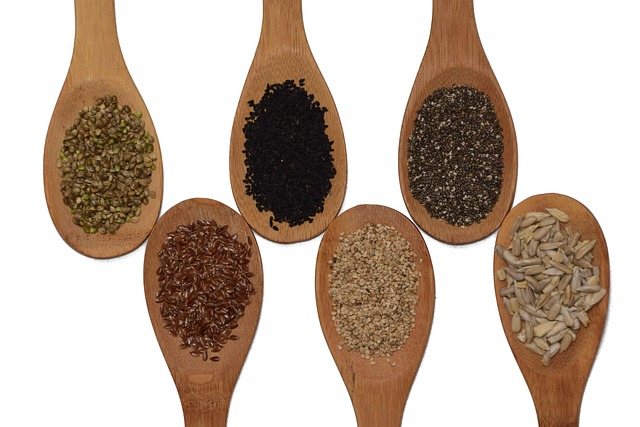
While chia seeds are generally safe for most people, their unique properties—particularly their high fiber and gelling capacity—necessitate caution for specific populations. A responsible approach requires understanding these contraindications to avoid adverse effects.
Primary Risks: Gastrointestinal and Mechanical
The most common adverse effects are gastrointestinal, directly related to the seeds' fiber content. A sudden, significant increase in fiber intake can lead to:
- Bloating, gas, and abdominal discomfort
- Constipation, especially if fluid intake is not proportionally increased.
- Diarrhea in some individuals with sensitive digestive systems.
To mitigate this, it is clinically advised to start with a small dose (e.g., one teaspoon daily) and increase gradually over several weeks while ensuring ample water consumption throughout the day.
Specific Populations Requiring Caution or Medical Consultation
Certain individuals should consult a healthcare provider before incorporating chia seeds into their diet.
- Individuals on blood-thinning medications (e.g., warfarin): Chia seeds are a source of omega-3 fatty acids (ALA), which may have mild antiplatelet effects. While evidence for a significant interaction is limited, it is prudent to discuss consistent intake with a physician to maintain stable anticoagulation.
- People with diagnosed digestive disorders: Those with inflammatory bowel disease (IBD), diverticulitis, or a history of bowel obstructions should seek medical advice, as high-fiber foods can exacerbate symptoms during flare-ups.
- Individuals with low blood pressure: Anecdotal reports and limited animal studies suggest chia may have a hypotensive effect. Those with already low blood pressure or on antihypertensive medications should monitor their levels.
- People with food allergies: Allergies to chia seeds are rare but possible. Those allergic to mustard or sesame seeds may have a higher risk of cross-reactivity.
Key Takeaway for Safe Use
The evidence supporting chia seeds' benefits is stronger than the evidence for severe risks, which are largely anecdotal or theoretical for the general population. However, the mechanical risk of obstruction is well-understood. The cornerstone of safe use is gradual introduction, adequate hydration, and proper preparation. Anyone with the pre-existing conditions mentioned above should consider chia seeds a dietary modification worthy of a discussion with their doctor or dietitian.
4. Practical Takeaways: Balanced Recommendations for Incorporating Chia Seeds
To safely harness the fiber and nutrient benefits of chia seeds for digestive health during weight management, a gradual and measured approach is essential. The goal is to support satiety and bowel regularity without causing gastrointestinal discomfort.
Evidence-Based Daily Intake and Preparation
The most commonly studied and recommended daily serving is one to two tablespoons (approximately 10-20 grams) of dry seeds. This amount provides a significant boost of soluble fiber, which forms a gel when mixed with liquid. Proper hydration is non-negotiable; always soak chia seeds for at least 15-30 minutes in water, milk, or yogurt before consumption. This pre-gelatinization aids digestion and significantly reduces the risk of abdominal discomfort or, in rare cases, esophageal obstruction.
- Start Low: Begin with one teaspoon daily for a week to assess tolerance before increasing to a full tablespoon.
- Hydrate: Consume an extra glass of water when eating chia seeds, especially if increasing fiber intake.
- Incorporate Wisely: Add soaked seeds to oatmeal, smoothies, or salads, or use the gel as a thickener for sauces and soups.
Clinical Insight: While the fiber content of chia seeds is well-established, claims about their direct, unique role in "boosting metabolism" or "burning fat" during weight loss are not strongly supported by high-quality human trials. Their primary value lies in promoting satiety and supporting a healthy gut environment, which can indirectly aid calorie-controlled diets. They are a tool for dietary quality, not a standalone weight-loss solution.
Important Cautions and Contraindications
Certain individuals should exercise caution or consult a healthcare provider before regular consumption. Those with a history of dysphagia (swallowing difficulties) or significant gastrointestinal strictures should avoid dry chia seeds entirely. Individuals with diagnosed irritable bowel syndrome (IBS) may need to monitor symptoms, as the high fiber content can trigger bloating in some. Crucially, anyone on medication for diabetes or high blood pressure should discuss chia intake with their doctor, as the seeds may potentiate the effects of these drugs, requiring dosage monitoring.
In summary, chia seeds can be a valuable, evidence-supported component of a weight management plan focused on digestive health. Their integration should be gradual, accompanied by increased fluid intake, and mindful of individual health conditions and medications.
5. Safety Considerations and When to Consult a Healthcare Professional

While chia seeds are generally recognized as safe for most people, their high fiber and specific nutrient profile necessitate a cautious approach, especially when consumed in significant quantities as part of a weight management plan. A responsible integration requires awareness of potential adverse effects and specific contraindications.
Key Safety Considerations
The primary safety concerns relate to gastrointestinal tolerance and medication interactions.
- Gastrointestinal Distress: A sudden, large increase in fiber intake can cause bloating, gas, abdominal cramping, or constipation. This is particularly likely if adequate fluid is not consumed, as chia seeds absorb 10–12 times their weight in water.
- Potential for Obstruction: There are rare case reports of esophageal obstruction when dry chia seeds are swallowed with insufficient liquid, as they can form a gel-like bolus. Always consume chia seeds that have been pre-soaked or mixed into ample fluids.
- Blood Thinning and Blood Pressure: Chia seeds contain omega-3 fatty acids (ALA), which may have mild antiplatelet effects. The evidence for a clinically significant interaction is limited, but theoretical caution exists for individuals on anticoagulant (e.g., warfarin) or antiplatelet (e.g., aspirin, clopidogrel) medications. The high potassium content may also be a consideration for those with kidney disease or on certain blood pressure medications.
- Allergic Reactions: Though uncommon, allergic reactions to chia seeds have been documented. Individuals with known allergies to mustard seeds or sesame seeds may be at higher risk due to potential cross-reactivity.
Clinical Insight: In practice, the fiber-related effects are the most common issue clinicians see. We advise patients to start with a small dose (e.g., one teaspoon daily) and increase gradually over several weeks while intentionally increasing water intake. This allows the gut microbiome to adapt and minimizes discomfort. The medication interaction risk is considered low with typical dietary amounts, but it warrants a discussion during medication reconciliation.
When to Consult a Healthcare Professional
It is prudent to seek personalized medical advice before significantly increasing chia seed intake if you have any of the following conditions or circumstances:
- Diagnosed Digestive Disorders: Such as inflammatory bowel disease (Crohn's disease, ulcerative colitis), diverticulitis, or a history of bowel obstructions.
- Chronic Kidney Disease: Due to the need for potential potassium and phosphorus restriction.
- Dysphagia or Esophageal Motility Issues: Given the risk of obstruction.
- Active Medication Regimen: Particularly for blood thinning, blood pressure, or diabetes management, to discuss potential nutrient-drug interactions.
- Planned Surgical Procedures: It may be advisable to discontinue high-dose chia seed consumption prior to surgery due to the theoretical effect on bleeding.
- Pregnancy or Lactation: While likely safe in food amounts, concentrated use for weight loss should be discussed with an obstetrician.
In summary, while chia seeds offer proven benefits for digestive health, their use is not without nuance. A gradual introduction and proactive consultation with a doctor or registered dietitian can ensure their safe and effective incorporation into a weight loss strategy.
6. Questions & Expert Insights
Can chia seeds really help with weight loss, or is this just a trend?
The connection between chia seeds and weight loss is primarily indirect and supported by moderate-quality evidence. The proposed mechanism is not that chia seeds "burn fat," but that their high soluble fiber content (about 10 grams per ounce) can promote satiety. When consumed with liquid, they form a gel that slows gastric emptying, which may help reduce overall calorie intake by making you feel fuller for longer. Some small, short-term studies have shown modest reductions in appetite and food intake with chia supplementation. However, the evidence for significant, long-term weight loss from chia seeds alone is limited. They should be viewed as one component of a comprehensive weight management strategy that includes a balanced diet and regular physical activity, not a standalone solution.
What are the potential side effects or risks of increasing chia seed intake?
Introducing chia seeds, particularly in large amounts or without adequate fluid, carries specific risks. The most common issue is gastrointestinal distress, including bloating, gas, and abdominal discomfort, as the digestive system adapts to a sudden increase in fiber. More seriously, if consumed dry, chia seeds can absorb fluid in the esophagus and expand, posing a risk of obstruction, especially for individuals with a history of swallowing difficulties or strictures. For those with certain medical conditions, caution is paramount. Individuals with inflammatory bowel disease (IBD) during a flare, a history of bowel obstructions, or severe gastroparesis should avoid them. Due to their high soluble fiber content, they may also affect the absorption of some medications; a gap of 2-3 hours between chia consumption and medication is generally advised.
How much chia seed should I consume daily for digestive health during weight loss?
A standard and well-tolerated serving for adults is approximately 1 to 1.5 tablespoons (10-15 grams) per day. It is critical to start with a smaller amount (e.g., 1 teaspoon) and gradually increase over 1-2 weeks to allow your gut microbiota to adapt, minimizing gas and bloating. Equally important is consuming them with plenty of water or other fluids. Since the fiber needs water to form a gel and move smoothly through the digestive tract, inadequate hydration can lead to constipation. For weight loss purposes, integrating this serving into meals—such as in oatmeal, yogurt, or smoothies—can leverage the satiety effect. Exceeding 2 tablespoons daily without medical guidance is not recommended, as it can lead to excessive fiber intake and associated GI issues or nutrient malabsorption.
When should I talk to my doctor before adding chia seeds to my diet, and what should I discuss?
Consult your physician or a registered dietitian before significantly increasing chia intake if you have a chronic digestive condition (e.g., Crohn's disease, ulcerative colitis, diverticulitis), kidney disease, a history of esophageal or intestinal strictures, or are on specific medications. You should also seek advice if you are pregnant or breastfeeding, although chia seeds are generally considered safe, individual guidance is best. Prepare for the conversation by noting your current diet, any GI symptoms, and all medications and supplements you take. Specifically, ask: 1) Are there interactions with my current medications (especially for blood pressure, blood sugar, or blood thinners)? 2) Given my medical history, is this amount of soluble fiber appropriate? 3) What signs of intolerance (e.g., severe bloating, pain, changes in bowel habits) should prompt me to stop? This ensures a personalized, safe approach.
7. In-site article recommendations
8. External article recommendations
9. External resources
The links below point to reputable medical and evidence-based resources that can be used for further reading. Always interpret them in the context of your own situation and your clinician’s advice.
-
healthline healthline.comchia seeds – Healthline (search)
-
mayoclinic mayoclinic.orgchia seeds – Mayo Clinic (search)
-
drugs drugs.comchia seeds – Drugs.com (search)
These external resources are maintained by third-party organisations. Their content does not represent the editorial position of this site and is provided solely to support readers in accessing additional professional information.