
1. Introduction to Turmeric and Inflammation

For centuries, turmeric (Curcuma longa) has been a cornerstone of traditional medicine systems, particularly Ayurveda, valued for its vibrant color and purported health benefits. In modern clinical science, this golden spice has become a major focus of research, primarily for its potential role in modulating the body's inflammatory response. The central hypothesis is that its bioactive compounds, most notably curcumin, may offer a natural approach to managing low-grade, chronic inflammation—a key underlying factor in numerous age-related and metabolic conditions.
Inflammation is a fundamental biological process. Acute inflammation is a protective, short-term response to injury or infection. However, when this response becomes persistent and low-grade—often driven by factors like poor diet, stress, or obesity—it can contribute to tissue damage and is implicated in the pathogenesis of:
- Osteoarthritis and rheumatoid arthritis
- Metabolic syndrome and type 2 diabetes
- Cardiovascular diseases
- Certain neurodegenerative conditions
The scientific interest in turmeric stems from evidence that curcumin can interact with multiple molecular pathways involved in inflammation, such as inhibiting the activity of nuclear factor-kappa B (NF-κB), a key protein complex that regulates the expression of pro-inflammatory cytokines. Laboratory and animal studies provide a robust mechanistic foundation for these anti-inflammatory effects.
Expert Insight: It is crucial to distinguish between mechanistic evidence and clinical outcomes. While preclinical data on curcumin's anti-inflammatory properties is strong, translating this into consistent, large-scale human benefit is more complex. Factors like poor bioavailability—curcumin is not easily absorbed by the body—mean that study results can vary significantly based on the formulation used (e.g., combined with piperine from black pepper or in lipid-based delivery systems).
Current human evidence is promising but mixed. Several randomized controlled trials (RCTs) have shown that standardized curcumin extracts can reduce pain and improve function in knee osteoarthritis to a degree comparable to some conventional anti-inflammatory drugs, with a favorable safety profile. For other conditions, the evidence is more preliminary, consisting of smaller, shorter-duration studies.
Individuals with gallbladder disease, those on anticoagulant or antiplatelet medications (e.g., warfarin, clopidogrel), and people scheduled for surgery should exercise caution and consult a physician, as curcumin may have mild blood-thinning effects. Its safety in pregnancy has not been firmly established.
2. Scientific Evidence and Mechanisms of Action

The primary active compound in turmeric, curcumin, is the subject of extensive research for its anti-inflammatory properties. Its mechanism of action is complex and involves the modulation of multiple molecular pathways. A key action is the inhibition of nuclear factor-kappa B (NF-κB), a protein complex that plays a central role in regulating the immune response and driving the expression of pro-inflammatory cytokines, enzymes, and adhesion molecules.
Curcumin also downregulates the activity of inflammatory enzymes like cyclooxygenase-2 (COX-2) and lipoxygenase, and reduces levels of signaling molecules such as tumor necrosis factor-alpha (TNF-α) and interleukins (e.g., IL-1, IL-6). These actions are observed in cellular and animal models, providing a strong mechanistic foundation for its potential effects.
Regarding clinical evidence, the data is promising but mixed and context-dependent:
- Stronger Evidence: Multiple systematic reviews and meta-analyses conclude that curcumin supplementation can significantly reduce markers of systemic inflammation (like C-reactive protein) and improve symptoms in specific conditions, notably osteoarthritis. The effect size is often comparable to some non-steroidal anti-inflammatory drugs (NSAIDs) with a favorable safety profile in short-term use.
- Limited or Preliminary Evidence: For other inflammatory conditions (e.g., rheumatoid arthritis, inflammatory bowel disease), evidence exists but is less robust, often based on smaller, shorter-duration trials. Claims for curcumin in preventing chronic diseases like cancer or Alzheimer's, while biologically plausible, remain speculative and are not supported by high-quality human trials.
A major limitation is curcumin's poor oral bioavailability. Most formulations now include bioavailability enhancers like piperine (from black pepper) or are developed as phospholipid complexes or nanoparticles to improve absorption. The efficacy reported in clinical trials typically involves these enhanced forms.
Who should be cautious: Individuals with gallbladder disease, bile duct obstruction, or those on anticoagulant/antiplatelet drugs (e.g., warfarin, clopidogrel) should consult a physician, as curcumin may theoretically increase bleeding risk. Those scheduled for surgery should discontinue use well in advance. Due to limited safety data, use during pregnancy or breastfeeding is not generally recommended without medical supervision.
3. Risks, Side Effects, and Populations to Avoid
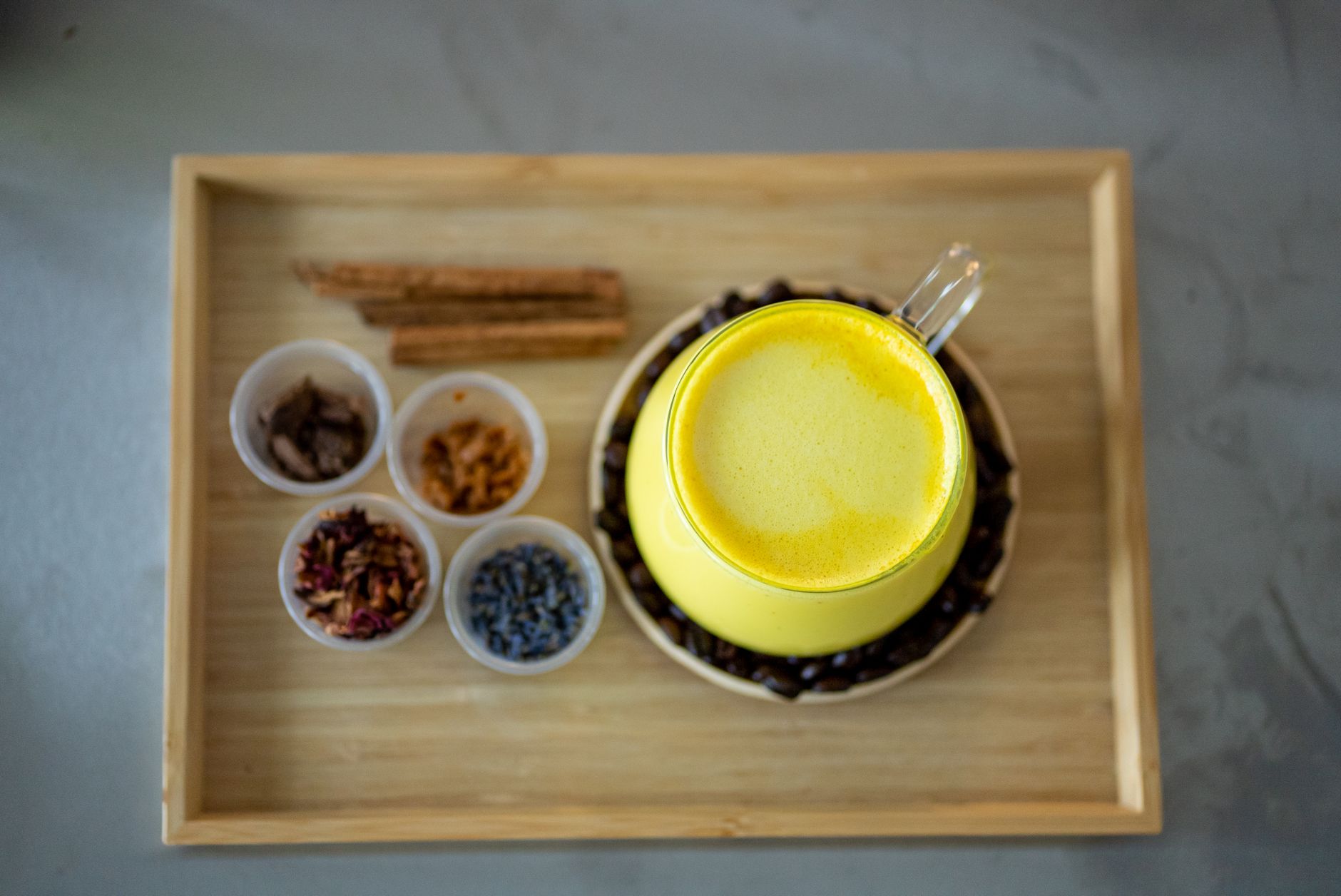
While turmeric and its active compound, curcumin, are generally well-tolerated at culinary doses, concentrated supplementation carries specific risks that must be acknowledged. A balanced, evidence-based approach requires understanding these potential adverse effects and contraindications.
Common and Generally Mild Side Effects
At typical supplemental doses (often 500–2000 mg of curcuminoids daily), the most frequently reported side effects are gastrointestinal. These include:
- Nausea or dyspepsia
- Diarrhea or loose stools
- Abdominal discomfort or bloating
These effects are often dose-dependent and may be mitigated by taking supplements with food or opting for formulations designed for enhanced bioavailability, which allow for lower effective doses.
Significant Drug Interactions and Medical Conditions
The most clinically important risk involves drug interactions. Curcumin has demonstrated anticoagulant (blood-thinning) and antiplatelet properties in laboratory and some animal studies. While human data is more limited, the potential for interaction is considered significant.
Individuals taking the following medications should exercise extreme caution and consult a physician before using turmeric supplements:
- Anticoagulants/Antiplatelets: Warfarin, clopidogrel, aspirin, apixaban, rivaroxaban.
- Diabetes Medications: Curcumin may potentiate the effect of drugs like metformin or insulin, increasing the risk of hypoglycemia.
- Acid-Reducing Drugs: Turmeric may increase stomach acid, potentially interfering with proton pump inhibitors (e.g., omeprazole) or H2-blockers.
Clinical Insight: The interaction with blood thinners is not merely theoretical. Case reports have documented elevated INR (a measure of blood clotting time) in patients on warfarin after starting high-dose curcumin. This risk necessitates that patients on such therapies avoid self-supplementing and only proceed under direct medical supervision with monitoring.
Populations Who Should Avoid or Use Extreme Caution
Beyond drug interactions, certain populations are advised to avoid turmeric supplements entirely unless explicitly approved by their healthcare provider:
- Individuals with Gallbladder Disease: Turmeric may stimulate bile production, which could provoke gallbladder contractions and pain in those with gallstones or bile duct obstruction.
- Those with Iron Deficiency: Some evidence suggests curcumin can chelate iron and may inhibit iron absorption, potentially worsening anemia.
- People Facing Surgery: Due to its potential blood-thinning effect, supplementation should be discontinued at least two weeks prior to any scheduled surgical procedure.
- Pregnant and Breastfeeding Women: Safety data for high-dose supplementation during pregnancy and lactation is insufficient. Culinary use is considered safe, but supplements are not recommended.
- Individuals with Kidney Stones: Turmeric is high in oxalates, which can contribute to the formation of calcium oxalate stones in susceptible individuals.
In summary, while turmeric is a promising natural compound, it is not without pharmacological activity. Responsible use requires a personalized risk assessment, particularly for those on medications or with pre-existing health conditions. Consulting a physician or pharmacist is a critical step before initiating any supplement regimen.
4. Practical Guidelines for Using Turmeric
To translate the potential anti-inflammatory benefits of turmeric into practical use, a measured approach focused on bioavailability, dosage, and safety is essential. The primary active compound, curcumin, is poorly absorbed by the body on its own.
Strong evidence indicates that combining turmeric with black pepper, which contains piperine, can enhance curcumin absorption by up to 2000%. Therefore, practical use should prioritize this combination, whether in culinary preparations or supplement form.
Typical dosages used in clinical research for inflammatory conditions range from 500 mg to 1,000 mg of standardized curcumin extract, taken one to two times daily. For culinary use, incorporating 1–3 teaspoons of turmeric powder daily into foods like soups, stews, smoothies, or golden milk is a common practice. The evidence for therapeutic effects is stronger for standardized extracts than for dietary amounts alone.
- For Bioavailability: Always pair with black pepper or a source of fat (e.g., olive oil, coconut milk).
- For Supplements: Look for products specifying "curcumin" content and those formulated with piperine or phospholipids (e.g., Meriva®) for enhanced absorption.
- For Culinary Use: Add turmeric to heated fats to help dissolve the curcuminoids.
Clinical Insight: In practice, we view turmeric supplements as a potential adjunct, not a replacement, for conventional anti-inflammatory therapies. The effects are generally modest and cumulative. Patients should not expect immediate, dramatic pain relief comparable to NSAIDs. Consistency over weeks is key to assessing any subjective benefit.
It is crucial to acknowledge limitations and exercise caution. Much of the positive human data comes from relatively short-term studies (8-12 weeks). The long-term safety profile of high-dose supplementation beyond a few months is less established.
The following individuals should consult a healthcare provider before starting turmeric or curcumin supplements:
- Those on anticoagulant/antiplatelet drugs (e.g., warfarin, clopidogrel), as curcumin may have mild blood-thinning properties.
- Individuals with gallbladder disease, bile duct obstruction, or a history of kidney stones, as turmeric may stimulate bile production.
- People scheduled for surgery, due to the potential bleeding risk.
- Those with iron deficiency, as curcumin can chelate dietary iron.
A practical and safe approach involves starting with a low dose, particularly from food sources, monitoring for gastrointestinal effects, and having a discussion with a physician if considering high-dose supplementation for a specific health concern.
5. Safety Precautions and When to Consult a Healthcare Provider
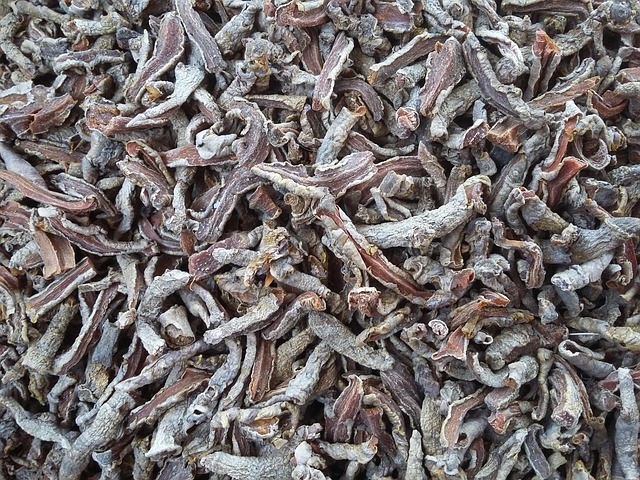
While turmeric and its active compound, curcumin, are generally well-tolerated at culinary doses, concentrated supplementation requires careful consideration. A responsible approach involves understanding potential interactions, contraindications, and the limitations of the existing safety data.
Key Populations Requiring Caution
Certain individuals should exercise particular caution and consult a healthcare provider before initiating turmeric supplements:
- Individuals on Anticoagulant/Antiplatelet Therapy: Curcumin has demonstrated antiplatelet effects in laboratory studies. Concurrent use with drugs like warfarin, clopidogrel, or aspirin may theoretically increase bleeding risk, though robust clinical evidence for significant interaction is limited.
- Those with Gallbladder Disease or Bile Duct Obstruction: Turmeric may stimulate bile production, which could precipitate symptoms in individuals with gallstones or related conditions.
- People with Gastroesophageal Reflux Disease (GERD) or Ulcers: High doses may cause gastrointestinal upset, including nausea, diarrhea, or exacerbation of acid reflux in susceptible individuals.
- Individuals with Iron Deficiency: Some evidence suggests curcumin may chelate iron and could potentially interfere with iron absorption, which is a consideration for those with anemia.
- Pregnant and Breastfeeding Women: Safety data for high-dose supplementation during pregnancy and lactation is insufficient. Culinary use is considered safe, but medicinal doses are not recommended without professional guidance.
Drug Interactions and Surgical Considerations
The potential for pharmacokinetic interactions exists. Curcumin may inhibit certain cytochrome P450 enzymes and drug transporters, potentially altering the blood levels of medications, including some chemotherapy drugs, statins, and antihypertensives. It is prudent to discontinue high-dose turmeric supplements at least two weeks prior to any scheduled surgery due to the theoretical bleeding risk.
Clinical Perspective: In practice, the most common issues are mild GI distress and the potential for interaction with blood thinners. The evidence for many other interactions is primarily preclinical. However, the principle of "first, do no harm" dictates a cautious approach. Always review the full medication and supplement list with a patient considering turmeric supplements, as the risk profile is highly individual.
When to Consult a Healthcare Provider
You should seek advice from a physician, pharmacist, or a registered dietitian before starting supplementation if you:
- Are taking any prescription medications, especially for blood thinning, diabetes, or cancer.
- Have a known medical condition, particularly those listed above.
- Are planning a surgery or medical procedure.
- Experience any adverse effects like persistent stomach upset, rash, or unusual bruising/bleeding after starting a supplement.
Ultimately, turmeric is a potent bioactive substance, not merely a kitchen spice, when used in supplemental form. Professional guidance ensures its use is aligned with your personal health status and goals, maximizing potential benefit while minimizing risk.
6. Questions & Expert Insights
How much turmeric should I take daily to reduce inflammation?
There is no single, universally recommended dose for turmeric or its active compound, curcumin, as optimal intake depends on the formulation and individual health status. Clinical trials investigating anti-inflammatory effects typically use standardized curcumin extracts in doses ranging from 500 mg to 1,000 mg per day, often divided into two doses. It is crucial to understand that the curcumin content in common culinary turmeric powder is very low (around 2-5% by weight), making it difficult to achieve therapeutic levels through diet alone. Furthermore, curcumin has poor bioavailability; many high-quality supplements include absorption enhancers like piperine (from black pepper). A balanced approach starts with a lower dose (e.g., 500 mg of a standardized extract) and monitors for effects and tolerance, rather than seeking a maximum dose.
What are the risks or side effects, and who should avoid turmeric supplements?
While generally well-tolerated at recommended doses, turmeric and curcumin supplements are not risk-free. Common side effects can include gastrointestinal upset, such as nausea, diarrhea, or acid reflux. More serious risks involve interactions and specific health conditions. Turmeric has mild blood-thinning properties, which can increase the risk of bleeding, especially when combined with anticoagulant medications like warfarin, clopidogrel, or aspirin. It may also stimulate bile production, posing a risk for individuals with bile duct obstruction or gallstones. High doses or long-term use have been linked to rare cases of liver injury. Therefore, individuals with the following conditions should exercise extreme caution or avoid supplementation unless under direct medical supervision: those on anticoagulants, with bleeding disorders, preparing for surgery, with gallbladder disease, or with known liver conditions.
When should I talk to my doctor about taking turmeric, and what should I bring to the appointment?
You should consult your doctor or a relevant specialist (e.g., a gastroenterologist, cardiologist, or rheumatologist) before starting turmeric supplements if you have any chronic health condition or take regular medications. This is non-negotiable for individuals on blood thinners, diabetes medications, or drugs for acid reflux (like omeprazole), as interactions are possible. For the appointment, come prepared with specific information to enable a safe, informed discussion. Bring the exact supplement bottle so your doctor can review the listed dosage, curcuminoid concentration, and other ingredients (like piperine). Provide a complete list of all your medications and supplements. Finally, be ready to articulate your specific health goals (e.g., “managing mild knee osteoarthritis pain”) so your doctor can help assess if this approach is appropriate and how to monitor its effects alongside your current care plan.
Is the evidence for turmeric's anti-inflammatory power strong enough to replace my prescription medication?
No, it is not. While evidence from randomized controlled trials supports turmeric/curcumin as an effective anti-inflammatory and analgesic agent for conditions like osteoarthritis, the evidence is not sufficient to recommend it as a substitute for prescription medications. Studies are often of shorter duration, with smaller sample sizes, and compare curcumin to placebo or non-steroidal anti-inflammatory drugs (NSAIDs) like ibuprofen—not to more potent disease-modifying drugs used for autoimmune conditions. Abruptly stopping prescribed medication, especially for serious inflammatory diseases like rheumatoid arthritis or inflammatory bowel disease, can lead to disease flares and permanent tissue damage. Turmeric is best viewed as a potential complementary therapy that may, under a doctor's guidance, allow for a reduction in the dose of other medications (like NSAIDs) and their associated side effects, not as a standalone replacement.
7. In-site article recommendations
8. External article recommendations
9. External resources
The links below point to reputable medical and evidence-based resources that can be used for further reading. Always interpret them in the context of your own situation and your clinician’s advice.
-
drugs drugs.comturmeric – Drugs.com (search)
-
healthline healthline.comturmeric – Healthline (search)
-
wikipedia wikipedia.orgturmeric – Wikipedia (search)
These external resources are maintained by third-party organisations. Their content does not represent the editorial position of this site and is provided solely to support readers in accessing additional professional information.