
1. Introduction to Chia Seeds in Modern Nutrition
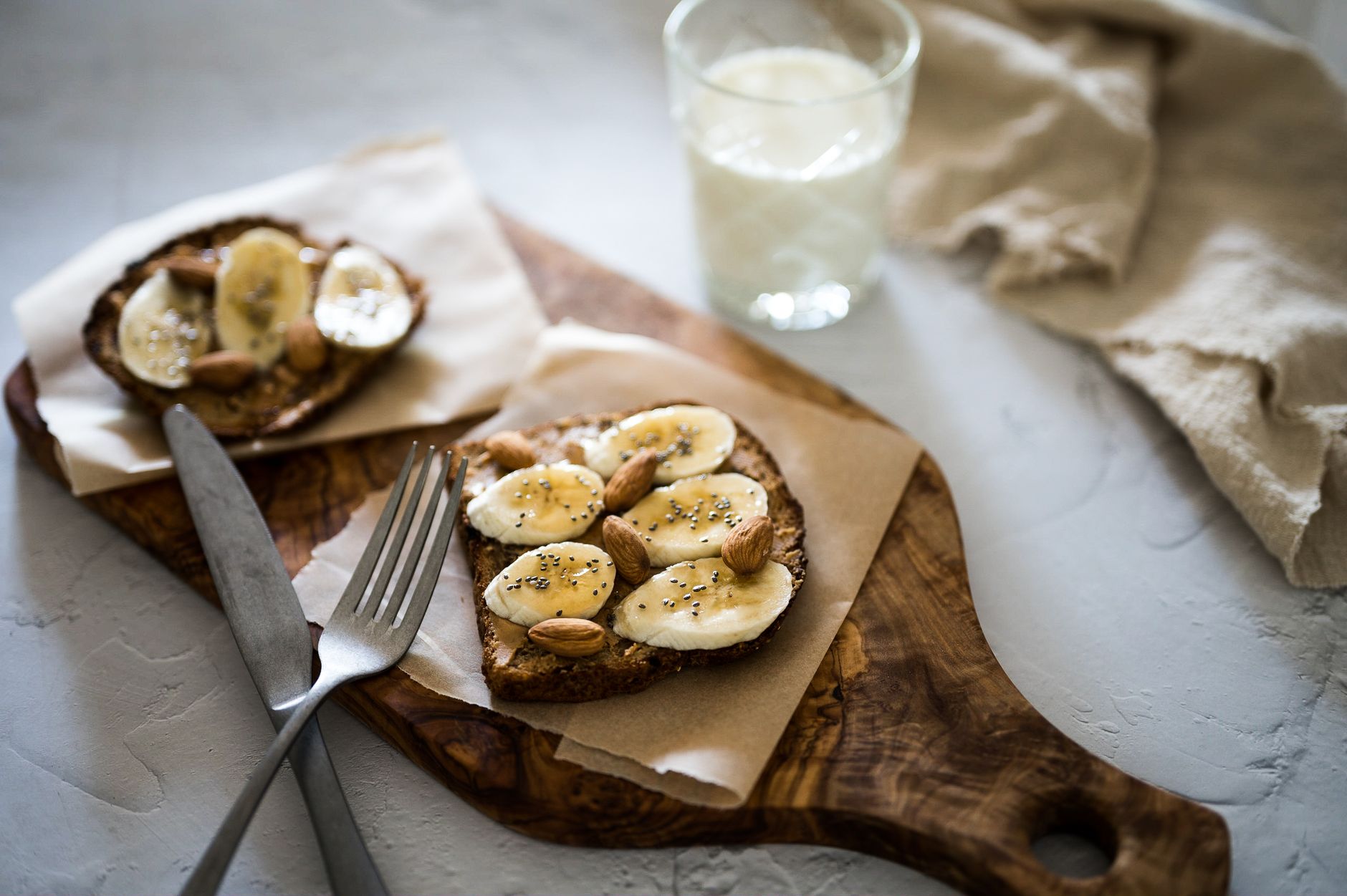
Chia seeds (Salvia hispanica L.) have transitioned from an ancient Aztec staple to a prominent feature in contemporary health-conscious diets. Their resurgence is primarily attributed to a dense nutritional profile that aligns with modern dietary recommendations focused on whole foods, fiber, and plant-based nutrients. From a clinical nutrition perspective, chia seeds are best understood not as a "superfood" with miraculous properties, but as a concentrated source of specific beneficial compounds.
The nutritional composition of chia seeds is well-documented and forms the basis of their proposed health benefits. A standard one-ounce (28-gram) serving provides:
- Dietary Fiber: Approximately 10 grams, predominantly soluble fiber in the form of mucilage.
- Plant-Based Omega-3 Fatty Acids: About 5 grams of alpha-linolenic acid (ALA).
- Complete Protein: 4-5 grams, containing all nine essential amino acids.
- Minerals: Notable amounts of calcium, magnesium, phosphorus, and manganese.
The evidence supporting the health impacts of these components varies in strength. The high soluble fiber content is strongly linked to improved bowel regularity and may support modest reductions in LDL cholesterol and postprandial blood glucose levels, which is well-supported by mechanistic studies and some clinical trials. The ALA content contributes to daily essential fatty acid intake, though its conversion in the body to the more active EPA and DHA is limited.
Clinical Perspective: While the individual nutrients in chia seeds are beneficial, it is crucial to contextualize their role. They are a supplementary food, not a substitute for a balanced diet. Their gel-forming property can promote satiety, which may aid in weight management as part of a calorie-controlled diet, but they are not a standalone solution for weight loss.
It is important to distinguish between the robust evidence for their basic nutritional value and the more preliminary or mixed data regarding specific therapeutic claims, such as significant reductions in cardiovascular event risk or inflammation markers. Many promising studies are small, short-term, or conducted in specific populations.
Who Should Exercise Caution: Individuals with a history of dysphagia (swallowing difficulties), esophageal strictures, or gastrointestinal obstructions should consume chia seeds only in their pre-hydrated gel form to avoid a blockage risk. Those on blood-thinning medications or with upcoming surgical procedures should consult a physician due to chia's theoretical, though likely minimal, effect on bleeding time from its ALA content. As with any high-fiber food, a gradual introduction is advised to prevent gastrointestinal discomfort.
2. Mechanisms and Evidence Supporting Chia Seed Benefits
The purported health benefits of chia seeds are primarily attributed to their unique nutritional composition. The mechanisms of action are grounded in established nutritional science, though the strength of evidence varies significantly for specific health claims.
Core Mechanisms of Action
Chia seeds exert their primary effects through three key components:
- Soluble Fiber (Mucilage): When mixed with liquid, chia seeds form a viscous gel. This slows gastric emptying and carbohydrate digestion, which can help moderate postprandial blood glucose levels and promote satiety.
- Alpha-Linolenic Acid (ALA): As a rich plant-based source of this omega-3 fatty acid, chia seeds contribute to dietary ALA intake, which the body can convert—albeit inefficiently—to longer-chain omega-3s like EPA.
- Antioxidants: Compounds such as chlorogenic acid and caffeic acid may help protect the seeds' delicate fats from oxidation and contribute to systemic antioxidant capacity.
Evaluating the Evidence
The clinical evidence is nuanced. Stronger data exists for metabolic effects, while other areas require more rigorous, long-term human trials.
Stronger Evidence: Systematic reviews and randomized controlled trials (RCTs) consistently show that chia seed supplementation can significantly reduce systolic and diastolic blood pressure in individuals with hypertension. The fiber and gel-forming properties are also well-supported for improving bowel regularity and increasing satiety in the short term.
Mixed or Preliminary Evidence: Studies on blood lipid improvement (e.g., lowering LDL cholesterol) and glycemic control in type 2 diabetes show inconsistent results. While some trials report benefits, others find no significant effect. The evidence for weight loss directly attributable to chia seeds is limited and not conclusive.
Clinical Perspective: From a mechanistic standpoint, chia seeds are a functional food with plausible benefits for cardiovascular and digestive health. However, they are not a standalone treatment. Their greatest value is likely as part of a balanced, whole-food diet, where their fiber and nutrient density can displace less healthful options. The blood pressure-lowering effect is one of the most reproducible findings in the literature.
Important Cautions: Individuals with swallowing difficulties, esophageal strictures, or significant gastrointestinal disorders should use caution due to the gel-forming nature and high fiber content. Those on blood pressure or blood-thinning medications should consult a physician before making significant dietary changes, as additive effects are possible. Always consume chia seeds with ample fluids.
3. Risks and Contraindications of Chia Seed Consumption
While chia seeds are a nutrient-dense food with a strong safety profile for most people, their unique physical and chemical properties necessitate specific precautions. A responsible approach requires understanding these potential risks to avoid adverse effects.
Primary Mechanical and Digestive Risks
The most well-documented risks are related to their high soluble fiber content and capacity to absorb water, forming a gel.
- Gastrointestinal Distress: A sudden, large increase in fiber intake can cause bloating, gas, abdominal cramping, or constipation. This is particularly likely if seeds are consumed dry without adequate fluid.
- Esophageal Obstruction Risk: There are case reports of individuals, particularly those with a history of swallowing difficulties or esophageal strictures, experiencing an obstruction after consuming dry chia seeds followed by water. The seeds can rapidly expand and form a gel-like bolus in the esophagus.
Pharmacological Interactions and Medical Conditions
Certain populations should exercise caution and consult a healthcare provider before making chia seeds a dietary staple.
- Blood Thinning & Surgery: Chia seeds are a source of omega-3 fatty acids (ALA), which may have mild antiplatelet effects. While the evidence for a clinically significant interaction is limited, individuals on anticoagulant medications (e.g., warfarin) or antiplatelet drugs (e.g., aspirin, clopidogrel), and those scheduled for surgery, should discuss consistent intake with their physician.
- Blood Pressure Management: Some studies suggest chia may help lower blood pressure. For individuals with hypotension or those taking antihypertensive medications, significant consumption could potentially lead to an additive effect, requiring monitoring.
- Prostate Cancer & ALA: Some older observational studies raised questions about a high intake of alpha-linolenic acid (ALA) and prostate cancer risk, but subsequent research has been inconsistent and inconclusive. Men with a history of or high risk for prostate cancer may choose to discuss this with their oncologist, though current evidence does not support a strong causative link.
- Diverticulitis: Contrary to old medical advice, current guidelines do not recommend avoiding seeds and nuts for diverticular disease. However, during an active flare of diverticulitis, a low-fiber diet is typically advised, which would temporarily exclude chia seeds.
Allergic Reactions
Though rare, allergic reactions to chia seeds have been documented. Individuals with known allergies to other seeds (e.g., sesame, mustard) or mint family plants (Lamiaceae) may be at higher risk and should try chia with caution.
The overarching recommendation is to introduce chia seeds gradually into the diet, ensure proper preparation, and seek personalized medical advice if you have underlying health conditions or take regular medications.
4. Practical Guidelines for Incorporating Chia Seeds into Diet
To harness the nutritional benefits of chia seeds—primarily their high soluble fiber, omega-3 fatty acid (ALA), and mineral content—they should be incorporated into the diet in a gradual and mindful manner. The strong evidence supports their role in promoting satiety and supporting bowel regularity due to their fiber content. However, claims regarding "detoxification" or profound metabolic cleansing are not supported by robust clinical evidence and should be viewed with caution.
Safe and Effective Methods of Consumption
Chia seeds are versatile but require proper preparation to maximize digestibility and nutrient absorption while minimizing potential gastrointestinal discomfort.
- Hydration is Key: Soaking chia seeds in liquid (water, milk, or plant-based alternatives) for 15-30 minutes allows them to form a gel. This pre-hydration can improve tolerance and is essential for creating puddings or using as an egg substitute in baking.
- Start with a Small Dose: Begin with 1 teaspoon (approximately 5 grams) per day, gradually increasing to a typical serving of 1-2 tablespoons (10-20 grams) as tolerated. This helps the gastrointestinal system adapt to the increased fiber load.
- Versatile Applications: Add soaked or dry seeds to oatmeal, yogurt, smoothies, or salads. They can also be used to thicken soups or sauces.
Important Considerations and Cautions
While generally safe for most people, certain individuals should exercise particular care or consult a healthcare provider before significantly increasing chia seed intake.
Clinical Insight: The rapid fluid-absorbing property of chia seeds is a double-edged sword. Consuming dry seeds without sufficient accompanying liquid poses a theoretical risk of esophageal obstruction, particularly in individuals with swallowing difficulties. Always consume them hydrated or with plenty of fluid. Furthermore, their high fiber content can interfere with the absorption of some medications; a gap of 2-3 hours between chia consumption and medication is advisable.
Who should be cautious? Individuals with a history of dysphagia, gastrointestinal strictures, or inflammatory bowel disease during a flare-up should avoid chia seeds or use them only under medical guidance. Those with kidney disease need to be mindful of the phosphate content. People on blood-thinning medications or with upcoming surgery should discuss the ALA (omega-3) content with their doctor, as it may have mild antiplatelet effects. As with any significant dietary change, consultation with a physician or registered dietitian is recommended for those with chronic health conditions or concerns.
In summary, chia seeds can be a nutritious addition to a balanced diet when introduced gradually and prepared correctly. Their benefits are best framed within the context of overall dietary patterns, not as an isolated "detox" solution.
5. Safety Considerations and When to Seek Medical Advice
While chia seeds are generally recognized as safe for most people when consumed in typical food amounts, their concentrated use in "detox" or therapeutic plans warrants a careful, evidence-based safety review. The primary risks are not from toxicity but from their potent physiological effects, which can interact with certain health conditions and medications.
Key Safety Considerations
The high fiber content (approximately 10 grams per ounce) is the most significant consideration. A sudden, large increase in fiber intake can cause gastrointestinal distress, including bloating, gas, and abdominal cramping. More seriously, inadequate fluid intake with dry or pre-soaked chia seeds poses a risk of esophageal or intestinal obstruction, a documented medical concern.
Pharmacologically, chia seeds may affect blood sugar and blood pressure. The evidence for a clinically meaningful hypoglycemic effect in humans is preliminary and mixed, largely based on small, short-term studies. However, the potential exists for an additive effect with diabetes medications, increasing the risk of hypoglycemia. Similarly, the theoretical blood pressure-lowering effect, attributed to omega-3 fatty acids, could potentiate the action of antihypertensive drugs.
Who Should Exercise Caution or Consult a Physician
Individuals with the following conditions should seek medical advice before significantly increasing chia seed intake:
- Gastrointestinal disorders: Such as Crohn's disease, ulcerative colitis, or a history of bowel obstructions.
- Diagnosed hypotension or hypertension: Due to potential effects on blood pressure, especially if on medication.
- Diabetes: To allow for monitoring and potential adjustment of medication if incorporating chia seeds as a regular dietary component.
- Upcoming surgery: The theoretical effect on blood sugar and blood pressure may warrant discontinuation 1-2 weeks prior to a procedure, as per some surgical guidelines for supplements.
- Blood-thinning medication use (e.g., warfarin): While the omega-3 content in chia is primarily ALA (which has a much weaker anticoagulant effect than marine-based EPA/DHA), discussing any significant dietary change with a prescribing doctor is prudent.
Finally, the concept of a "detox" itself requires scrutiny. The human body possesses highly efficient detoxification systems (liver, kidneys, gastrointestinal tract). There is no high-quality clinical evidence that chia seeds or any specific food "detoxifies" the body beyond supporting the normal function of these organs. Any plan promising rapid detoxification should be viewed with skepticism, and major dietary changes should be undertaken in consultation with a healthcare professional.
6. Questions & Expert Insights
Are chia seeds truly a "detox" food, or is this just a marketing term?
The term "detox" is often used loosely in wellness marketing. From a clinical perspective, the body has highly efficient, built-in detoxification systems primarily involving the liver, kidneys, and gastrointestinal tract. Chia seeds do not "detox" in the sense of removing specific toxins. However, their nutritional profile can support the normal, healthy function of these organs. Their high soluble fiber content (particularly mucilage) can support regular bowel movements, which is one route of elimination. Their antioxidants may help combat oxidative stress, a contributor to cellular damage. Therefore, while chia seeds are a nutritious addition to a balanced diet, they are not a magic detoxifier. The "secret power" lies in their ability to contribute to overall metabolic health through established nutritional mechanisms, not in performing an extraordinary cleansing function.
What are the potential risks or side effects of adding chia seeds to my diet, and who should be cautious?
While generally safe, chia seeds require responsible consumption. The most common issue is gastrointestinal discomfort—bloating, gas, or constipation—if intake is increased too rapidly due to the high fiber content. A more significant risk involves esophageal obstruction. When dry chia seeds are consumed and then exposed to liquid, they can expand rapidly and form a gel-like bolus that may cause a blockage, particularly in individuals with a history of swallowing difficulties or strictures. To mitigate this, always pre-soak chia seeds or consume them in a sufficiently wet food like yogurt or smoothies. Individuals with inflammatory bowel disease (IBD) during a flare, a history of bowel obstructions, or those on a strict low-fiber diet for medical reasons should consult a doctor before use. Due to their blood-thinning potential from ALA (alpha-linolenic acid), those on anticoagulant medications like warfarin should discuss consistent intake with their physician.
I want to discuss using chia seeds with my doctor. What specific information should I bring to that appointment?
To make the conversation productive, come prepared with specific details. First, state your goal clearly (e.g., "I want to improve my digestive regularity" or "I'm looking for heart-healthy food additions"). Bring a list of all medications and supplements you take, as chia seeds can interact with blood pressure and blood-thinning drugs. Mention any pre-existing conditions, especially kidney disease (due to mineral content like phosphorus), dysphagia (swallowing issues), or GI disorders. Be ready to describe the dosage and form you plan to use (e.g., "one tablespoon of soaked seeds daily"). This allows your doctor to assess safety in the context of your full health profile. Ask direct questions like, "Given my [specific condition/medication], is there a specific amount I should not exceed?" or "Are there any warning signs I should watch for?" This collaborative approach ensures the advice is personalized and safe.
Is the high omega-3 content in chia seeds a suitable replacement for fish oil supplements?
This is a critical distinction. Chia seeds contain ALA (alpha-linolenic acid), a plant-based omega-3. The body must convert ALA into the longer-chain EPA and DHA, the forms abundantly found in fatty fish and fish oil, which are directly linked to cardiovascular and brain health benefits. This conversion process in humans is notoriously inefficient, estimated at less than 10%. Therefore, while chia seeds are an excellent source of ALA and contribute to overall omega-3 intake, they are not a clinically equivalent substitute for marine-derived EPA and DHA, especially for individuals with specific therapeutic goals like lowering high triglycerides. For vegans and vegetarians, algae-based supplements provide direct EPA/DHA. For general health, incorporating chia seeds is beneficial, but they should not be relied upon to meet specific, high-dose EPA/DHA requirements that may be recommended by a physician.
7. In-site article recommendations
8. External article recommendations
9. External resources
The links below point to reputable medical and evidence-based resources that can be used for further reading. Always interpret them in the context of your own situation and your clinician’s advice.
-
examine examine.comchia seeds – Examine.com (search)
-
mayoclinic mayoclinic.orgchia seeds – Mayo Clinic (search)
-
healthline healthline.comchia seeds – Healthline (search)
These external resources are maintained by third-party organisations. Their content does not represent the editorial position of this site and is provided solely to support readers in accessing additional professional information.