
1. Introduction and Context of Ginger Tea
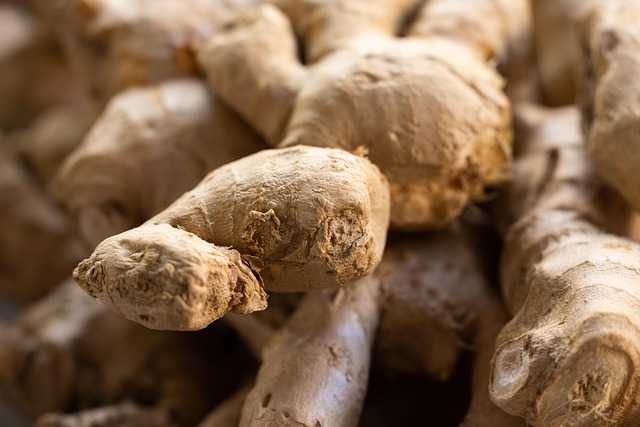
Ginger tea, a simple infusion of fresh or dried ginger root (Zingiber officinale Roscoe) in hot water, represents one of the most enduring and widespread traditional remedies. Its use spans millennia across cultures from ancient Ayurvedic and Chinese medicine to European folk traditions. In contemporary health discourse, it has transitioned from a kitchen staple to a subject of scientific inquiry, prompting a closer examination of its purported benefits and mechanisms of action.
The primary bioactive compounds in ginger, such as gingerols, shogaols, and paradols, are responsible for its characteristic pungency and many of its studied physiological effects. These compounds exhibit anti-inflammatory and antioxidant properties in laboratory and animal models, which forms the theoretical basis for many of its proposed human health applications.
When evaluating the evidence for ginger tea, it is crucial to distinguish between well-established uses and those supported by preliminary or mixed data:
- Stronger Evidence: The most robust clinical data supports ginger's efficacy in reducing nausea and vomiting, particularly in pregnancy (morning sickness), chemotherapy-induced nausea, and postoperative nausea. This effect is recognized by several authoritative bodies, including the American College of Obstetricians and Gynecologists.
- Emerging or Mixed Evidence: Research on ginger for other conditions, such as osteoarthritis pain, dysmenorrhea (menstrual cramps), and metabolic markers like blood glucose, shows promise but is less conclusive. These studies often involve specific ginger extracts in capsule form, not necessarily tea, and results can vary based on dosage and preparation.
Clinical Perspective: From a medical standpoint, ginger tea is generally regarded as safe for most adults when consumed in typical dietary amounts. However, the concentration of active compounds in a homemade tea can be highly variable, making it difficult to standardize a "dose" compared to a clinical-grade supplement. This variability is a key limitation when interpreting anecdotal reports or personal experiments.
This chapter provides the foundational context for understanding ginger tea's place in both traditional practice and modern evidence-based health. It is essential to approach any "30-day ritual" or personal experiment with this nuanced understanding, recognizing that individual responses will differ and that tea is not a substitute for professional medical diagnosis or treatment.
Who should exercise caution: Individuals on anticoagulant medications (e.g., warfarin), those with gallstone disease, or people scheduled for surgery should consult a physician due to ginger's potential antiplatelet effects. Those with gastroesophageal reflux disease (GERD) may find ginger irritating. Pregnant individuals should discuss use with their obstetrician, though it is often recommended for morning sickness.
2. Evidence-Based Mechanisms of Action

The purported health benefits of ginger tea are primarily attributed to its bioactive compounds, chiefly gingerols, shogaols, and paradols. These compounds are responsible for the root's distinct pungency and its primary pharmacological actions, which are anti-inflammatory, antioxidant, and prokinetic (promoting digestive motility).
The most robust evidence supports ginger's role in managing nausea and vomiting. Multiple systematic reviews and meta-analyses confirm its efficacy, particularly for pregnancy-related nausea (morning sickness), chemotherapy-induced nausea, and postoperative nausea. The proposed mechanism involves antagonism of serotonin receptors in the gut and central nervous system, which regulate the vomiting reflex.
For anti-inflammatory and analgesic effects, the evidence is more nuanced but still compelling in specific contexts. Gingerols inhibit key enzymes in the inflammatory pathway, such as cyclooxygenase (COX) and lipoxygenase. This action is similar in principle, though far weaker, to non-steroidal anti-inflammatory drugs (NSAIDs). Clinical trials show ginger can modestly reduce pain and stiffness in conditions like osteoarthritis, but it is not a replacement for prescribed anti-inflammatory regimens.
- Antioxidant Activity: Ginger's compounds can scavenge free radicals and upregulate the body's own antioxidant enzymes, potentially mitigating oxidative stress. This is a well-documented cellular mechanism, though its direct translation to long-term disease prevention in humans requires more research.
- Digestive Motility: Ginger stimulates saliva, bile, and gastric enzyme secretion, and may enhance gastric emptying. This mechanistic basis supports its traditional use for dyspepsia.
- Metabolic Effects: Preliminary studies suggest ginger may influence blood glucose and lipid metabolism, possibly through modulation of insulin sensitivity. Current evidence is mixed and considered preliminary; it should not be relied upon for managing diabetes or hyperlipidemia without medical supervision.
Clinical Perspective: It is crucial to distinguish between mechanistic plausibility and proven clinical outcomes. While ginger's biochemical actions are well-characterized in laboratory studies, human trial data varies in quality. Effects are generally mild to moderate. Furthermore, "ginger tea" is a variable preparation; compound concentration depends on the amount of fresh ginger used, steeping time, and preparation method, which makes standardizing a "dose" difficult.
Individuals on anticoagulant therapy (e.g., warfarin) should exercise caution due to ginger's potential, though mild, antiplatelet activity. Those with gallstone disease should consult a doctor, as ginger may increase bile flow. While generally recognized as safe, consuming very high quantities may cause gastrointestinal irritation.
3. Risks and Contraindications
While ginger tea is generally considered safe for most people when consumed in culinary amounts, a dedicated daily ritual involving concentrated intake warrants a careful review of potential risks and contraindications. The bioactive compounds in ginger, primarily gingerols and shogaols, exert potent physiological effects that can interact with certain health conditions and medications.
Medication Interactions and Bleeding Risk
Ginger has documented antiplatelet (blood-thinning) properties. For individuals taking anticoagulant or antiplatelet medications—such as warfarin, clopidogrel, or aspirin—adding a daily concentrated dose of ginger may increase the risk of bruising and bleeding. The evidence for this interaction is primarily based on in vitro studies and case reports, but the potential risk is significant enough to warrant caution.
- Who should be cautious: Anyone on blood-thinning medication, or those scheduled for surgery (typically advised to stop ginger 1-2 weeks prior).
Gastrointestinal and Gallbladder Concerns
Although ginger is famed for alleviating nausea, high doses can paradoxically cause gastrointestinal irritation, heartburn, or mouth discomfort in some individuals. Furthermore, ginger is a cholagogue, meaning it stimulates bile production.
- Who should be cautious: Individuals with a history of peptic ulcers, gastroesophageal reflux disease (GERD), or gallstones. The increased bile flow could potentially trigger a gallbladder attack in susceptible persons.
Clinical Insight: In practice, we see the greatest risk from the "more is better" fallacy. A daily mug of weak ginger tea poses minimal risk for a healthy person. The concern arises when individuals, inspired by wellness trends, begin consuming very strong infusions, large volumes, or high-dose supplements without considering their personal medical history or existing drug regimen. Always contextualize the "dose."
Specific Populations and Conditions
Evidence regarding ginger in pregnancy is mixed. While some studies support its use for morning sickness, high doses are not recommended, and consultation with an obstetrician is essential. Individuals with bleeding disorders, known allergies to ginger or related plants (e.g., turmeric, cardamom), or those with cardiovascular conditions on medication for blood pressure or diabetes should also seek medical advice. Ginger may lower blood sugar and blood pressure, which could potentiate the effects of related pharmaceuticals.
The takeaway is not to avoid ginger tea, but to approach a "30-day challenge" with informed prudence. If you have a diagnosed medical condition or are taking any regular medication, a brief discussion with your physician or pharmacist is the most responsible first step before initiating a new daily ritual.
4. Practical Implementation and Tips
To integrate ginger tea into a morning routine, a methodical approach is recommended to assess tolerance and potential benefits. The goal is consistency, not intensity, allowing the body to adapt.
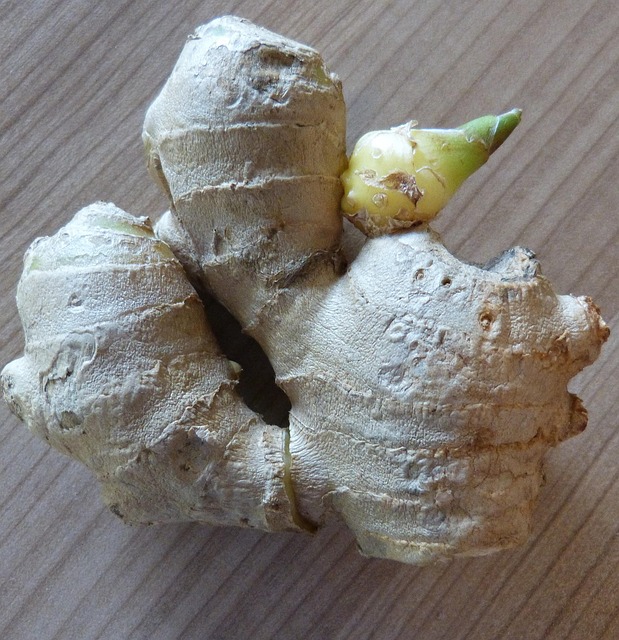
Begin with a simple preparation. Use 1–2 thin slices (approximately 5 grams) of fresh, peeled ginger root per cup of hot water. Steep for 5–10 minutes; longer steeping yields a stronger, more pungent brew. For those new to ginger, start with a weaker infusion (one slice, 5-minute steep) and gradually increase strength over a week. Adding a slice of lemon or a teaspoon of raw honey can improve palatability, but be mindful of added sugars.
Key Considerations for a Sustainable Routine
- Timing: Consume after a small bite of food, such as a cracker, to mitigate potential gastrointestinal irritation on an empty stomach.
- Hydration: Follow your ginger tea with a glass of plain water to maintain overall fluid balance.
- Observation: Keep a simple log noting any subjective changes in digestion, energy, or morning stiffness. This personal data can be more informative than generic claims.
- Quality: Source fresh, organic ginger when possible to minimize exposure to pesticide residues.
Clinical Insight: From a pharmacological perspective, ginger's active compounds (gingerols, shogaols) are dose-dependent. The typical culinary dose used in tea is considered safe for most adults and is the dose most commonly associated with mild digestive benefits in research. Higher therapeutic doses used in studies for conditions like osteoarthritis or hyperemesis gravidarum are significantly larger and should only be undertaken with medical guidance.
Important Precautions and Contraindications
While generally recognized as safe, ginger is a bioactive substance with potential drug interactions and contraindications. Individuals with the following conditions should consult a physician before regular consumption:
- Gallbladder disease (ginger may increase bile secretion).
- Bleeding disorders or those taking anticoagulant/antiplatelet drugs (e.g., warfarin, aspirin).
- Scheduled for surgery (discontinue use at least two weeks prior).
- History of heartburn, GERD, or peptic ulcers, as it may exacerbate symptoms in some individuals.
Pregnant women should discuss use with their obstetrician, as while ginger is a recognized therapy for morning sickness, its use in later pregnancy is sometimes debated. The evidence for benefits like sustained energy or metabolic boost is preliminary; any such effects are likely subtle and highly variable between individuals. Consistency over 30 days allows for a personal assessment, but it is not a substitute for medical treatment for any underlying condition.
5. Safety and When to Consult a Healthcare Professional

While ginger tea is generally considered safe for most people when consumed in culinary amounts, a daily ritual warrants a careful, individualized assessment of safety. The bioactive compounds in ginger, primarily gingerols, have potent physiological effects that can interact with underlying health conditions and medications.
Key Populations for Caution
Certain individuals should exercise particular caution or avoid high, regular intake of ginger tea without professional guidance:
- Individuals on Anticoagulant/Antiplatelet Therapy: Ginger may inhibit platelet aggregation. While evidence for significant clinical interaction is mixed and often based on high supplemental doses, combining it with drugs like warfarin, clopidogrel, or aspirin could theoretically increase bleeding risk. Consultation with a physician or pharmacist is prudent.
- Those with Gallbladder Disease: Ginger is a cholagogue, meaning it may stimulate bile production. This could precipitate discomfort or complications in individuals with gallstones.
- People with Gastroesophageal Reflux Disease (GERD) or Peptic Ulcers: While ginger can aid digestion for some, its pungent properties may exacerbate heartburn or gastric irritation in sensitive individuals.
- Pregnant Individuals: Ginger is commonly used for nausea in pregnancy. However, medical guidelines typically recommend using it sparingly and only after the first trimester, and always under the supervision of an obstetrician, as its effects on pregnancy outcomes are not fully established.
- Individuals Prior to Surgery: Due to its potential antiplatelet effects, it is generally advised to discontinue high-dose ginger intake at least two weeks before elective surgical procedures.
Clinical Perspective: In practice, the risk from a cup or two of ginger tea daily is low for most healthy adults. The concern escalates with concentrated extracts, very high daily consumption, or the combination with specific pharmacotherapies. We view it not as an inert beverage but as a mild phytotherapeutic agent. Its safety profile is dose-dependent and context-specific.
When to Consult a Healthcare Professional
You should seek advice from a doctor, pharmacist, or registered dietitian before starting a daily ginger tea regimen if you:
- Are taking any prescription medications, especially for diabetes, hypertension, or blood clotting.
- Have a diagnosed chronic condition, particularly related to the gastrointestinal, hepatobiliary, or cardiovascular systems.
- Are pregnant, breastfeeding, or planning to become pregnant.
- Experience any adverse effects such as persistent heartburn, mouth irritation, diarrhea, or unusual bruising or bleeding after consumption.
The goal is to integrate such rituals safely into a holistic health plan. A brief conversation with a healthcare provider can help ensure this practice supports, rather than complicates, your individual health landscape.
6. Questions & Expert Insights
Can drinking ginger tea every morning really improve my health?
Ginger tea can be a supportive component of a healthy lifestyle, but it is not a cure-all. The evidence for its benefits is promising but varies in strength. For instance, its anti-nausea effects, particularly for pregnancy-related and chemotherapy-induced nausea, are well-supported by clinical trials. Its anti-inflammatory properties, linked to compounds like gingerols, are also substantiated, which may explain anecdotal reports of reduced joint stiffness. However, claims about significant weight loss or dramatic metabolic changes are less robust, often based on animal studies or small, short-term human trials. Think of it as a potentially beneficial dietary adjunct, not a replacement for a balanced diet, regular exercise, or prescribed medical treatments.
Who should avoid or be cautious with daily ginger tea?
While generally recognized as safe by food authorities, ginger is not risk-free. Certain individuals should exercise caution or avoid it. Key groups include: individuals on anticoagulant (blood-thinning) medications like warfarin, as ginger may theoretically increase bleeding risk; those with gallstone disease, as it can stimulate bile production; people with a history of heartburn or GERD, as it may exacerbate symptoms; and individuals scheduled for surgery, due to its potential antiplatelet effects. Pregnant women should consult their obstetrician before using it regularly, despite its use for morning sickness, as dosage is critical. Anyone with a known allergy to ginger or related plants should, of course, avoid it entirely.
When should I talk to my doctor about incorporating ginger tea?
You should consult a healthcare professional before starting any new regular regimen if you have a diagnosed medical condition or are taking prescription medications. This is especially important for conditions like diabetes (ginger may lower blood sugar), hypertension (it may interact with blood pressure drugs), or any bleeding disorder. Before your appointment, prepare a clear list: note the specific type and amount of ginger you plan to use (e.g., one cup of tea from 1-inch of fresh root), all current medications and supplements, and your specific health goals (e.g., "managing mild arthritis discomfort" or "reducing morning nausea"). This allows your doctor to assess potential interactions and provide personalized, safe guidance within your overall care plan.
Is the "30-day" timeframe mentioned in the title scientifically meaningful?
The "30-day" period is more of a narrative framework than a scientifically validated threshold. Some physiological effects, like mild digestive soothing or a reduction in inflammatory markers in some studies, can be observed within weeks. However, many proposed long-term benefits, such as impacts on chronic disease risk, require sustained habits over months or years and are influenced by countless other lifestyle factors. A 30-day trial can be a useful personal experiment to observe subjective feelings (e.g., digestion, morning routine satisfaction), but it is insufficient to confirm or deny most health claims. It's crucial to distinguish between short-term symptomatic relief and long-term disease modification, the latter requiring much more rigorous and lengthy study.
7. In-site article recommendations
8. External article recommendations
9. External resources
The links below point to reputable medical and evidence-based resources that can be used for further reading. Always interpret them in the context of your own situation and your clinician’s advice.
-
mayoclinic mayoclinic.orgginger tea – Mayo Clinic (search)
-
examine examine.comginger tea – Examine.com (search)
-
wikipedia wikipedia.orgginger tea – Wikipedia (search)
These external resources are maintained by third-party organisations. Their content does not represent the editorial position of this site and is provided solely to support readers in accessing additional professional information.