
1. Ginger Water in Morning Routines: An Overview

Integrating ginger water into a morning routine is a practice rooted in traditional medicine systems, now increasingly examined by modern science. The concept is straightforward: consuming a warm or room-temperature infusion of fresh ginger root in water upon waking. Proponents suggest this ritual can establish a foundation of digestive and metabolic support for the day ahead.
The proposed physiological rationale is based on ginger's bioactive compounds, primarily gingerols and shogaols. These compounds are associated with several mechanisms that may be relevant to morning consumption:
- Gastrointestinal Motility: Ginger has demonstrated prokinetic effects in some studies, potentially helping to stimulate the digestive system after an overnight fast.
- Anti-inflammatory Activity: Chronic, low-grade inflammation is a contributor to many modern health conditions. Ginger's anti-inflammatory properties are among its most consistently supported effects in clinical research.
- Antioxidant Capacity: The antioxidants in ginger may help neutralize reactive oxygen species, offering cellular protection.
However, it is crucial to distinguish between the strength of evidence for different claims. The evidence for ginger's efficacy in reducing nausea, particularly in pregnancy and chemotherapy-induced nausea, is robust. Evidence for its anti-inflammatory effect in conditions like osteoarthritis is promising but mixed. Claims regarding direct "metabolic transformation," significant weight loss, or "detoxification" are not strongly supported by high-quality human trials and should be viewed with caution.
Clinical Perspective: From a medical standpoint, ginger water is generally considered a low-risk dietary intervention for most healthy adults. Its primary value in a morning routine may be as a hydrating, non-caffeinated beverage that can gently stimulate digestion without the acidity of coffee or juice. It should not be viewed as a substitute for evidence-based treatments for medical conditions. The ritual itself—taking a moment for a mindful, health-conscious practice—may also contribute to perceived benefits.
Individuals who should exercise caution or consult a physician before regular consumption include those with:
- Gallbladder disease, as ginger may increase bile secretion.
- A history of gastroesophageal reflux disease (GERD) or ulcers, as it can cause irritation in some individuals.
- Bleeding disorders or those on anticoagulant/antiplatelet medications (e.g., warfarin, aspirin), due to ginger's potential mild antiplatelet effect.
- Scheduled surgery, for the same reason.
In summary, incorporating ginger water into a morning routine is a practice with a plausible biochemical basis and a generally favorable safety profile. Its benefits are likely subtle and supportive rather than transformative, fitting into a broader context of a balanced diet and healthy lifestyle.
2. Scientific Basis: How Ginger May Benefit Health
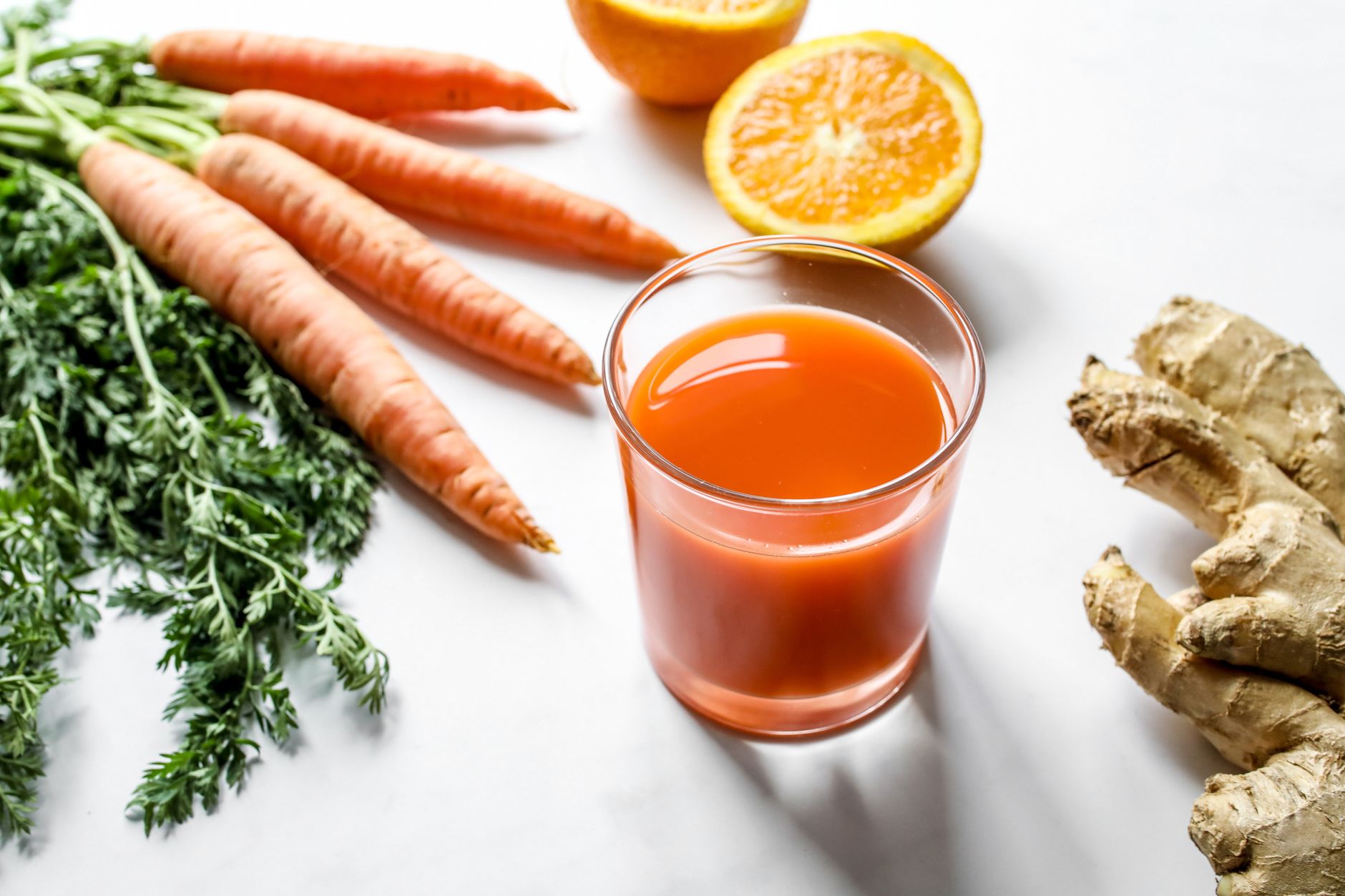
The proposed health benefits of ginger (Zingiber officinale) are primarily attributed to its bioactive compounds, notably gingerols and shogaols. These compounds possess anti-inflammatory and antioxidant properties, which form the mechanistic basis for its traditional and contemporary uses. The evidence supporting these benefits varies in strength, with the most robust data existing for gastrointestinal symptoms.
The strongest clinical evidence for ginger pertains to its antiemetic (anti-nausea) effects. Multiple systematic reviews and meta-analyses conclude that ginger is effective for:
- Nausea and vomiting in pregnancy: A 2020 review in the American Journal of Obstetrics & Gynecology found ginger significantly reduced nausea severity compared to placebo, with a favorable safety profile for short-term use.
- Chemotherapy-induced nausea: Several trials support ginger as a useful adjunct to standard antiemetic medications.
- Post-operative nausea: Evidence is positive but somewhat more mixed than for other indications.
For other conditions, the evidence is more preliminary or mixed. Some studies suggest ginger may modestly reduce markers of inflammation (like C-reactive protein) and pain in conditions like osteoarthritis, but results are not universally consistent. Research on its potential to aid digestion and reduce dyspepsia is largely based on its carminative effects—helping to expel gas and relax the intestinal tract—which is supported by traditional use and some clinical observations, but requires more rigorous long-term trials.
Clinical Perspective: From a pharmacological standpoint, ginger's effects are considered "modest" and "supportive." It is not a substitute for evidence-based medical treatment for chronic inflammatory or metabolic diseases. Its mechanism for nausea is thought to involve local actions in the gut and possible serotonin receptor modulation, which is why it may work without causing the drowsiness associated with some anti-nausea drugs.
It is crucial to note limitations in the existing research. Many trials are of short duration, have small sample sizes, or use varying ginger preparations (fresh, dried, extracted), making direct comparisons difficult. The long-term safety profile of high daily doses is not fully established.
Who should exercise caution? Individuals on anticoagulant therapy (e.g., warfarin) should consult a physician, as ginger may theoretically increase bleeding risk. Those with gallstone disease should use caution due to its potential cholagogue effect. While often used for pregnancy-related nausea, it is prudent to discuss use with an obstetrician. As with any dietary intervention, it should not delay consultation for persistent or severe symptoms.
3. Who Should Avoid Ginger Water: Clinical Considerations

While ginger water is generally considered safe for most people, its bioactive compounds, particularly gingerols, can interact with certain physiological conditions and medications. A clinically responsible approach requires identifying individuals for whom consumption may pose risks or require medical supervision.
Individuals on Specific Medications
Ginger has documented antiplatelet and potential hypoglycemic effects. Concurrent use with certain medications can lead to additive effects, increasing risk.
- Anticoagulants/Antiplatelets (e.g., Warfarin, Aspirin, Clopidogrel): Ginger may enhance blood-thinning effects, potentially raising the risk of bruising or bleeding. Evidence for significant interaction is mixed but clinically prudent to monitor.
- Antidiabetic Medications (e.g., Insulin, Metformin): Ginger may lower blood glucose. Patients on these drugs should monitor blood sugar closely to avoid hypoglycemia.
- Blood Pressure Medications: Some data suggests ginger may lower blood pressure. Those on antihypertensives should monitor for potential additive effects causing hypotension.
Pre-Existing Medical Conditions
Certain health conditions may be exacerbated by regular ginger intake.
- Gallbladder Disease: Ginger is a cholagogue, meaning it may stimulate bile production. This could provoke contractions in a diseased gallbladder, potentially leading to pain.
- Bleeding Disorders (e.g., Hemophilia): Given its potential antiplatelet activity, individuals with such disorders should avoid or use extreme caution.
- Gastroesophageal Reflux Disease (GERD) or Peptic Ulcers: While ginger can aid digestion, in some individuals it may irritate the mucosal lining or worsen heartburn symptoms.
Clinical Insight: The dose and preparation matter significantly. A cup of weak ginger tea poses a far lower risk than concentrated extracts or high daily doses. Patients should inform their physician or pharmacist about all supplements, including seemingly benign herbal infusions, to screen for potential interactions with their unique health profile and medication regimen.
Special Populations
Evidence for safety in these groups is limited, warranting a precautionary approach.
- Pregnancy: While ginger is often used for morning sickness, high doses or prolonged use are not recommended, particularly in the first trimester and for those with a history of miscarriage. Consultation with an obstetrician is essential.
- Upcoming Surgery: Due to its potential effect on bleeding, it is standard advice to discontinue ginger (and most herbal supplements) at least two weeks prior to any scheduled surgical procedure.
In summary, while ginger water can be a beneficial addition to a morning routine for many, it is not universally benign. Individuals with the conditions or medication profiles listed above should seek personalized advice from a healthcare provider before making it a regular practice.
4. Evidence-Based Guidance for Morning Use

Integrating ginger water into a morning routine should be approached with an evidence-based and individualized perspective. The goal is to leverage its potential benefits while respecting its pharmacological activity and contraindications.
Practical Preparation and Timing
For a standard preparation, steep 1–2 grams (approximately ½ to 1 teaspoon) of freshly grated ginger root in 250 ml (about 1 cup) of hot water for 5–10 minutes. Consuming it 15–30 minutes before or with breakfast may help modulate early morning nausea or gastric motility. The evidence for this use is relatively strong, supported by systematic reviews on ginger's antiemetic properties.
- Dosage: Start with a lower concentration (e.g., ½ tsp) to assess tolerance.
- Timing: Consume before or with food to minimize potential gastric irritation.
- Consistency: Effects may be cumulative; consistent daily use over weeks might be needed to observe subtle digestive or anti-inflammatory benefits.
Evaluating the Evidence for Common Claims
It is important to distinguish between well-supported uses and those with preliminary or mixed data.
Well-Supported Uses:
- Nausea Management: Robust evidence supports ginger for nausea related to pregnancy (with obstetrician approval), chemotherapy, and postoperative recovery.
- Postprandial Glycemic Control: Some meta-analyses suggest ginger may modestly improve insulin sensitivity and lower post-meal blood glucose, though more long-term human trials are needed.
Areas with Limited or Mixed Evidence:
- Metabolic "Boost": Claims of significantly elevating metabolism or promoting rapid weight loss are not substantiated by high-quality evidence. Any effect is likely minor and indirect.
- Systemic Anti-inflammatory Effects: While ginger compounds show anti-inflammatory activity in lab studies, clinical evidence for reducing systemic inflammation from morning consumption alone is preliminary.
Clinical Insight: From a pharmacological standpoint, ginger is a bioactive substance. Its primary active compounds, gingerols, have documented effects on serotonin receptors and gastric emptying. Therefore, its use should be intentional, not merely ritualistic. Patients on anticoagulants (e.g., warfarin), those with gallstone disease, or individuals scheduled for surgery should consult a physician due to ginger's potential antiplatelet and cholagogue effects. It is also not recommended for individuals with a history of gastroesophageal reflux disease (GERD) as it may exacerbate symptoms.
In summary, morning ginger water can be a physiologically active component of a routine. Its application is best focused on evidence-based goals like digestive comfort, with realistic expectations regarding its scope of effect.
5. Monitoring and When to Consult a Healthcare Professional

Incorporating ginger water into a morning routine is generally considered safe for most healthy adults. However, as with any dietary change, mindful self-monitoring is prudent to ensure it remains a beneficial and safe practice. This involves paying attention to your body's signals over time.
Key Parameters to Monitor
Track your response in the following areas, especially during the first few weeks:
- Gastrointestinal Tolerance: Note any changes in digestion. While ginger can aid digestion, excessive amounts may cause heartburn, gastric irritation, or diarrhea.
- Blood Pressure and Heart Rate: If you have hypertension or are on blood pressure medication, monitor your readings. Ginger may have a mild blood-thinning and hypotensive effect, which could theoretically interact with medications like warfarin or antihypertensives.
- Blood Glucose Levels: Individuals with diabetes should monitor their glucose closely. Preliminary research suggests ginger may influence insulin sensitivity, which could necessitate medication adjustment.
- Allergic or Sensitivity Reactions: Watch for any signs of a rash, mouth irritation, or other allergic symptoms, though these are uncommon.
Clinical Perspective: From a medical standpoint, ginger is a bioactive substance, not a benign flavoring. Its pharmacologically active compounds, like gingerols, can exert physiological effects. Therefore, it should be approached with the same caution as any other supplement, particularly in the context of pre-existing conditions and polypharmacy. The evidence for its benefits, while promising for nausea and some inflammatory markers, is often derived from specific, concentrated extracts, not necessarily from daily ginger water.
When to Consult a Healthcare Professional
You should seek advice from a physician, pharmacist, or registered dietitian before or after starting ginger water if you fall into any of the following categories:
- You are pregnant, breastfeeding, or planning a pregnancy.
- You have a known bleeding disorder or are scheduled for surgery.
- You have gallstone disease, as ginger may increase bile flow.
- You are taking prescription medications, especially anticoagulants (blood thinners), antiplatelet drugs, diabetes medications, or drugs for high blood pressure.
- You have a history of gastroesophageal reflux disease (GERD) or peptic ulcers.
- You experience persistent adverse effects such as abdominal discomfort, palpitations, or unusual bruising.
Ultimately, while ginger water can be a refreshing and potentially supportive addition to a wellness routine, it is not a substitute for medical treatment. Open communication with your healthcare provider ensures that any dietary practice aligns safely with your overall health management plan.
6. Questions & Expert Insights
Can drinking ginger water on an empty stomach really boost my metabolism?
The evidence for a significant metabolic boost is preliminary and should be interpreted with caution. Some small human and animal studies suggest compounds in ginger, like gingerols, may slightly increase thermogenesis (heat production) and fat oxidation. However, these effects are modest, short-term, and not comparable to the impact of structured exercise or major dietary changes. The primary benefit for a morning routine likely stems from ginger's potential to promote gastric motility, which can create a feeling of lightness and may support digestive regularity. It is not a substitute for a comprehensive weight management plan. Relying solely on ginger water for metabolic transformation is not supported by robust clinical evidence.
What are the risks or side effects of drinking ginger water daily?
For most healthy adults, moderate consumption (e.g., one cup of ginger-infused water daily) is likely safe. However, side effects can occur, particularly with high concentrations or excessive intake. These may include heartburn, gas, bloating, or mouth irritation. The primary risks involve specific populations and drug interactions. Ginger has mild antiplatelet (blood-thinning) properties, so individuals on anticoagulant medications like warfarin, clopidogrel, or aspirin should consult a doctor before regular use. It may also lower blood sugar and blood pressure, requiring caution for those on related medications. People with gallstone disease should avoid it, as ginger can increase bile flow.
Who should avoid or be very cautious with ginger water?
Certain individuals should avoid this practice or seek medical advice first. This includes:
- Pregnant individuals: While sometimes used for nausea, pharmacological doses of ginger are controversial due to theoretical concerns about fetal development and miscarriage risk, especially in the first trimester. Professional guidance is essential.
- Individuals with bleeding disorders or upcoming surgery: Due to its potential blood-thinning effect.
- Those with known allergies to ginger or related plants (e.g., turmeric, cardamom).
- People with gastroesophageal reflux disease (GERD) or peptic ulcers: Ginger may exacerbate acid reflux or irritation in some cases.
- Individuals with kidney or liver disease: As their ability to process compounds may be impaired.
When should I talk to my doctor about incorporating ginger water, and what should I discuss?
You should consult a physician or a registered dietitian if you have any chronic health condition, are taking prescription medications, or are pregnant/breastfeeding. Before the appointment, prepare a clear summary to ensure a productive conversation. You should be ready to discuss:
- Your "Why": Your specific goal (e.g., managing mild nausea, seeking an anti-inflammatory aid, improving hydration).
- Your "How": The exact preparation (amount of fresh ginger, consumption frequency).
- Your Full Health Context: A complete list of all medications (prescription, over-the-counter, and supplements), as well as any diagnoses like diabetes, hypertension, or digestive disorders.
7. In-site article recommendations
8. External article recommendations
9. External resources
The links below point to reputable medical and evidence-based resources that can be used for further reading. Always interpret them in the context of your own situation and your clinician’s advice.
-
wikipedia wikipedia.orgginger water – Wikipedia (search)
-
healthline healthline.comginger water – Healthline (search)
-
examine examine.comginger water – Examine.com (search)
These external resources are maintained by third-party organisations. Their content does not represent the editorial position of this site and is provided solely to support readers in accessing additional professional information.