
1. Introduction to Green Tea Extract and Thermogenesis

Green tea extract (GTE) is a concentrated form of the bioactive compounds found in Camellia sinensis leaves. Its potential role in weight management is a subject of significant scientific interest, primarily centered on its influence on thermogenesis—the body's process of heat production. This introductory chapter provides a foundational, evidence-based overview of these mechanisms and the current state of research.
Thermogenesis is a component of total daily energy expenditure. It can be categorized as:
- Basal Metabolic Rate (BMR): Energy used for vital functions at rest.
- Activity-Induced Thermogenesis: Energy from physical movement.
- Diet-Induced Thermogenesis (DIT): Energy expended to digest, absorb, and process food.
- Adaptive Thermogenesis: Heat production in response to environmental stimuli, such as cold.
GTE is thought to influence thermogenesis primarily through its catechins, most notably epigallocatechin gallate (EGCG), and its naturally occurring caffeine. The proposed mechanisms, supported by varying levels of evidence, include:
- Inhibition of Catechol-O-Methyltransferase (COMT): EGCG may inhibit this enzyme, prolonging the activity of norepinephrine. This can stimulate brown adipose tissue and increase the metabolic rate in other tissues.
- Synergy with Caffeine: Caffeine can further enhance norepinephrine release and signal transduction, potentially creating a synergistic effect with catechins to increase energy expenditure and fat oxidation.
Clinical Perspective: While the biochemical pathways are well-described in preclinical models, human trial data is more nuanced. Effects on thermogenesis and fat oxidation are measurable but often modest and can vary significantly based on individual factors like genetics, habitual caffeine intake, and overall metabolic health. It is not a substitute for foundational lifestyle interventions.
The evidence for GTE's thermogenic effect comes from a mix of cell studies, animal research, and human clinical trials. Short-term studies consistently show a small but statistically significant increase in energy expenditure and fat oxidation following GTE consumption. However, long-term data on sustained weight loss is more mixed, and the clinical relevance of the short-term metabolic boost remains a point of discussion among researchers.
Important Considerations: Individuals with certain health conditions should exercise caution and consult a physician before using concentrated green tea extracts. This includes those with:
- Liver conditions or a history of hepatotoxicity.
- Anxiety disorders or sensitivity to caffeine.
- Cardiovascular issues like severe hypertension or arrhythmias.
- Who are pregnant or breastfeeding.
Understanding this foundational science is crucial for evaluating claims and setting realistic expectations, which will be explored in detail in subsequent chapters.
2. Mechanisms and Clinical Evidence Supporting Thermogenic Effects
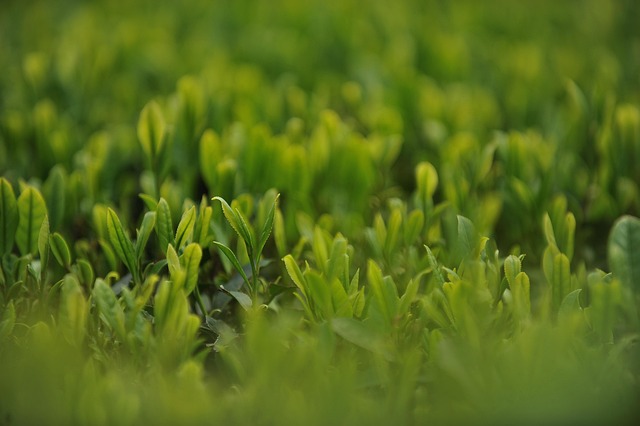
The thermogenic potential of green tea extract (GTE) is primarily attributed to its synergistic blend of catechins, most notably epigallocatechin gallate (EGCG), and caffeine. The proposed mechanisms are multi-faceted and supported by a body of preclinical and clinical research.
The core biological pathway involves the inhibition of catechol-O-methyltransferase (COMT), an enzyme that breaks down norepinephrine. By inhibiting COMT, GTE prolongs the activity of this key neurotransmitter, leading to increased stimulation of beta-adrenergic receptors on adipocytes (fat cells). This stimulation activates cellular processes that increase energy expenditure and fat oxidation.
Clinical evidence, while promising, presents a nuanced picture. Several randomized controlled trials (RCTs) have demonstrated a measurable increase in 24-hour energy expenditure and fat oxidation in individuals supplementing with GTE compared to placebo or caffeine alone.
- Supporting Evidence: A meta-analysis of 15 RCTs concluded that GTE preparations significantly increased energy expenditure and fat oxidation, with the effects being more pronounced than those from caffeine alone.
- Limitations & Context: The magnitude of the thermogenic effect is modest, typically accounting for an additional 3-4% increase in daily metabolic rate. Effects can vary based on the dose, formulation (standardized for EGCG and caffeine), and individual factors like caffeine sensitivity and habitual intake.
It is crucial to distinguish this pharmacological effect from the simple thermal effect of food. The thermogenesis induced by GTE is an active metabolic process, not merely a passive production of heat from digestion.
Clinical Perspective: From a therapeutic standpoint, the thermogenic effect of GTE is considered a supportive, rather than primary, intervention for weight management. Its value lies in the potential to create a small, sustained calorie deficit when combined with diet and exercise. Clinicians view it as one component in a broader metabolic health strategy.
Individuals with certain health conditions should exercise caution. Those with hypertension, cardiac arrhythmias, severe anxiety, or liver conditions should consult a physician before use, due to the stimulant effects of caffeine and rare case reports of hepatotoxicity. It is also not recommended for pregnant or breastfeeding women.
3. Risks, Side Effects, and Populations to Avoid

While green tea extract (GTE) is generally well-tolerated in moderate doses, its bioactive compounds, particularly caffeine and catechins like EGCG, can pose risks for certain individuals. A balanced assessment of safety is essential for responsible use.
Common and Dose-Dependent Side Effects
The most frequently reported adverse effects are directly linked to its caffeine content and are typically mild and transient when doses remain within standard recommendations (100–300 mg EGCG daily). These include:
- Gastrointestinal discomfort (nausea, upset stomach)
- Headaches and nervousness
- Insomnia or sleep disturbances
- Increased heart rate and blood pressure
These effects are often mitigated by taking GTE with food and avoiding consumption late in the day.
Serious Health Risks and Evidence
More serious concerns, though rare, are supported by clinical case reports and mechanistic studies.
- Hepatotoxicity: There is strong evidence linking high-dose GTE supplements (typically >800 mg EGCG daily) to rare instances of liver injury. The risk appears highest when taken on an empty stomach.
- Nutrient Interactions: Catechins can bind to non-heme iron (from plant sources), potentially reducing its absorption. Limited evidence suggests they may also interact with certain medications.
- Cardiovascular Strain: The combined stimulant effect of caffeine and catechins may pose risks for those with underlying heart conditions.
Populations Who Should Exercise Caution or Avoid
Consultation with a healthcare provider is strongly advised before using GTE supplements for the following groups:
- Individuals with Liver Conditions: Those with hepatitis, fatty liver disease, or a history of liver injury should avoid GTE supplements.
- Pregnant or Breastfeeding Women: Due to caffeine content and limited safety data for high-dose extracts, use is not recommended.
- People with Anxiety Disorders, Heart Arrhythmias, or Uncontrolled Hypertension: The stimulant effects may exacerbate these conditions.
- Individuals on Medications: Particularly blood thinners (e.g., warfarin), stimulants, or medications metabolized by the liver (CYP450 substrates).
- Those with Iron Deficiency Anemia: Should avoid taking GTE with iron-rich meals or supplements.
In summary, while GTE can be a component of a health strategy for many, its use is not universal. Prioritizing brewed tea over high-dose extracts, adhering to recommended doses, and seeking medical guidance for at-risk populations are fundamental to mitigating risk.
4. Practical Guidance for Safe and Effective Use
To harness the potential thermogenic benefits of green tea extract (GTE) while prioritizing safety, a measured and evidence-informed approach is essential. The primary active components for this effect are catechins, particularly epigallocatechin gallate (EGCG), and caffeine.
Dosage and Timing Considerations
Clinical studies investigating thermogenesis and fat oxidation have typically used doses providing 250–500 mg of catechins and 100–200 mg of caffeine per day, often divided into two or three doses. This range is associated with the most consistent evidence for a modest metabolic effect.
- Take with meals: Consuming GTE with food may improve tolerance and slightly enhance the bioavailability of catechins.
- Morning/afternoon dosing: To minimize potential sleep disruption from caffeine, avoid taking GTE in the late afternoon or evening.
- Start low: If you are new to GTE, begin at the lower end of the dosage range to assess individual tolerance.
Selecting a Quality Product
Look for supplements that are standardized to their catechin and EGCG content, which ensures consistency. Third-party testing certifications (e.g., from USP, NSF, or ConsumerLab) can provide additional assurance of purity and accurate labeling.
Clinical Insight: The thermogenic effect of GTE is synergistic, relying on both catechins and caffeine. "Decaffeinated" green tea extracts may have significantly diminished metabolic activity. Furthermore, the evidence for GTE's role in weight management is as an adjunct to, not a replacement for, foundational lifestyle measures like a calorie-controlled diet and regular physical activity.
Key Safety Precautions and Contraindications
While generally safe for most healthy adults at recommended doses, specific populations and conditions warrant caution or avoidance.
- Consult a physician first if you have: liver conditions, anxiety disorders, severe hypertension, cardiac arrhythmias, or are taking stimulant medications.
- Exercise caution with: caffeine sensitivity, gastroesophageal reflux disease (GERD), or iron-deficiency anemia (catechins can inhibit non-heme iron absorption).
- Absolute contraindications: Pregnancy and breastfeeding, due to caffeine content and limited safety data on high-dose extracts.
Discontinue use and seek medical advice if you experience symptoms such as jitteriness, headache, stomach upset, or signs of liver stress (e.g., unusual fatigue, abdominal pain, jaundice). The long-term safety of high-dose EGCG supplementation (> 800 mg/day) remains uncertain and is not recommended without clinical supervision.
5. Safety Protocols and When to Consult a Healthcare Professional
While green tea extract (GTE) is generally well-tolerated by healthy adults at moderate doses, its bioactive components—primarily caffeine and catechins like EGCG—necessitate a structured safety protocol. Responsible use centers on respecting dosage limits, understanding individual variability, and recognizing contraindications.
Core Safety Protocols
Adhering to these guidelines can help mitigate potential risks:
- Dosage: Most clinical studies on thermogenesis and weight management use standardized extracts providing 250–500 mg of EGCG daily. Total daily EGCG intake from all supplements should not exceed 800 mg, as higher intakes have been associated with liver enzyme elevations in rare cases.
- Timing and Form: Take GTE with food to reduce the risk of gastrointestinal upset (e.g., nausea, stomach ache). Avoid taking it on an empty stomach.
- Caffeine Awareness: Standardized extracts often contain caffeine. Monitor your total daily caffeine intake from all sources (coffee, tea, energy drinks, other supplements) to avoid side effects like anxiety, insomnia, jitteriness, or tachycardia.
- Duration: Consider periodic breaks (e.g., 4-6 weeks on, 1-2 weeks off) to assess tolerance and prevent potential habituation to the caffeine content.
Clinical Insight: The hepatotoxicity risk, while rare, is the most serious safety consideration. It appears to be idiosyncratic (unpredictable) and may be dose-related. Clinicians advise against using high-potency GTE supplements for "detox" or rapid weight loss, as these scenarios often involve excessive doses and poor nutritional intake, potentially increasing risk.
Who Should Exercise Caution or Avoid Use?
Certain individuals should either avoid GTE or consult a healthcare professional before use:
- Individuals with Liver Conditions: Those with pre-existing liver disease, hepatitis, or a history of significant alcohol use should avoid GTE due to the potential for hepatotoxicity.
- Pregnant or Breastfeeding Women: Due to caffeine content and limited safety data on high-dose catechins during pregnancy/lactation, use is not recommended.
- Individuals Sensitive to Stimulants: Those with anxiety disorders, panic attacks, arrhythmias, or uncontrolled hypertension.
- People on Medications: GTE may interact with drugs metabolized by the CYP450 enzyme system (e.g., some blood thinners like warfarin, certain antidepressants, and chemotherapy drugs) and can affect the absorption of iron and some prescription medications.
- Individuals with Iron Deficiency Anemia: The tannins in GTE can inhibit non-heme iron absorption.
When to Consult a Healthcare Professional
You should seek personalized medical advice before starting GTE if you fall into any of the cautionary groups above. Furthermore, consult a doctor or pharmacist if you are taking any prescription or over-the-counter medications to assess potential interactions. Discontinue use immediately and contact a healthcare provider if you experience symptoms such as unexplained stomach pain, dark urine, jaundice (yellowing of skin or eyes), or severe headache, as these could signal adverse effects.
Ultimately, while the evidence for GTE's role in supporting thermogenesis is promising, it is not a substitute for foundational health practices. Its use should be a carefully considered component of a broader lifestyle strategy, undertaken with an awareness of both its mechanisms and its margins of safety.
6. Questions & Expert Insights
What does the evidence actually say about green tea extract and thermogenesis?
The primary mechanism is attributed to its catechins, particularly epigallocatechin gallate (EGCG), and its caffeine content. These compounds appear to work synergistically to modestly increase metabolic rate and fat oxidation, a process known as thermogenesis. Evidence from randomized controlled trials, such as a 2010 meta-analysis in the International Journal of Obesity, supports a small but statistically significant increase in energy expenditure and fat loss over placebo. However, the observed effects are typically modest—often equating to an extra 70-100 calories burned per day—and should not be viewed as a substitute for foundational lifestyle measures like diet and exercise. The long-term sustainability and clinical significance of this effect for weight management remain areas of ongoing research.
Who should avoid green tea extract or use it with extreme caution?
Several populations should avoid or strictly medically supervise the use of concentrated green tea extract. Individuals with known liver conditions or elevated liver enzymes should avoid it, as rare but serious cases of hepatotoxicity have been reported. Those sensitive to caffeine may experience anxiety, insomnia, or gastrointestinal distress. It is contraindicated in pregnancy and breastfeeding due to caffeine and uncertain effects of high-dose catechins. People on anticoagulant medications (e.g., warfarin) or with bleeding disorders should be cautious, as EGCG may inhibit vitamin K. Finally, individuals with iron-deficiency anemia should note that catechins can inhibit non-heme iron absorption, potentially worsening deficiency.
What are the realistic side effects and risks I should know about?
At standard doses (typically 250-500 mg EGCG daily), the most common side effects are caffeine-related: jitteriness, headache, insomnia, and stomach upset. Taking the extract with food can mitigate gastrointestinal issues. The most significant, though rare, risk is drug-induced liver injury. Symptoms like jaundice (yellowing skin/eyes), dark urine, severe abdominal pain, or unexplained fatigue warrant immediate discontinuation and medical evaluation. Long-term safety data for high-dose supplementation is limited. Furthermore, extracts can vary widely in purity and concentration, raising risks of contamination or inconsistent dosing, which underscores the importance of choosing products from reputable manufacturers that undergo third-party testing.
When should I talk to my doctor, and how should I prepare for that conversation?
Consult your physician or a registered dietitian before starting green tea extract if you have any pre-existing medical condition, are taking prescription medications (especially for blood thinning, blood pressure, depression, or liver health), or are pregnant/breastfeeding. To prepare, create a simple list: 1) Your full current medication and supplement regimen, including doses. 2) Your relevant health history (e.g., liver, heart, kidney, or psychiatric conditions). 3) The specific brand, dosage, and EGCG content of the extract you are considering. 4) Your clear goal for using it (e.g., "support weight maintenance alongside my diet"). This allows your provider to assess potential interactions, contraindications, and whether this supplement aligns safely with your overall health plan.
7. In-site article recommendations
8. External article recommendations
9. External resources
The links below point to reputable medical and evidence-based resources that can be used for further reading. Always interpret them in the context of your own situation and your clinician’s advice.
-
healthline healthline.comgreen tea extract – Healthline (search)
-
mayoclinic mayoclinic.orggreen tea extract – Mayo Clinic (search)
-
drugs drugs.comgreen tea extract – Drugs.com (search)
These external resources are maintained by third-party organisations. Their content does not represent the editorial position of this site and is provided solely to support readers in accessing additional professional information.